

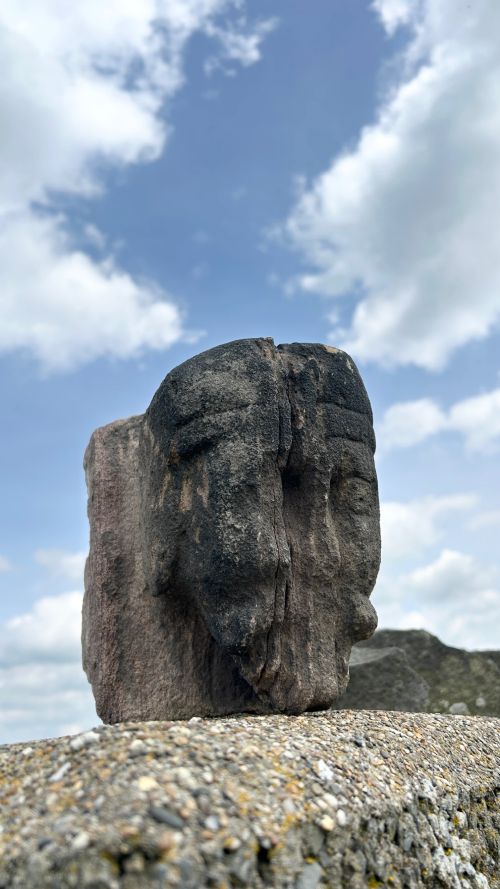
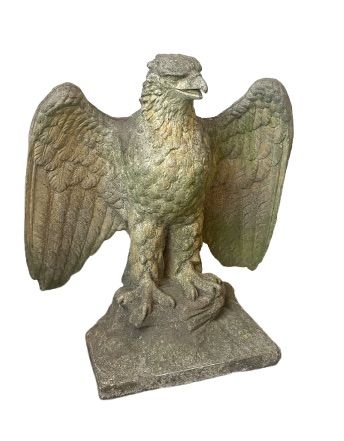
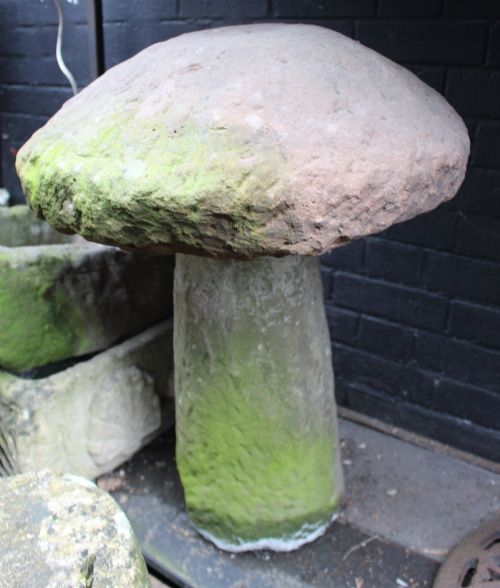
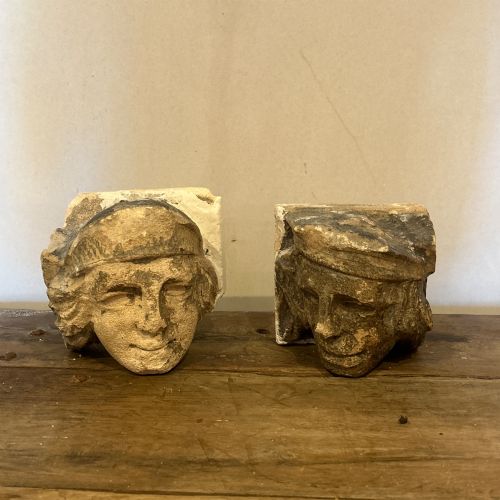
Grey Stone Sculpture
Grey stone sculpture brings ancient figures and classical forms into your home, offering tactile history.
Grey Stone Sculpture
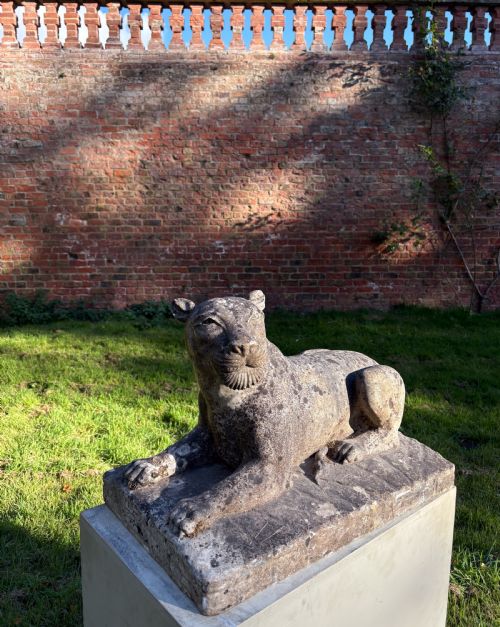
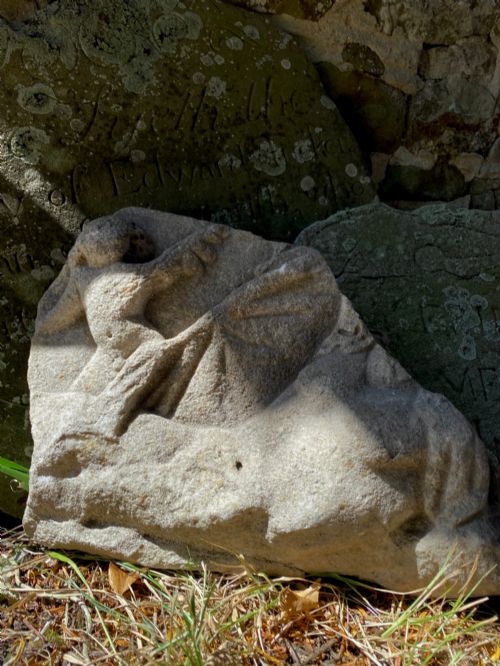
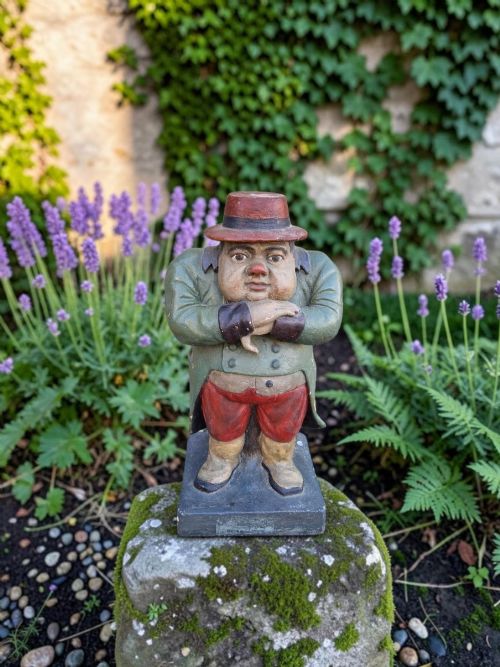
A grey stone sculpture encompasses carved figures, fragments, and architectural elements spanning many centuries.
You will most commonly encounter pre-sixteenth century religious pieces, nineteenth-century classical figures, and twentieth-century interpretations.
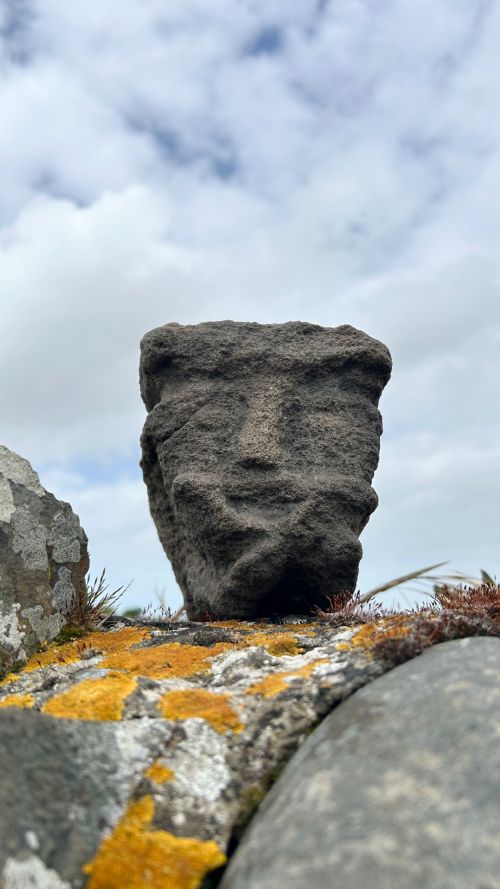
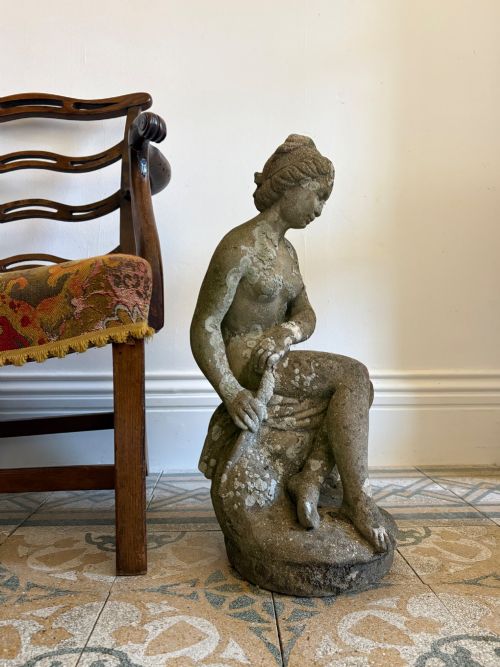
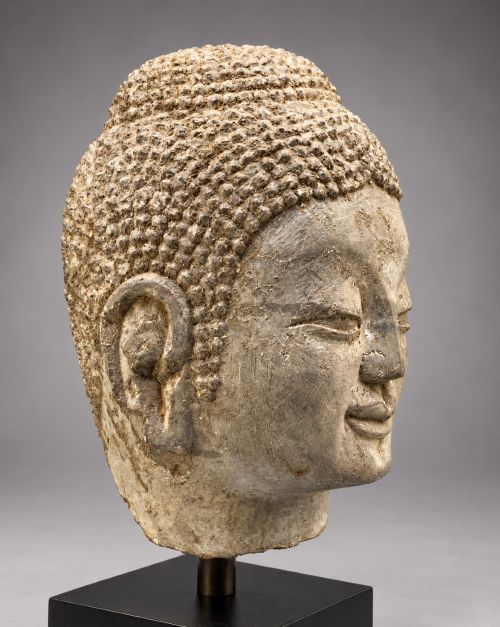
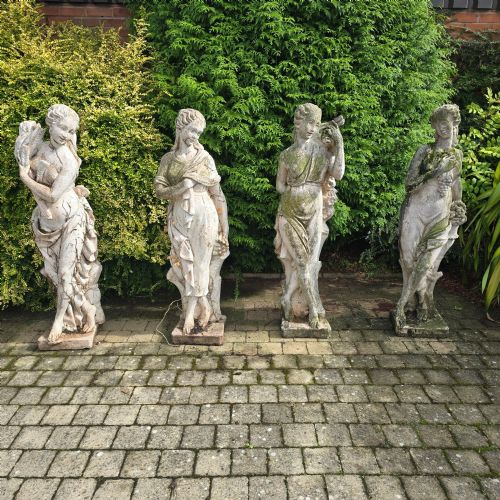
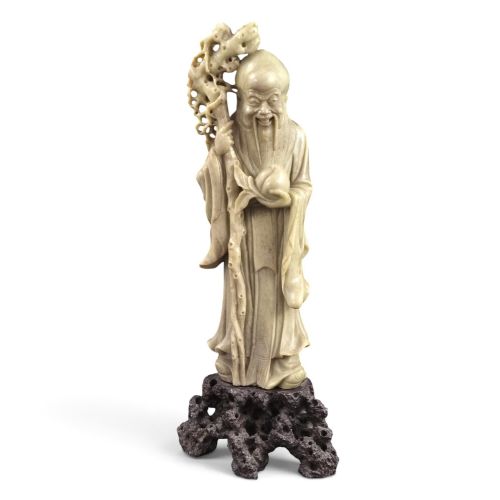
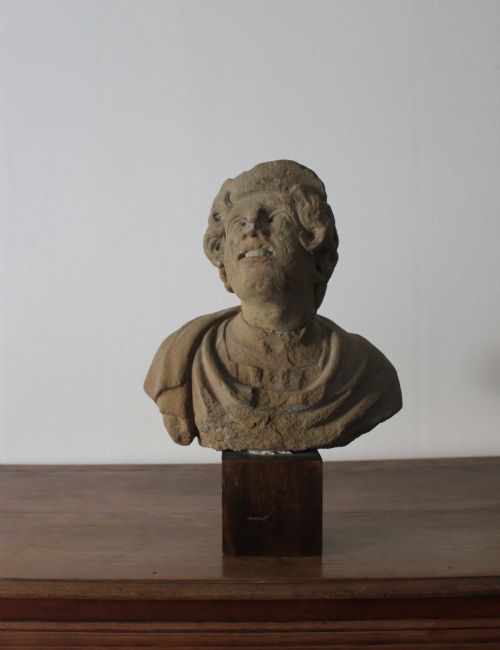
The selection ranges from Chinese limestone Buddha heads and early sixteenth-century Gothic carvings to neoclassical Venuses and cast iron stands.
How they were made
Materials include traditional limestone and carved stone alongside cast stone, reconstituted stone, concrete, and iron.
Sculptors utilised direct carving techniques into natural stone blocks, while later pieces incorporate moulded aggregates and metal supports.
Grey Stone Sculpture Retail Price Guide 2026
Typical asking prices for grey stone sculpture among the pieces listed under this phrase on Sellingantiques today, from the lower quarter to the upper quarter. They describe what is for sale here now, not the wider market.
Listings span periods from pre-sixteenth century work up to nineteen-thirty, utilising limestone, iron, and concrete.
What varies in quality
The sophistication of the chisel work and the depth of the carving separate ordinary decorative items from significant historical artefacts.
Surface weathering, original tool marks, and the integrity of the material determine the visual weight and authenticity of each piece.
The Grey Stone Sculpture Glossary
- Limestone
- A sedimentary rock composed largely of calcium carbonate, frequently used for ancient carvings and architectural sculpture. It weathers distinctively over centuries.
- Neoclassical
- A Western cultural movement drawing on the art of classical antiquity, producing figures such as the Venus de Milo in stone. It values proportion and restrained emotion.
- Gothic
- A medieval style of architecture and sculpture characterised by pointed arches and narrative relief carvings. Early sixteenth-century examples often depict religious subjects.
- Cast stone
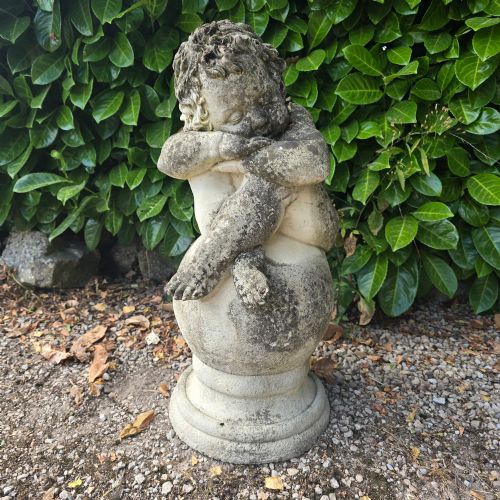
- A refined building product manufactured to mimic natural cut stone. It provides consistent texture and durability for architectural ornaments and garden statues.
Grey Stone Sculpture: Frequently Asked Questions
What is a grey stone sculpture made of?
These sculptures are fashioned from natural materials like limestone and carved stone, as well as manufactured compounds including cast stone, reconstituted stone, and concrete.
Some pieces also integrate iron elements, such as stands, to support heavy sculptural fragments.
How old are these sculptures?
The age varies significantly across the collection, ranging from pre-sixteenth century religious artefacts and early sixteenth-century Gothic carvings to nineteenth- and twentieth-century works.
Each period utilises distinct stylistic conventions and carving techniques characteristic of its origin.
Where should I display a stone sculpture?
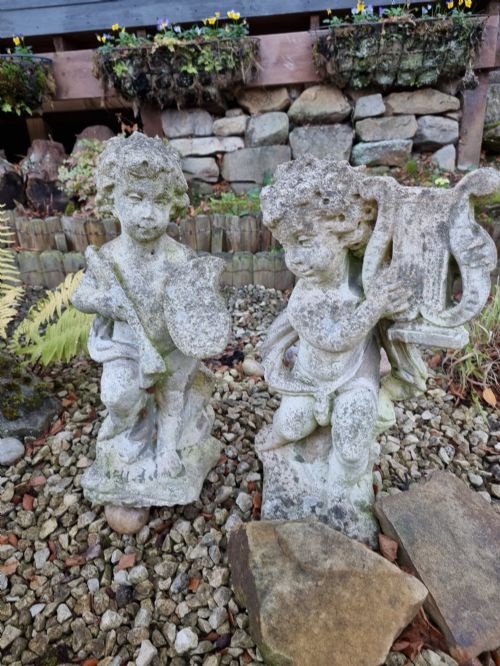
These sculptures suit both interior rooms and garden settings, depending on the specific object type and material durability.
Pieces mounted on metal stands fit well within modern living spaces, while robust garden statues are designed for outdoor placement.
How do I identify different styles?
Styles are recognised through historical iconography, such as Chinese Ming Dynasty Buddha heads or medieval Gothic religious narrative carvings.
Neoclassical figures draw directly from ancient Greek and Roman aesthetic traditions.