

Stone Garden Statue
A stone garden statue brings enduring presence to an outdoor space, anchoring grounds with classical forms and weathered textures.
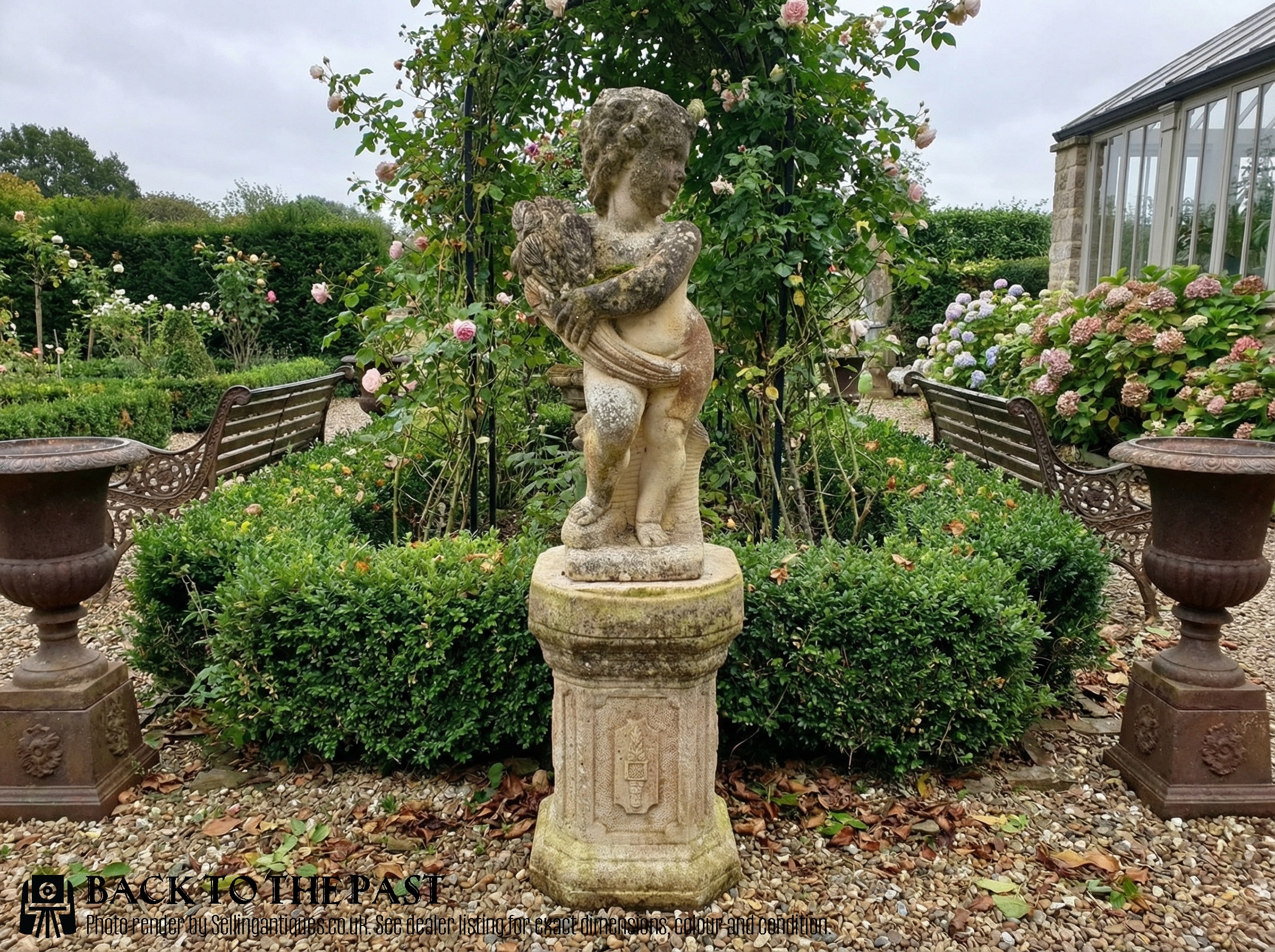
Stone Garden Statue
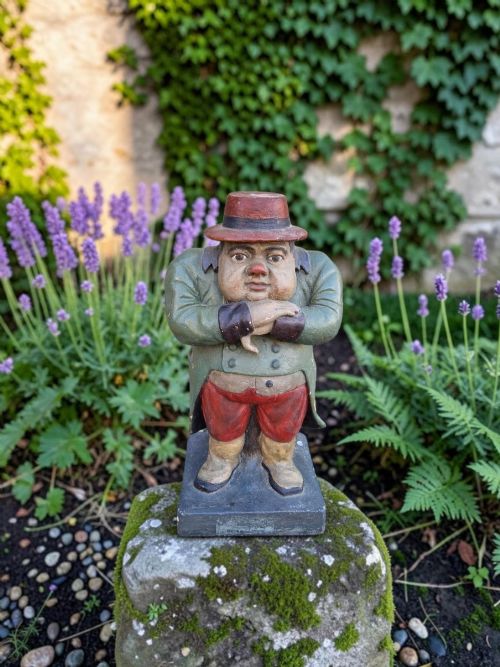
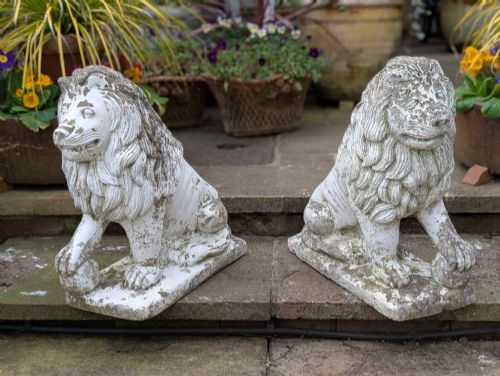
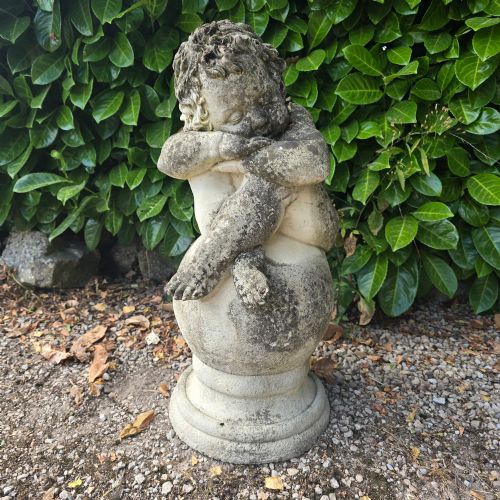
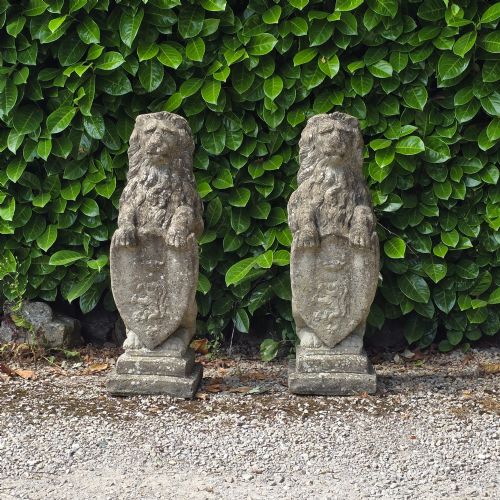
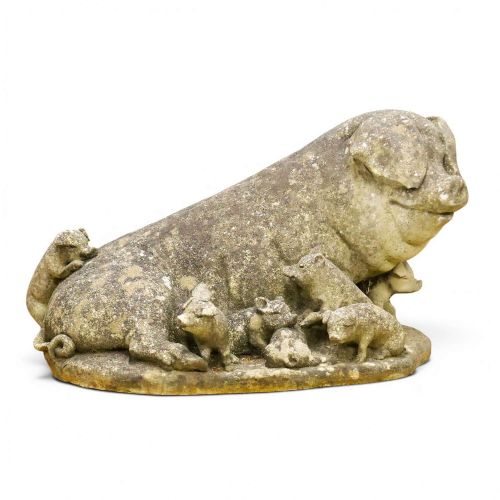
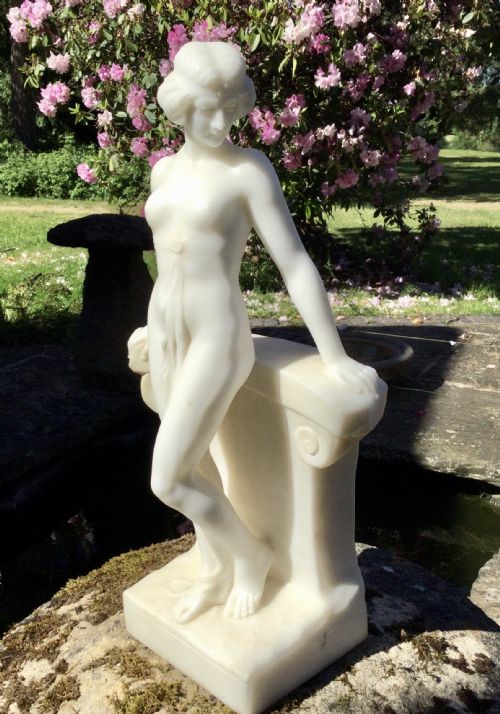
A stone garden statue encompasses figural sculptures, architectural finials and animal forms designed for outdoor display. The selection ranges from substantial architectural salvage and early granite staddle stones to mid-century figures on plinths.
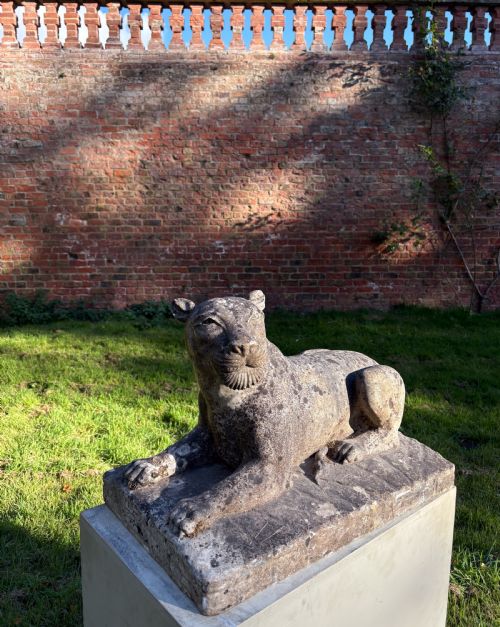
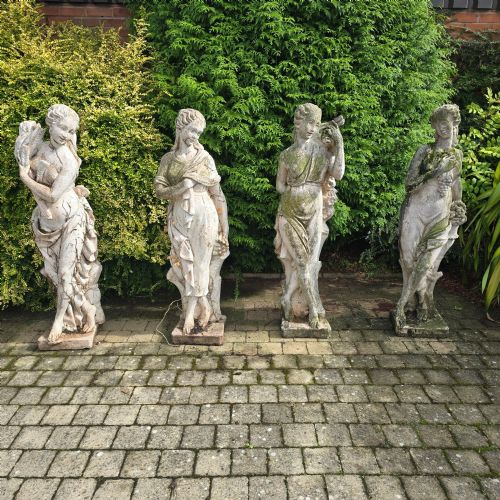
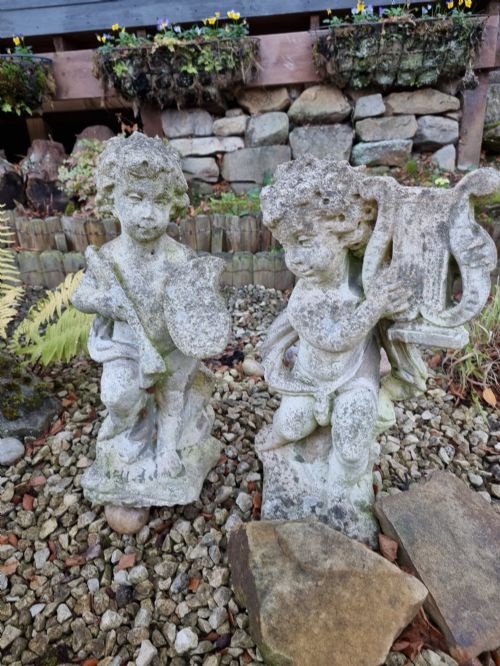
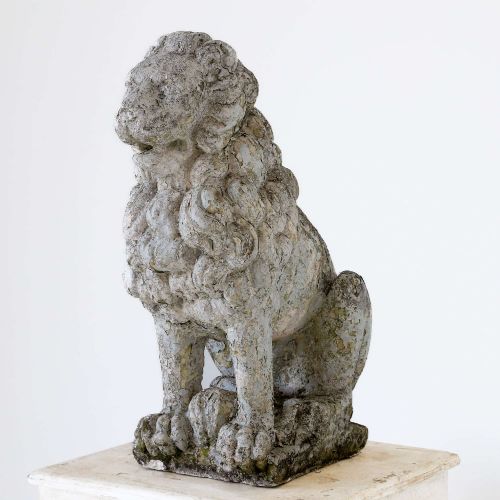
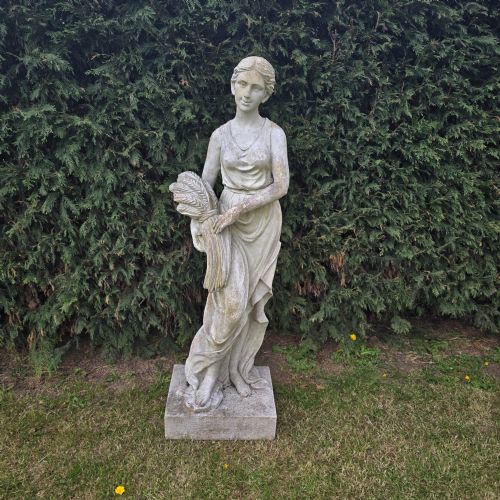
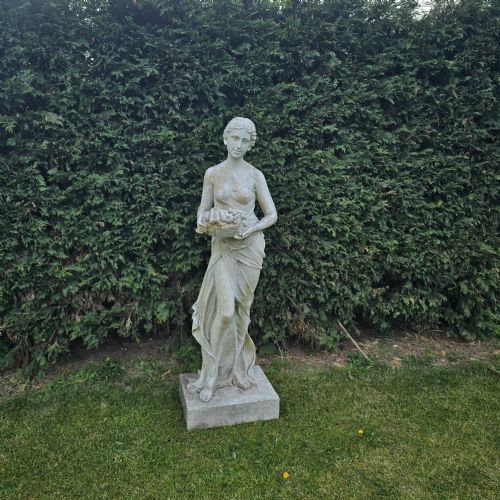
Lions, cherubs and allegories such as the Four Seasons dominate the offerings across periods spanning from pre-sixteenth century Gothic pinnacles to nineteen-fifty figures. Buyers encounter both carved marble and moulded composite pieces.
Many examples emerge from the twentieth century, particularly the nineteen-thirty and nineteen-fifty decades, alongside nineteenth-century French and English works. These pieces frequently show the effects of weathering over decades outdoors.
Materials and construction
Makers utilised cast stone, reconstituted stone and composite stone alongside traditional carved natural materials like Cornish granite, Yorkshire limestone and solid marble. Concrete and paint also appear on specific twentieth-century forms.
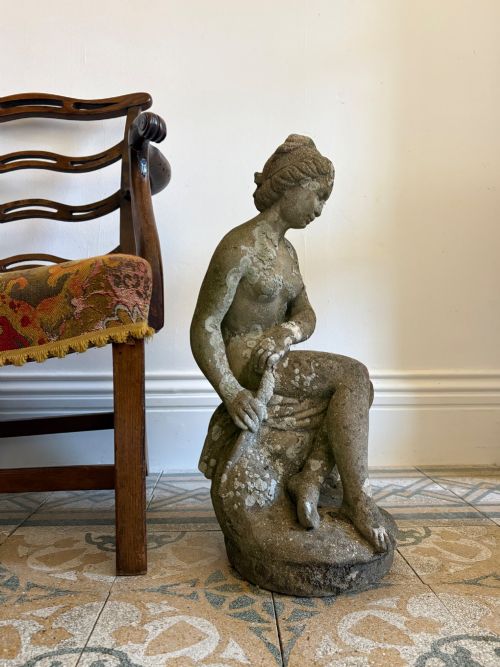
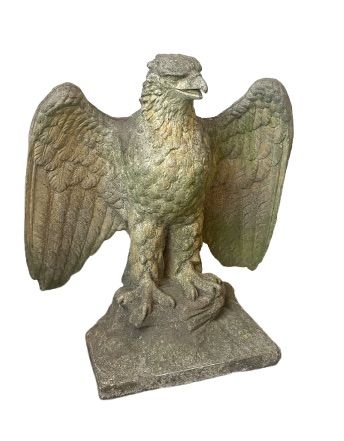
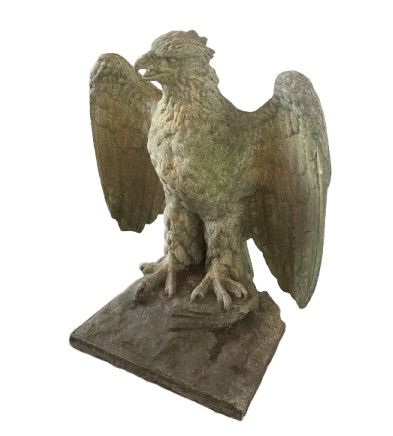
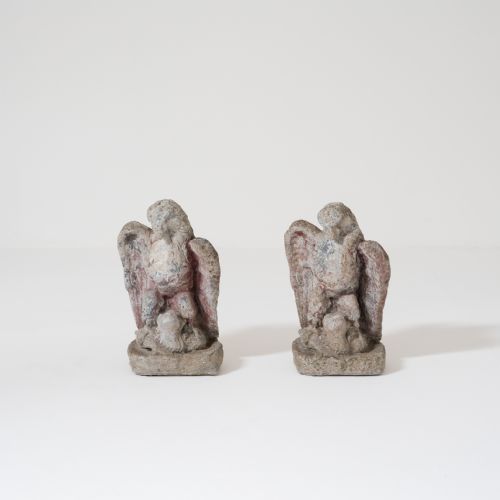
Casting methods allowed workshops to produce detailed pairs of lions, eagles and human figures using durable aggregate mixtures. Carved pieces relied on stonemasonry techniques applied to blocks of marble, granite or limestone.
Stone Garden Statue Retail Price Guide 2026
Typical asking prices for stone garden statue among the pieces listed under this phrase on Sellingantiques today, from the lower quarter to the upper quarter. They describe what is for sale here now, not the wider market.
Materials range from traditional Cornish granite and marble to twentieth-century composite stone and concrete.
What separates examples
Quality rests in the crispness of the initial modeling and the natural depth of the weathering process over time. Hand-carved marble or early limestone pinnacle work demonstrates anatomical precision and structural integrity absent in rougher casts.
The balance of proportions between the figure and its supporting plinth determines the visual success of the piece. Original old paint or honest surface patination enhances the character of composite and cast stone items.
The Stone Garden Statue Glossary
- Reconstituted stone
- A manufactured material made from crushed stone or aggregate mixed with a binder to imitate natural quarried rock. It allowed workshops to cast complex statues and ornaments economically.
- Staddle stone
- A traditional stone support block, commonly made from granite, originally used to elevate granaries above the damp ground. These architectural elements now function as garden ornaments.
- Pier finial
- An architectural ornament placed on top of a gate pier or wall post. Eagles and lions frequently appear in this format.
- Architectural salvage
- Elements rescued from older buildings, churches or demolished estates. Yorkshire limestone Gothic pinnacles ex Beverley Minster represent this category.
Stone Garden Statue: Frequently Asked Questions
How do I choose a stone garden statue?
Consider the scale of your garden and the viewing distance from paths or seating areas. Larger figural works and pairs of lions require adequate negative space to command the setting.
Examine the material type, whether carved marble or cast composite stone, to match the historical character of your property.
Where should I place a garden statue?
Statues work well at the termination of garden vistas, near pool surrounds, or half-concealed among planting. Placing figures on stone plinths elevates them visually and protects the base from damp soil.
Bird baths and smaller cherubs suit intimate courtyard corners, while massive animal guardians frame driveway entrances.
How do I care for stone statues outdoors?
Allow natural weathering processes to develop the surface patina over decades without aggressive scrubbing. Gentle washing with water removes excessive organic growth while preserving lichens and mosses that add character.
Protect vulnerable composite pieces from severe frost expansion where drainage is poor.
How can I tell the age of a stone statue?
Examine the surface texture, tool marks and the integration of the aggregate within the stone or composite material. Twentieth-century cast pieces often display different casting seams compared to nineteenth-century or earlier carved works.
Weathering patterns, original paint remnants and style indicators such as neoclassical drapery help narrow the period.