




Antique Stone Sculpture
These pieces range from ancient temple fragments to grand neoclassical garden figures, offering tactile presence and historical depth to any room or terrace.

Antique Stone Sculpture
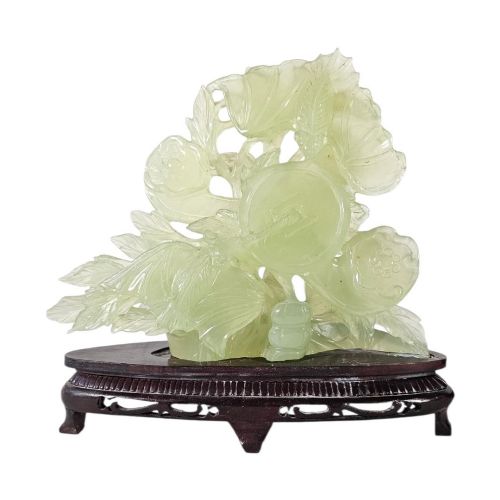
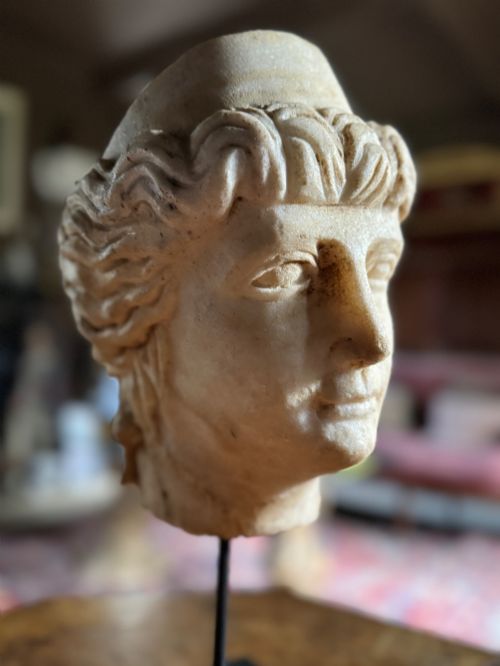
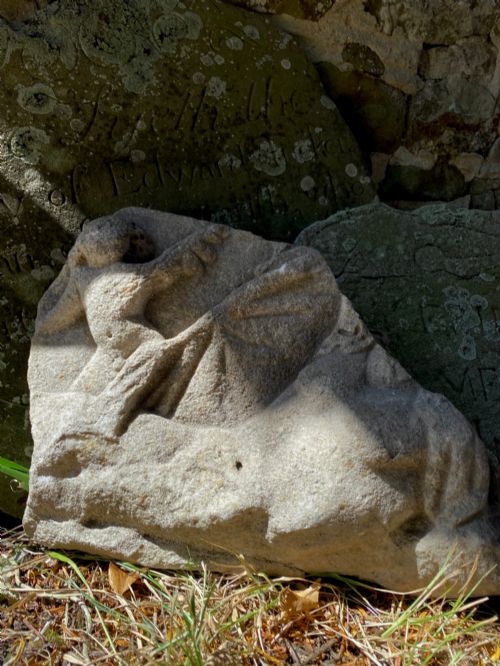
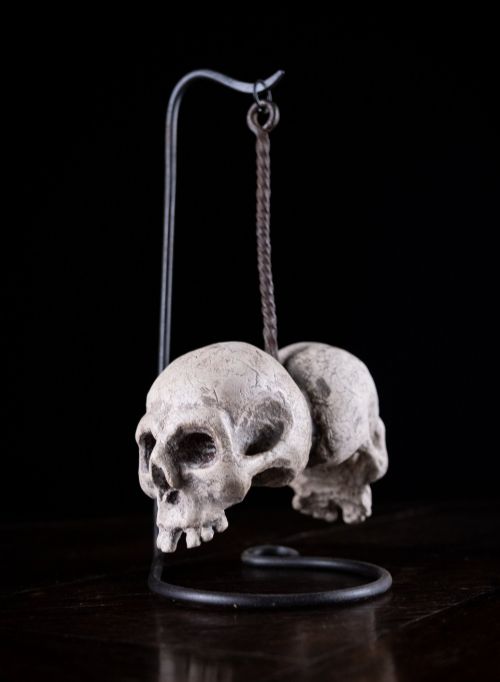
When you search for antique stone sculpture, you encounter a diverse gathering of carved figures, architectural fragments, and garden ornaments spanning centuries. The selection on this page leans heavily toward nineteenth-century works, alongside pre-sixteenth-century medieval and Asian artefacts.
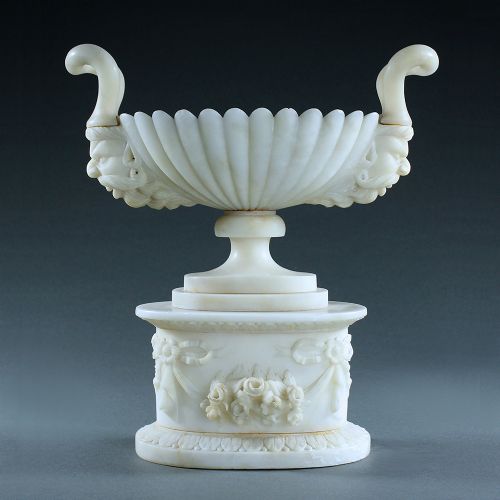
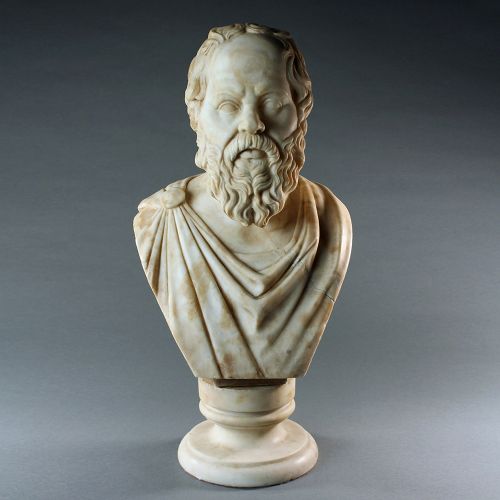
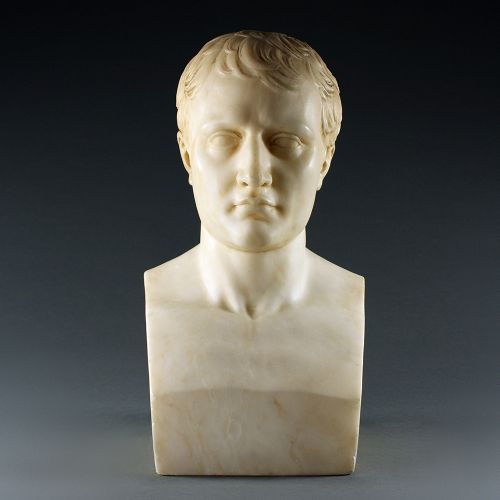
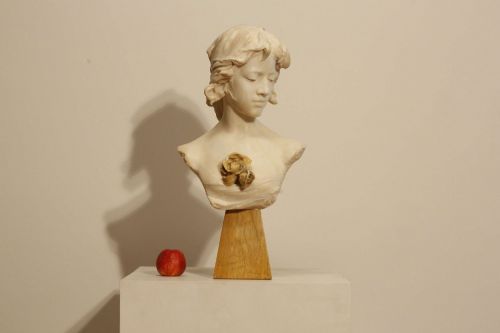
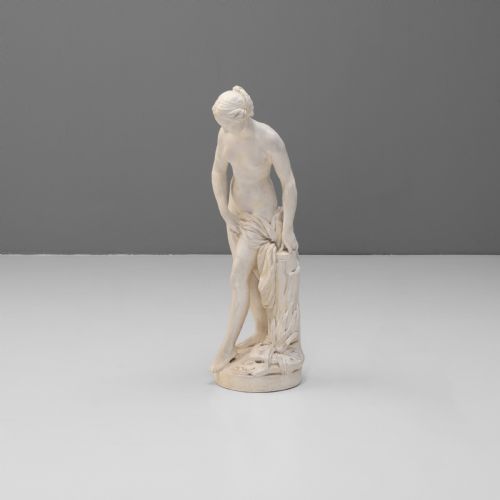
The forms vary widely from monumental Carrara marble busts and Grand Tour mythological figures to limestone corbels, staddlestones, and composite stone garden animals. Whether originating from an Italian workshop or an English garden, each piece reflects the specific aesthetic of its period.
Materials and construction
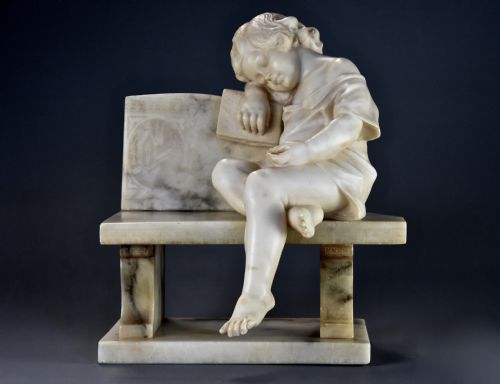
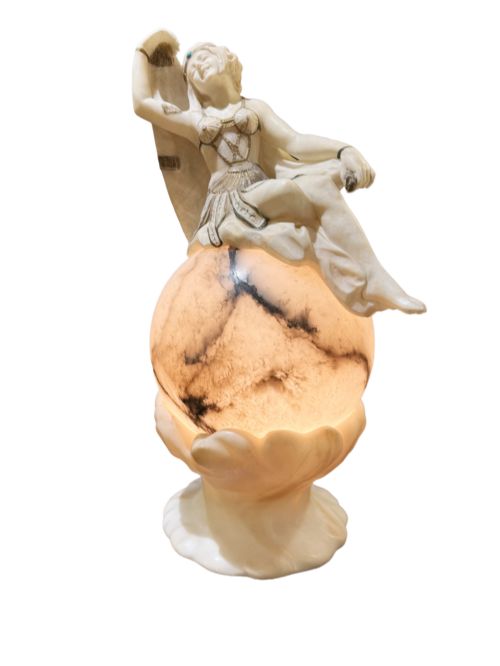
Makers utilised various stones, predominantly employing marbles such as Carrara, verdo prato, Portasanta, and serpentine, alongside softer alabaster and dense limestone. Hand chiselling and turning predominated in earlier and classical works, shaping the material with precision.
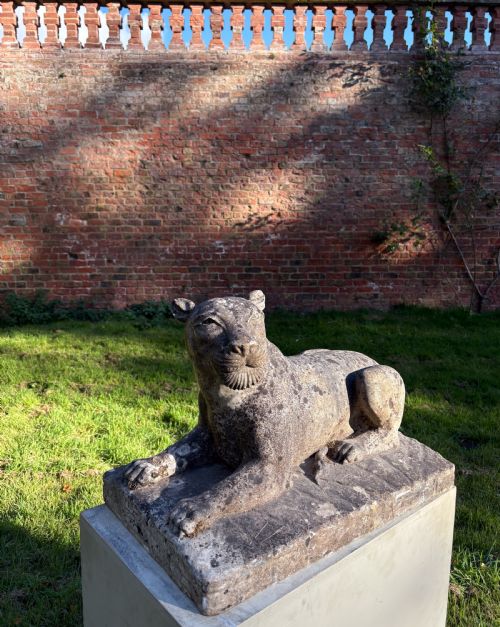
Later outdoor garden ornaments often utilise cast stone, reconstituted stone, or composite stone poured into moulds, occasionally retaining traces of original paint. This variation in medium dictates both indoor refinement and weather-resisting exterior durability.
Antique Stone Sculpture Retail Price Guide 2026
Typical asking prices for stone sculpture among the pieces listed under this phrase on Sellingantiques today, from the lower quarter to the upper quarter. They describe what is for sale here now, not the wider market.
Several stone lions on this page stand ready to guard your hallway, fortunately without needing feeding.
Distinctions in quality
Quality rests in the subtlety of the hand carving, where anatomical accuracy, drapery movement, and facial expression reveal the sculptor's capability. Finer works display crisp detailing in the hair and eyes, whereas lesser pieces show softer, more generalised execution.
The choice of material similarly dictates worth, with flawless veined marbles or ancient limestone fragments commanding greater attention than later composite mixtures. Signatures from documented makers or studios elevate an item beyond anonymous decorative production.
Barranti Florence·Hamo Thornycroft·Eugene Aizelin·Auguste Henri Carli·Raffaelo Monti
The Antique Stone Sculpture Glossary
- Carrara marble
- A type of white or blue-grey marble from the city of Carrara in Tuscany, Italy, widely utilised for classical sculpture.
- Grand Tour
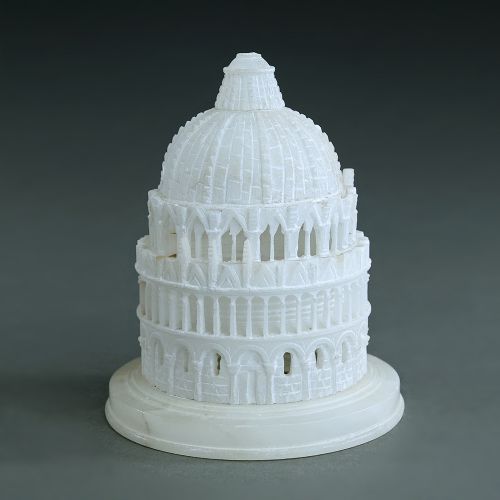
- A nineteenth-century tradition where wealthy travellers collected small-scale marble or serpentine replicas of ancient monuments and sculptures.
- Corbel
- A structural piece of stone jutting from a wall to carry a superincumbent weight, often carved into figurative or architectural shapes.
- Alabaster
- A fine-grained, translucent stone used extensively for indoor busts and sculptural figures due to its ease of carving.
- Staddlestone
- A mushroom-shaped stone support formerly used to elevate granaries and grain ricks off the ground to protect against damp and vermin.
Antique Stone Sculpture: Frequently Asked Questions
How do I clean an antique marble bust?
Dust gently with a soft, dry cloth to remove surface particles without abrasive friction. Avoid chemical detergents or excessive water, which can penetrate porous stone.
For stubborn grime, consult a professional conservator rather than attempting aggressive scrubbing at home.
Can these garden statues stay outside in winter?
Natural stones like limestone and certain marbles tolerate outdoor exposure, though frost can cause cracking in freezing temperatures. Moving vulnerable pieces indoors during harsh weather prevents moisture damage.
Composite and cast stone ornaments require similar winter protection depending on their specific binder composition.
What is a Grand Tour sculpture?
These are period souvenir pieces purchased by European travellers visiting classical sites in Italy during the eighteenth and nineteenth centuries. They typically replicate famous ancient sculptures in miniature form using marble or serpentine.
Collectors prize them for their historical association and refined miniature craftsmanship.
How do I identify the period of a stone sculpture?
Examine the tool marks left on the underside or back, as hand-chiselled surfaces differ significantly from later machine-assisted production. Tool technology evolved distinctly from medieval times through the Victorian era.
Style, patina, and weathering patterns further help contextualise the age of the material.