

Carved Alabaster Sculpture
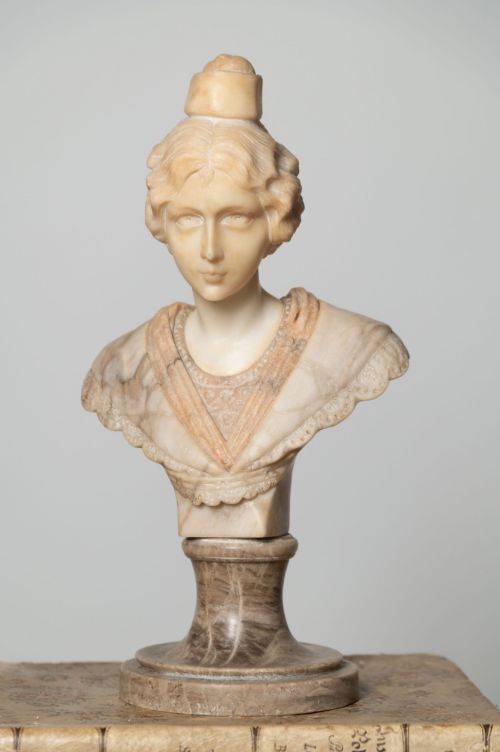
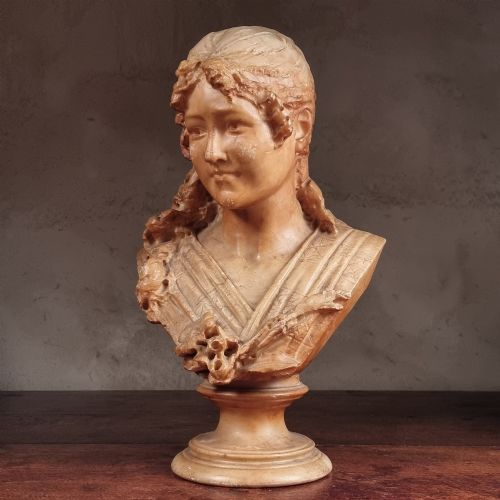
Carved alabaster sculpture brings tactile warmth and intricate detail to interiors, offering collectors classical elegance through portrait busts, mythological figures and Grand Tour subjects.
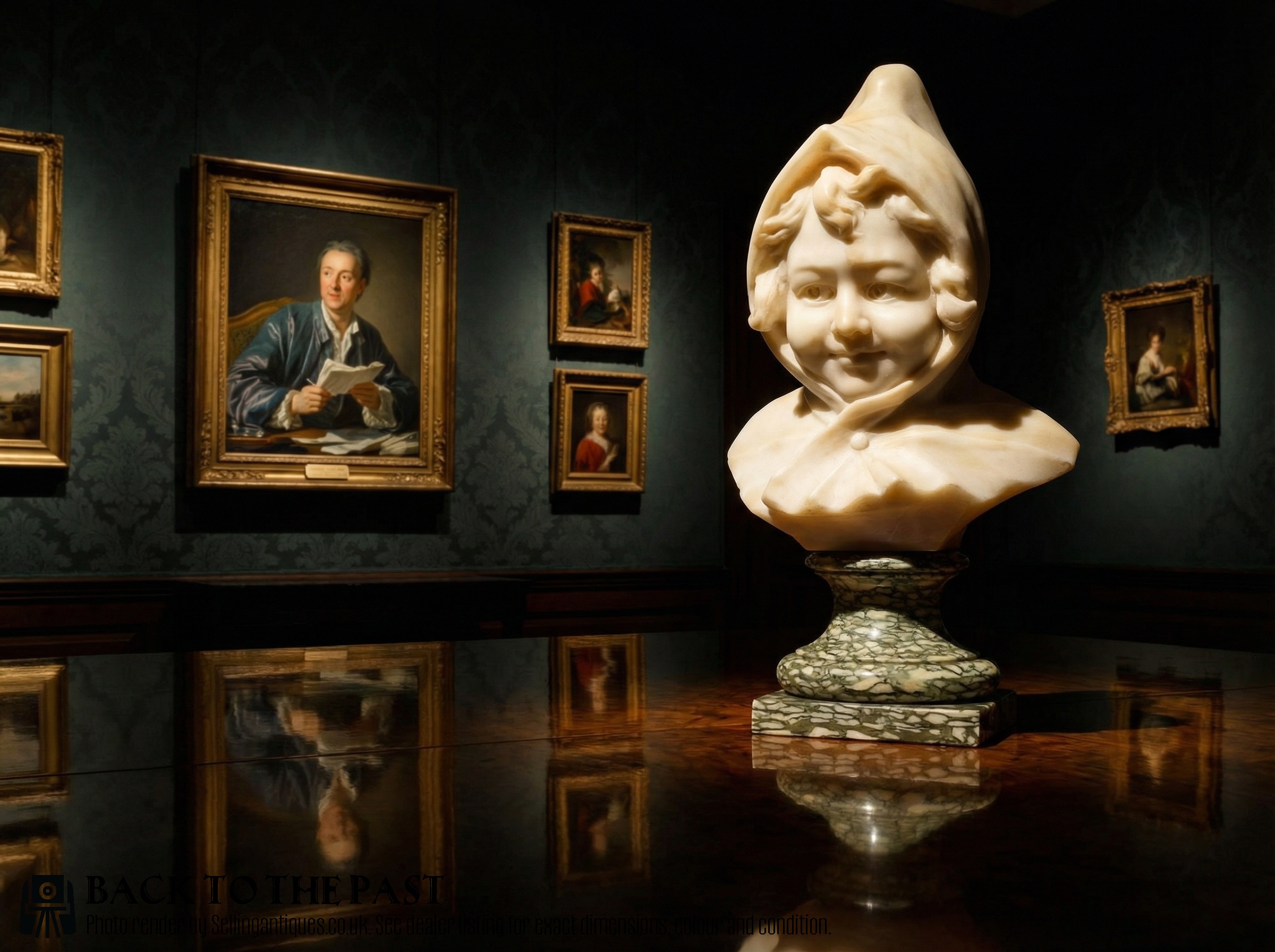
Carved Alabaster Sculpture
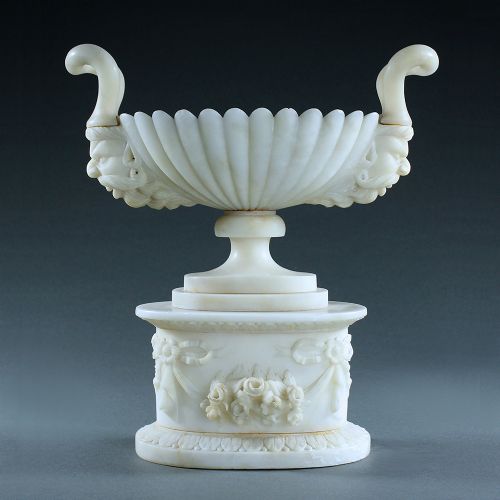
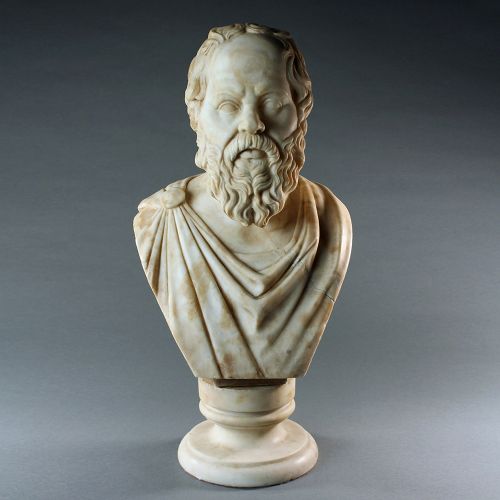
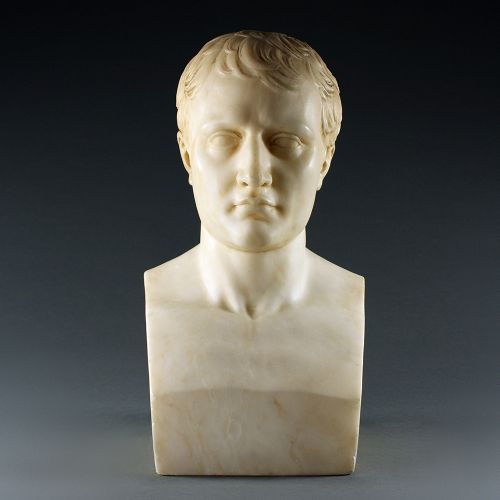
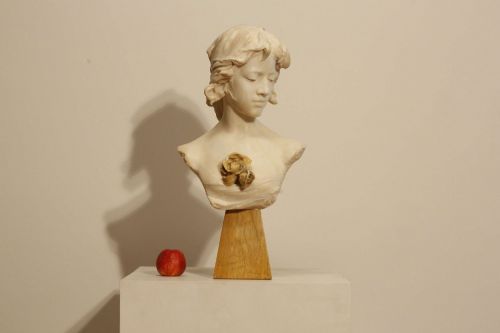
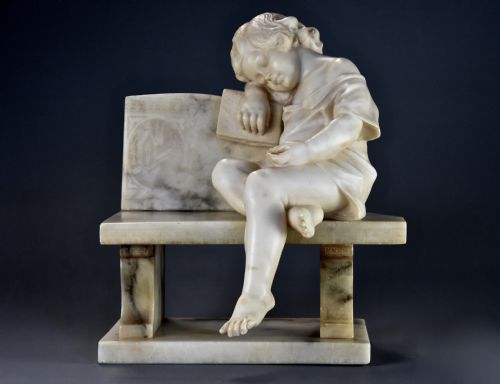
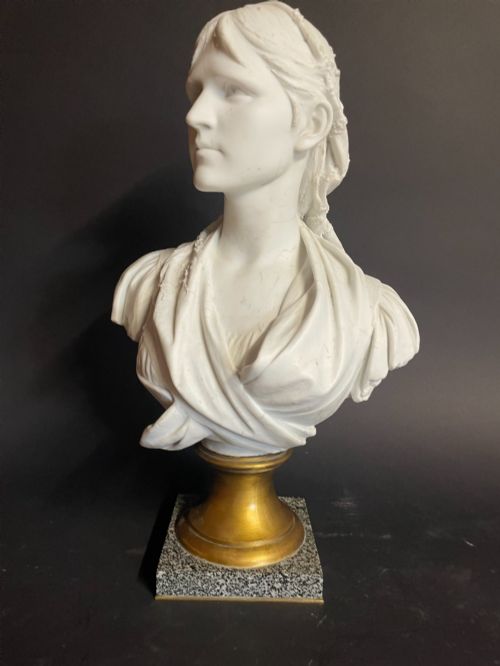
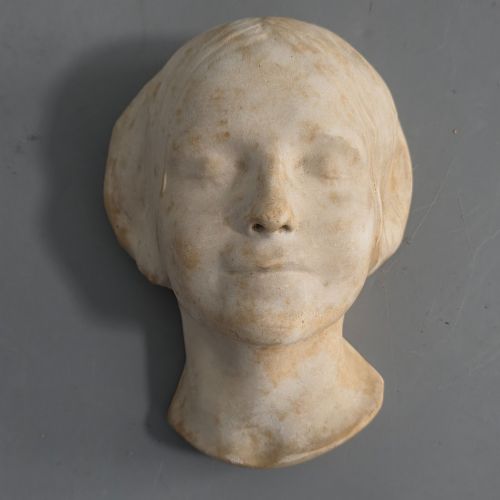
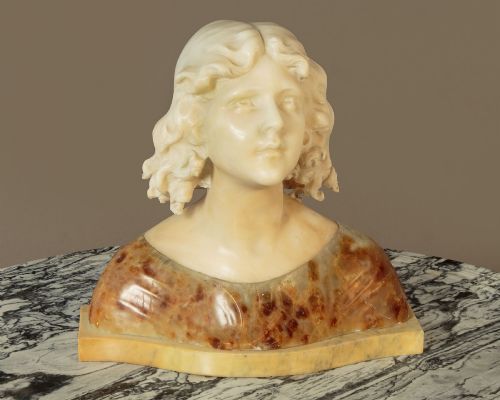
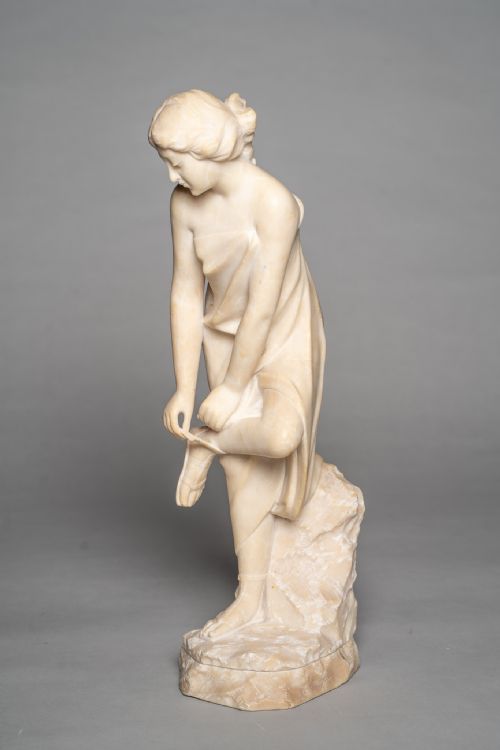
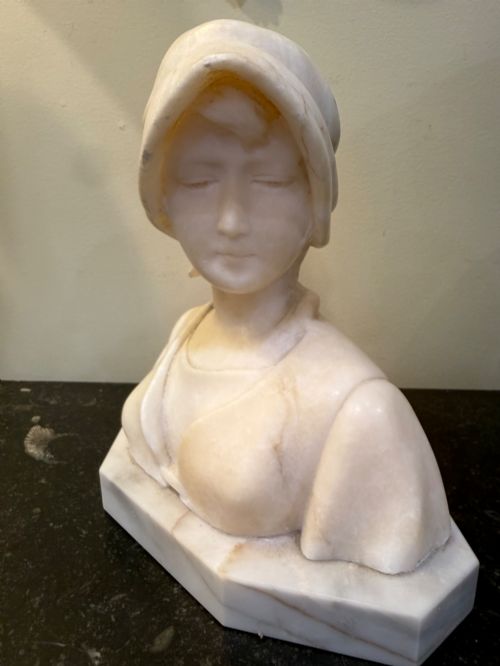
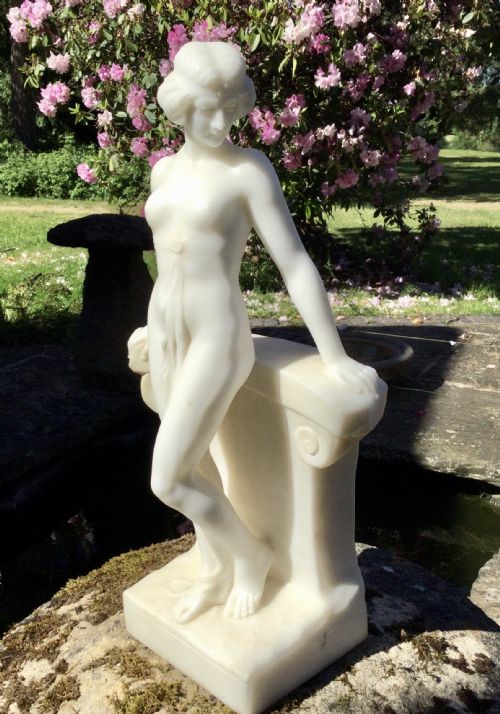
A carved alabaster sculpture encompasses a wide variety of decorative objects, ranging from delicate portrait busts to full figures and relief wall plaques. These pieces draw heavily on classical, Neoclassical, Art Nouveau and Art Deco aesthetics, reflecting the dominant design movements of the nineteenth and early twentieth centuries.
Italian and French workshops produced the majority of these works, creating everything from small souvenir figures to large cabinet pieces. Collectors frequently encounter representations of mythological deities, literary characters and romanticized female figures originating from this prolific period of European sculpture.
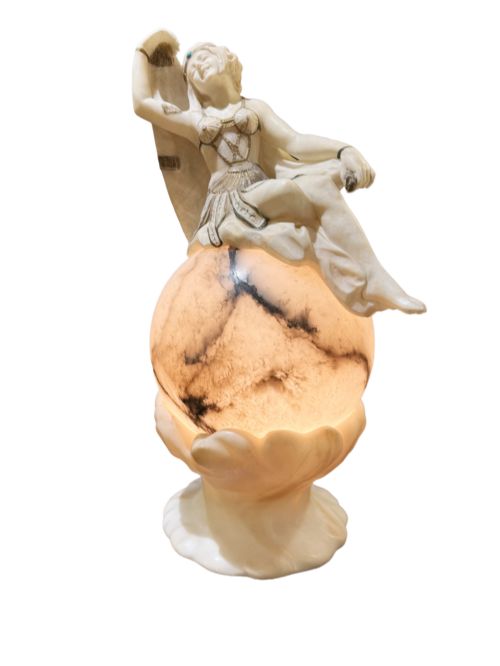
The inventory on this page also includes practical items like plant stands with stone tops, alongside animal studies and architectural models. Such diversity means buyers can find works suited to both formal room settings and specialised decorative displays.
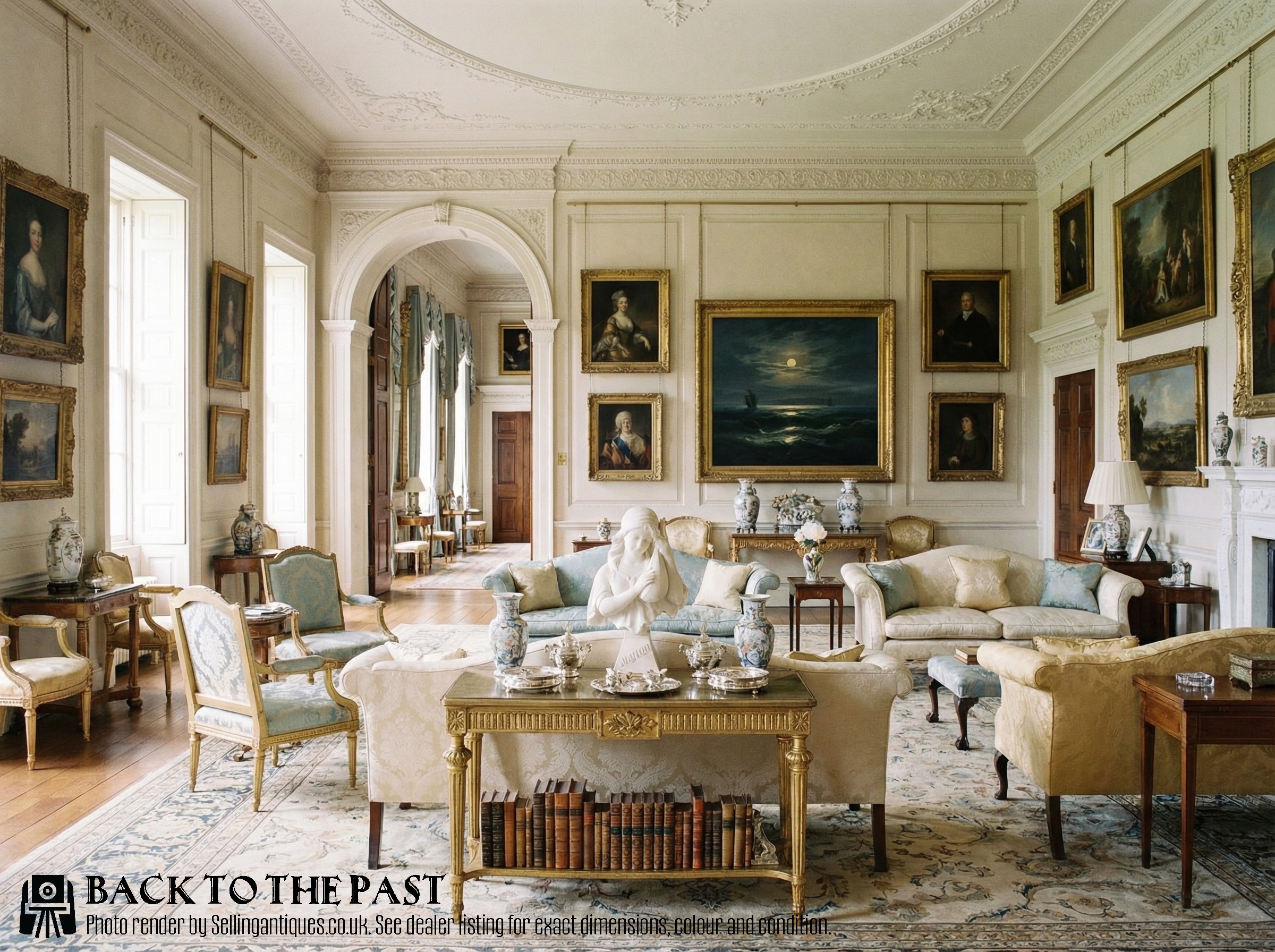
How They Were Made
Craftsmen utilised the soft, workable nature of gypsum and calcite alabaster, often complemented by white or veined marble bases, bronze mounts and occasional glass elements. This softness allowed sculptors to achieve fine facial expressions, draped garments and intricate hair details that harder stones resisted.
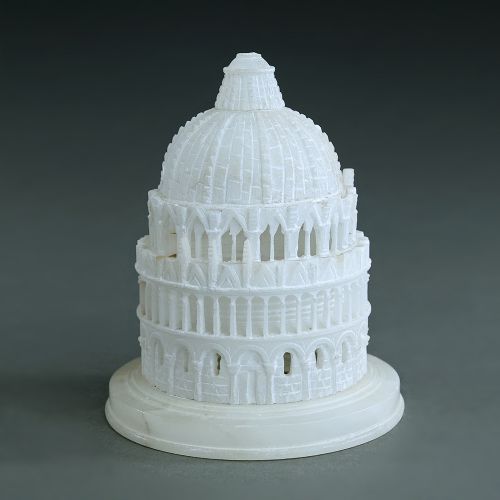
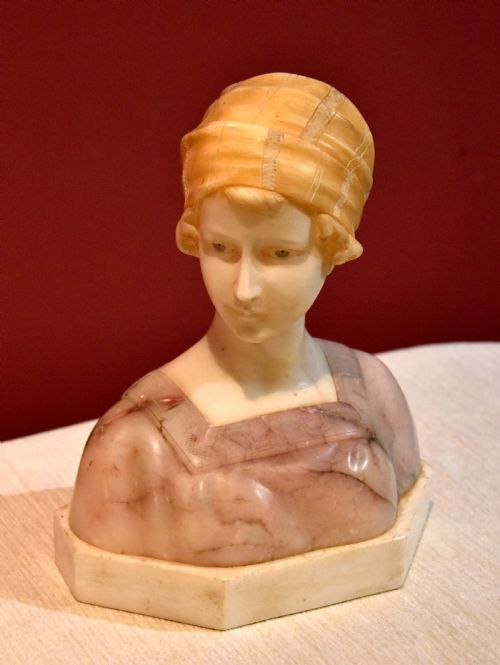
Many Italian and French pieces combined standard carving methods with polychrome or two-tone treatments to emphasise texture and depth within the drapery and hair. Workshops also produced Grand Tour souvenirs by reducing famous antique monuments into manageable cabinet-sized ornamental objects.
Carved Alabaster Sculpture Retail Price Guide 2026
Typical asking prices for carved alabaster sculpture among the pieces listed under this phrase on Sellingantiques today, from the lower quarter to the upper quarter. They describe what is for sale here now, not the wider market.
Listings span the nineteenth and twentieth centuries, featuring Neoclassical, Art Nouveau and Art Deco movements across busts, full figures and plant stands.
What Varies in Quality
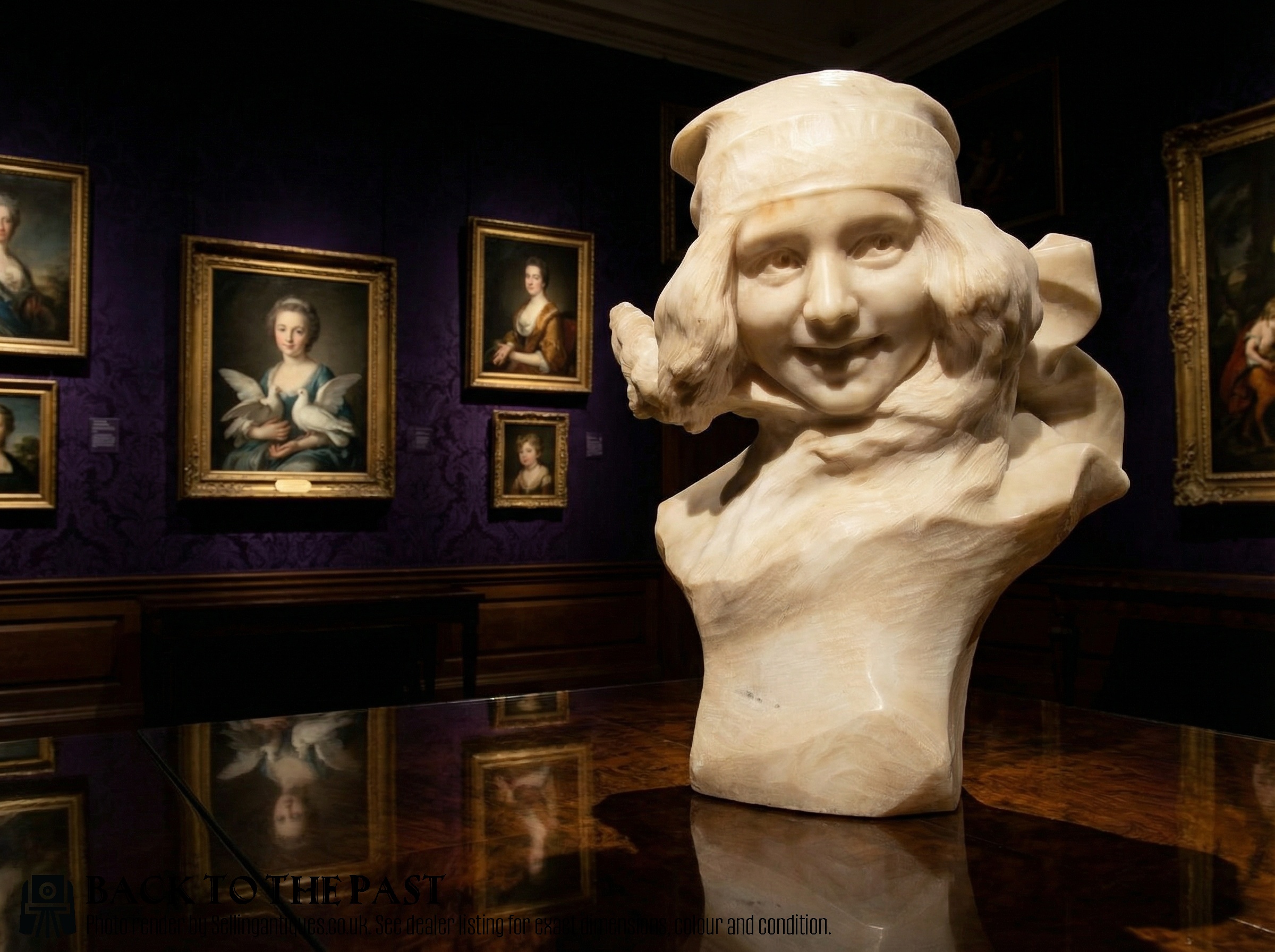
Materials themselves show considerable variance, moving from plain translucent stone to richly veined two-tone alabaster paired with contrasting marble plinths. Signed works by recognised sculptors command greater interest due to the documented artistry embedded in the cutting and finishing stages.
A.Gamay·Auguste Henri Carli·Bright And Sons·Fritz Kochendorfer·Mieczyslaw Leon Zawiejski·Antonio Frilli·Pugi·A.Saccardi·Gugielmo Pugi·G.V.Vaerenbergh·Morin·Pittaluga·Pozzi·Aug Moreau
The Carved Alabaster Sculpture Glossary
- Alabaster
- A fine-grained, translucent stone favoured by sculptors for its softness and ability to mimic the appearance of human skin. It ranges in colour from pure white to warm honey and grey tones.
- Grand Tour
- A traditional trip through Europe undertaken by upper-class young men in the eighteenth and nineteenth centuries, which generated a massive demand for miniature souvenir sculptures of classical antiquities.
- Relief
- A sculptural technique where figures project from a flat background plane, creating a partial three-dimensional effect commonly seen in wall plaques and commemorative panels.
- Spinario
- A famous Hellenistic bronze sculpture depicting a boy pulling a thorn from his foot, frequently reproduced as a popular subject for nineteenth-century carved stone reductions.
- Patination
- The natural ageing or applied surface treatment on stone and associated metals that enhances depth and visual character over decades of handling.
Carved Alabaster Sculpture: Frequently Asked Questions
How do I clean alabaster sculpture?
Alabaster is water-soluble and relatively soft, meaning moisture can permanently damage the polished surface and dissolve fine details.
Dust gently with a dry, soft microfibre cloth and avoid all liquid cleaners or chemical polishes.
What is the difference between alabaster and marble?
Alabaster is a softer stone composed of gypsum or calcite that possesses a natural translucency allowing light to penetrate beneath the surface.
Marble is a metamorphic rock that is significantly harder, less translucent, and capable of taking a higher, more durable shine.
Why are so many pieces signed by Italian artists?
Volterra and Florence served as the historic centres of alabaster carving, where skilled artisans produced prolific quantities of portrait busts and classical figures for the export market.
Many of these workshops employed master sculptors whose signatures were etched directly into the stone or incorporated into the cast bases.
What does Grand Tour mean for these sculptures?
The term denotes period souvenir copies of famous Roman and Greek antiquities that travellers purchased during their European educational journeys.
These reductions allowed collectors to bring museum-scale masterpieces into domestic libraries and drawing rooms.