
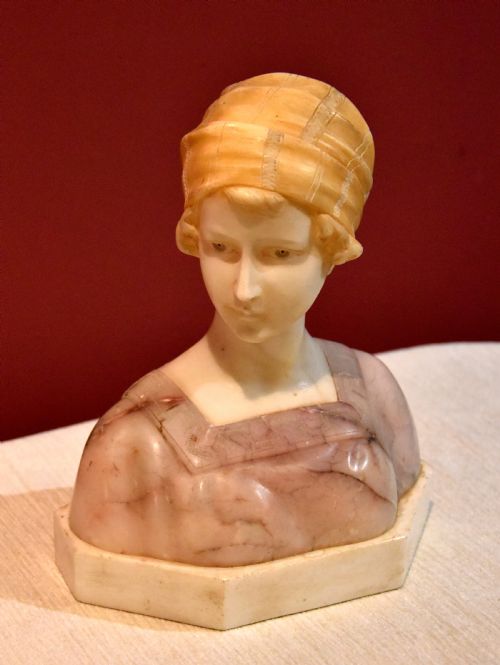
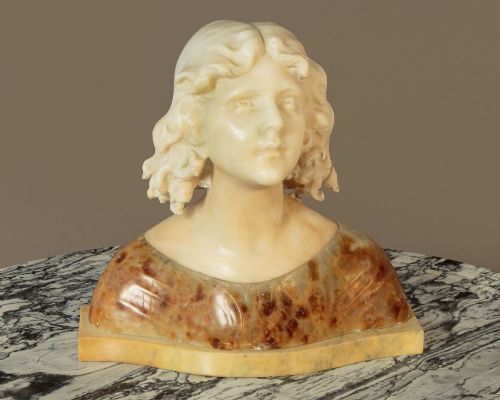


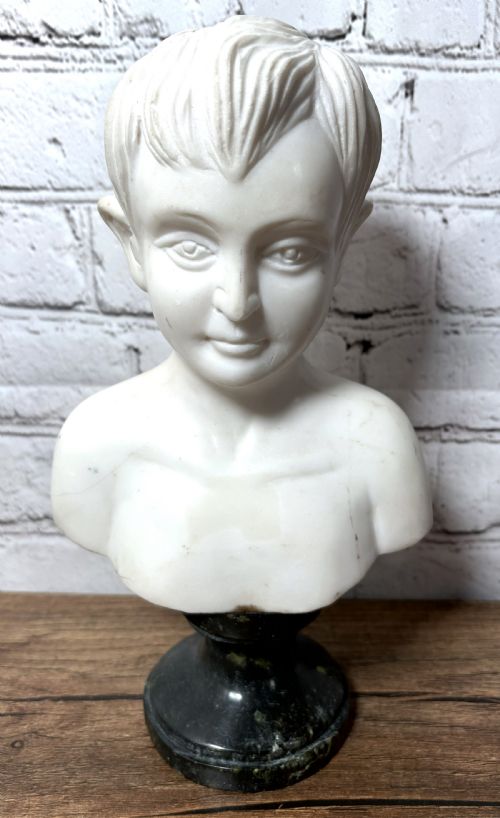


White Alabaster Bust
A white alabaster bust brings sculptural presence to a room, offering tactile warmth and classic form through carved stone.
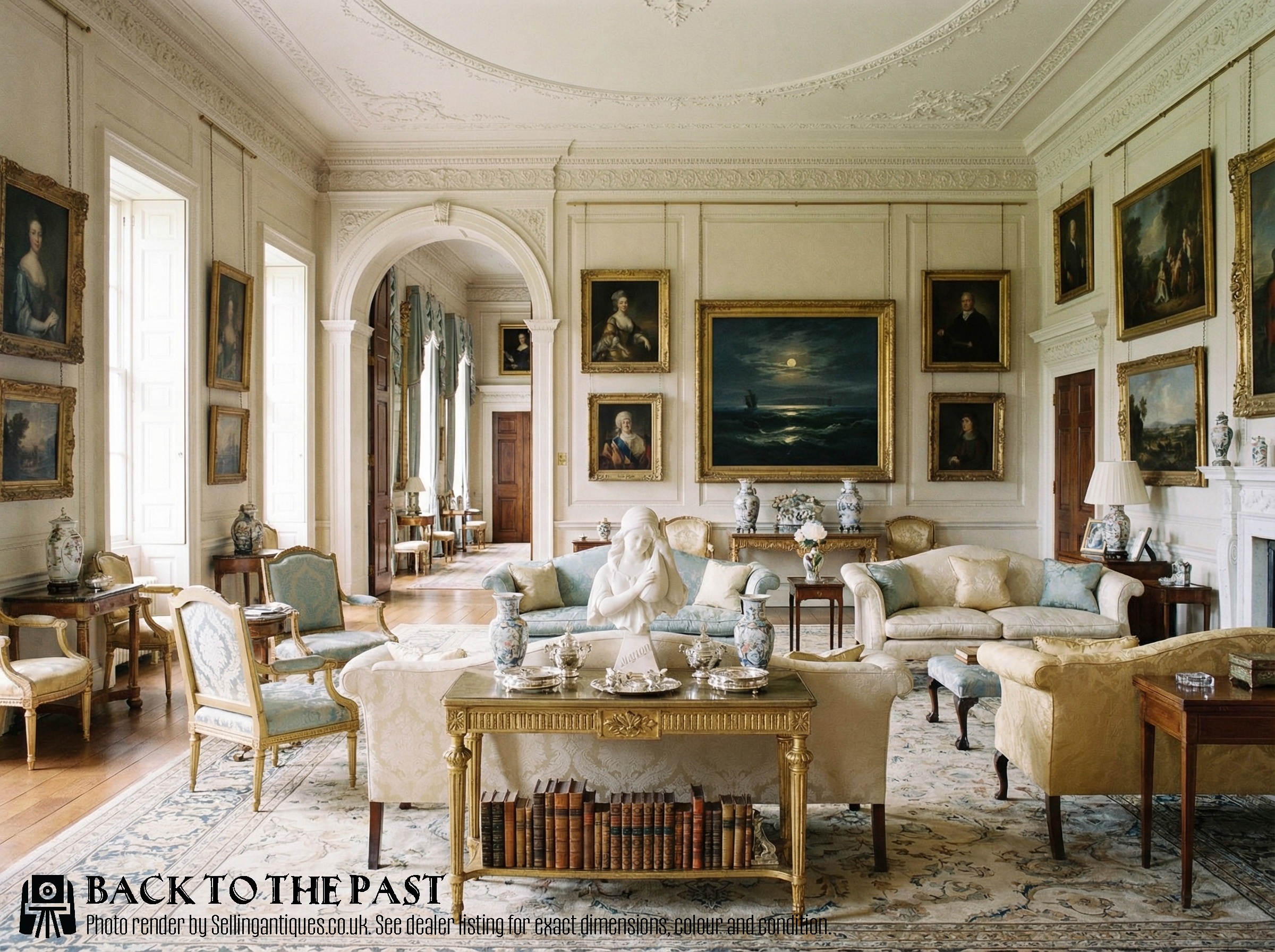
Identifying white alabaster bust examples
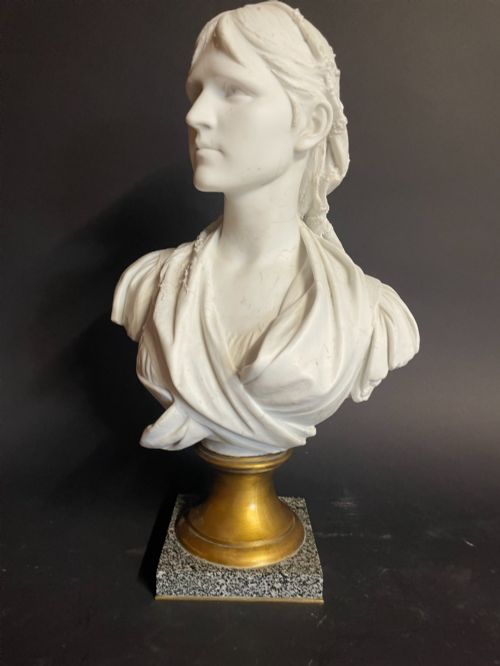
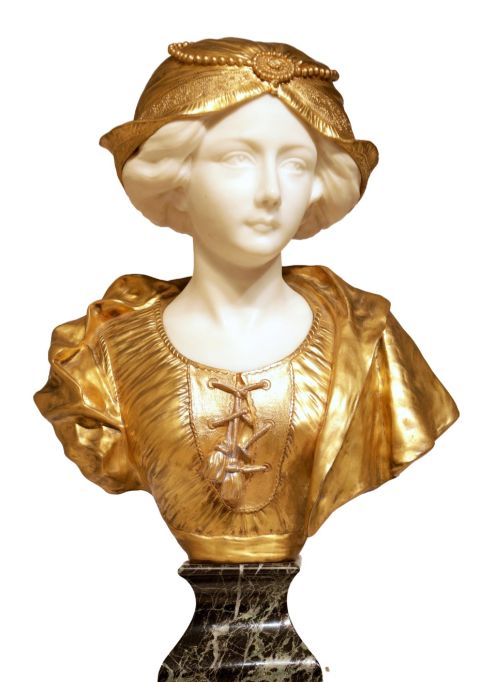
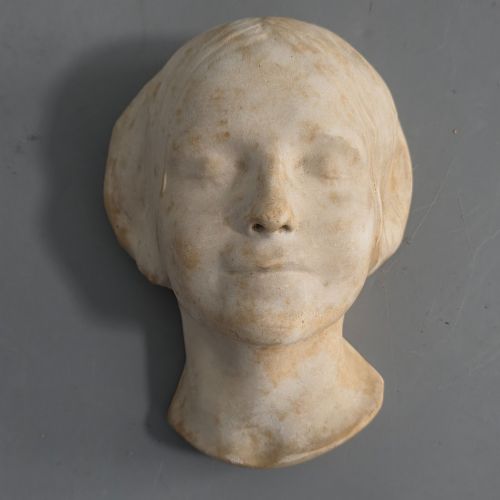
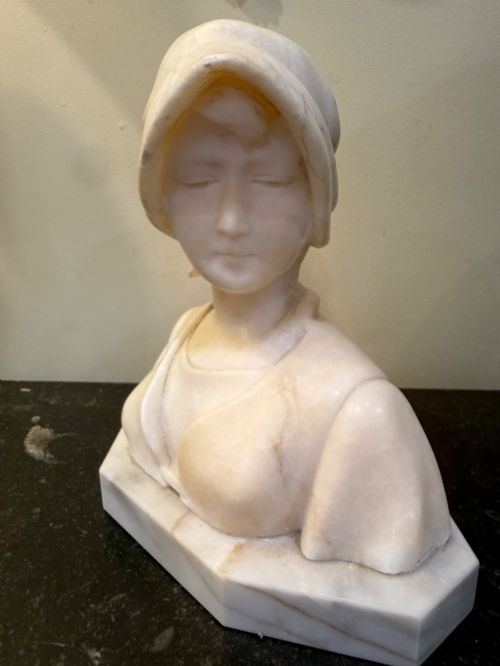
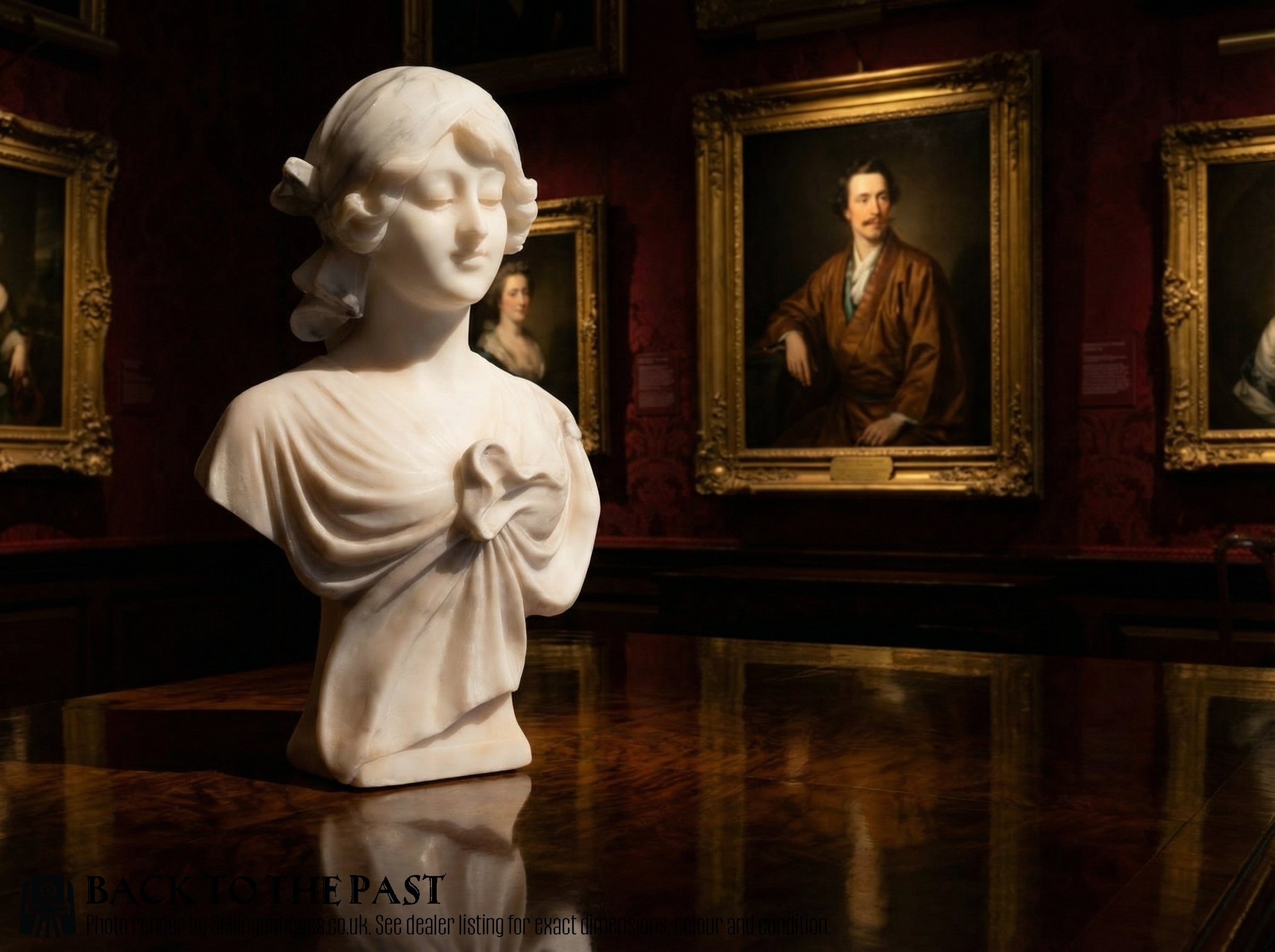
A white alabaster bust represents female figures, young girls, and classical subjects carved from soft stone, appearing in periods from the nineteenth century through to the early decades of the twentieth century.
The selections on this page span French neoclassical, Art Nouveau, and Arts and Crafts styles, showing both intimate desk-sized pieces and larger sculptural works.
Makers include signed pieces by artists such as R. Lusili, Greuze, and A. Cipriani, alongside unsigned works dating across the nineteenth century, nineteen hundred, nineteen ten, and nineteen twenty.
Materials and construction
Artists utilise the translucent qualities of alabaster to catch the light, creating soft tonal variations across the surface of each sculpture.
Retail Price Guide 2026
Typical UK retail prices for white alabaster bust, calculated from the Sellingantiques database of over a million retail prices indexed since 2003. This retail price guide relies exclusively on Sellingantiques data; no external sources or auction records are used, so the figures do not describe the wider market.
Listings feature works spanning the nineteenth century, nineteen hundred, nineteen ten, and nineteen twenty, utilising alabaster, marble, and stone.
Distinguishing quality
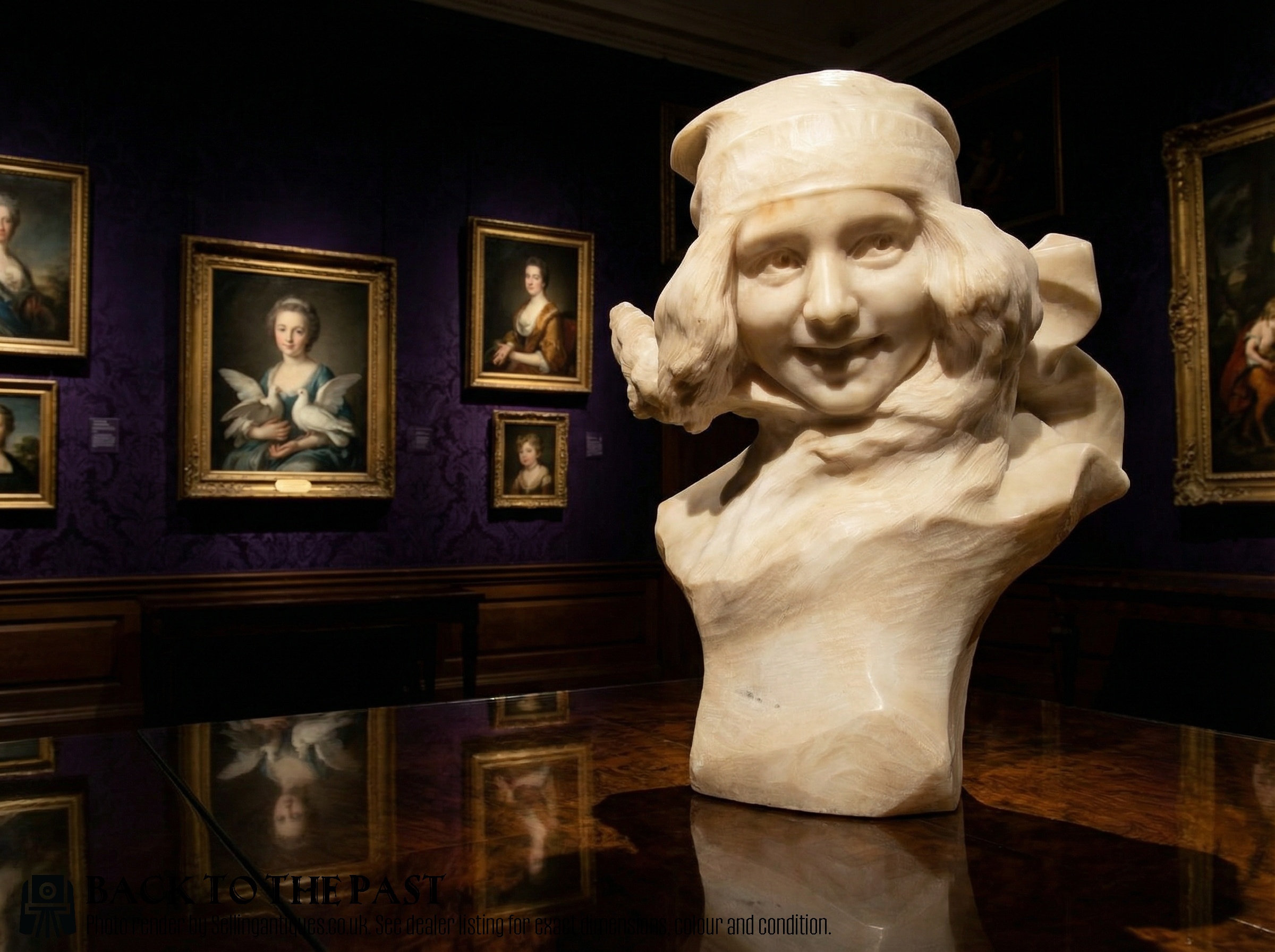
Quality rests upon the sensitivity of the carving, where depth in the facial expression and natural drape of the clothing separate superior pieces from simpler ones.
Signed works by named sculptors carry greater distinction, showing a refined mastery over the stone that brings a lifelike presence to the subject.
The White Alabaster Bust Glossary
- Alabaster
- A soft, fine-grained stone that allows light to penetrate slightly below the surface, making it popular for detailed portrait sculpture.
- Bust
- A sculpted representation of a person from the chest up, capturing the shoulders, neck, and head.
- Neoclassical
- A style drawing inspiration from the classical art and culture of ancient Greece and Rome, evident in French nineteenth-century works.
- Art Nouveau
- An international style of art and architecture characterised by intricate linear designs and flowing organic motifs, visible in pieces from nineteen hundred and nineteen ten.
Frequently Asked Questions
How do I clean alabaster?
Alabaster is a soft and water-soluble stone that requires dry dusting with a soft brush.
Avoid using liquids, damp cloths, or chemical cleaners, as moisture permanently damages the porous surface.
Where should I place a bust?
These sculptures suit sturdy mantelpieces, pedestals, or tabletops where adequate light highlights the carved details.
Keep pieces away from direct heat sources and humid environments to protect the integrity of the stone.
How do I date a piece?
Dating relies on stylistic clues, costume details, and signatures linking the sculpture to periods like the nineteenth century or the nineteen twenties.
Art Nouveau and Arts and Crafts influences help narrow the creation window to specific decades.
Are all busts signed?
Many fine sculptures carry signatures or inscriptions left by the original carver on the base or shoulder.
Unsigned works also appear frequently, reflecting the broader output of period workshops and anonymous artisans.