

Carved Stone Portrait
These carved stone portrait pieces capture likenesses in marble and alabaster, offering collectors striking sculptural presence.
What carved stone portrait pieces are
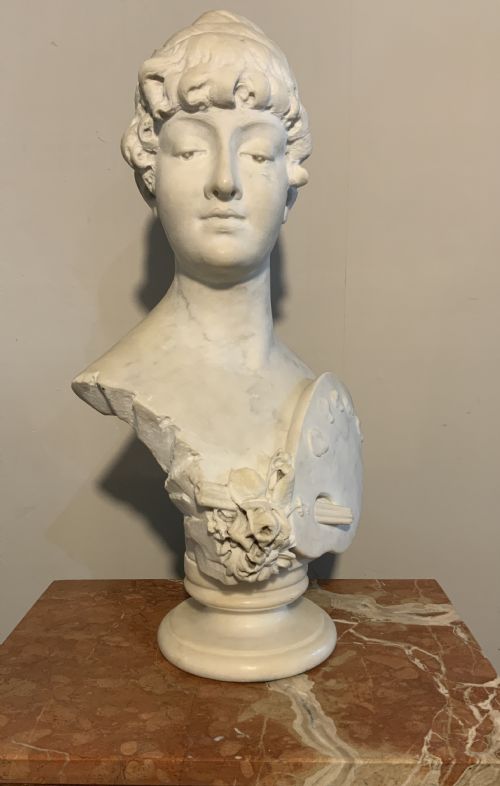
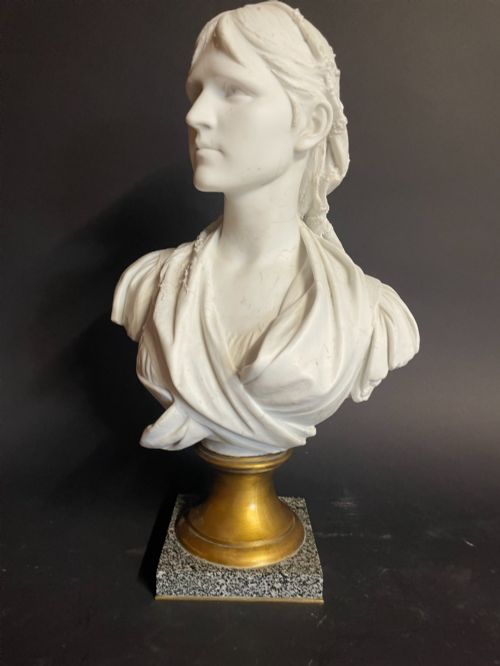
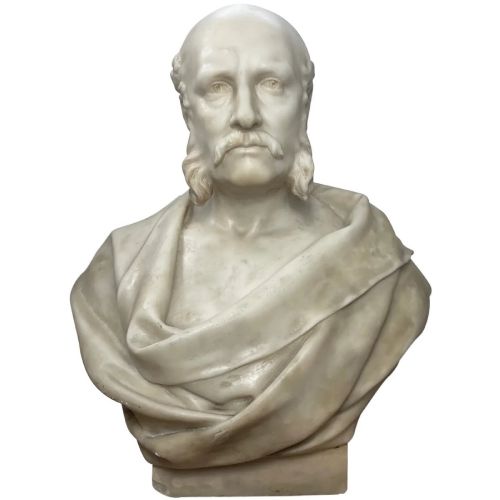
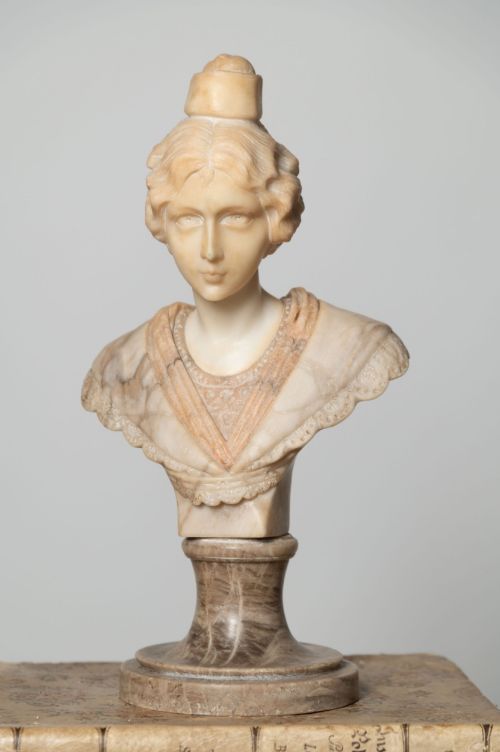
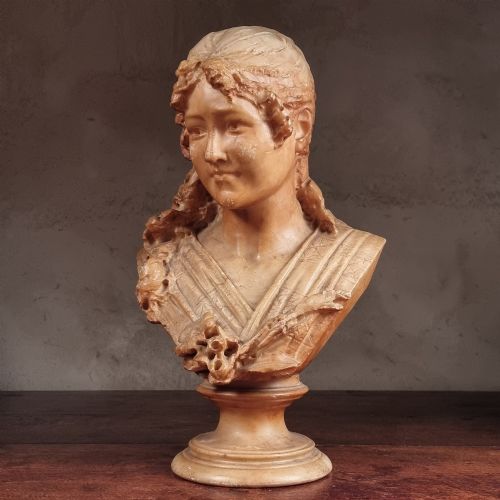
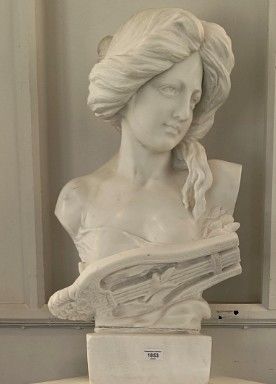
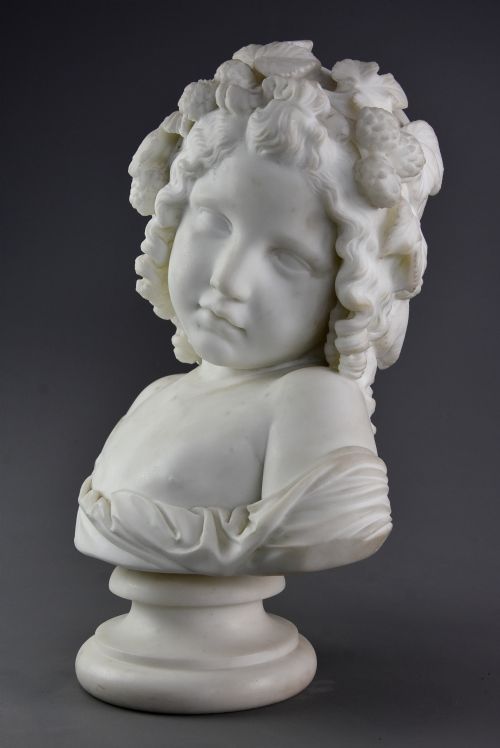
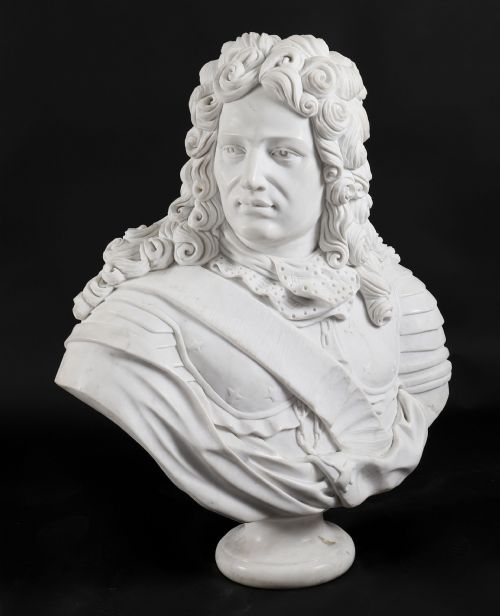
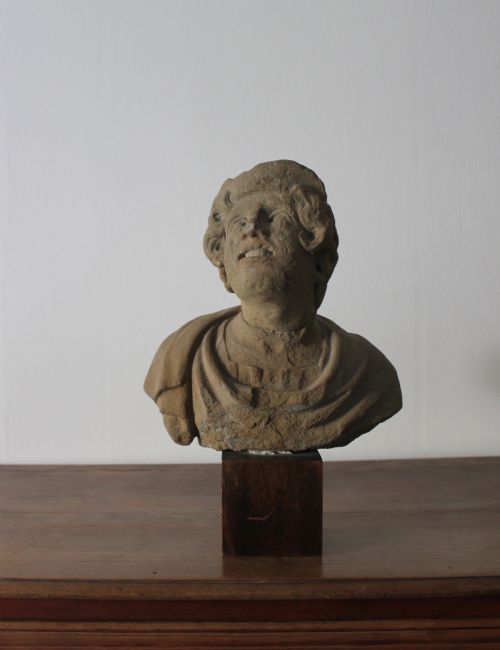
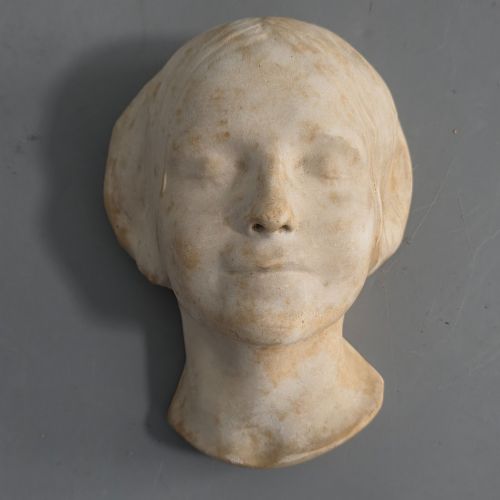
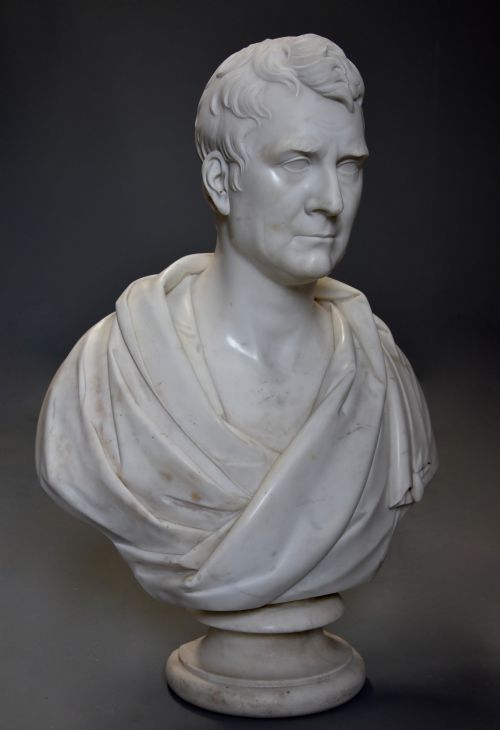
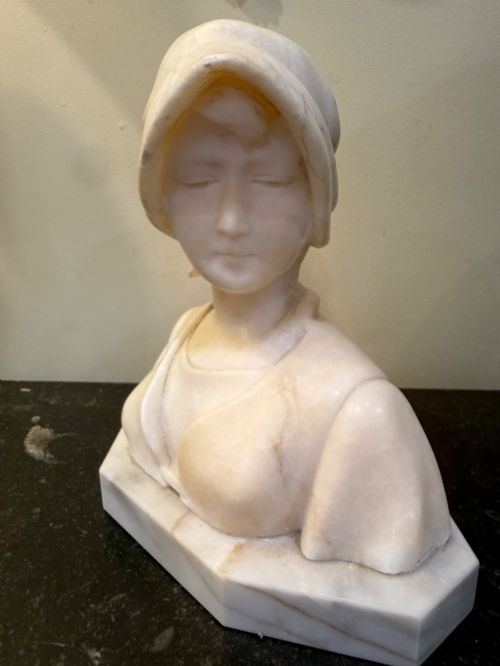
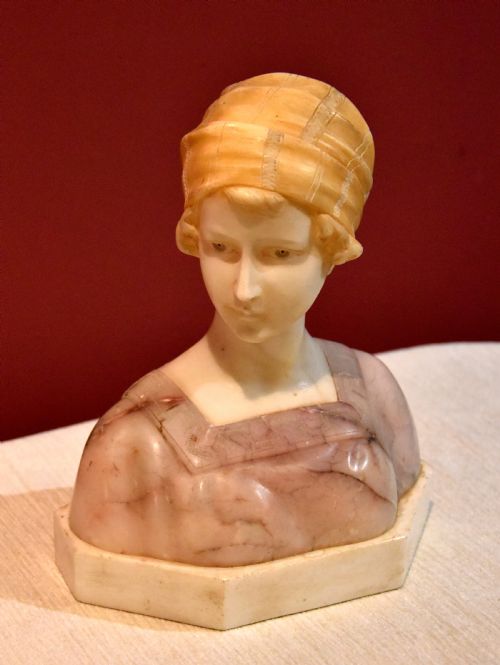
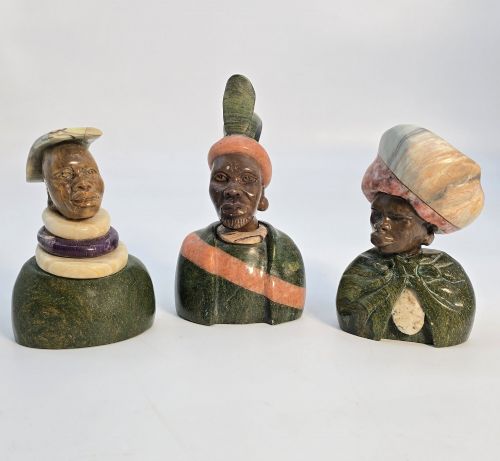
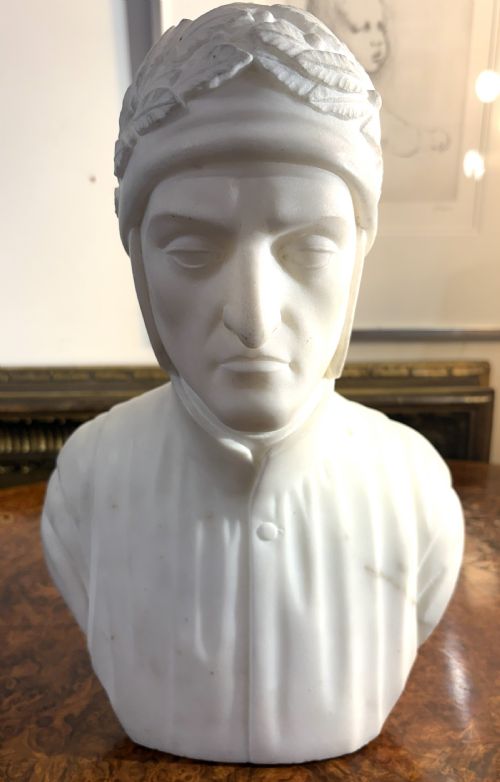
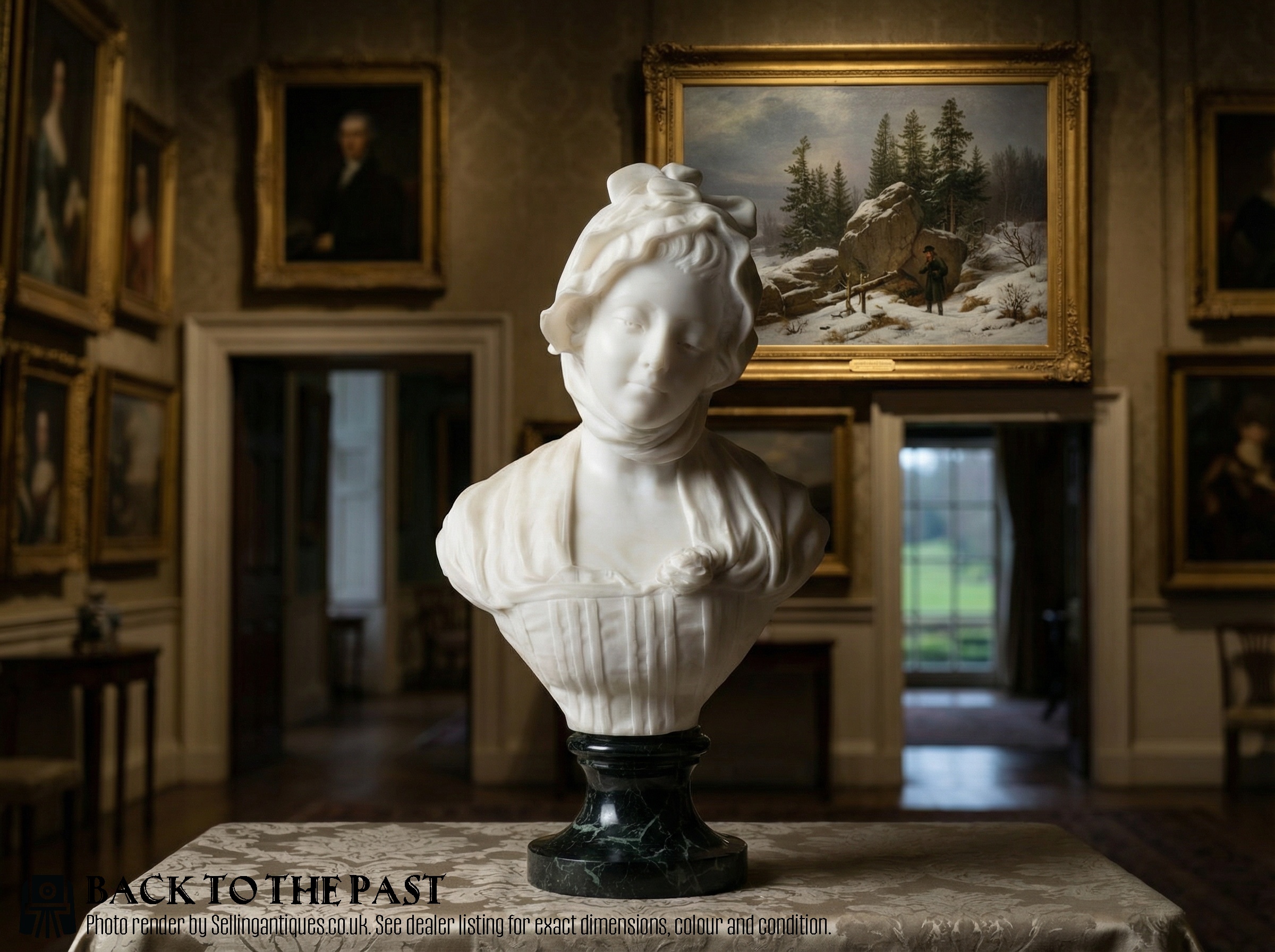
A carved stone portrait represents a sculpted likeness in materials such as white marble, Carrara marble, and alabaster. These works typically take the form of portrait busts and sculptural figures depicting gentlemen, noblemen, young girls, and civic figures.
The pieces on this page span the nineteenth century, the Victorian era, the Edwardian period, and the mid-twentieth century. Styles range from Neoclassical and Baroque Revival to French Neoclassical interpretations.
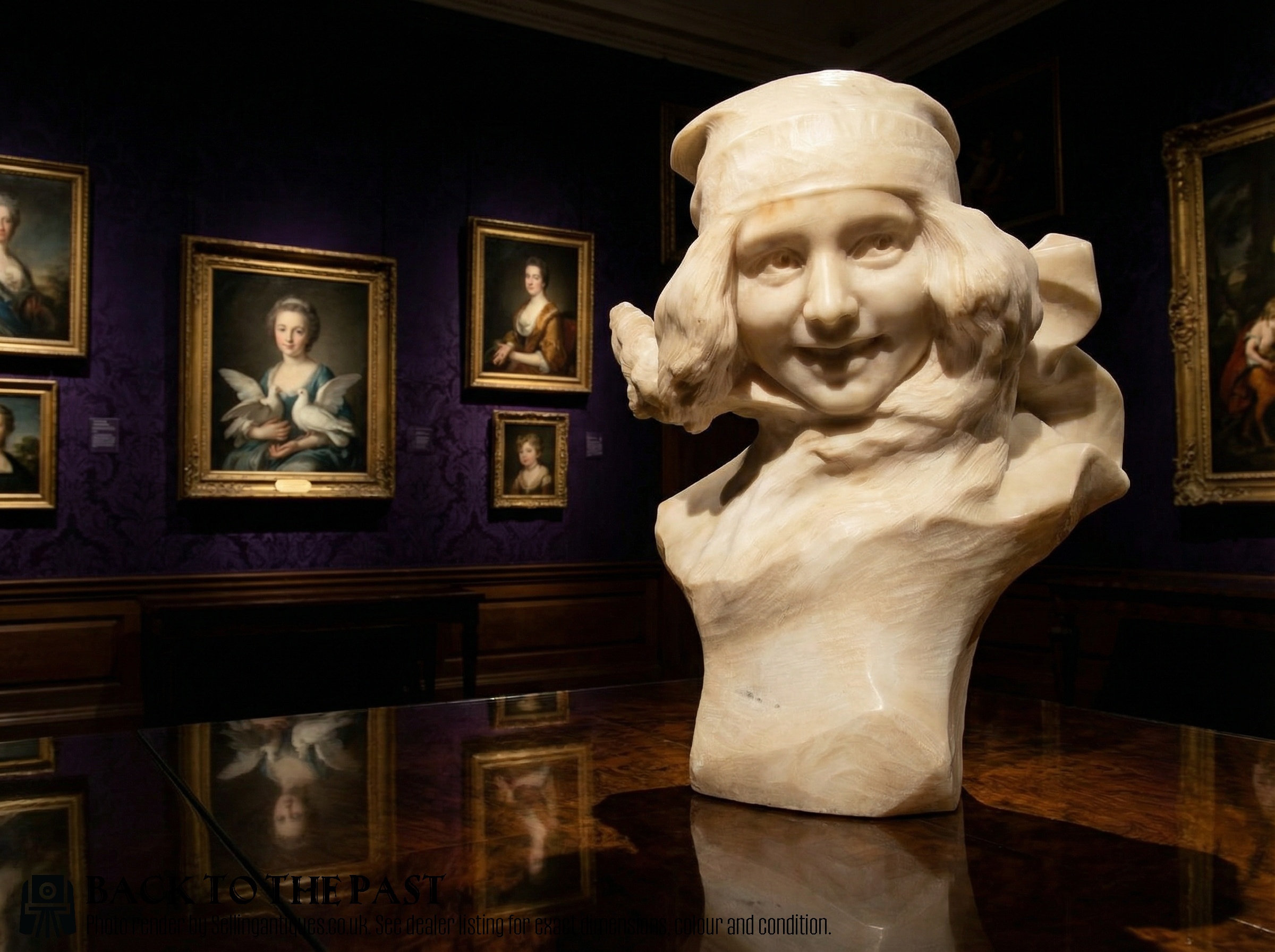
How they were made
Surfaces were often smoothed and polished to varying degrees to highlight the natural qualities of the stone. Some sculptures include carved signatures, indicating the hand of a named maker or workshop.
Retail Price Guide 2026
Typical UK retail prices for carved stone portrait, calculated from the Sellingantiques database of over a million retail prices indexed since 2003. This retail price guide relies exclusively on Sellingantiques data; no external sources or auction records are used, so the figures do not describe the wider market.
At least one nobleman in this collection steadfastly wears his armour indoors.
What varies in quality
The mastery of facial expression and anatomical proportion sets the finer pieces apart from simpler works. Superior carving reveals subtle transitions in musculature, hair texture, and fabric folds that bring the stone to life.
The choice of material also influences the character of the object, as uniform Carrara marble differs significantly in translucency and grain from banded or softer alabaster. Finer sculptures display a confident handling of form that elevates a standard likeness into a compelling study of character.
The Carved Stone Portrait Glossary
- Portrait bust
- A sculptural representation of a person's head, shoulders, and upper chest. This traditional format focuses attention entirely on the facial expression and character of the sitter.
- Carrara marble
- A type of white or blue-grey marble quarried in the city of Carrara in Tuscany, Italy. It has been favoured by sculptors since classical antiquity for its fine and uniform grain.
- Alabaster
- A fine-grained, translucent stone that is softer than marble and relatively easy to carve. It allows light to penetrate slightly beneath the surface, giving skin tones a warm glow.
- Neoclassical
- A style of art and architecture inspired by the classical art and culture of ancient Greece and Rome. It emphasises proportion, restraint, and classical dignity in portraiture.
- Baroque Revival
- An architectural and decorative style from the nineteenth century that revives elements of the seventeenth-century Baroque period. It is characterised by theatricality, ornate detail, and dynamic movement.
Frequently Asked Questions
How do I date a stone bust?
Dating a carved stone portrait involves examining the clothing, hairstyle, and artistic style of the piece. Costumes such as armour or period dress often point towards specific decades.
Material choices and signatures inscribed into the stone also help establish the approximate period of creation.
Where were these sculptures made?
Many of these portrait sculptures originate from European workshops, with Italian marble carving traditions playing a significant role. French and British makers also produced notable works in this medium.
Sculptors utilised regional stones like Carrara marble to create pieces for domestic display and civic monuments.
How do I care for marble?
Marble and alabaster require gentle dusting with a soft, dry cloth to prevent the accumulation of dirt. Harsh chemical cleaners must be avoided as they can damage the polished surface of the stone.
Keeping the sculpture in a stable environment away from excessive moisture preserves its structural integrity.