

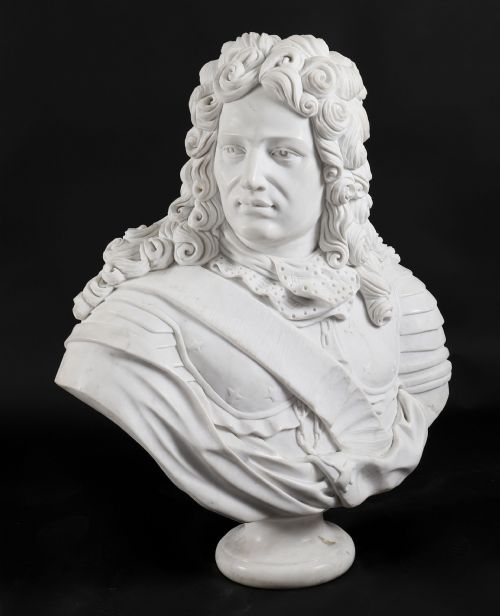
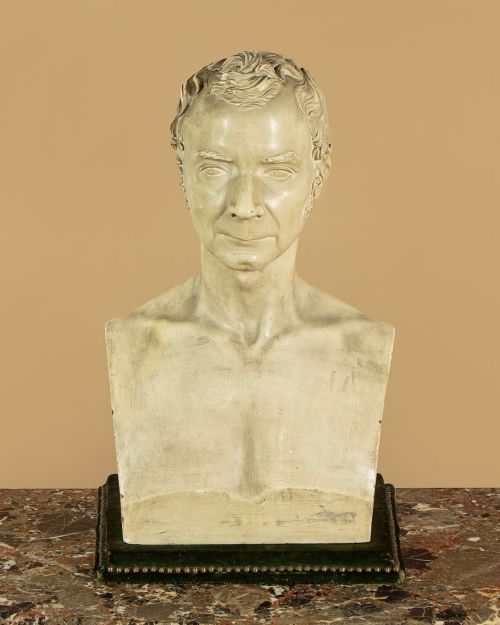


Classical Male Bust
A classical male bust brings gravity to a room, cast in marble or plaster to echo antiquity.
What a classical male bust is
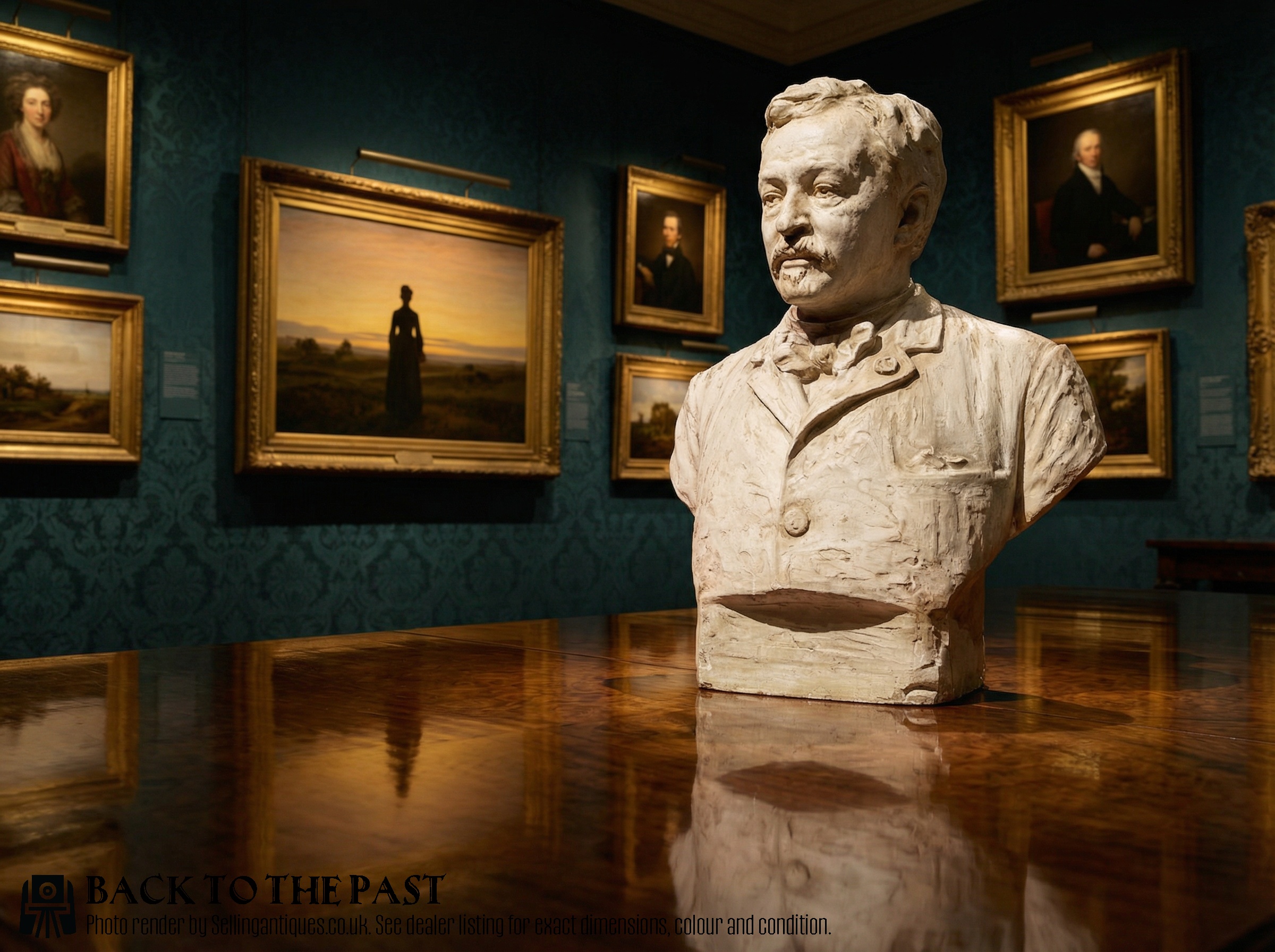
A classical male bust portrays a gentleman, nobleman, or philosopher in stone or plaster.
The pieces on this page span the eighteenth century, the nineteenth century, the Edwardian period, and nineteen-fifty, reflecting Neoclassical and Baroque Revival tastes.
Subjects range from anonymous gentlemen and noblemen in armour to philosophers, often drawing on Italian origins.
How they were made
Carvers shaped white marble and general marble to create portrait busts and larger sculptures.
Makers also worked in plaster and stone, capturing fine details in garments and facial expressions.
Retail Price Guide 2026
Typical UK retail prices for classical male bust, calculated from the Sellingantiques database of over a million retail prices indexed since 2003. This retail price guide relies exclusively on Sellingantiques data; no external sources or auction records are used, so the figures do not describe the wider market.
Listings feature marble, plaster, and stone across eighteenth-century, nineteenth-century, and Edwardian periods.
What varies in quality
Quality rests on the depth of the carving and the fidelity of the expression, distinguishing skilled handiwork from simpler production.
The choice of material, from fine white marble to plaster, defines the presence and weight of the piece.
The Classical Male Bust Glossary
- Bust
- A sculpture depicting a person's head, shoulders, and chest. This form has ancient roots and remains a staple of classical interior display.
- Neoclassical
- A style reviving the art and culture of classical antiquity. It appears frequently across nineteenth-century and twentieth-century sculpture.
- Plaster
- A composition material used for casting sculptural works. It offers a smooth surface that takes fine detail.
Frequently Asked Questions
What is a classical male bust?
A classical male bust is a sculpted portrait of a man, usually showing the head and shoulders.
These pieces draw on ancient styles like Neoclassical and Baroque Revival.
Where were these busts made?
Many examples originate from Italy, known for traditional marble carving.
Others date from British periods such as the Edwardian era and the nineteenth century.
What materials are used?
Carvers worked in white marble and standard marble for durable, polished finishes.
Plaster and stone also appear in pieces from the early twentieth century.
How do I date a bust?
Dating relies on the material, the style of dress, and historical period markers.
Pieces range from the eighteenth century up to nineteen-fifty.