

Carved Marble Head
A carved marble head brings classical dignity to a room, offering enduring portraiture shaped by European sculptors across past centuries.
Carved Marble Head
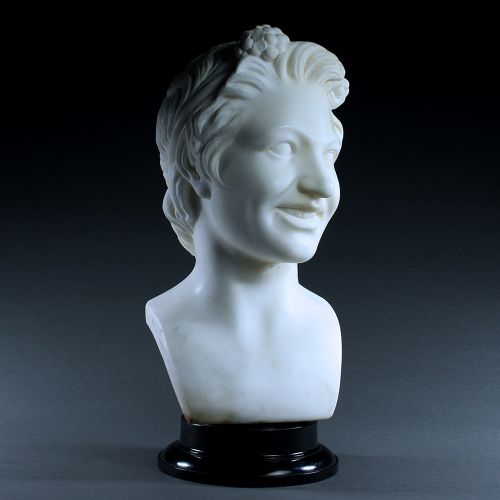
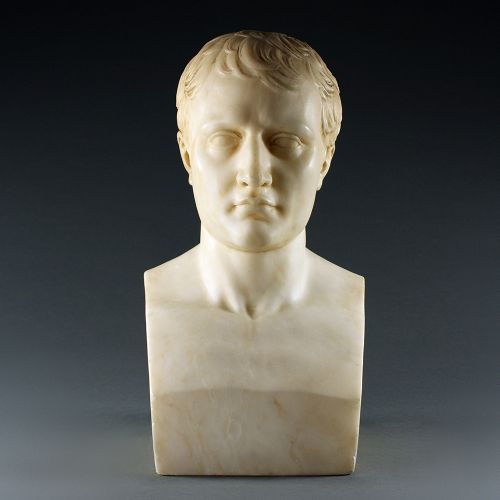
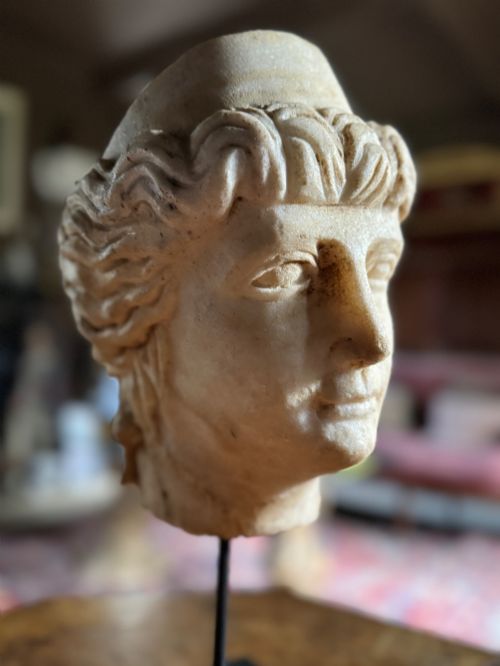
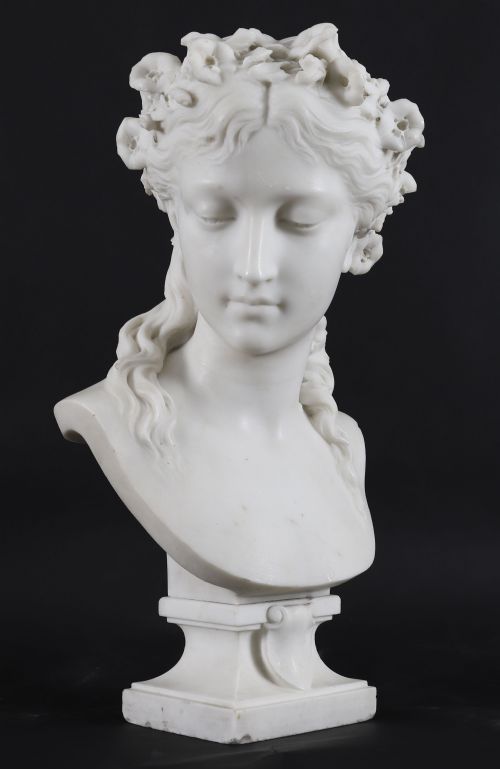
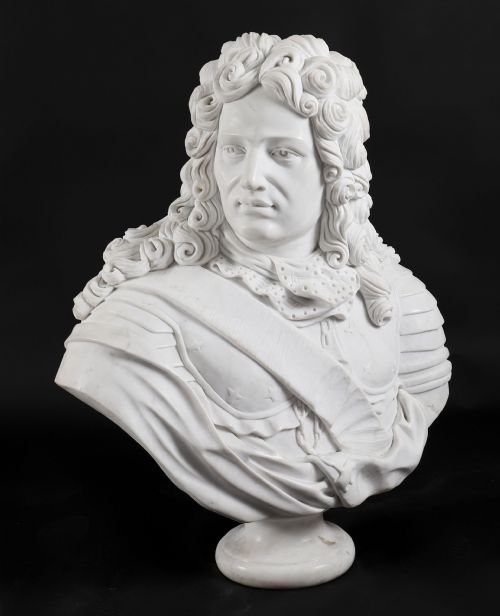
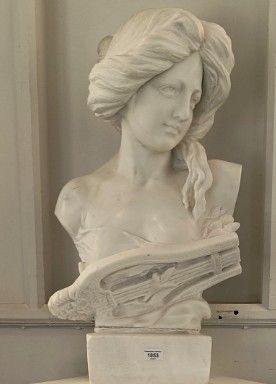
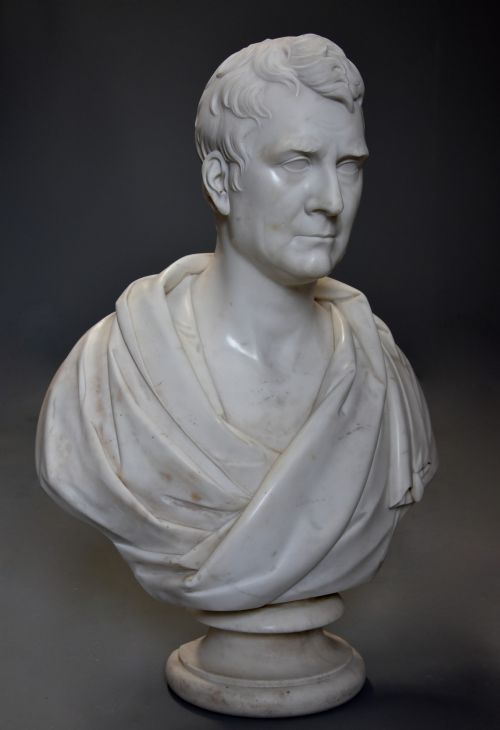
A carved marble head typically takes the form of a portrait bust depicting classical figures, historical personalities, or noble subjects. These sculptures emerge predominantly from the nineteenth century, drawing on neoclassical and Victorian aesthetic traditions.
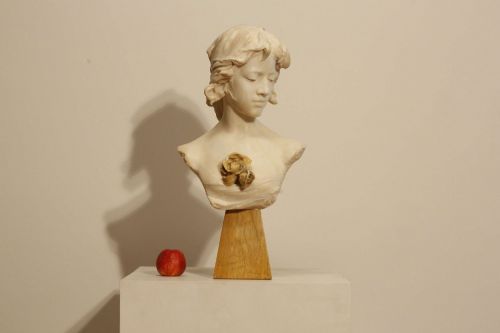
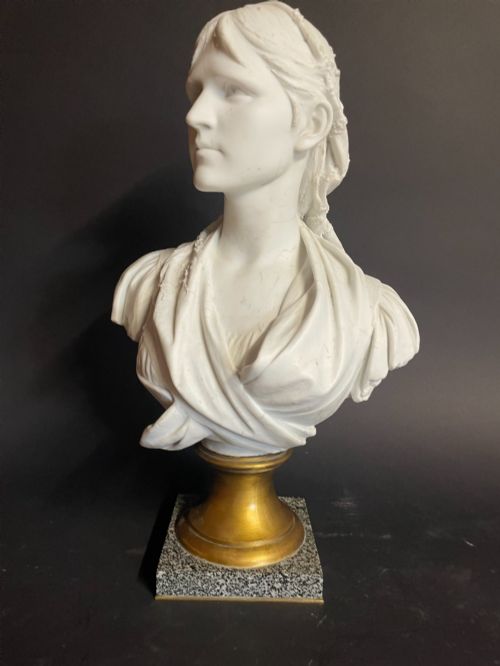
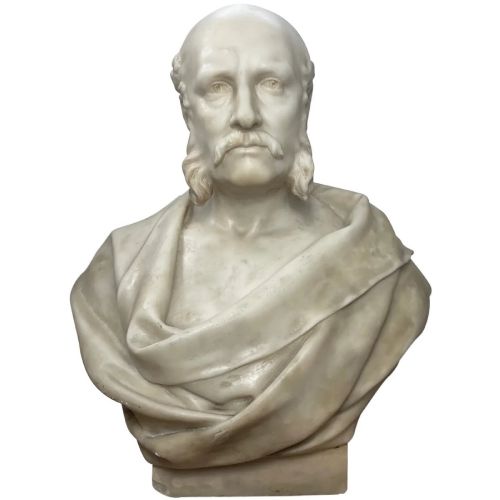
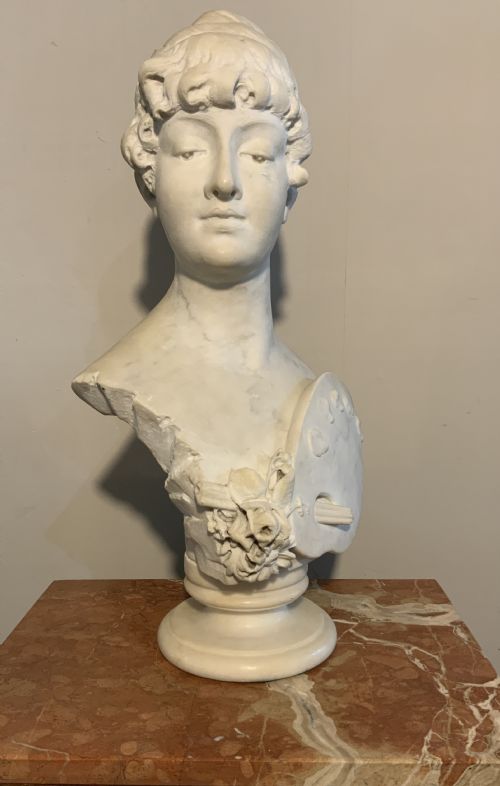
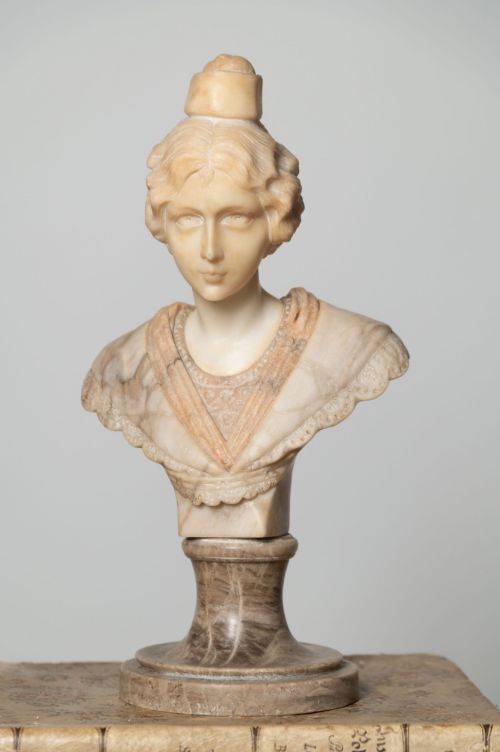
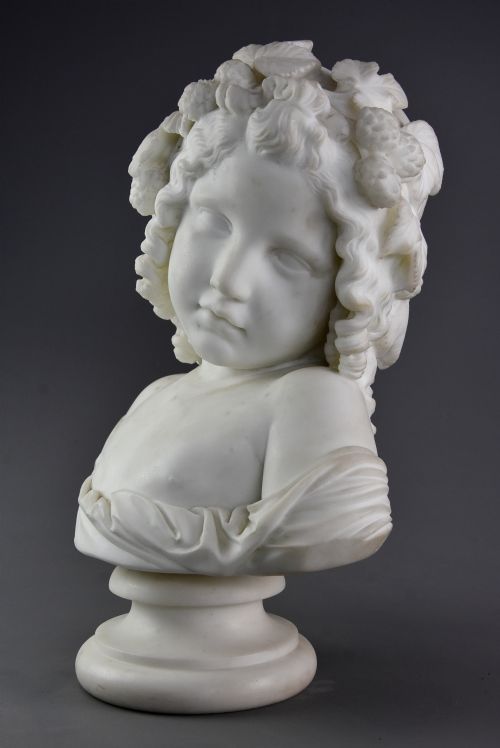
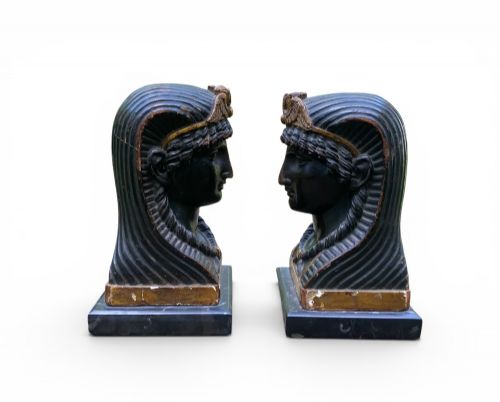
Collectors frequently encounter Italian and French works produced in Carrara marble or alabaster. Many examples portray women, young girls, or historical gentlemen, often mounted upon contrasting coloured marble bases.
Materials and carving techniques
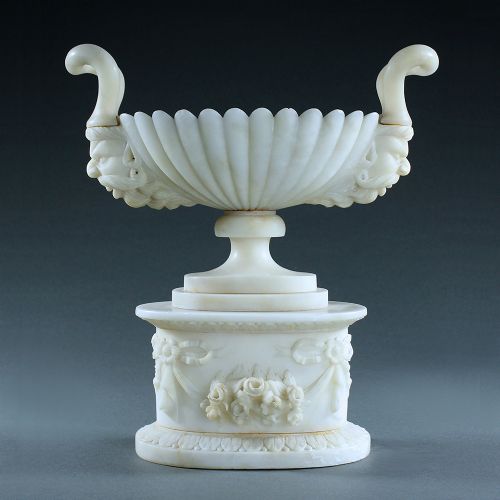
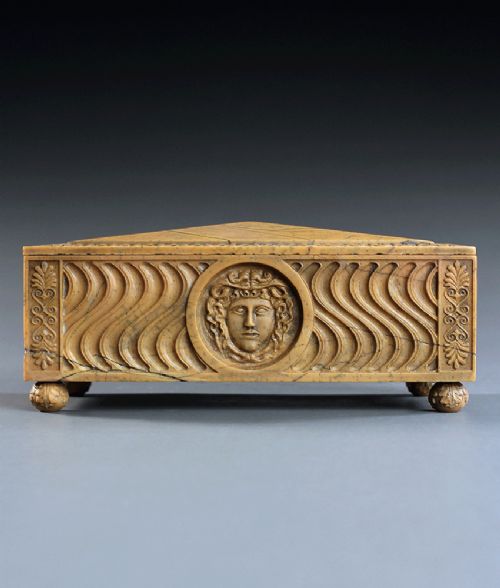
Makers utilised fine-grained Carrara marble and translucent alabaster, shaping the stone with chisels, rasps, and drills to achieve lifelike skin textures and detailed drapery. Selected pieces incorporate mixed media elements such as ormolu mounts, brass details, or wooden pedestals to complement the primary stone.
Carved Marble Head Retail Price Guide 2026
Typical asking prices for carved marble head among the pieces listed under this phrase on Sellingantiques today, from the lower quarter to the upper quarter. They describe what is for sale here now, not the wider market.
A stoic Roman emperor shares shelf space with a veiled lady peering out through intricately carved marble lace.
Distinctions in craftsmanship
Quality rests in the anatomical precision of the carving, the subtlety of expression captured in the stone, and the crispness of detail in hair and clothing. Signed works by documented sculptors command greater attention for their proven authorship.
The choice of material also plays a role, with flawless white Carrara or richly figured specimen marbles elevating the visual weight of the sculpture.
Houdon·Eugene Aizelin·J Francis·John Wenlock Rollins·Mieczyslaw Leon Zawiejski
The Carved Marble Head Glossary
- Carrara marble
- A type of white or blue-grey marble quarried in the city of Carrara in the north of Tuscany, widely utilised for classical sculpture.
- Alabaster
- A fine-grained, translucent stone that is softer than marble, frequently selected for nineteenth-century portrait busts and figurative carvings.
- Neoclassical
- A Western cultural movement drawing inspiration from the art and culture of classical antiquity, prevalent in sculpture during the eighteenth and nineteenth centuries.
- Bust
- A sculpted or cast representation of a person's head, shoulders, and upper chest, mounted on a plinth or base.
- Specimen marble
- Stonework composed of various coloured marbles assembled to display geological variety, often seen in Grand Tour souvenirs and decorative bases.
Carved Marble Head: Frequently Asked Questions
What is a carved marble head?
A carved marble head is a sculptural portrait, often rendered as a bust, depicting historical figures, classical deities, or private individuals. These works reflect the aesthetic values of European sculpture traditions.
They serve primarily as decorative objects for libraries, halls, and studies, bringing traditional craftsmanship into domestic interiors.
How do I identify the period?
Dating relies on stylistic clues such as the subject's hairstyle, clothing, and the cut of the shoulders, alongside the character of the marble base. Neoclassical and Victorian pieces often display distinct carving signatures.
Makers' signatures, dates, or foundry marks inscribed directly into the stone provide the most reliable evidence for chronological placement.
Where were these sculptures made?
Many examples originate from Italian workshops in cities like Carrara and Florence, where skilled artisans produced grand tour pieces for international travellers. French and English sculptors also contributed significantly to the tradition.
Workshops frequently exported finished portraits across Europe to satisfy the Victorian demand for classical domestic ornamentation.
How should I care for marble?
Marble requires gentle dusting with a soft, dry cloth to prevent the accumulation of grit on intricate carved surfaces. Avoid harsh chemical cleaners or abrasive pads that can etch or dull the stone.
Keep pieces away from direct heat sources and sudden temperature fluctuations to preserve the structural integrity of the stone and any attached base.