

Antique Marble Bust
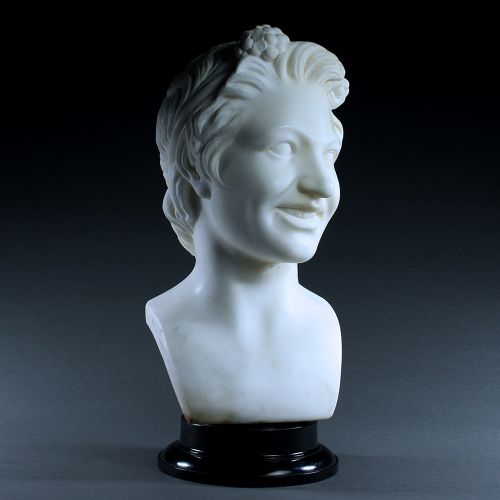
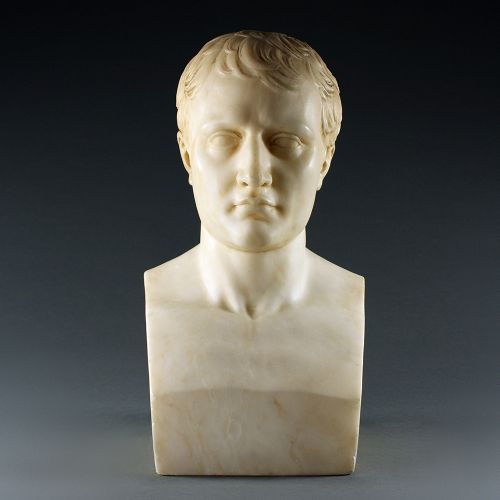
These heavy portrait sculptures bring classical presence into a room, capturing historical figures and classical deities in carved stone.
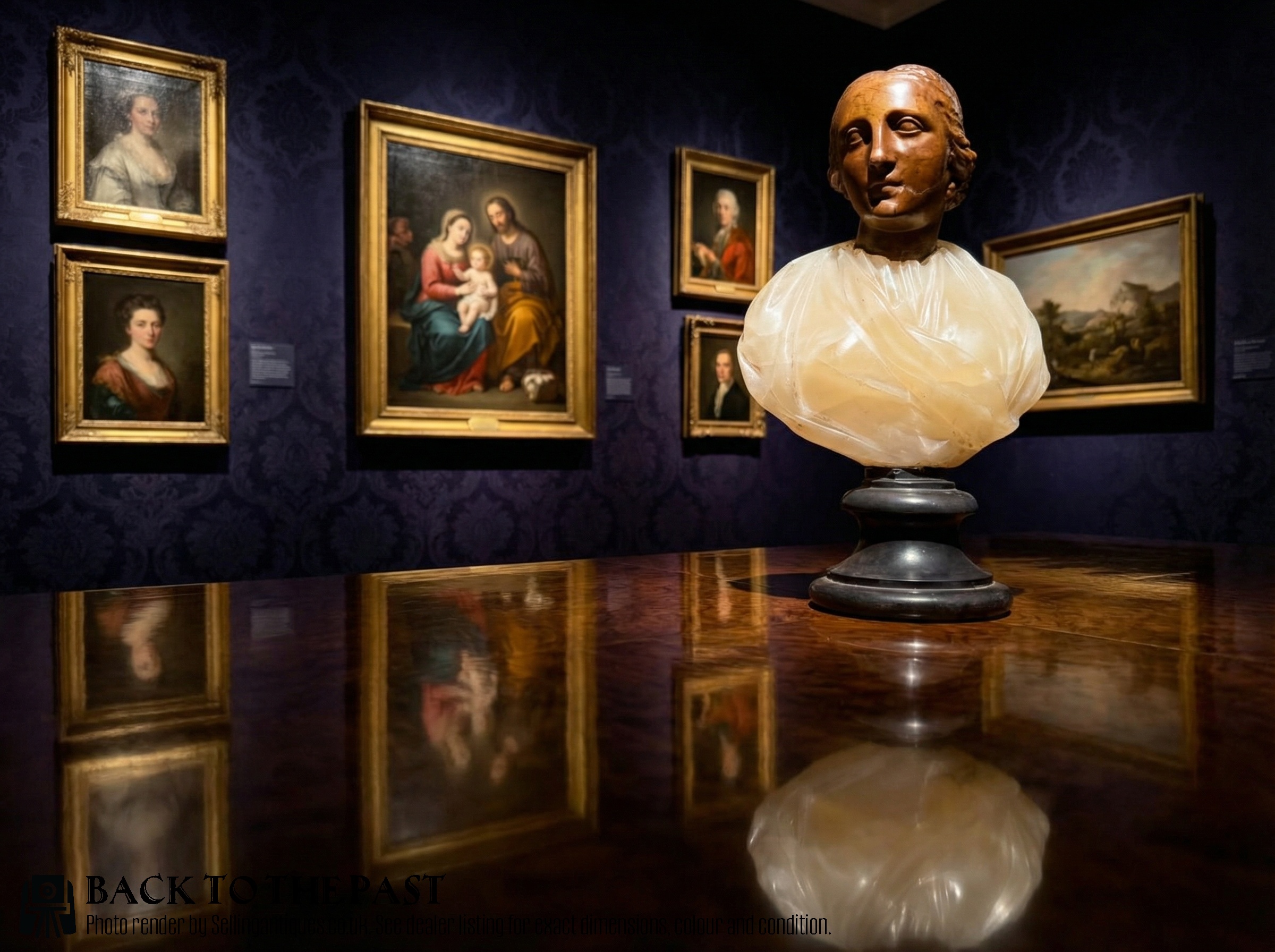
Antique Marble Bust
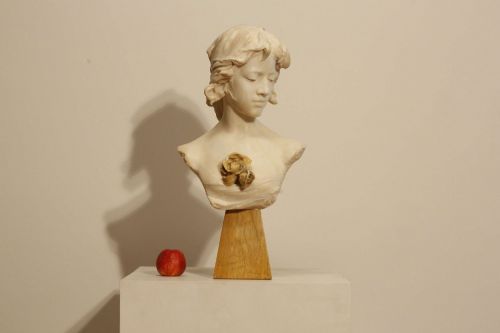
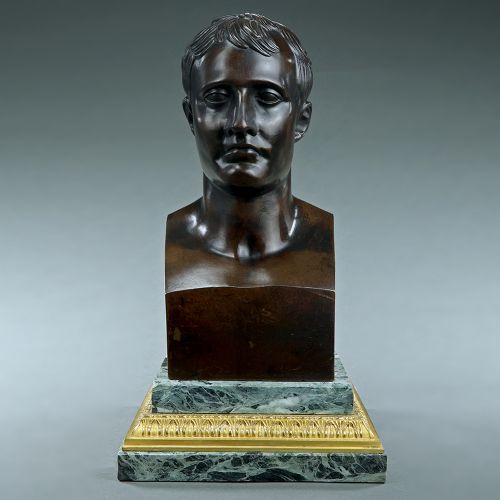
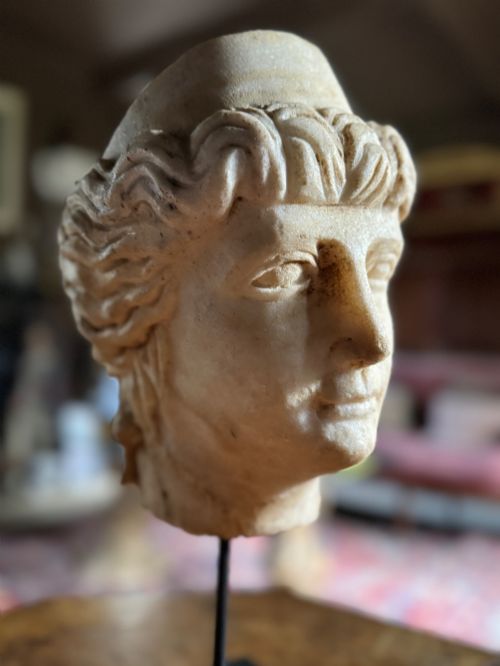
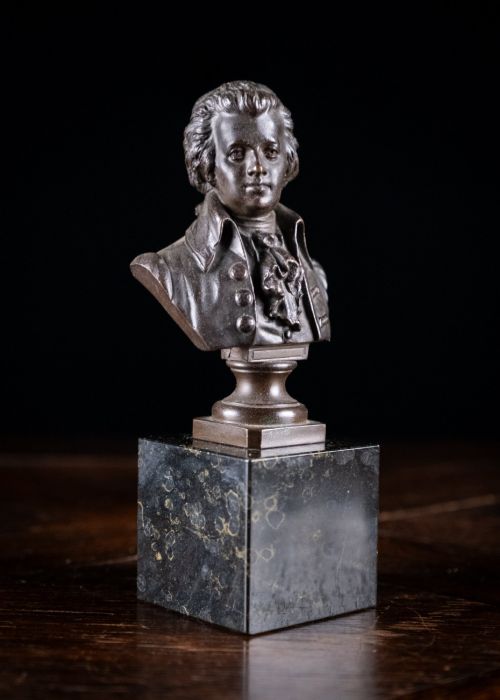
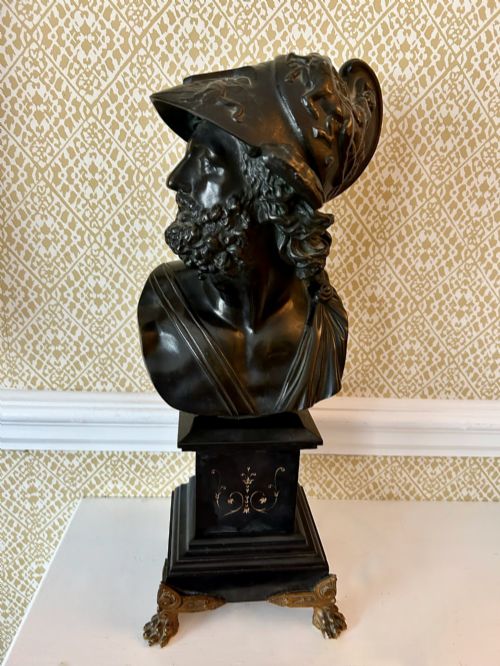
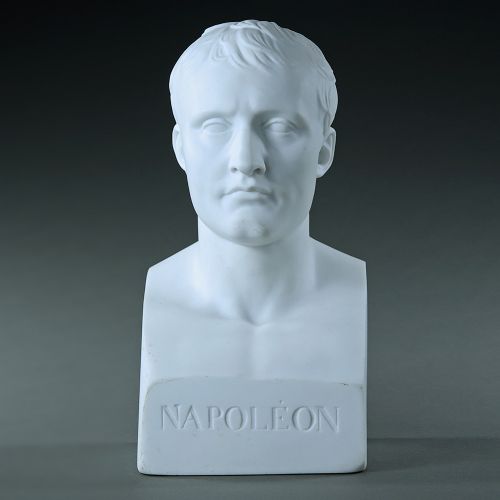
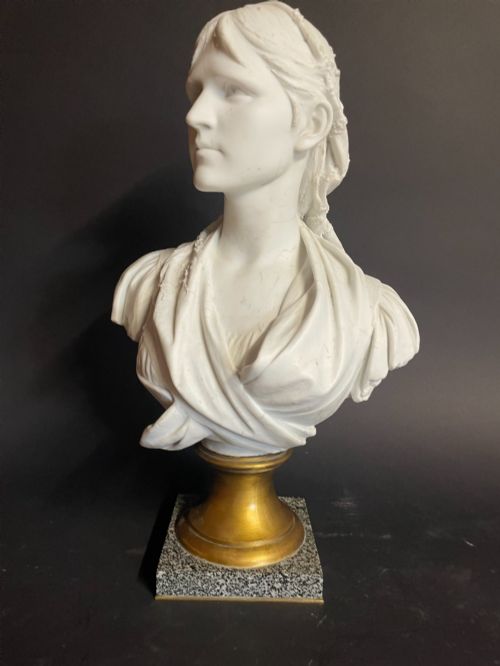
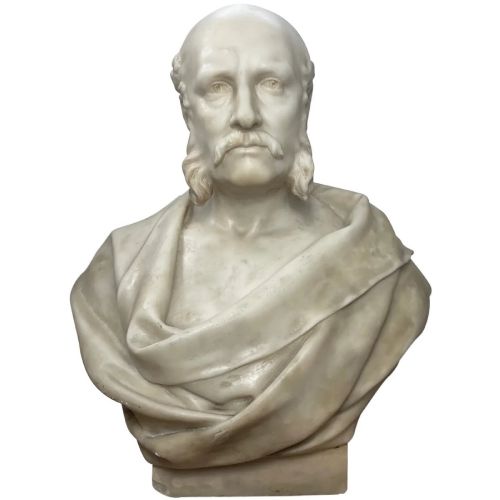
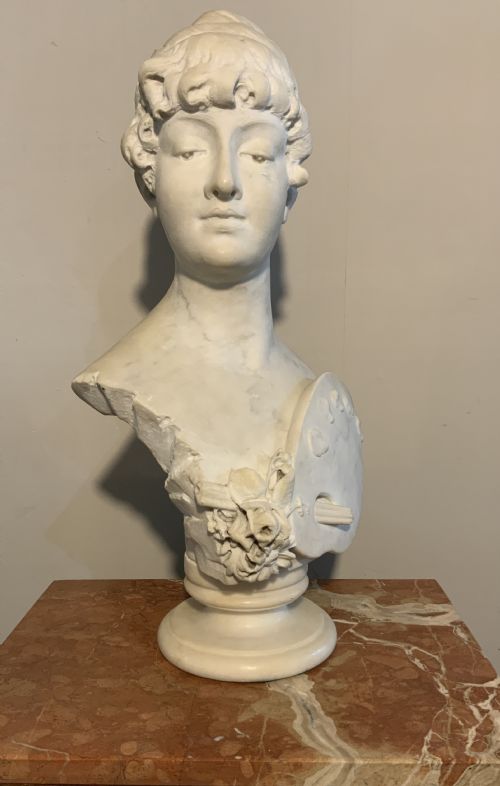
An antique marble bust is a portrait sculpture typically depicting historical figures, mythological deities, or anonymous ladies and gentlemen from the nineteenth century. These pieces range from grand civic commissions of politicians to smaller library portraits of literary figures like Dante.
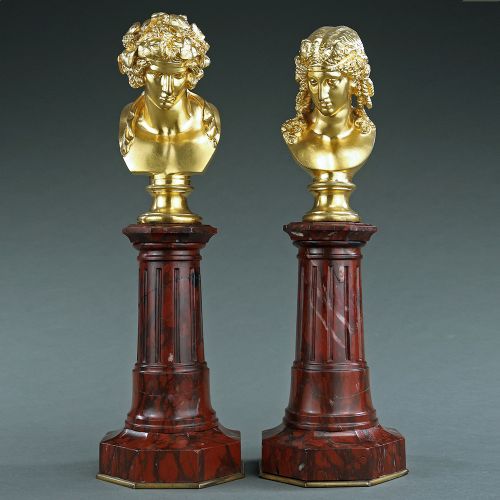
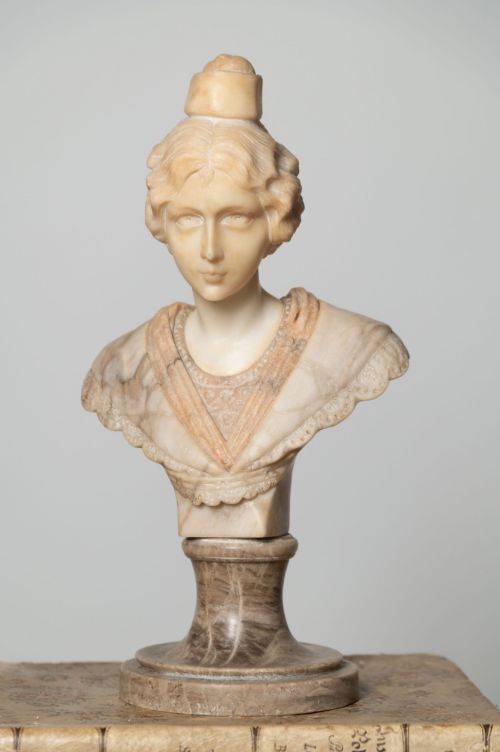
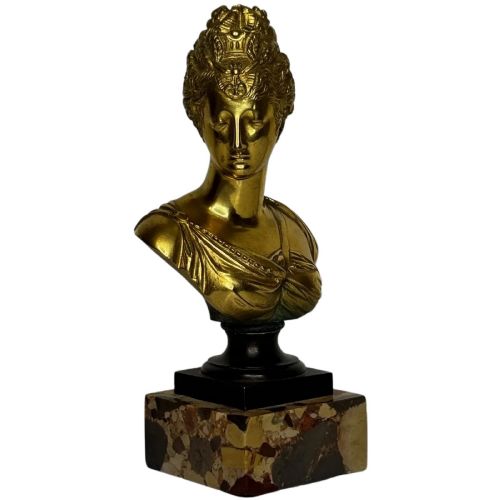
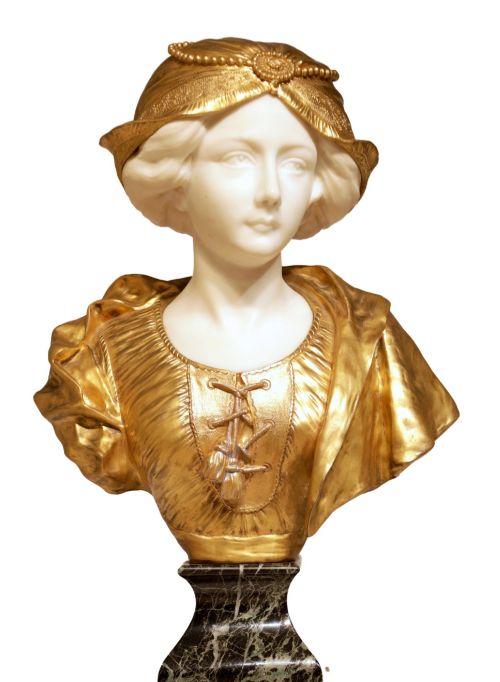
The material varies across the selection, with white and Carrara marble favoured alongside honey-coloured alabaster and contrasting combinations of bronze and ormolu. Most examples originate from British, French, and Italian workshops, reflecting neoclassical and Victorian tastes for classical revival subjects.
Materials and construction
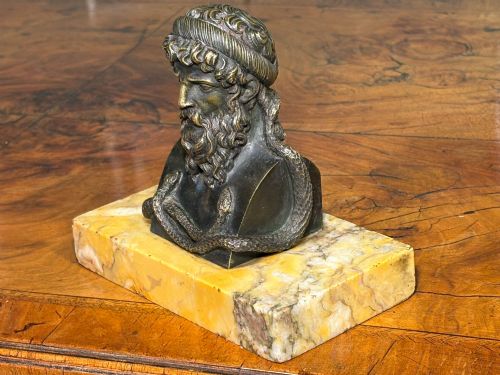
Carvers shaped these sculptures from blocks of stone such as Carrara marble or fine alabaster using chisels and hand drills. Many pieces combine carved stone heads with turned columns, patinated bronze collars, or gilt bronze mountings.
Signatures and inscriptions occasionally appear incised directly into the stone or on bronze plaques attached to the base. Separate marble pedestals and columns frequently support the heavier sculptural portraits.
Antique Marble Bust Retail Price Guide 2026
Typical asking prices for marble bust among the pieces listed under this phrase on Sellingantiques today, from the lower quarter to the upper quarter. They describe what is for sale here now, not the wider market.
The selection includes classical deities, literary figures, and historical portraits originating from Italian, French, and British workshops.
Factors determining quality
Depth of expression and anatomical precision distinguish finer portraits from standard commercial output. Master carvers capture subtle drapery folds, hair texture, and lifelike skin translucency in the stone.
The weight of the stone block and the presence of integrated marble bases or contrasting ormolu mounts signal superior craftsmanship. Signed pieces by recorded makers command higher regard than unsigned studio work.
Affortunato Gory·Eugene Aizelin·Henri Godet·John Steell·Prof G Bessi
The Antique Marble Bust Glossary
- Carrara marble
- A type of white or blue-grey stone quarried in the city of Carrara in Tuscany, Italy. Sculptors prized this material for its fine grain and consistent texture.
- Alabaster
- A fine-grained, translucent mineral often used for nineteenth-century portrait sculptures. It allows light to penetrate the surface slightly, creating a soft appearance.
- Ormolu
- Gilded bronze applied as a decorative mount or base on sculptural works. This technique became common in French decorative arts during the nineteenth century.
- Neoclassical
- A Western cultural movement drawing inspiration from the art and culture of classical antiquity. Sculptors working in this style favoured subjects from Greek and Roman mythology.
- Patination
- The surface alteration or colouring developed on bronze through age or chemical treatment. Artists controlled this finish to enhance the visual depth of metal elements.
Antique Marble Bust: Frequently Asked Questions
How do I clean marble?
Dust the surface regularly with a soft, dry cloth to prevent dirt accumulation in the carved details. Avoid using water, detergents, or household cleaners, which can damage the porous stone.
For stubborn grime, consult a professional conservator rather than attempting chemical treatments at home. Unsealed stone absorbs liquids easily and stains permanently if mishandled.
Where should I display it?
Place heavy stone sculptures on sturdy surfaces such as dedicated marble columns, wooden pedestals, or low library tables. Ensure the support structure can bear the considerable weight of the piece.
Keep the sculpture away from direct sunlight and heat sources to prevent thermal shock or discolouration. Stable indoor temperatures protect both the stone and any attached metal mounts.
Are these pieces signed?
Many nineteenth-century sculptures feature carved signatures or foundry stamps on the reverse or along the base edge. Signatures indicate production by a named artist or established studio.
Unsigned works remain common, representing commercial studio production rather than individual master carvers. Both signed and unsigned pieces reflect the period's widespread appreciation for classical portraiture.
What subjects are depicted?
Portraits frequently represent classical deities like Apollo, Venus, and Diana alongside literary figures such as Dante Alighieri. Civic commissioners also favoured likenesses of contemporary politicians, MPs, and local dignitaries.
Other works portray anonymous young women, children, and historical figures in nineteenth-century dress. These varied subjects reflect Victorian educational ideals and a broad fascination with antiquity.