




Classical Stone Bust
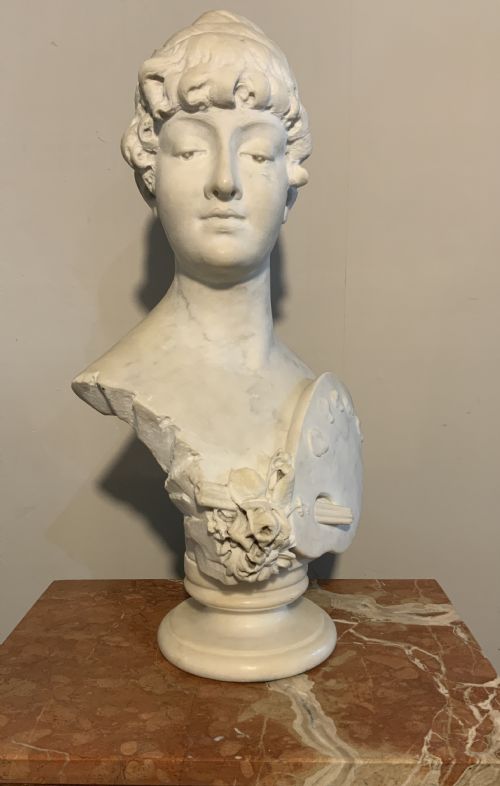
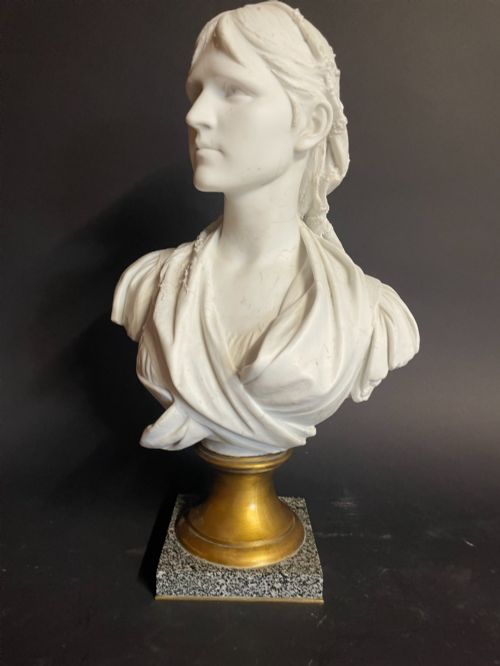
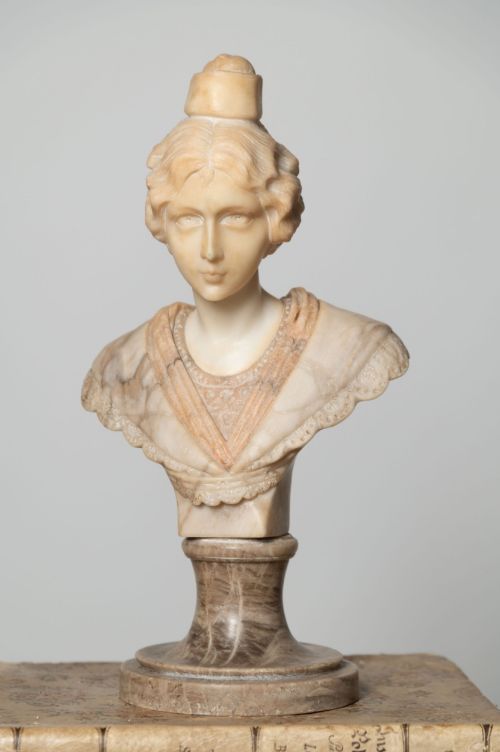
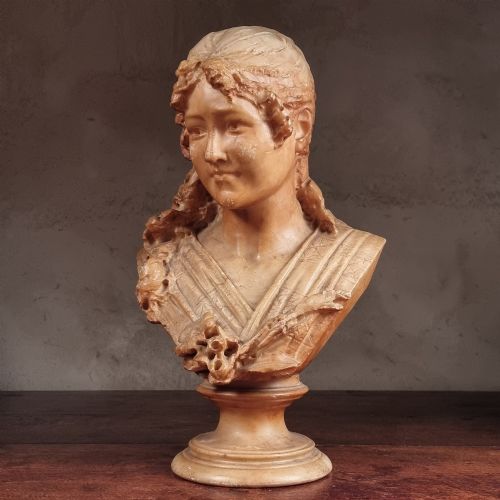
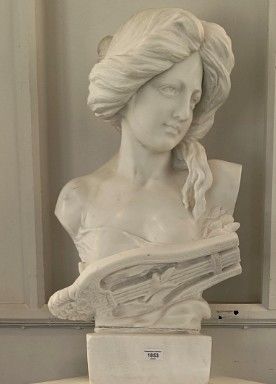
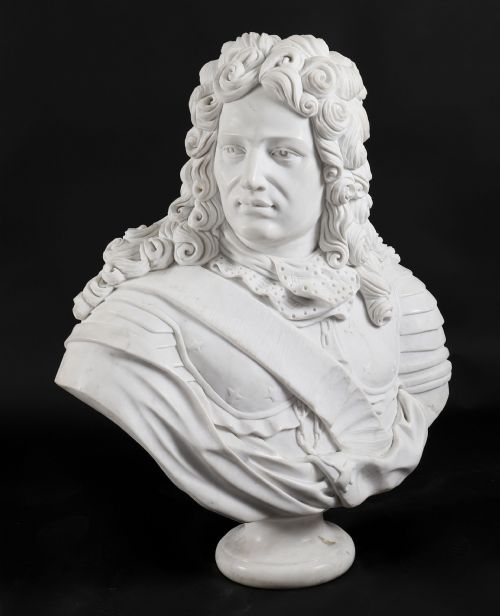
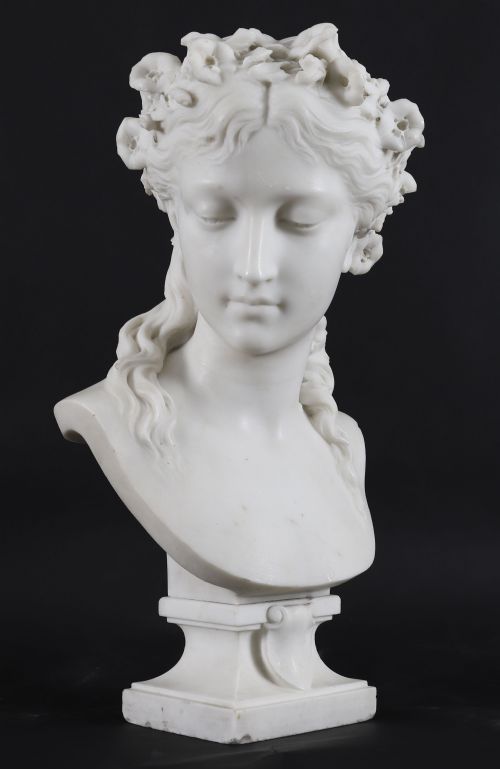
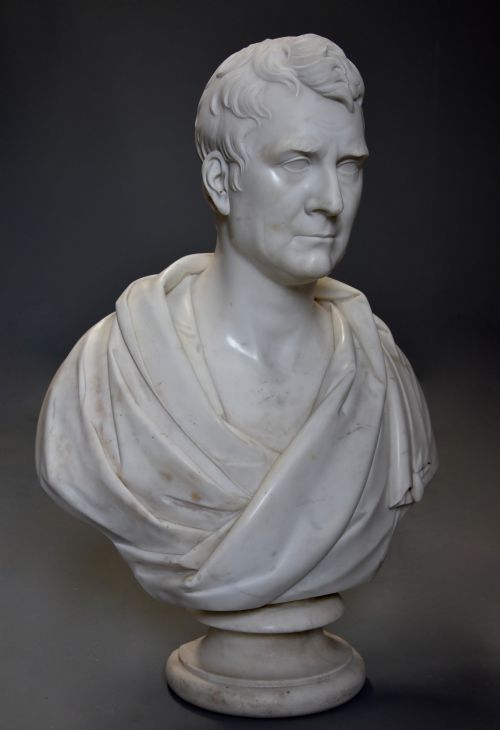
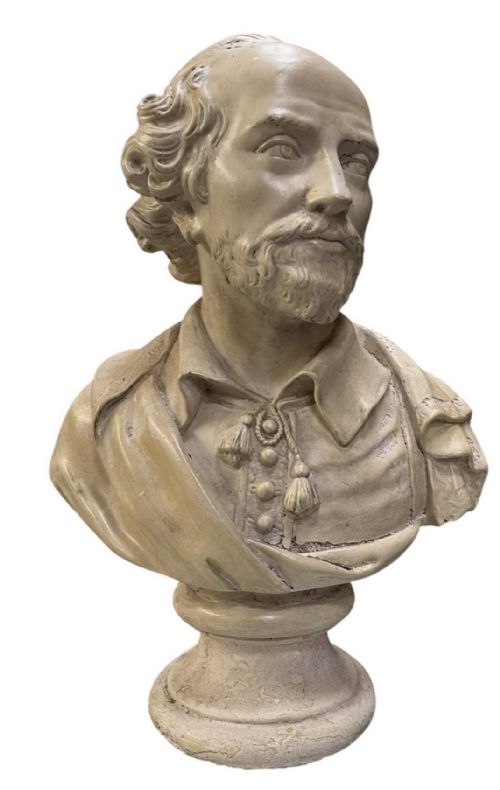
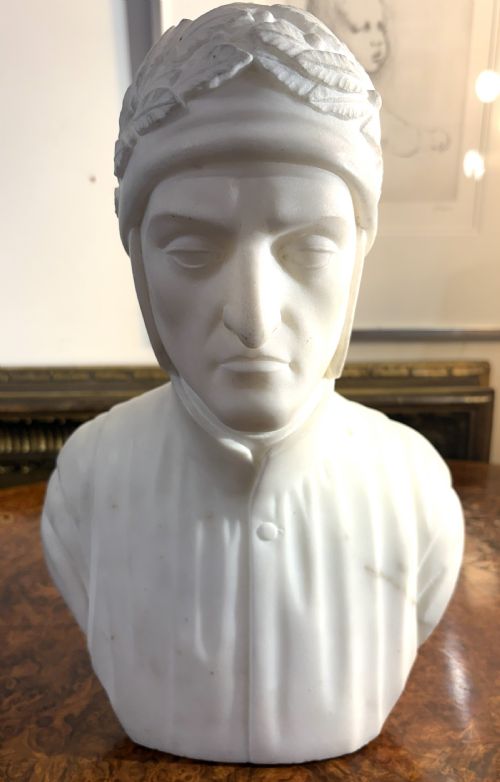
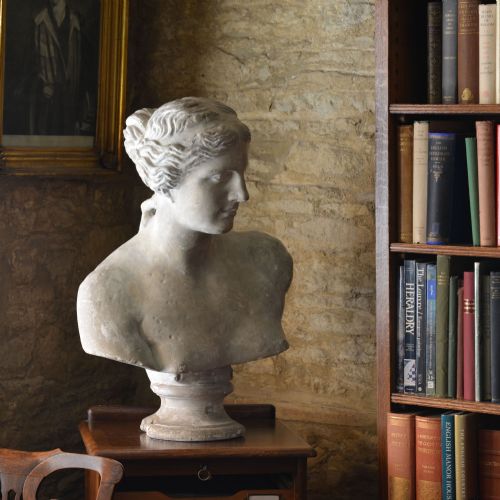
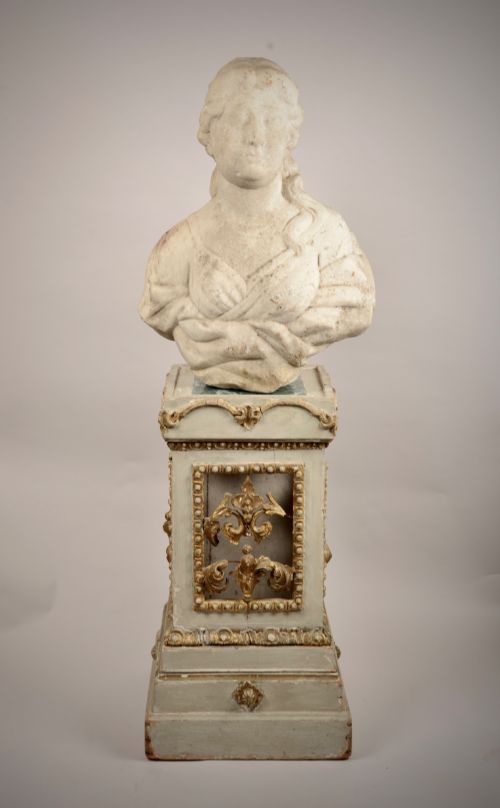
These classical stone bust examples bring enduring sculptural form to a room, offering timeless figures rendered in marble, alabaster and cast stone.
Understanding classical stone bust pieces
When you search for a classical stone bust, you encounter sculptural representations of historical figures, female subjects and mythological personages derived from antique precedents. The pieces available range from garden statuary to interior decorative figures.
The selection includes specific forms such as the large stone bust of Julius Caesar, alongside representations of Dutch girls and female figures. These works span the nineteenth century, nineteen-hundred, nineteen-thirty and nineteen-fifty periods.
Origin and style vary from French classical and neoclassical to Victorian and art nouveau interpretations. Buyers frequently encounter marble, alabaster, stone, cast stone and reconstituted stone materials across these formats.
Materials and construction methods
Carved pieces utilise natural materials such as marble and alabaster, shaped by hand to create smooth facial contours and draped garments. These natural stone versions demonstrate traditional sculptural techniques employed by period artisans.
Moulded examples utilise cast stone, reconstituted stone or concrete mixes, sometimes enhanced with gilt details. These materials allow for consistent forms suitable for both interior placement and garden statuary use.
Retail Price Guide 2026
Typical UK retail prices for classical stone bust, calculated from the Sellingantiques database of over a million retail prices indexed since 2003. This retail price guide relies exclusively on Sellingantiques data; no external sources or auction records are used, so the figures do not describe the wider market.
Julius Caesar stands ready to oversee your library alongside nineteenth century Dutch girls and unknown classical heroines.
Assessing quality in sculptural work
The choice of medium dictates the baseline of refinement, with translucent alabaster and finely veined marble achieving greater depth than coarser cast stone. Surface finish and patination further separate standard garden ornaments from fine interior sculptures.
The Classical Stone Bust Glossary
- Neoclassical
- A style reviving classical Roman and Greek artistic forms. It dominated much of the nineteenth century design vocabulary.
- Alabaster
- A fine-grained, translucent stone favoured for interior sculpture. It allows light to penetrate slightly beneath the surface.
- Cast stone
- A refined building product manufactured from aggregate and binder. It replicates the appearance of natural quarried stone.
- Garden statuary
- Sculptural objects designed for exterior placement in landscapes. These pieces weather naturally over time.
Frequently Asked Questions
Where should I place a bust?
Interior pieces look best positioned on strong pedestals, mantels or heavy wooden sideboards where their height commands the space. Proper eye-level placement ensures the facial expression and carving details remain clearly visible.
Garden statuary versions require stable stone bases or garden pedestals. Ensure the supporting ground is level to prevent tipping in outdoor environments.
Are these pieces heavy?
Solid marble, alabaster and stone sculptures possess substantial weight due to their dense material composition. Large formats often require two people for safe relocation.
Cast stone and reconstituted variations are similarly heavy, designed to remain secure outdoors or on sturdy interior furnishings.
Can alabaster go outside?
Alabaster is a relatively soft and water-soluble stone, making it unsuitable for exterior garden settings. It should remain strictly indoors away from excessive moisture and direct sunlight.
Natural marble and cast stone withstand outdoor conditions much better, though severe frost can still damage porous cast materials.