


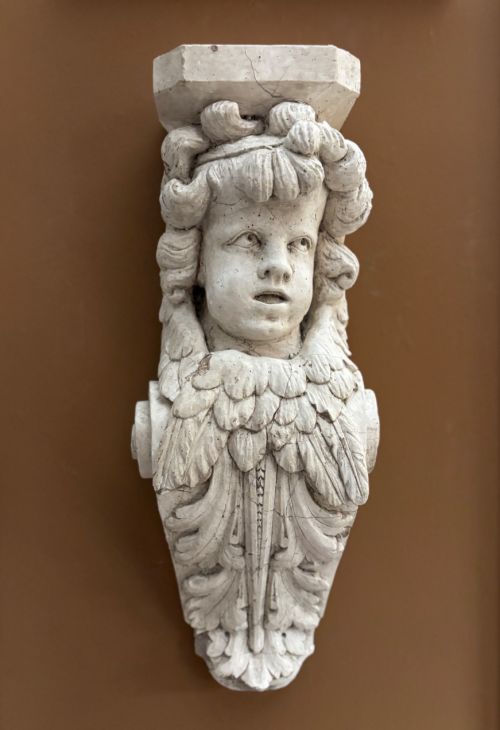
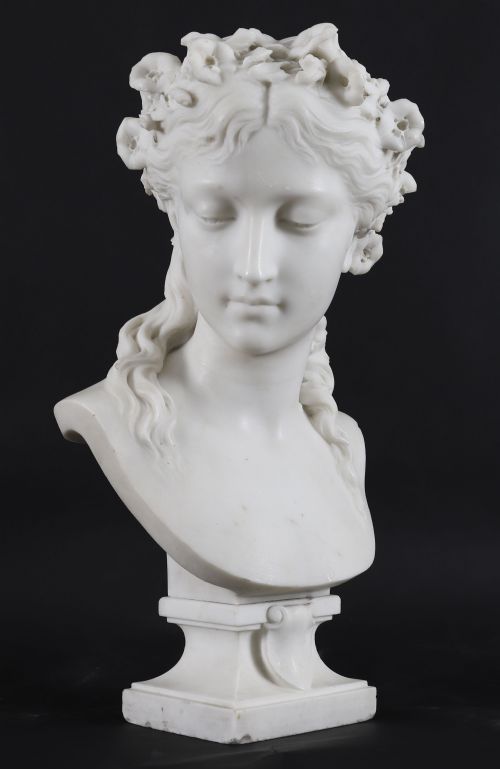
Carved Stone Head
These carved stone head sculptures span centuries and materials, offering striking classical, medieval and eastern forms for interior display.
What these pieces are
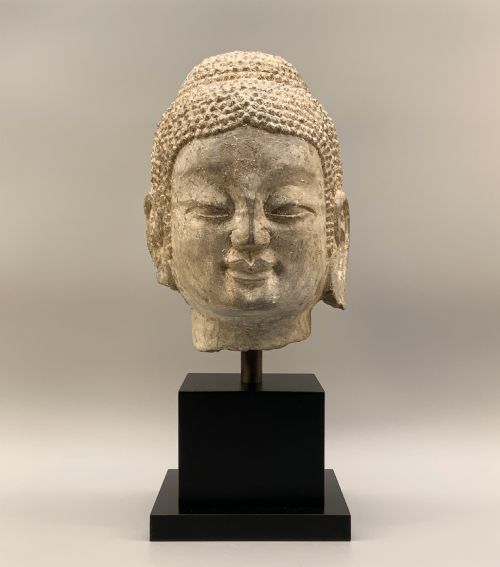
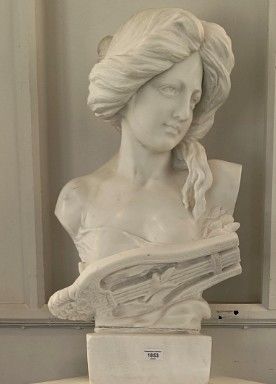
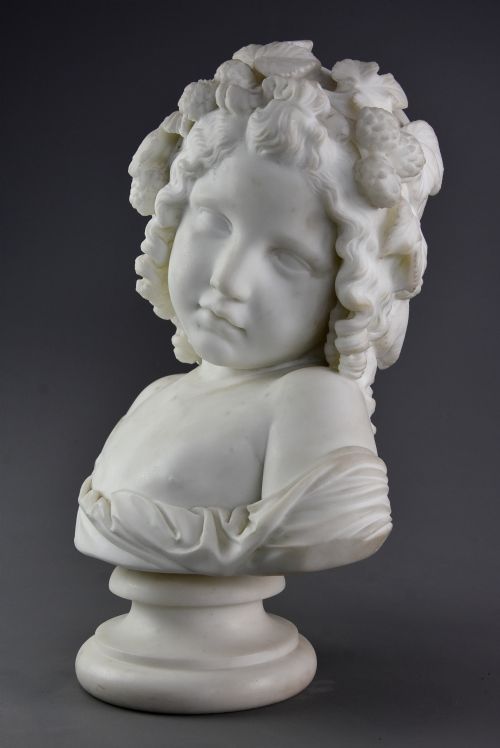
A carved stone head brings sculptural presence to a room, drawing on traditions from European antiquity to Asian dynastic art. When you search for carved stone head, you encounter everything from architectural corbels and wall brackets to independent portrait busts.
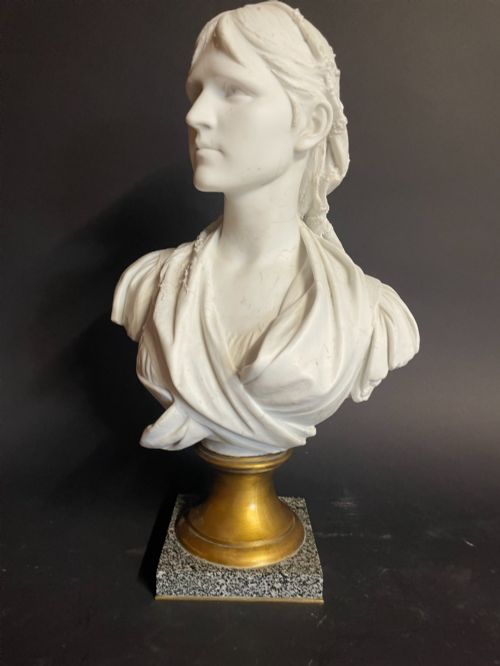
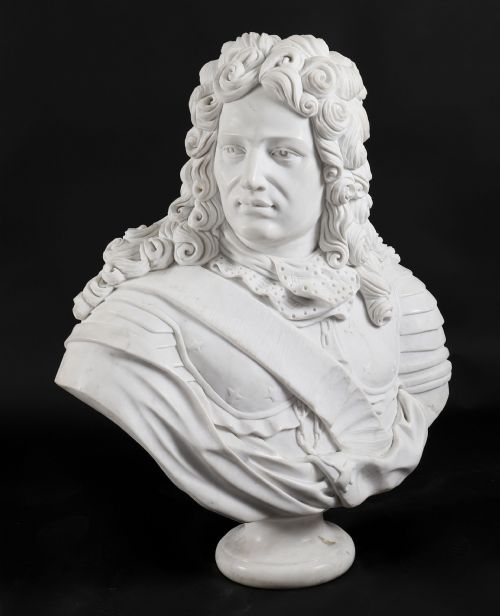
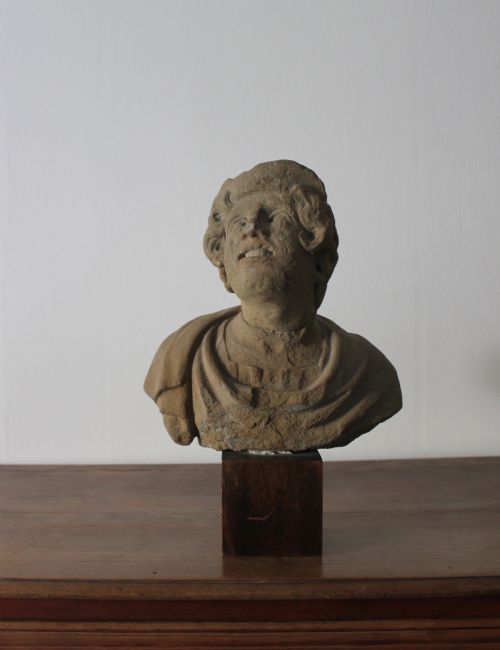
The pieces on this page cross multiple centuries and regional styles, ranging from pre-sixteenth century sandstone figures to nineteenth-century neoclassical marble portraits. Forms include mythological subjects like Medusa and Juno alongside historical figures and medieval fragments.
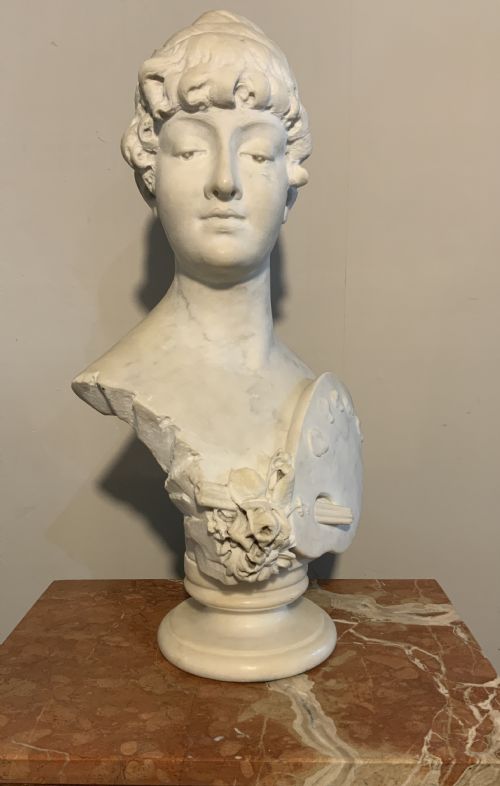
Origin and material dictate the visual character of each piece, whether you find a weathered limestone fragment or a finished Carrara marble bust. These sculptures function as focal points in modern interiors, grounding a space with tactile weight and history.
How they were made
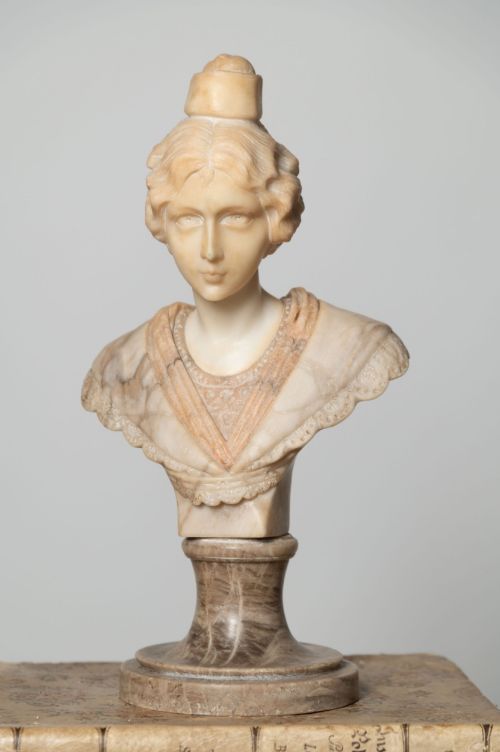
Makers shaped these sculptures from dense natural materials using traditional chisels and carving tools. The evidence shows works in marble, Carrara marble, sandstone, limestone, alabaster, hardstone, and cast stone.
Surface treatments add distinct character to the stone substrate, with certain examples retaining traces of original pigment. Structural additions appear on specific architectural elements, such as lead-mounting on wall brackets or gold settings on wearable pieces.
Retail Price Guide 2026
Typical UK retail prices for carved stone head, calculated from the Sellingantiques database of over a million retail prices indexed since 2003. This retail price guide relies exclusively on Sellingantiques data; no external sources or auction records are used, so the figures do not describe the wider market.
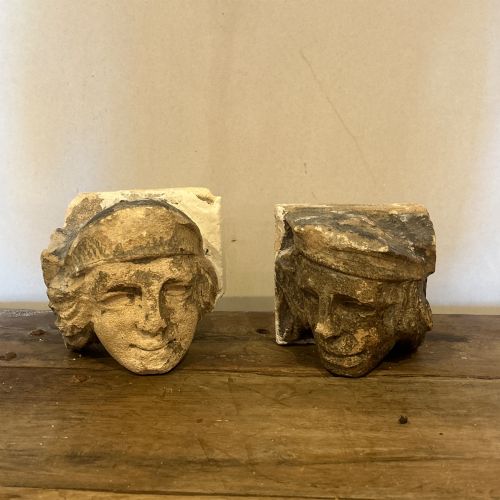
Woollen merchants evidently required architectural ram heads to watch over their affairs.
What varies in quality
Quality rests in the precision of the carving and the liveliness of the facial expression. Master carvers capture subtle musculature and convincing drapery, whereas provincial or vernacular pieces display simpler, more robust geometric forms.
The integrity of the material also determines the standing of a piece. Intact classical portraits in fine Carrara marble or well-preserved dynastic sandstone carry a different sculptural weight compared to weathered architectural limestone fragments.
The Carved Stone Head Glossary
- Corbel
- A structural stone projection built into a wall to support a weight above. Many examples take sculptural animal or human forms.
- Neoclassical
- A style reviving classical Roman and Greek art forms during the eighteenth and nineteenth centuries. It prioritises clean lines and formal restraint.
- Sandstone
- A sedimentary rock composed mainly of quartz sand grains. It offers a warm, granular texture suited to both interior and architectural carving.
Frequently Asked Questions
Are these sculptures suitable for outdoor gardens?
While certain materials like sandstone and limestone weather outdoors, historic and delicate pieces benefit from indoor placement to preserve surface pigments and fine details.
Consult individual listings to determine if a piece is intended for interior or exterior environments.
How do I identify the period of a stone head?
Dating relies on stylistic markers, tool marks, and the specific geological composition of the stone. Neoclassical works show smooth finish standards, while medieval or architectural fragments display deeper weathering and archaic proportions.
Comparing costume, hair styling, and subject matter against known historical periods helps narrow the origin.
What is the difference between a bust and a head fragment?
A bust includes the shoulders and chest portion, often created as an independent portrait or decorative sculpture. A head fragment typically represents a surviving portion of a larger architectural or figurative work that was broken or separated over time.