
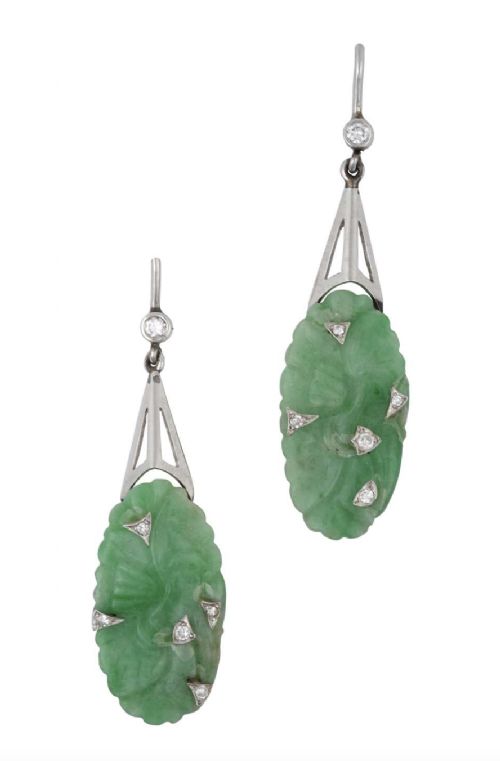


Green Jade Pendant
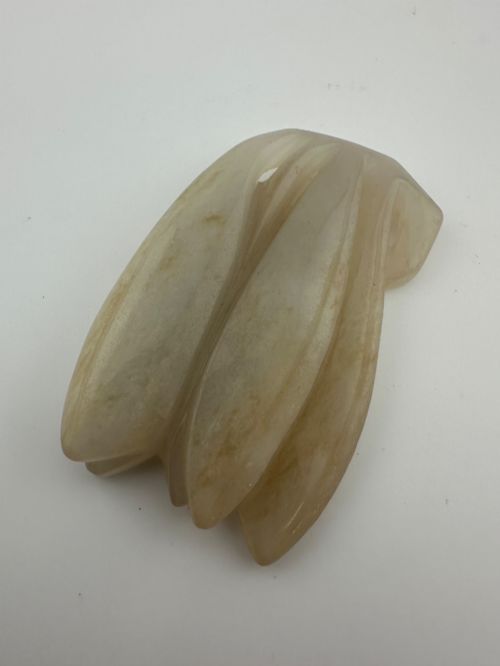
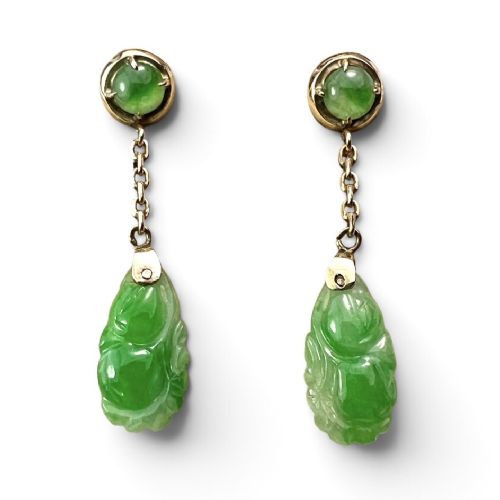
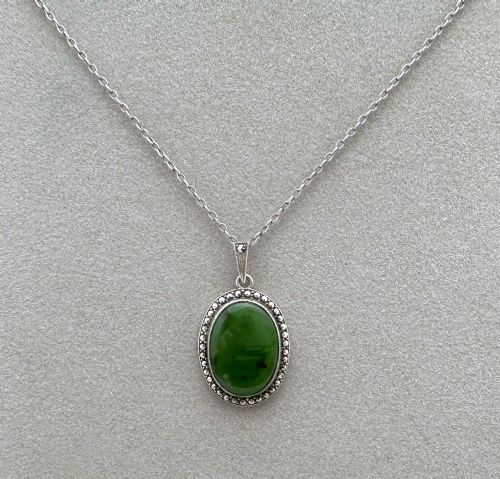
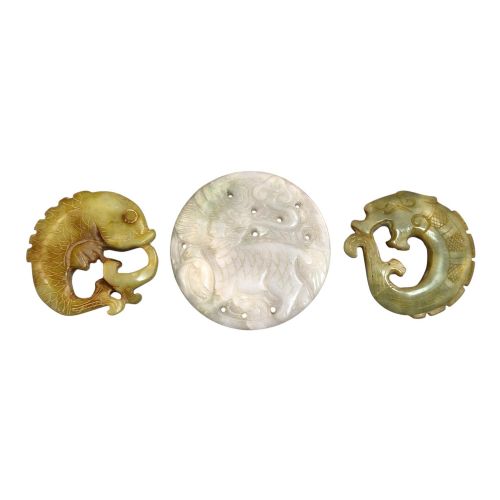
These green jade pendants span centuries and continents, offering tactile mineral depth and intricate carving that collectors prize for personal wear or display.
Understanding green jade pendants
A green jade pendant is a carved mineral ornament worn around the neck, encompassing both nephrite jade and jadeite variants. When searching for a green jade pendant, buyers encounter a diverse range of forms spanning Chinese carving traditions, European antique periods, and earlier global artefacts.
The pieces appearing on this page demonstrate significant stylistic variety, moving from traditional Chinese motifs to Art Deco geometry and Edwardian platinum settings. Forms range from flat plaques and auspicious symbols to double dragon designs and talisman masks.
Earlier examples include pieces from the eighteenth century alongside nineteenth-century plaques and twentieth-century Republic Period carvings. These objects function simultaneously as personal adornments and historic examples of lapidary skill.
Materials and construction
Lapidaries worked hard mineral stones including nephrite jade and jadeite using abrasive cutting and polishing techniques. Carvers shaped the dense material into intricate plaques, masks, and fungus motifs by hand.
Precious metals such as silver, yellow gold, and platinum frame the mineral stones, frequently complemented by diamonds in Edwardian and Art Deco designs. Detachable bales and secure suspension loops demonstrate the functional metalwork accompanying these mineral carvings.
Retail Price Guide 2026
Typical UK retail prices for green jade pendant, calculated from the Sellingantiques database of over a million retail prices indexed since 2003. This retail price guide relies exclusively on Sellingantiques data; no external sources or auction records are used, so the figures do not describe the wider market.
Listings feature periods spanning from the eighteenth century through Edwardian and Art Deco eras to the Chinese Republic Period.
Distinguishing quality
Quality rests primarily in the crispness of the carving and the natural translucency and tone of the stone itself. Finer pieces display deep undercut relief and careful symmetry, whereas simpler discs rely entirely on the natural colour variation of the mineral.
The integration of the metal setting elevates certain examples, particularly where platinum and diamonds frame a carved plaque or where a bale is thoughtfully constructed to complement the stone.
The Green Jade Pendant Glossary
- Nephrite
- A dense, tough amphibole mineral used traditionally for Chinese carvings. It forms the basis of many historic green jade pieces.
- Bale
- The ring or loop attached to the top of a pendant that suspends it from a chain. Some antique versions are detachable.
- Republic Period
- A Chinese era spanning the early twentieth century noted for distinctive carved jade production. Pieces from this time often carry specific auspicious motifs.
- Talisman
- An object carved with symbols intended to bring good fortune or protection. These wearable items often take the form of masks or protective figures.
Frequently Asked Questions
How do I care for green jade?
Clean jade gently using warm water and a soft cloth without harsh chemical detergents. Store the pendant separately to prevent scratching from harder gemstones.
Because jade is a tough mineral, it withstands daily wear well when handled with reasonable care. Avoid dropping pieces onto hard surfaces to protect delicate carved edges.
What is the difference between jadeite and nephrite?
Nephrite and jadeite are two distinct mineral species with different crystal structures. Nephrite tends to have an oily lustre and fibrous texture, while jadeite often shows greater translucency.
Both materials appear across historic jewellery and decorative objects. Experienced handlers learn to recognise the subtle differences in weight and surface texture.
How do I date an antique pendant?
Dating relies on stylistic markers such as metal settings, mounting techniques, and specific carving motifs. Art Deco pieces show geometric framing, while Edwardian examples often utilise platinum and diamonds.
Archival comparisons and known period characteristics help establish the likely era of manufacture. Examining the wear on the stone and metal provides further chronological context.
Can these pendants be worn daily?
Many of these pendants suit regular wear thanks to the inherent durability of jade. Secure settings in silver, gold, or platinum ensure the stone remains firmly attached to your chain.
Care should be taken with intricate openwork carvings or pieces featuring delicate diamond accents. Removing the jewellery during physical activities protects the antique metalwork.