
Antique Chinese Jade
These pieces of antique chinese jade encompass carved figures, scholarly vessels and jewellery shaped from nephrite and jadeite through centuries of dynastic and modern craft.
Antique Chinese Jade
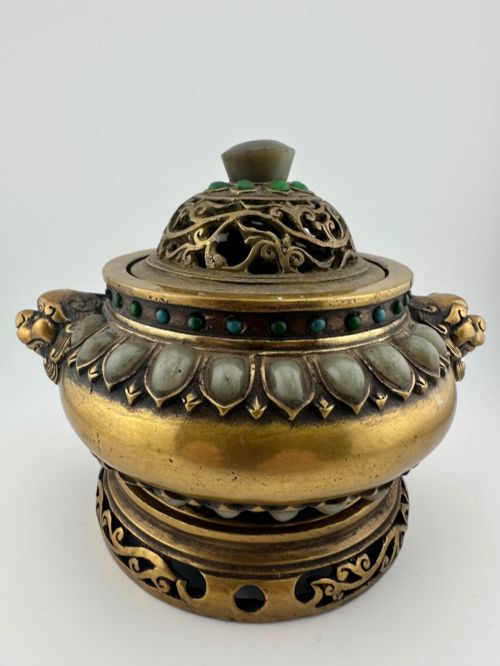
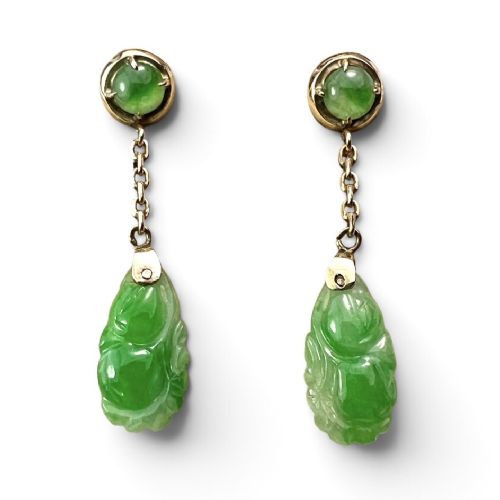
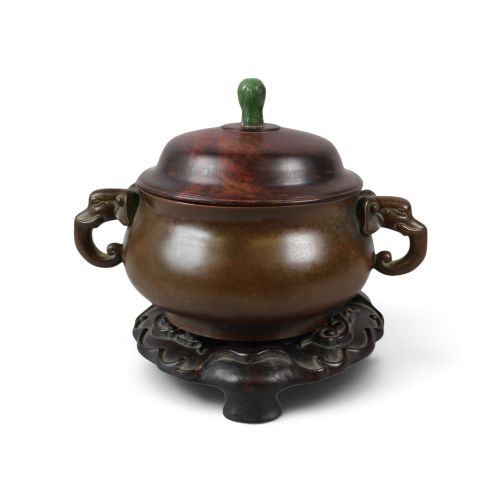
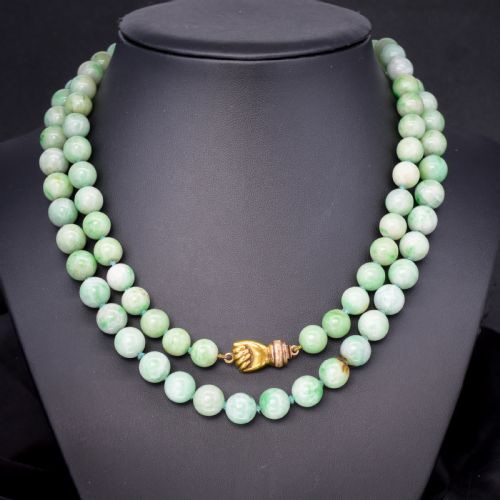
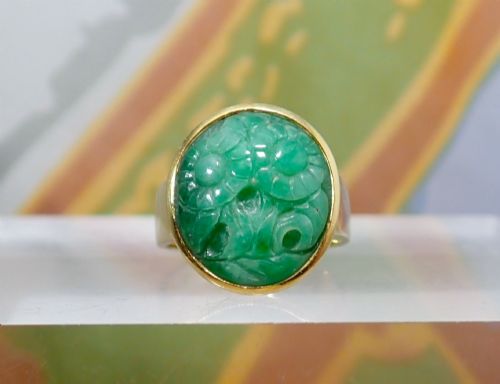
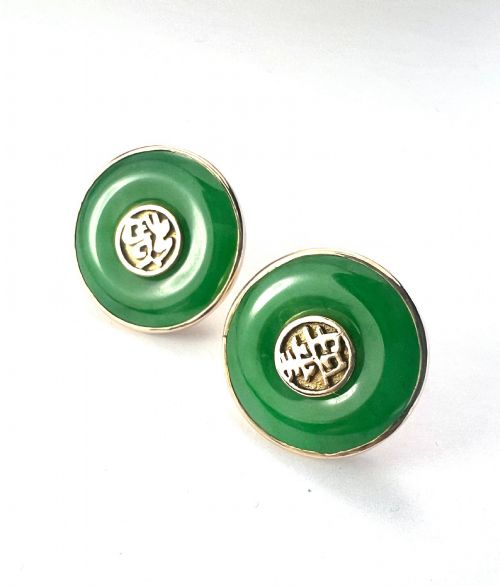
When you search for antique chinese jade, you are looking at items that bridge centuries of lapidary tradition, ranging from Qing Dynasty scholar's brush washers and tripod censers to Art Deco gold drop earrings and beaded strand necklaces. The pieces you are most likely to meet on this page span the late nineteenth century through the Chinese Republic period, alongside earlier eighteenth-century carvings.
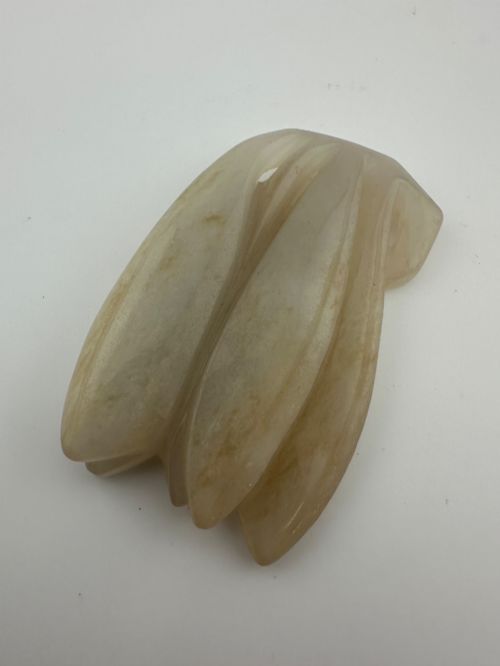
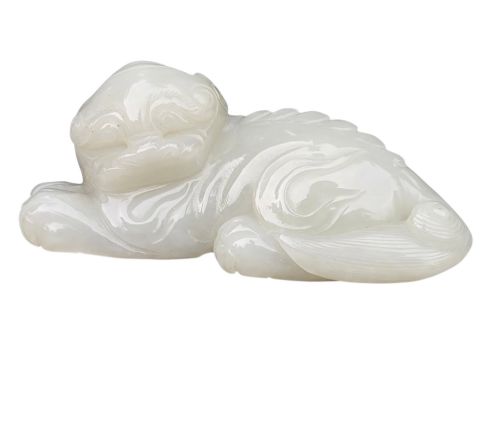
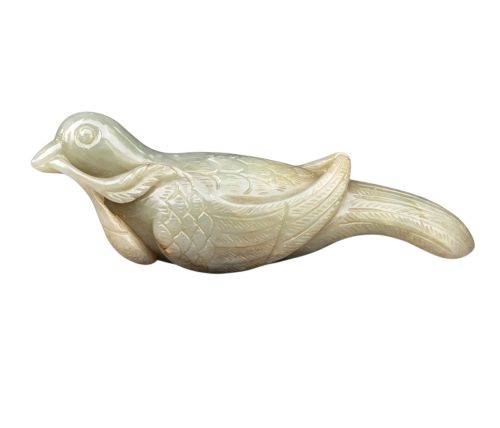
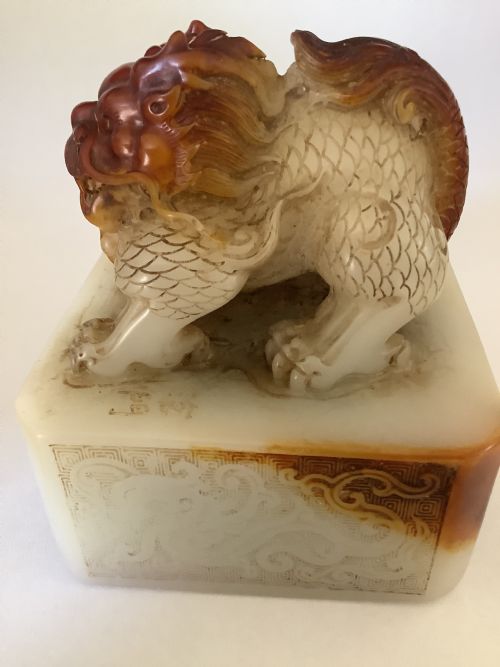
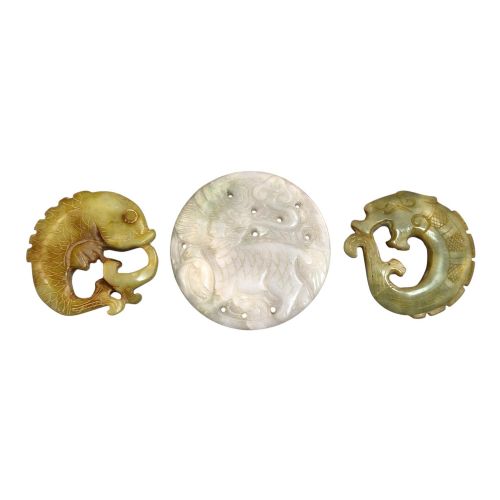
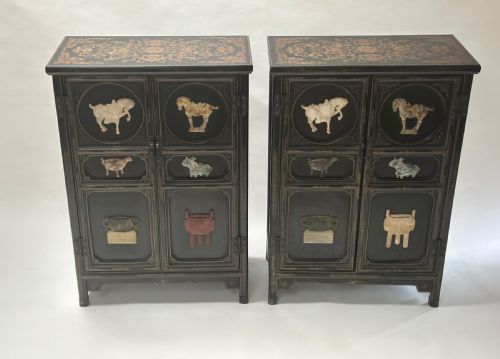
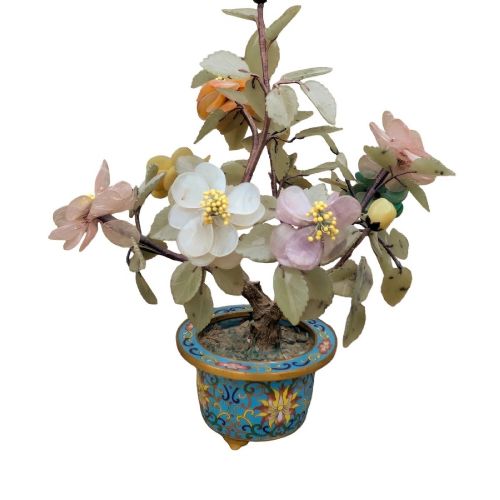
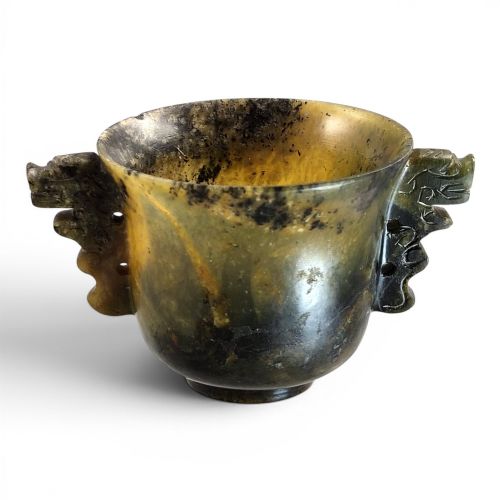
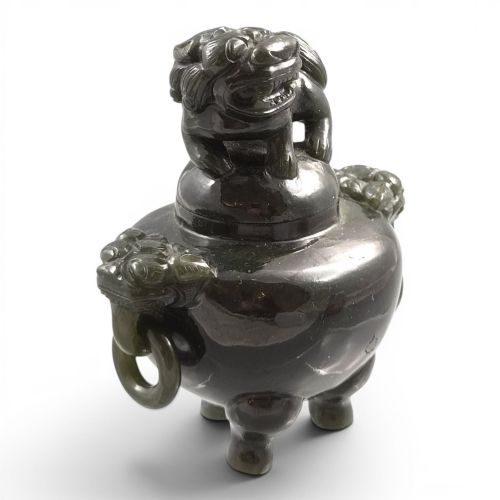
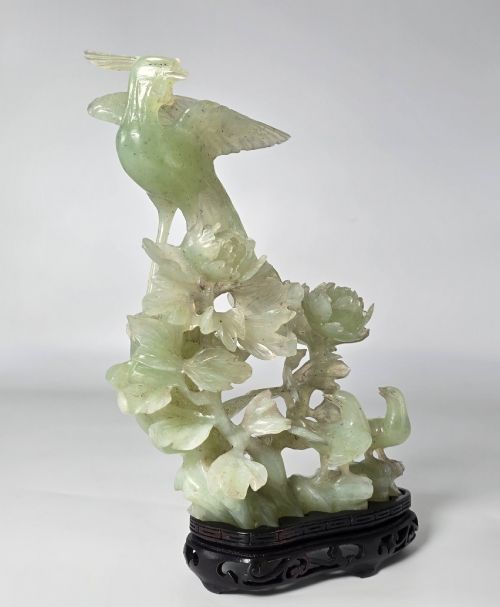
The material takes many forms, appearing as pale celadon, spinach-green, white jade and jadeite, shaped into animal motifs such as cicadas, mythical beasts, dragons and foo dogs. Functional items like libation cups, incense burners and snuff bottles sit alongside wearable ornaments including rings, pendants and bangles.
These works reflect both traditional Chinese aesthetics, rooted in archaic ritual bronzes and auspicious symbolism, and later international markets that combined native carving with Western gold settings and mountings.
Materials and Craftsmanship
The carvers worked primarily with nephrite and jadeite, dense and fibrous minerals that resist steel tools and require abrasive sands and rotary wheels to shape, hollow and polish. This resistance determined the fluid, rounded contours seen in mountain landscape sculptures, bi discs and pendant amulets.
Metals such as gold, silver and silver-gilt frequently appear as mountings, bezels and chains on rings, earrings and magnifying glasses, particularly in pieces produced for export during the late Qing and Art Deco periods.
Camels, cicadas and mythical beasts share the stage with functional magnifying glasses and bookends.
Evaluating Quality in Carving
Quality rests in the fluency of the incision and the depth of the relief, where superior examples display crisp, confident detailing on complex subjects like double dragons, figures and aquatic motifs without losing the natural curvature of the stone.
The translucency, purity and natural colour distribution of the mineral itself dictate value, with evenly saturated white and pale celadon nephrite or vibrant green jadeite commanding greater attention than heavily mottled or dull material.
The integration of the raw material's inherent flaws or russet inclusions into the design demonstrates the carver's skill, distinguishing masterworks from routine production pieces.
The Antique Chinese Jade Glossary
- Nephrite
- A dense, tough amphibole mineral that forms one of the two distinct types of jade used in Chinese carving. It ranges in colour from creamy white to deep spinach-green.
- Jadeite
- A pyroxene mineral that forms the second major type of jade, valued for its bright emerald-green tones and greater translucency.
- Celadon Jade
- A pale grey-green variety of nephrite that mimics the subtle hues of ancient ceramics. It was frequently utilised for scholar's objects and animal carvings.
- Bi Disc
- A flat circular jade disc with a circular hole in the centre, historically associated with ancient ritual and cosmology. Later periods revived the form as an amulet.
- Archaistic
- A stylistic descriptor for later works that deliberately emulate the shapes, motifs and patination of ancient bronze and jade antiquities. These designs often feature taotie masks and stylized dragon patterns.
Antique Chinese Jade: Frequently Asked Questions
What is the difference between nephrite and jadeite?
Nephrite and jadeite are chemically distinct minerals, though both are classed as jade. Nephrite is a calcium-magnesium silicate with a fibrous structure, while jadeite is a sodium-aluminum silicate.
Nephrite was the traditional stone of choice for ancient and dynastic Chinese carvers due to its toughness, whereas jadeite became more prominent during the late Qing and Republic periods.
How were scholarly jade items used?
Objects such as brush washers, water birds, libation cups and incense burners formed part of the scholar's desk assemblage in traditional China. They were utilised for writing, contemplation and appreciation of material purity.
These functional items combined utility with moral and philosophical symbolism, reflecting the refined tastes of the literati class.
How can I distinguish Republic period pieces?
Republic period items, dating from roughly the 1910s to the 1940s, often combine traditional motifs like the Qilin or double dragon with more fluid, naturalistic carving techniques. They frequently appear as pendants, plaques and beads.
During this era, production adapted to global trade, leading to the pairing of traditional Chinese carvings with Western-style jewellery mounts.
How should I care for antique jade?
Jade is a durable mineral that resists scratching from common household materials, but mounted pieces require care to protect delicate gold or silver settings. Clean carved surfaces gently with warm water and a soft cloth.
Avoid harsh chemical cleaners and ultrasonic baths, which can damage natural mineral inclusions or older organic mountings.