


Chinese Stone Carving
Chinese stone carving brings together centuries of meticulous lapidary work, offering collectors everything from soapstone scholar's objects to archaic jade ritual vessels.
Chinese Stone Carving
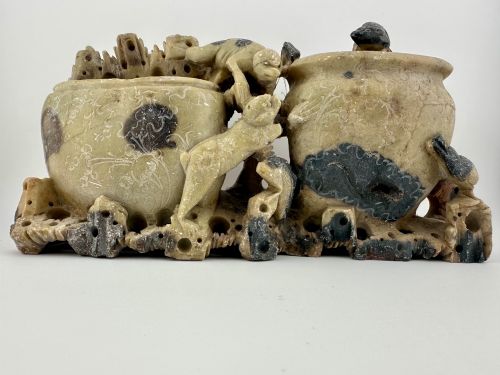
A Chinese stone carving encompasses a wide spectrum of historic objects, ranging from utilitarian desk accessories like brush pots and seals to monumental figures and intricate landscape sculptures. Buyers searching this phrase meet an assortment of scholarly and decorative pieces shaped from organic minerals.
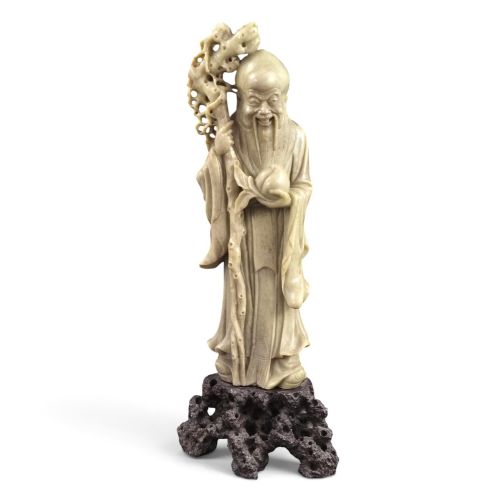
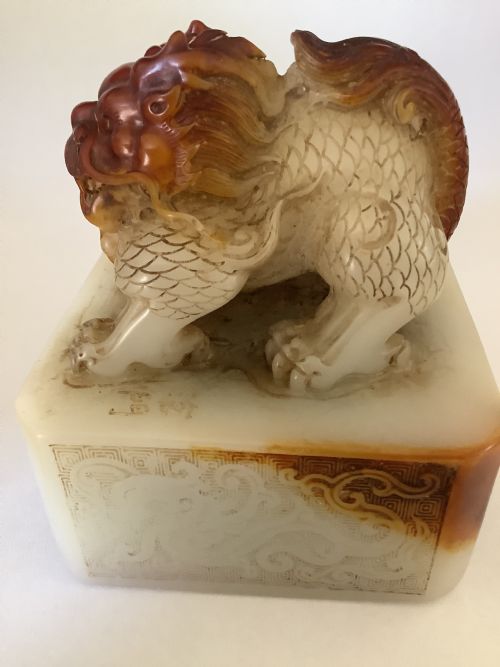
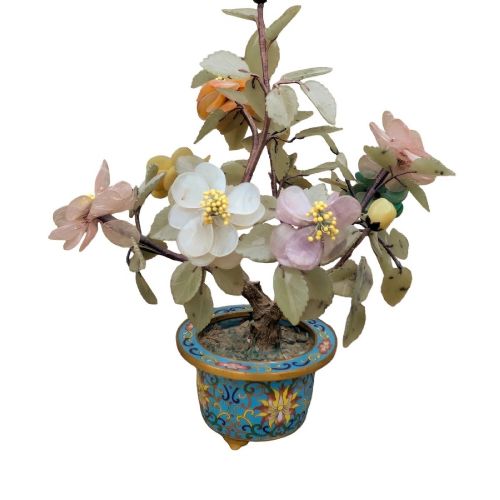
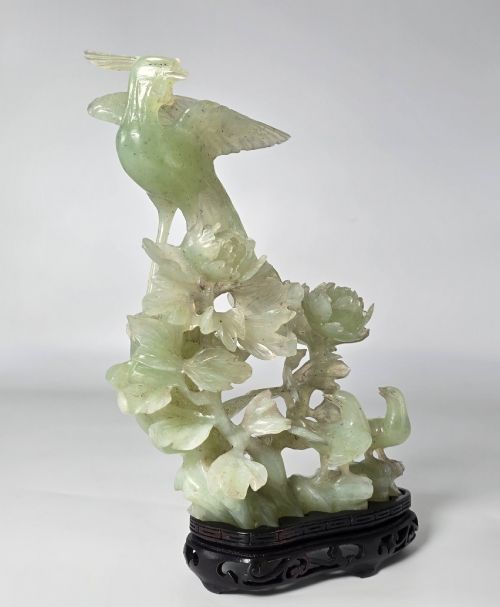
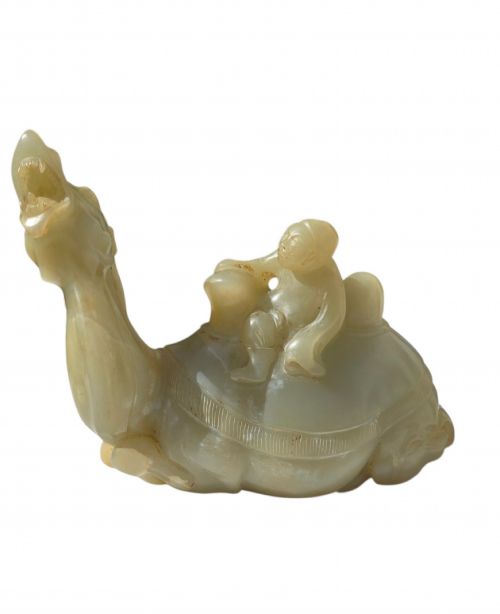
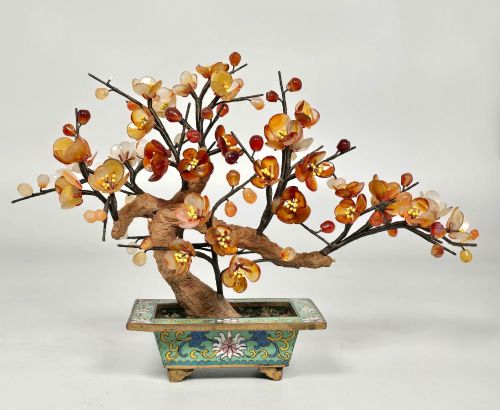
The items most frequently encountered on this page date from the nineteenth and early twentieth centuries, reflecting the late Qing Dynasty and early Republic periods. These include soapstone mountain groups, jade animal figures, and hardstone bonsai trees set into hardwood stands.
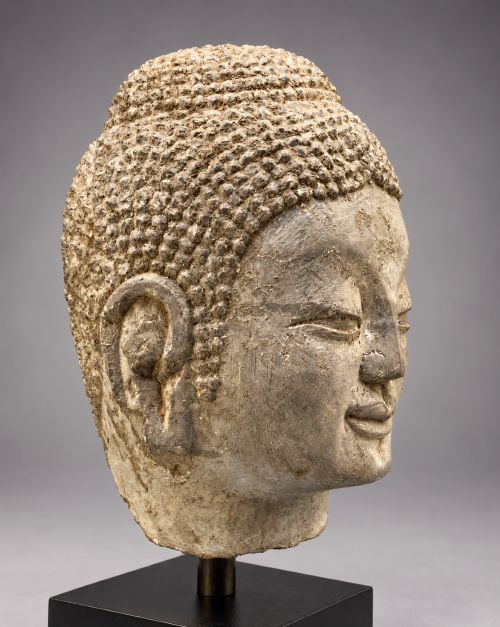
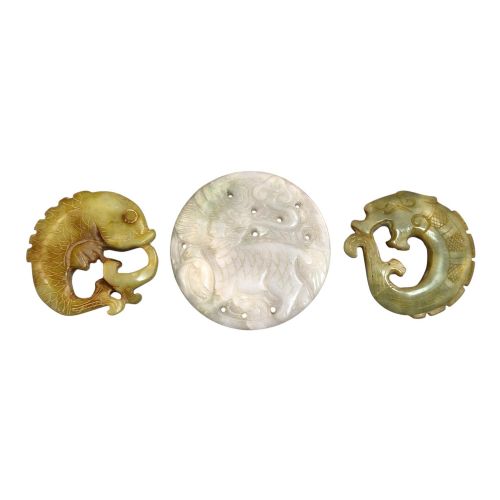
Scholarly items such as brush washers and soapstone figures dominate the selection, alongside decorative vessels like incense burners and bi discs. Architectural fragments and limestone sculptures from earlier dynasties occasionally appear among the nineteenth-century works.
Materials and methods
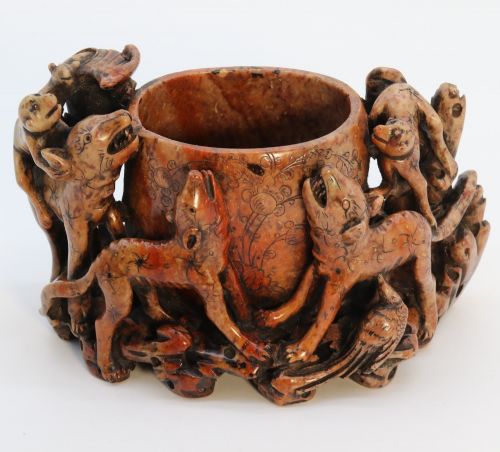
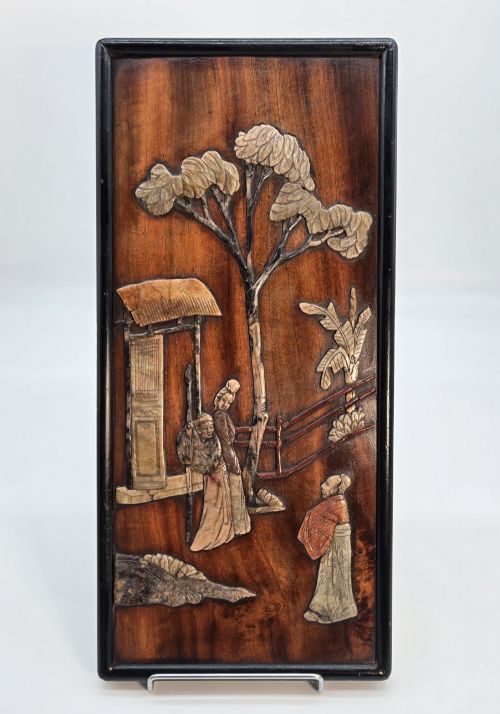
Lapidaries utilised a variety of mineral mediums, predominantly soapstone, jade, jadeite, nephrite, and hardstone, often pairing them with carved hardwood stands or gold mounts. Soapstone allowed for deep, detailed undercut relief work found in scholar's table groups.
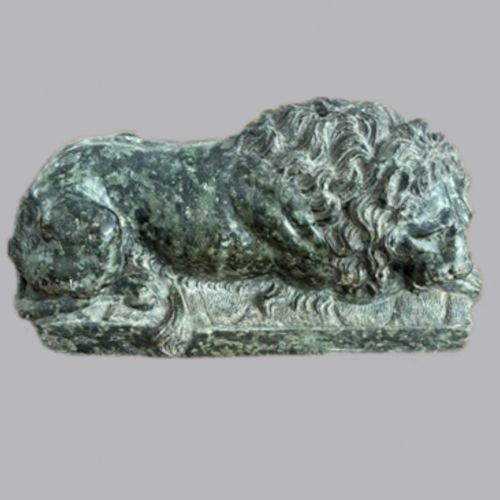
Carvers employed abrasive sands and rotating tools to shape tough stones like nephrite and jadeite, exploiting natural russet inclusions and tonal variations within the material. Softer stones like limestone and sandstone were shaped with chisels for architectural and figural sculptures.
Chinese Stone Carving Retail Price Guide 2026
Typical asking prices for chinese stone carving among the pieces listed under this phrase on Sellingantiques today, from the lower quarter to the upper quarter. They describe what is for sale here now, not the wider market.
Listings feature soapstone, jade, nephrite, and hardstone fashioned into scholar's objects, figures, and bonsai trees across the nineteenth and early twentieth centuries.
Distinctions in quality
Quality rests upon the harmony between the natural characteristics of the stone and the ambition of the carving. Superior pieces display thoughtful utilisation of tonal variations, whereas lesser works ignore natural flaws or inclusions.
Depth of relief and undercut detailing separate standard decorative objects from exceptional scholar's pieces. Crisp execution in complex motifs, such as dragons and figures, marks the work of skilled lapidaries.
The Chinese Stone Carving Glossary
- Soapstone
- A talc-schist mineral easily carved by hand, frequently utilised for nineteenth-century Chinese scholar's objects and figural groups. Its relative softness allowed artisans to achieve intricate undercut details.
- Jade
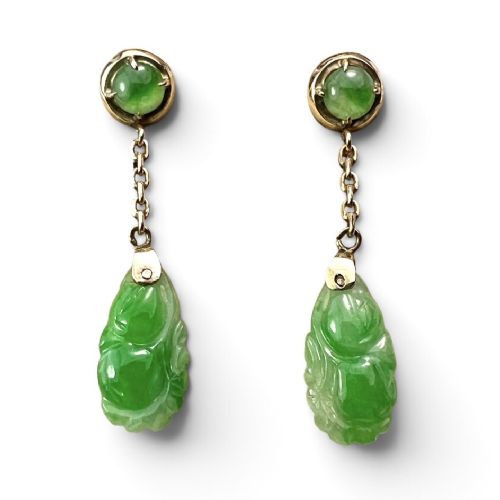
- A term encompassing nephrite and jadeite, prized for toughness and smooth lustre. It appears in historic carvings ranging from archaistic cups to miniature animal sculptures.
- Bi disc
- A flat circular jade or stone object with a circular hole in the centre, often associated with ancient ritual use. Later historic examples incorporate traditional motifs such as chilong dragons.
- Brush washer
- A small scholarly vessel designed to clean ink brushes, commonly carved from soapstone or jade. These pieces often take the form of naturalistic landscapes or lotus leaves.
- Taotie
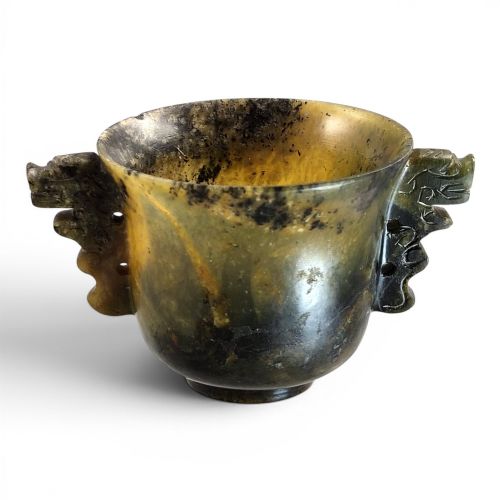
- A stylised zoomorphic mask motif found on archaic and archaistic vessels, featuring prominent eyes and symmetrical horns. It frequently decorates the handles of jade cups.
Chinese Stone Carving: Frequently Asked Questions
What is a Chinese stone carving?
A Chinese stone carving is a decorative or scholarly object shaped from minerals such as soapstone, jade, and hardstone by traditional lapidaries.
These pieces range from functional desk accessories like brush pots and seals to sculptural figures and landscape groups.
How do I identify soapstone pieces?
Soapstone carvings generally exhibit a soapy texture and relatively soft surface compared to hardstone or jade.
They often appear in nineteenth-century scholar's items, displaying rich coloration from pale green to deep red and brown.
What are scholar's objects?
Scholar's objects are functional and contemplative items used by traditional Chinese literati on their desks.
This category includes brush washers, seals, and wrist rests carved from stone to inspire quiet reflection.
How do I care for jade and stone carvings?
Stone carvings require gentle dusting with a soft cloth and should be kept away from sudden temperature fluctuations.
Wooden stands accompanying these sculptures benefit from occasional polishing with suitable wax.