

Chinese Jade Carving
A Chinese jade carving brings together ancient mineral forms and meticulous hand-shaping, offering tangible connections to imperial workshops and domestic scholar desks alike.
Chinese Jade Carving
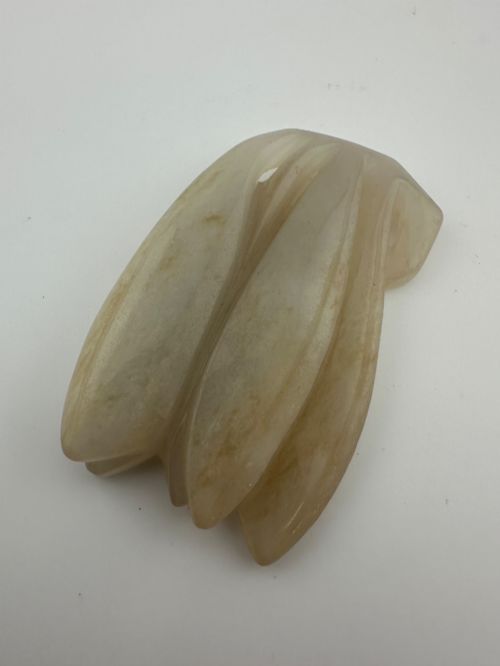
A chinese jade carving encompasses portable figures, scholar objects, and vessels shaped from dense green, white, spinach, and pale celadon minerals. Pieces emerge from several distinct eras, stretching from the Qing dynasty through the Republic period and into twentieth-century interpretations.
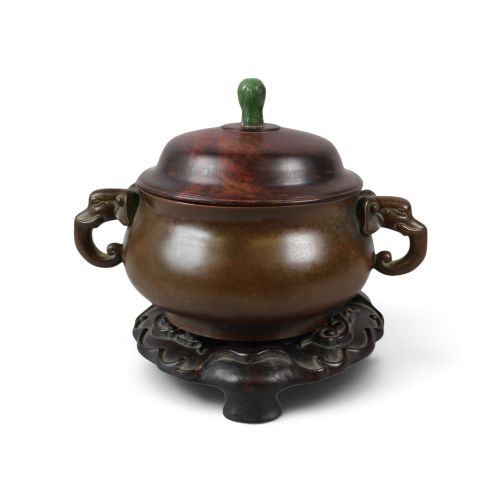
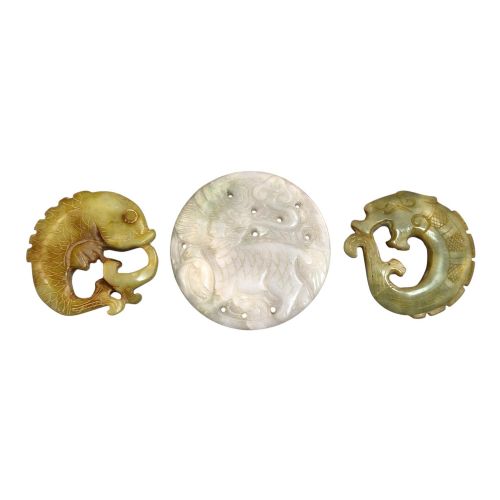
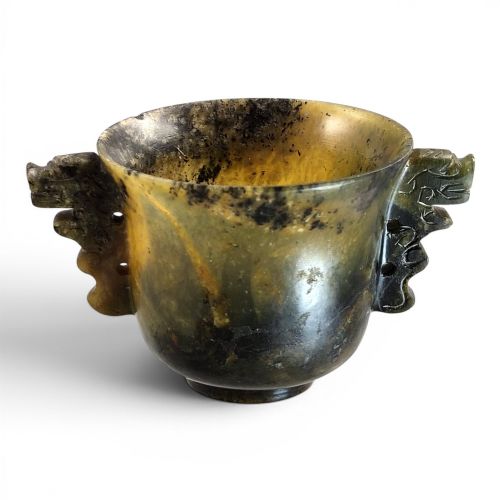
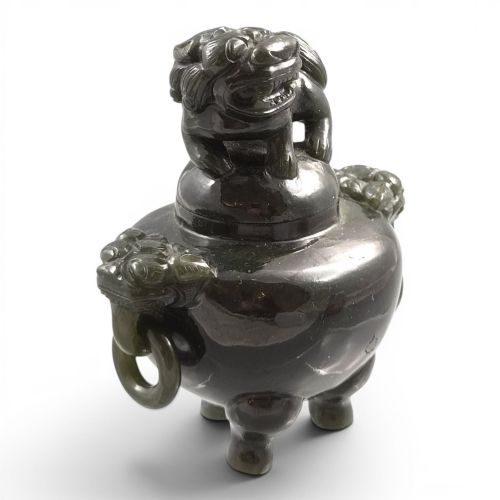
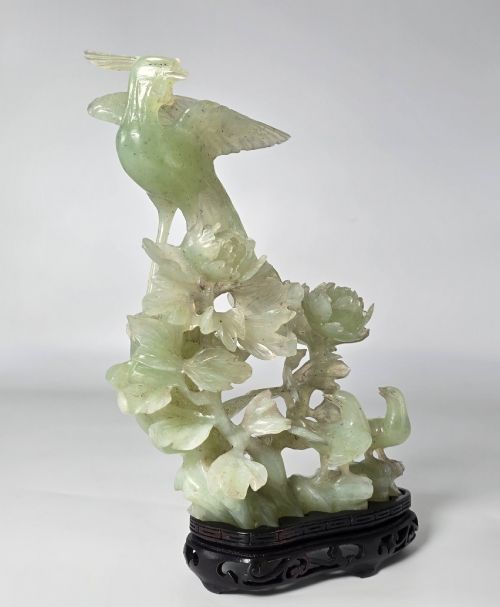
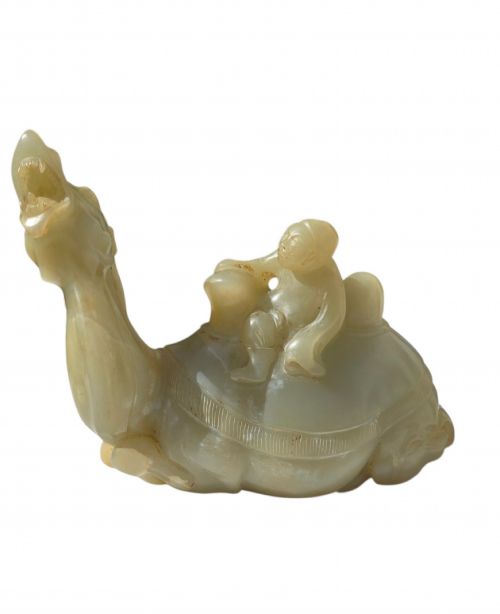
The objects take many forms, including small pendants, snuff bottles, brush washers, incense burners, and larger sculptural groupings of animals or mythical beasts. Buyers frequently encounter nineteenth-century works alongside Edwardian and 1930s variations mounted in gold or paired with custom hardwood stands.
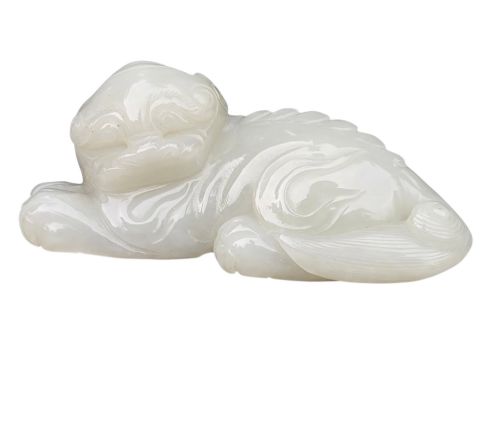
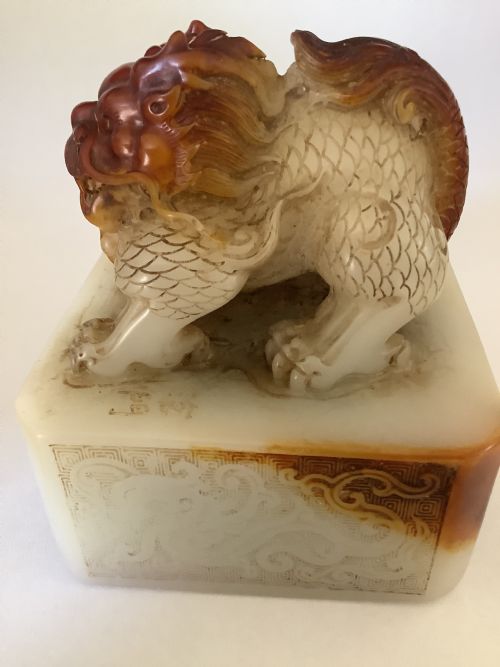
Items range from minimalist bi discs and flat amulets to elaborate mountain landscape sculptures and lidded censers. Many examples incorporate traditional motifs such as foo dogs, qilin, chilong dragons, and lotus blossoms.
Materials and carving techniques
Makers utilised nephrite and jadeite alongside related hardstones like bowenite serpentine and general hardstone variants. The stubborn hardness of these minerals required patience, abrasive sands, and rotating tools rather than simple metal blades.
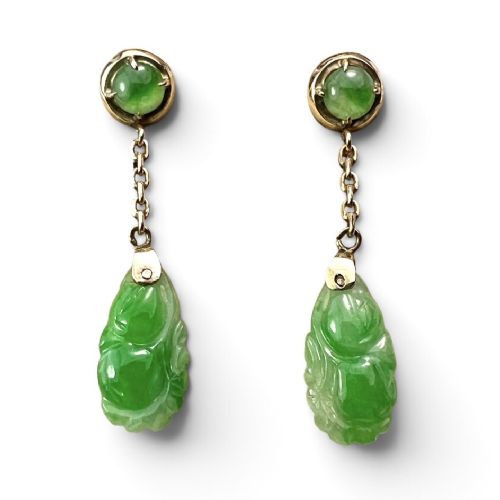
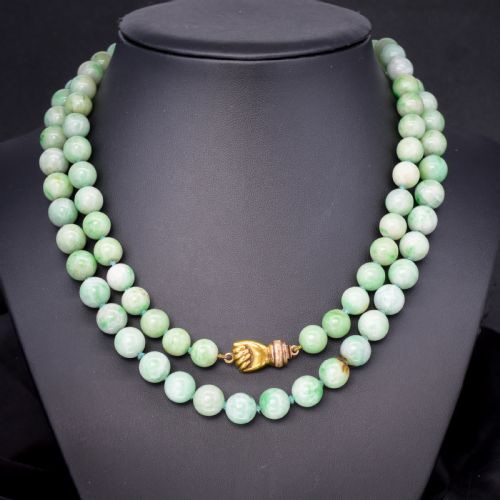
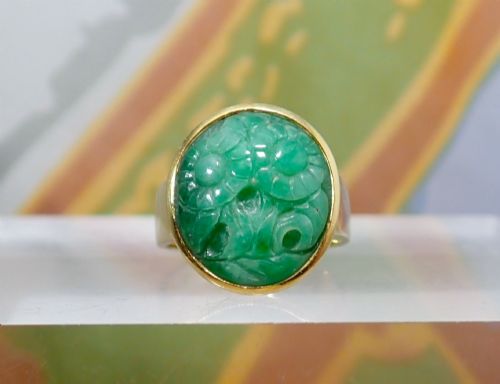
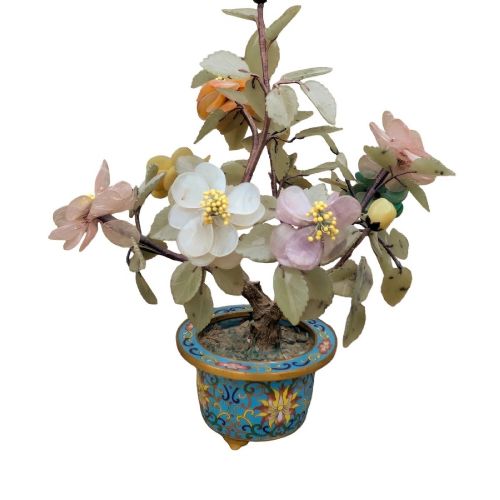
Listings feature hardstone, nephrite, and jadeite formed into earrings, rings, snuff bottles, and bonsai jardiniere arrangements.
Assessing quality in carved jade
Quality rests in the relationship between the natural stone and the discipline of the hand-carved detail. Superior pieces display fluid lines that respect the mineral's grain, while simpler items show rigid or uninspired tool marks.
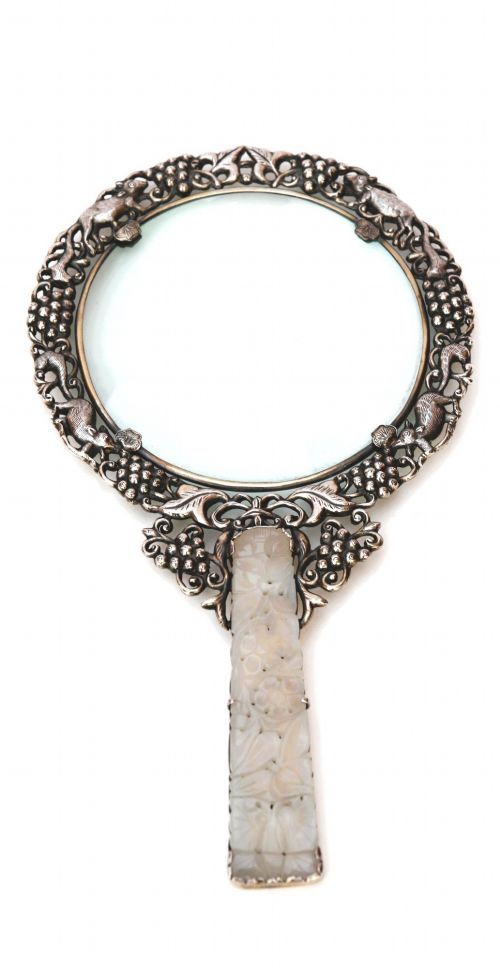
Depth of relief and undercut work separate ambitious sculptures from flat or summary silhouettes. The integration of mounts, such as gold settings or silver fittings, also influences the overall cohesion of the piece.
The Chinese Jade Carving Glossary
- Nephrite
- A dense, tough amphibole mineral utilised extensively in traditional Chinese carving. It yields a smooth, waxy lustre when polished.
- Jadeite
- A pyroxene mineral valued for its bright green tones and crystalline structure. It appears frequently in later nineteenth and twentieth-century jewellery.
- Celadon
- A pale green or grey-green colour glaze or mineral tone. The descriptor denotes soft translucent hues found across multiple periods.
- Archaistic
- A style that deliberately mimics the forms, motifs, and patination of ancient bronzes. Makers applied these patterns to later cups, vessels, and bi discs.
- Bi disc
- A flat circular jade object with a circular hole in the centre. These ancient ritual forms persisted as traditional amulet motifs.
Chinese Jade Carving: Frequently Asked Questions
What is a Chinese jade carving used for?
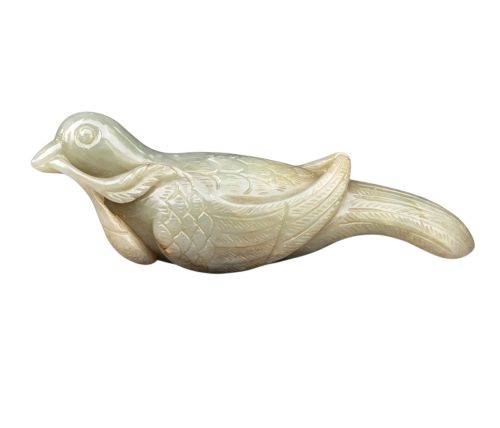
Many smaller items served practical roles on scholar desks, such as brush washers, water birds, and seals for stamping documents.
Other configurations functioned as personal adornments, pendants, or purely decorative sculptures displayed on custom wooden bases.
How do I date a Chinese jade carving?
Dating relies on stylistic clues, mounting materials, and the specific iconography associated with periods like the Qing dynasty or the Republic era.
Gold settings from the 1920s or 1940s point to twentieth-century jewellery adaptations, while archaic motifs often reflect later revivals.
What is the difference between nephrite and jadeite?
Nephrite is an amphibole mineral with an interlocking fibrous structure that makes it extremely tough and suitable for intricate, smooth-edged carving.
Jadeite is a pyroxene mineral that often presents brighter emerald tones and a more granular texture within later ornaments.
How should I display jade carvings at home?
Many sculptures and vessels come with fitted hardwood stands designed to cradle their specific bases safely on flat surfaces.
Pendants and smaller objects benefit from stable display cabinets where their translucency catches natural light.