
Antique Asian Carving
These antique asian carving pieces span centuries of sculptural craft and domestic utility, bringing tactile depth and historical resonance to modern interiors.
Antique Asian Carving
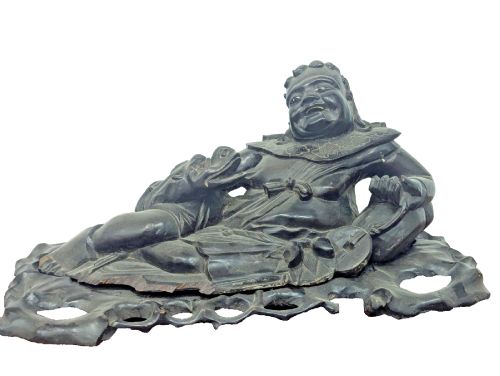
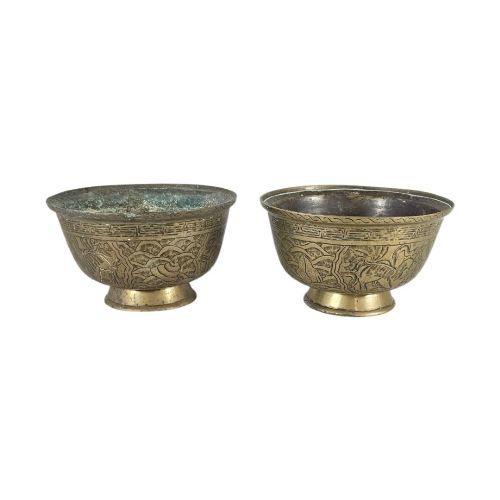
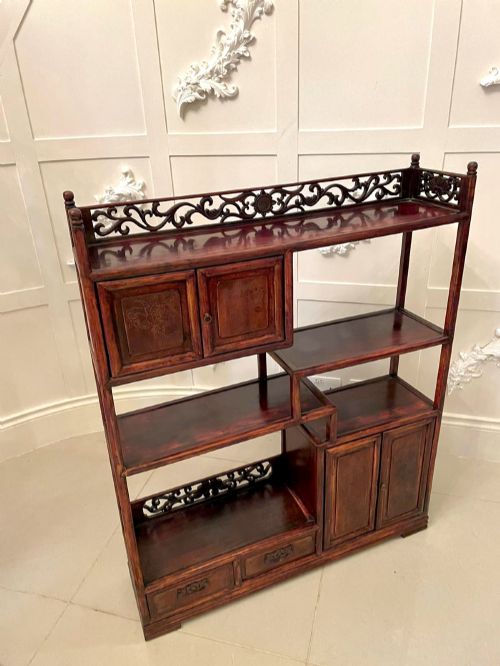
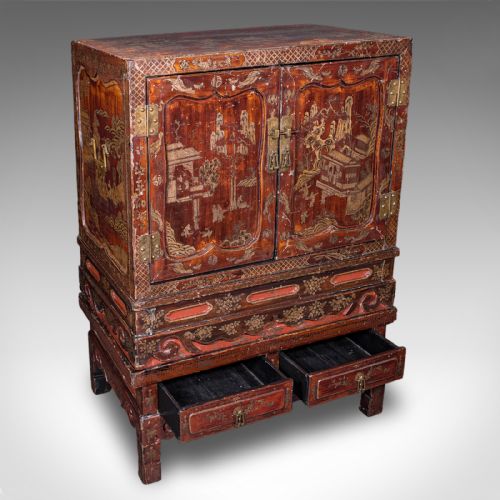
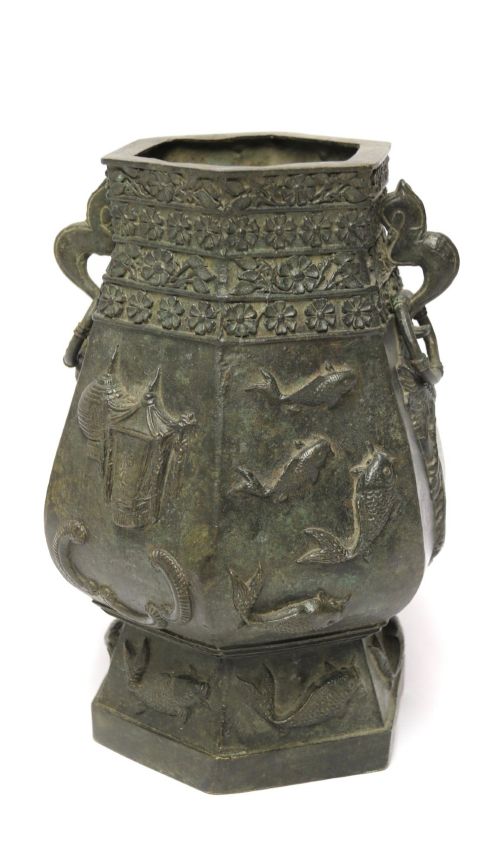
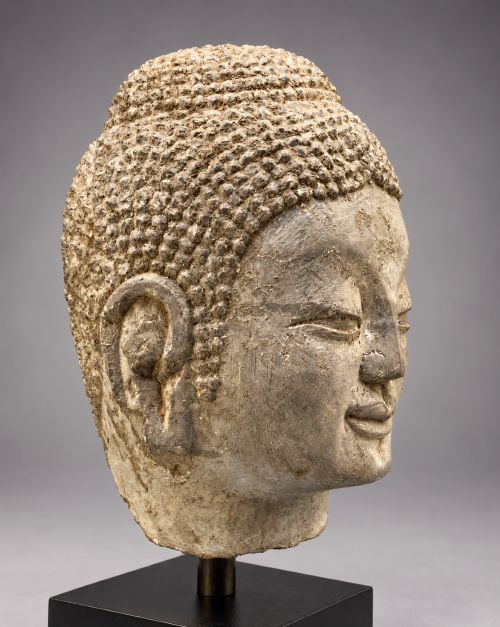
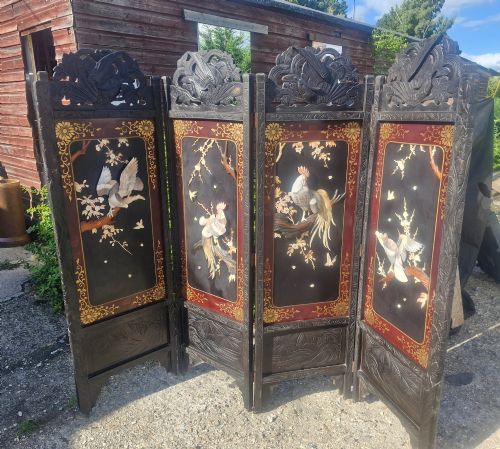
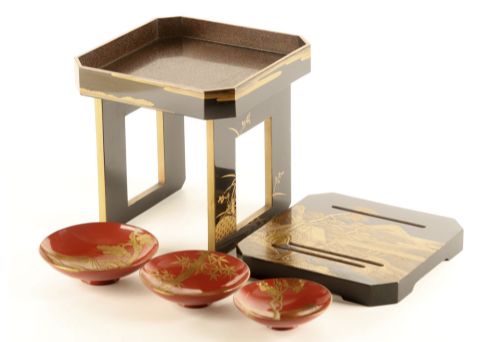
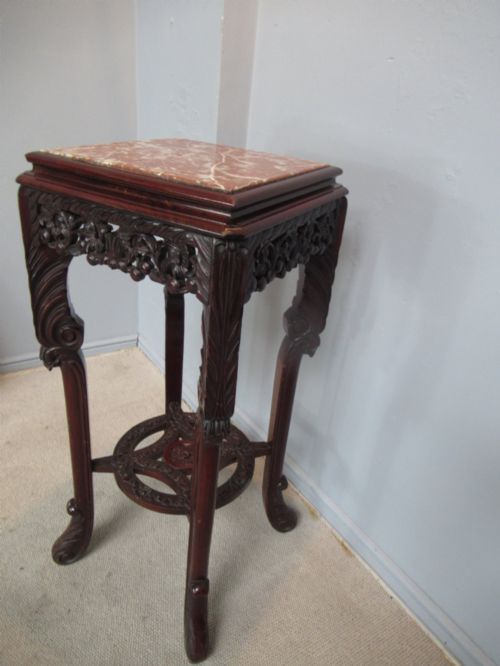
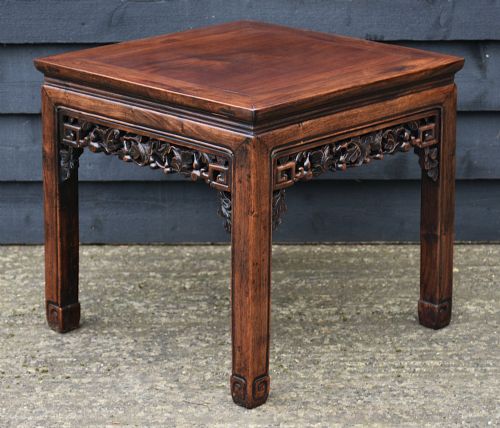
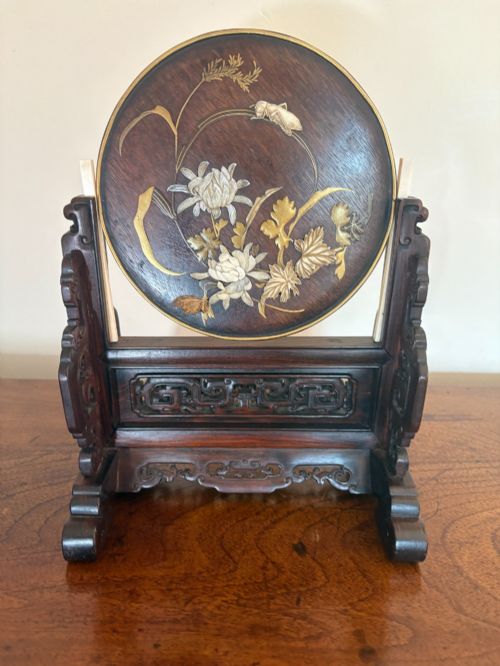
When you search for antique asian carving, you encounter a diverse range of objects shaped by traditional hands across centuries, predominantly hailing from Chinese Qing and Ming dynasties alongside Japanese Meiji periods. The selection on this page ranges from utilitarian vessels and furniture to devotional figures, incense burners, and decorative screens fashioned from organic and mineral materials.
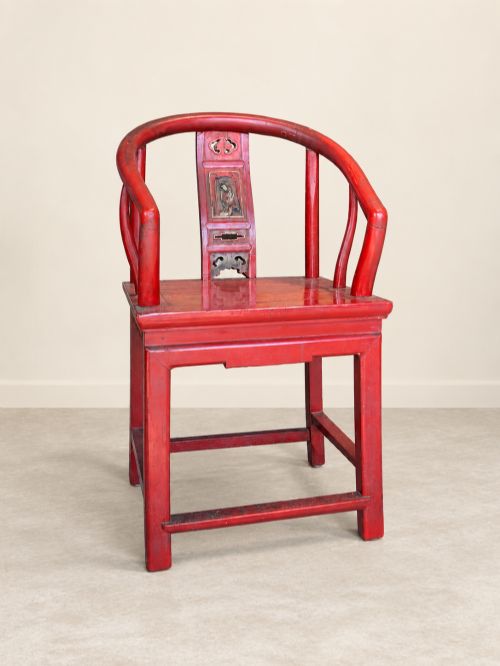
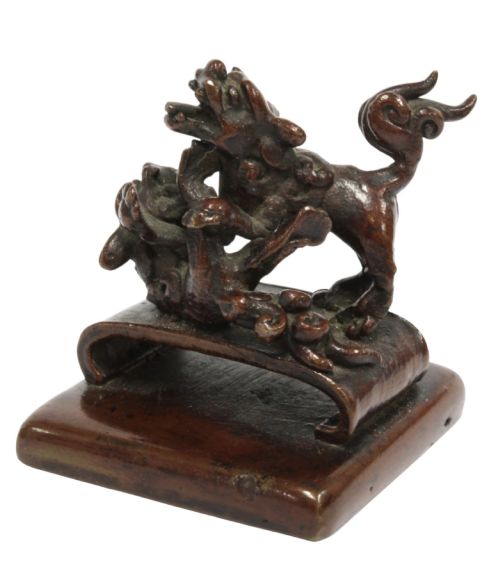
You are most likely to meet hardwood furnishings, bronze censers, and carved wooden sculptures dating from the nineteenth and early twentieth centuries. These items reflect both domestic utility, such as low tables and armchairs, and spiritual or scholarly pursuits through scholar's seals, ritual ewers, and depictions of Daoist immortals.
Materials and construction methods
Artisans utilised dense timbers like rosewood, padouk, elm, and hardwood alongside cast bronze and copper alloys, shaping them with hand tools to achieve deep relief and intricate detailing. Many surfaces incorporate applied elements such as mother of pearl inlay, carved bone, lacquer layers, and delicate jade or qilin finials.
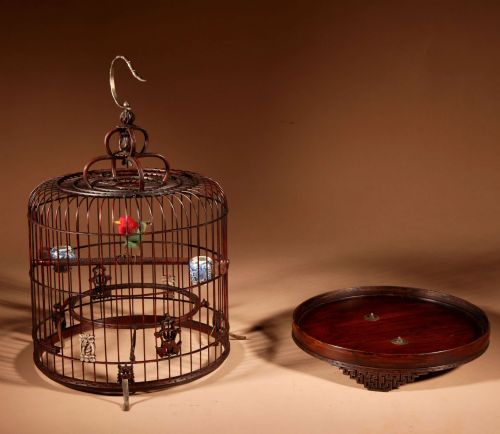
Construction relied on traditional joinery for furniture and precise casting or hand-carving for sculptures and vessels, often pairing organic mediums like bamboo, water buffalo horn, and red coral with bespoke wooden stands.
Yak butter tea pots remind us that historic trade routes occasionally involved dairy products suited for high-altitude mountain monks.
Determining quality in carved pieces
Quality rests in the depth and crispness of the carving, where higher-tier examples display confident, highly detailed relief work without mechanical shortcuts or shallow incisions. The selection of materials also dictates standing, with heavier bronzes, well-figured rosewood, and intact organic inlays such as mother of pearl or red coral separating superior pieces from simpler variants.
Proportion and structural integrity further define the tier of an object, alongside the survival of original patination, custom stands, and finials that complement the primary form rather than replacing it later.
The Antique Asian Carving Glossary
- Qing Dynasty
- The final imperial dynasty of China, lasting from 1644 until 1912. Pieces from this era often display elaborate motifs and high-relief carving.
- Meiji Period
- An era of Japanese history running from 1868 to 1912 characterised by opening trade and exceptional metalwork and decorative arts.
- Censer
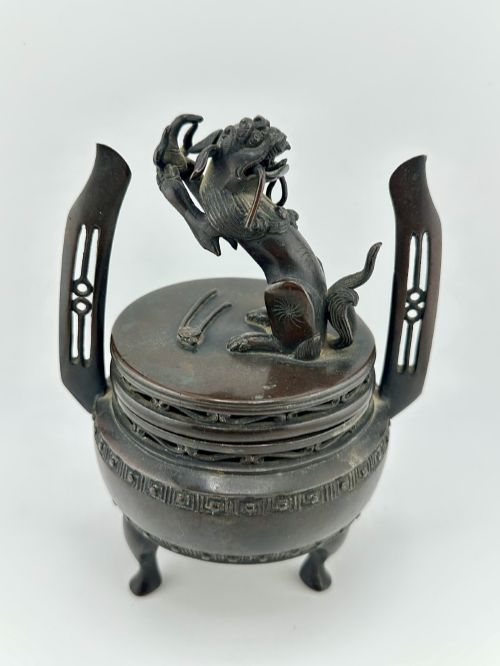
- A vessel used for burning incense. These often feature tripod legs and ornate animal-form finials.
- Ruyi Sceptre
- A traditional Chinese curved decorative ornament signifying power and good fortune. They are frequently carved from jade, bone, or wood.
- Shishi
- A mythical guardian lion or Foo dog depicted in Asian art. They symbolise protection and frequently appear on bronze vessels and wooden statues.
Antique Asian Carving: Frequently Asked Questions
How were bronze censers used?
Bronze censers served both practical and spiritual functions in traditional households, burning aromatic incense during meditation, scholarly study, or ancestral rituals.
Placed on desks or altars, these vessels often included fitted covers and intricate finials to control smoke release and enhance the aesthetic of the room.
What is a scholar's seal?
A scholar's seal was a personal stamp utilised by educated elites, artists, and officials in China to sign documents, paintings, and calligraphy.
Carved from materials such as bronze or stone, these objects were prized possessions reflecting the refined taste and status of their owners.
How do I care for wooden furniture?
Antique wooden furniture requires a stable environment away from direct sunlight and extreme humidity fluctuations to prevent splitting or warping.
Regular dusting with a soft, dry cloth maintains the finish, avoiding harsh commercial polishes that can damage centuries-old patination.
What distinguishes Meiji period bronzes?
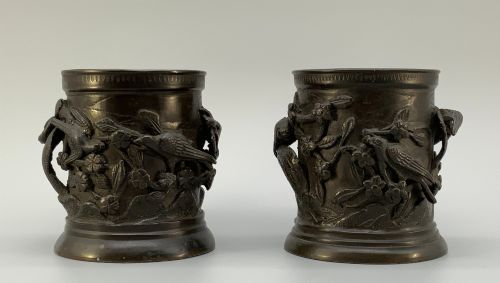
Meiji period bronzes showcase exceptional technical mastery achieved by Japanese metalworkers during a time of intense artistic revival.
These pieces frequently feature naturalistic subjects like birds, blossoms, and high-relief figures rendered with remarkable surface texture and controlled patination.