


Asian Art Sculpture
Asian art sculpture brings remarkable presence into a room, drawing the eye through centuries of dedicated craftsmanship and rich material texture.
Identifying Asian art sculpture
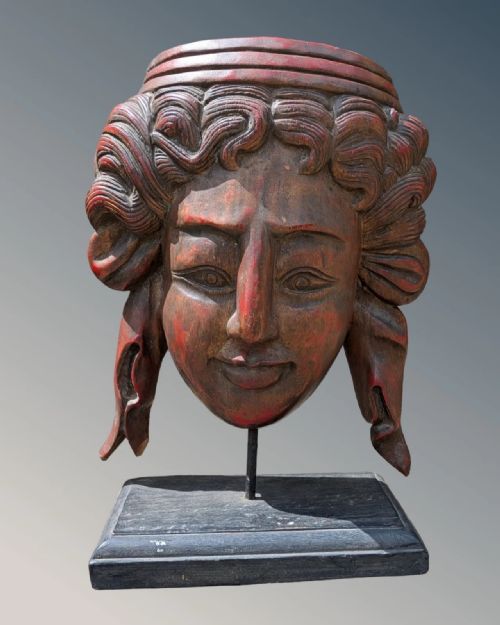
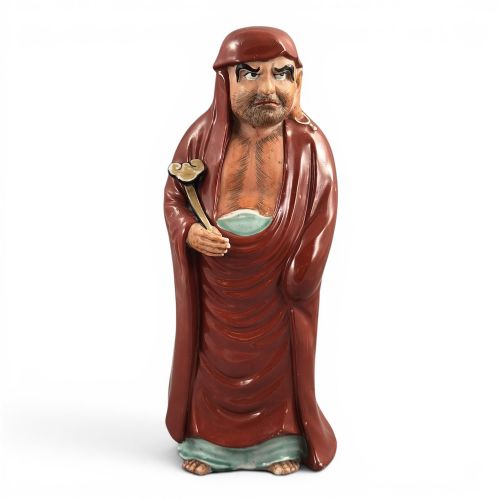
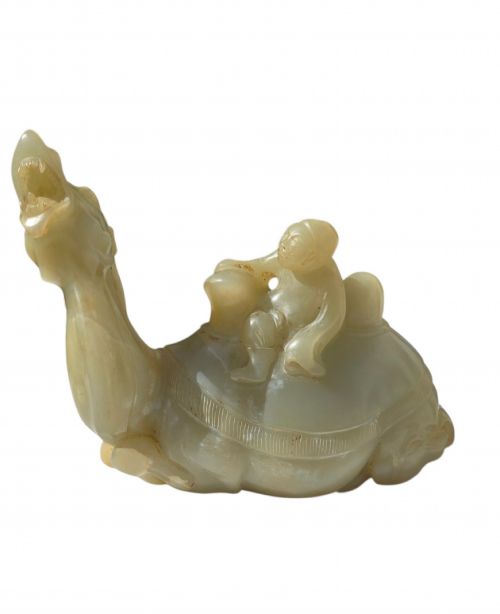
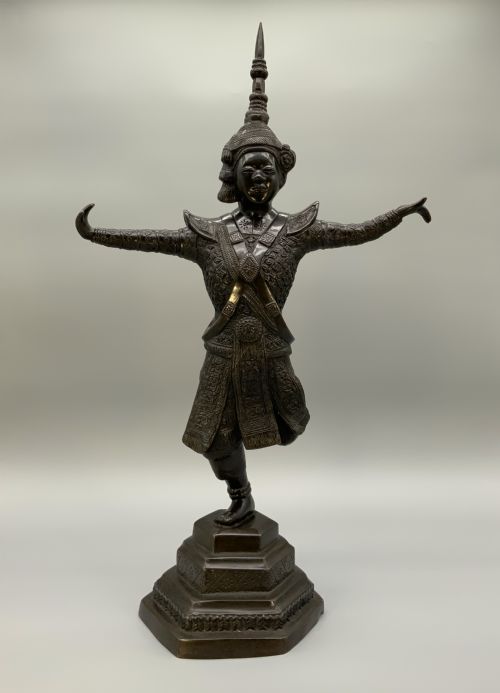
When you search for asian art sculpture, you enter a diverse field spanning Chinese, Japanese, and Tibetan traditions from the nineteenth and early twentieth centuries. These works range from monumental temple guardians and ritual figures to garden bronzes and delicate porcelain deities.
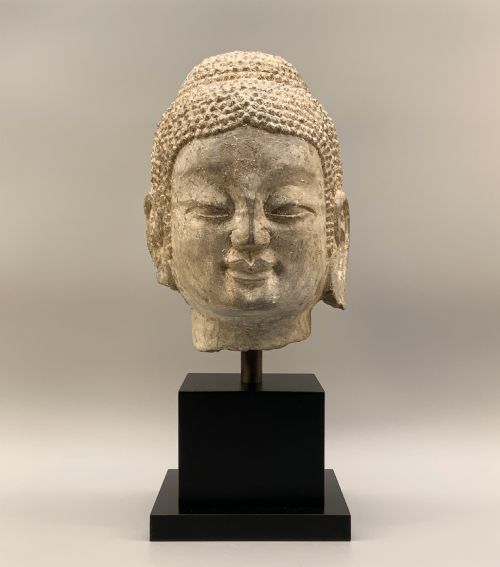
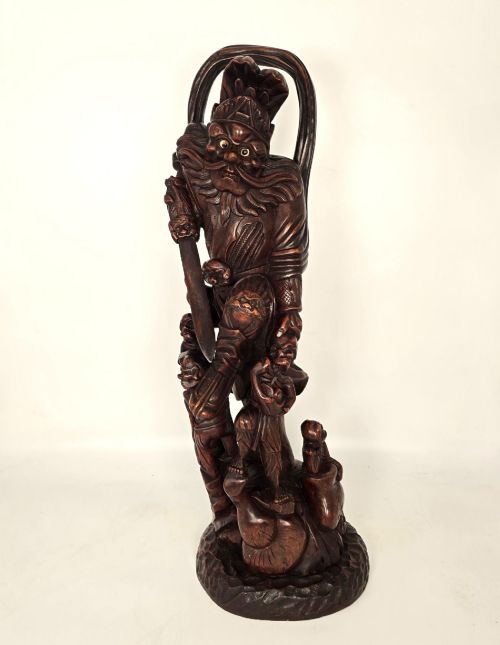
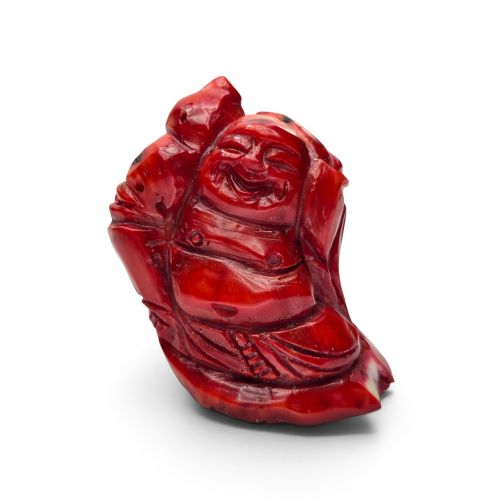
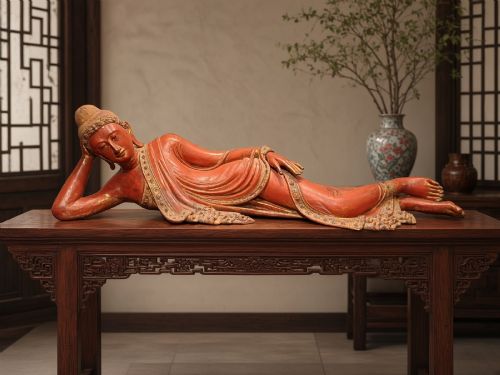
The pieces you are most likely to meet on this page include carved hardwood guardian figures, polychrome wood Buddhas, coral figural groups, and bronze garden bridges. Each form reflects distinct cultural narratives and devotional practices.
Originating across various dynasties and eras, such as the Japanese Meiji period and the Chinese Qing Dynasty, these sculptures utilise traditional iconography to convey spiritual and aesthetic significance. Collectors encounter both large interior statues and smaller porcelain or coral table pieces.
Materials and construction
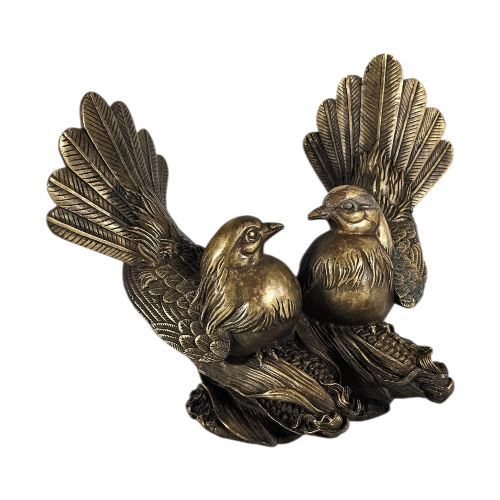
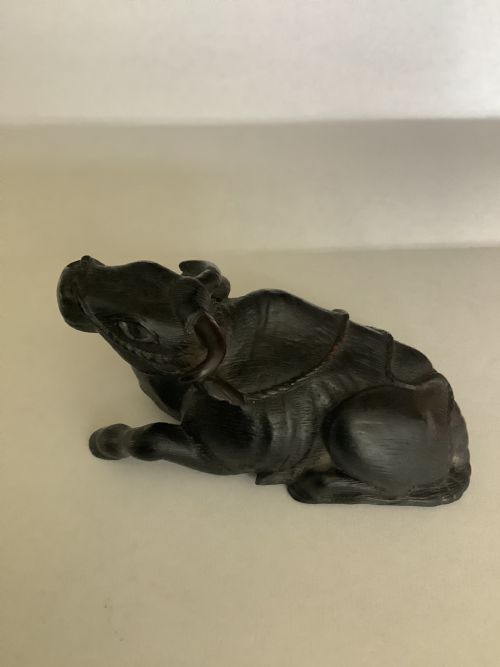
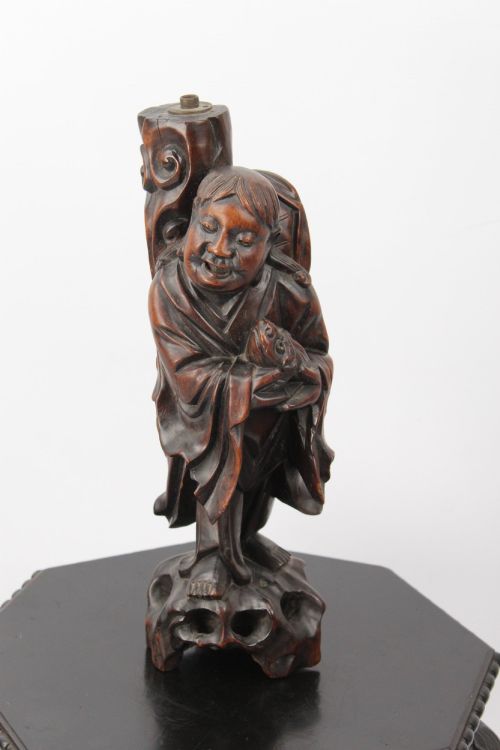
Makers shaped these sculptures from dense woods, cast bronzes, precious red coral, and Kutani porcelain, often combining materials with intricate inlay and polychrome pigment. Wood carvers employed high relief techniques to define flowing garments and muscular forms.
Metalworkers cast bronze garden structures and figures using traditional foundry methods, while ceramicists utilised enamel painting over porcelain bases. Each medium required specialised handling, from the careful seasoning of hardwood to the precise firing of glazed clay.
Retail Price Guide 2026
Typical UK retail prices for asian art sculpture, calculated from the Sellingantiques database of over a million retail prices indexed since 2003. This retail price guide relies exclusively on Sellingantiques data; no external sources or auction records are used, so the figures do not describe the wider market.
A porcelain Kannon rides atop a shishi lion, proving that mythical beasts make remarkably patient mounts.
Judging quality and execution
Quality rests upon the fluency of the carving or casting and the preservation of original polychrome pigment and surface details. Superior examples exhibit anatomical conviction and confident handling of drapery, whereas lesser works appear rigid and lack depth.
The integration of materials also defines the upper tier, where natural grain in hardwood or the subtle shading of enamel enhances the sculptural form. Master artisans achieved a balance between decorative detail and structural harmony that distinguishes exceptional pieces.
The Asian Art Sculpture Glossary
- Lokapala
- Guardian King. These figures are often depicted in dynamic poses with armour to protect the four quarters of the world.
- Budai
- A historical monk often portrayed as a stout, smiling figure associated with contentment and abundance. He frequently appears in Chinese figural groups.
- Kannon
- The Japanese bodhisattva of compassion. This revered figure appears in various forms across ceramic and bronze works.
- Meiji
- A period in Japanese history spanning from eighteen sixty-eight to nineteen twelve. Art from this era often combines traditional motifs with refined technical execution.
- Qing Dynasty
- The final imperial dynasty of China, lasting from sixteen forty-four to nineteen twelve. Sculptures from this period showcase traditional craftsmanship and court iconography.
Frequently Asked Questions
How old are these sculptures?
The pieces available date primarily from the nineteenth century through to the early twentieth century. This era encompasses the late Qing Dynasty and the Meiji period.
Specific dates depend on the individual piece, with some works attributed to decades such as eighteen seventy or nineteen ten based on stylistic evidence.
Where were these pieces made?
These sculptures originate from across Asia, with specific pieces linked to Chinese, Japanese, and Tibetan traditions. Each region employed distinct materials and stylistic conventions.
Chinese works often feature hardwood and porcelain, while Japanese examples include bronze garden items and Kutani ceramics.
How do I care for wood and bronze?
Wood sculptures require stable indoor humidity levels to prevent cracking in the material. Keep them away from direct heat sources and sudden temperature shifts.
Bronzes need only gentle dusting with a soft, dry cloth. Avoid applying commercial polishes or cleaning agents that might alter the natural patina.
What subjects do these sculptures depict?
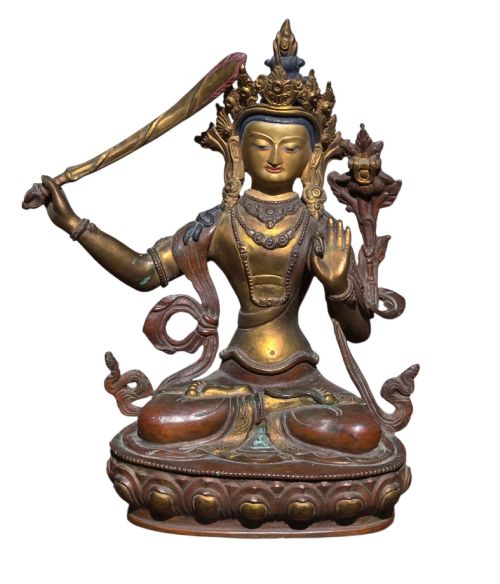
The subjects are deeply rooted in Buddhist and regional traditions, depicting figures such as Guardian Kings, deities, and ritual personages. Icons like Tara and Kannon carry specific spiritual meanings.
Other sculptures focus on natural forms and architectural elements, such as garden bridges, reflecting broader cultural philosophies.