
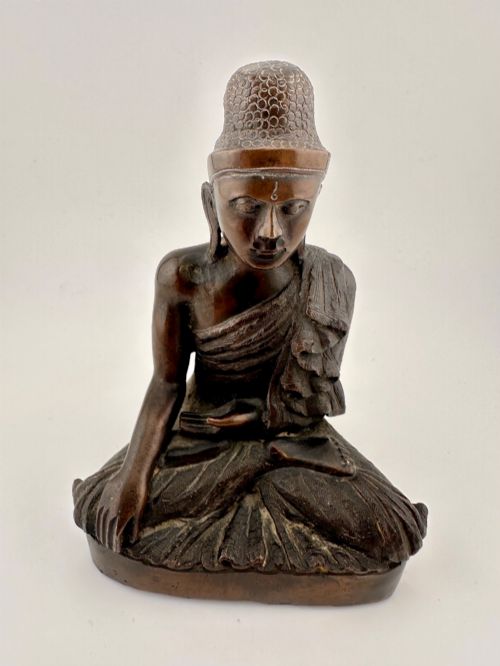
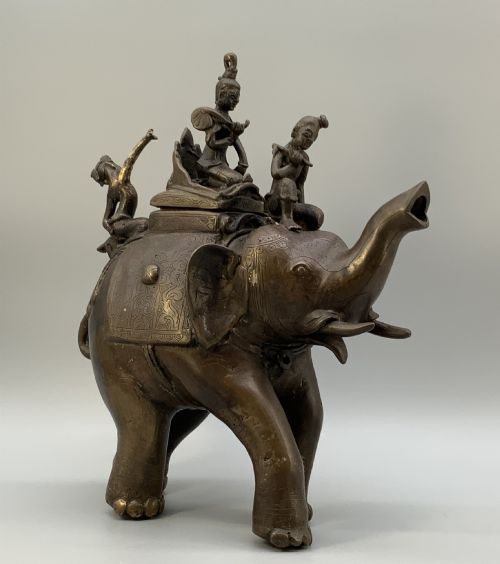
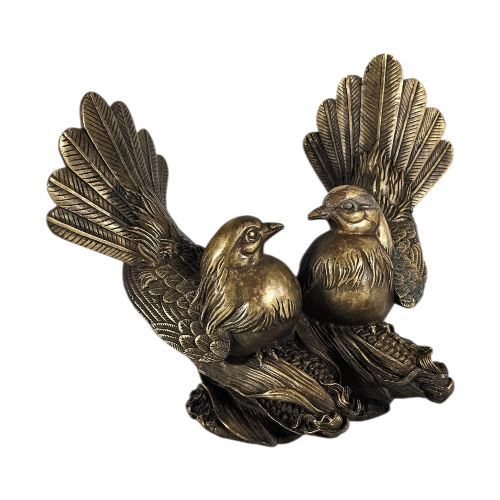
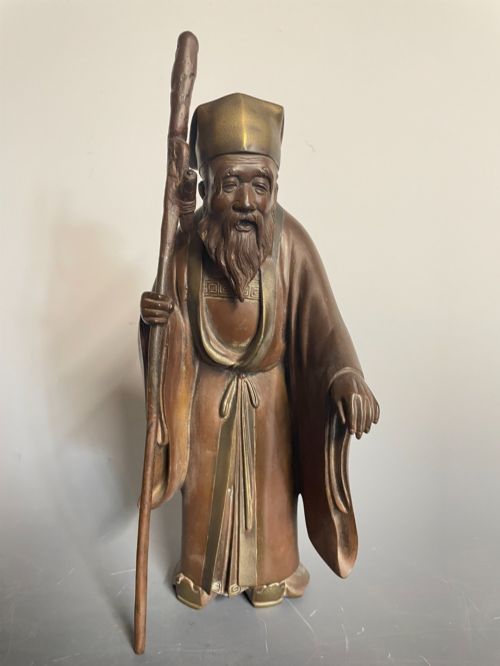

Oriental Bronze Statue
An oriental bronze statue brings centuries of sculptural mastery and spiritual depth straight into a modern interior.
Understanding the Pieces
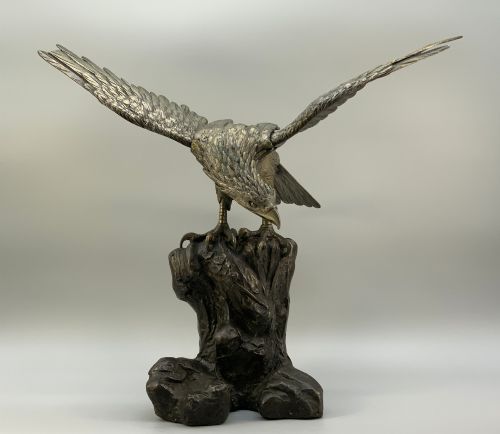
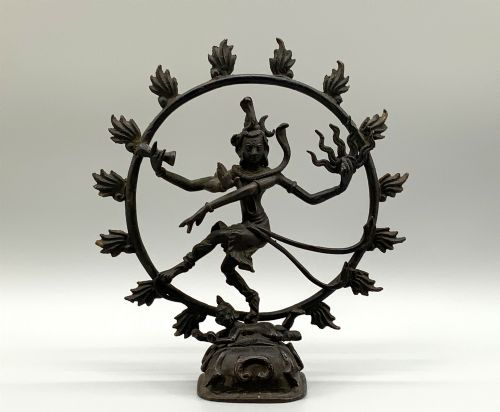
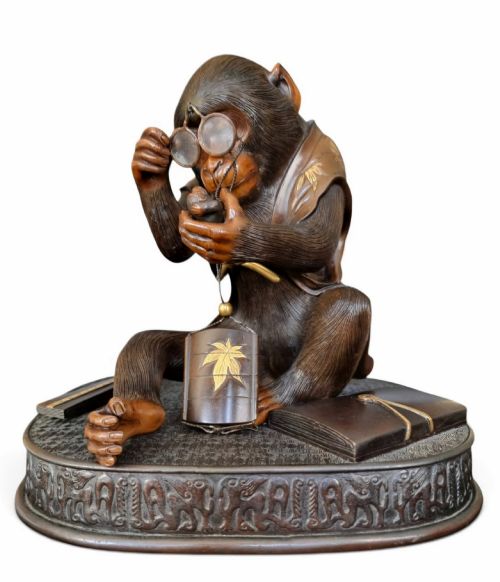
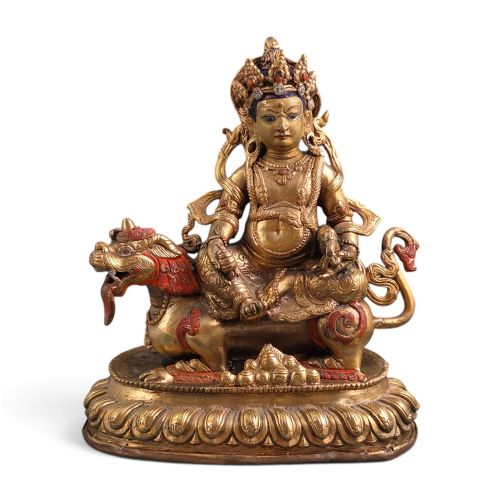
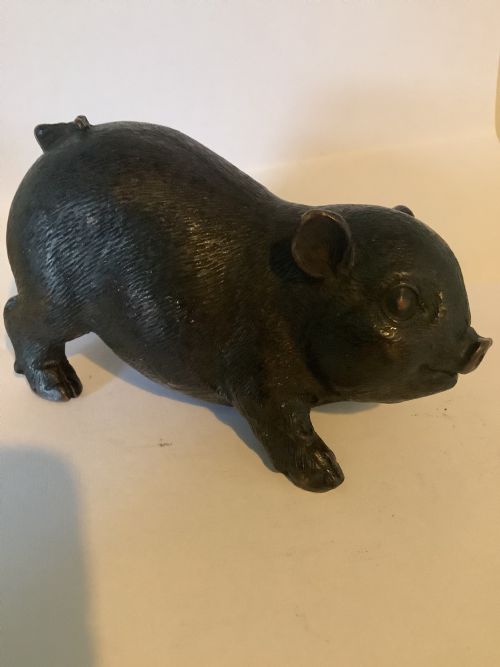
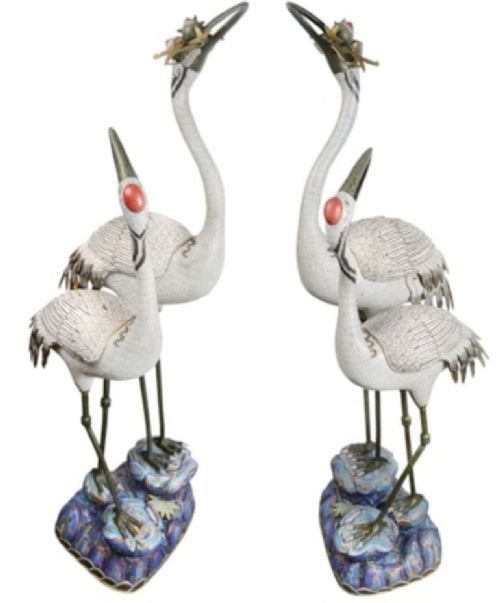
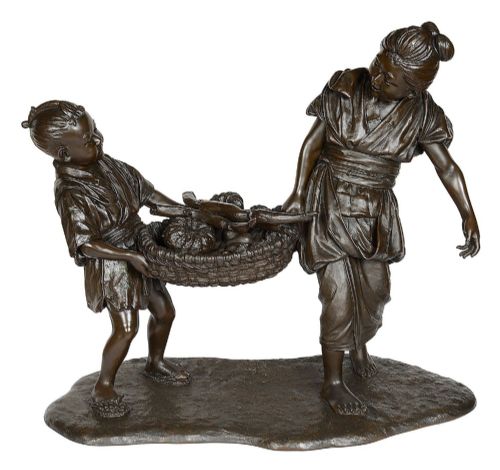
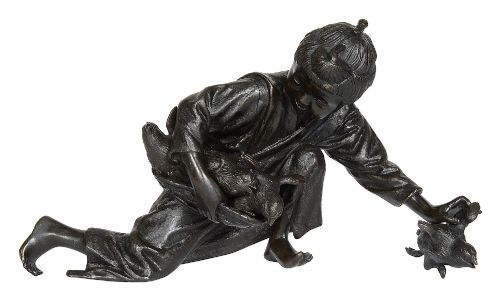
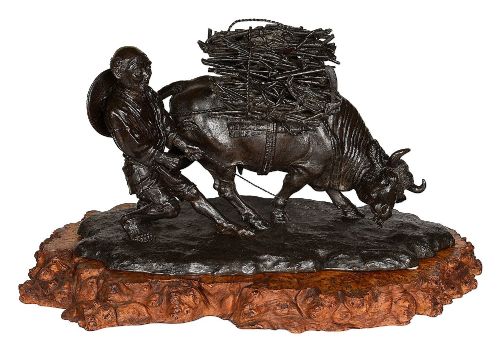
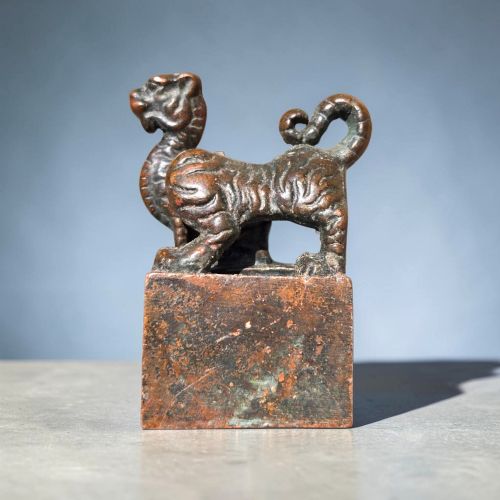
An oriental bronze statue encompasses figurative sculptures originating from East and Central Asian traditions, spanning traditional Chinese, Sino-Tibetan, and Japanese aesthetics. These works frequently depict revered Buddhist and Daoist deities, such as Guanyin, Tara, Manjushri, and seated Buddhas, alongside secular subjects like scholars and water buffaloes.
The pieces available on this page most commonly date from the nineteenth and early twentieth centuries, capturing the enduring legacy of traditional craftsmanship. Buyers frequently encounter both solemn religious icons and intricate figural compositions that reflect specific regional workshops and periods.
Formats vary from modest desk-sized figures to commanding floor-standing sculptures, occasionally incorporating subsidiary elements like wooden bases or animal mounts. Each statue carries the distinct visual language of its maker, bridging centuries of devotional and secular artistry.
Materials and Technique
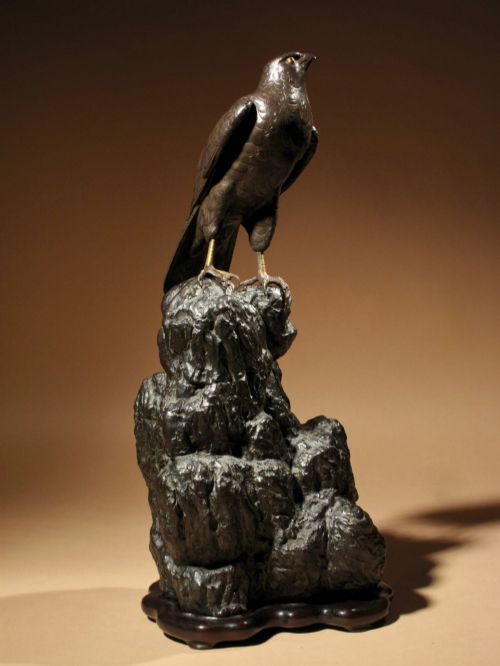
Makers utilised traditional metalworking techniques, primarily casting bronze to create durable figures with significant heft and longevity. Many surfaces received an applied dark patina or selective gilding in gilt bronze, enhancing the sculptural definition of garments and facial expressions.
Retail Price Guide 2026
Typical UK retail prices for oriental bronze statue, calculated from the Sellingantiques database of over a million retail prices indexed since 2003. This retail price guide relies exclusively on Sellingantiques data; no external sources or auction records are used, so the figures do not describe the wider market.
Listings feature periods spanning from the nineteenth century into the early twentieth century, utilising bronze, gilt bronze, and wood.
Evaluating Quality
Surface treatment further separates standard production from superior pieces. Skillful application of dark patination, genuine gilding, or preserved pigment transforms a basic cast into a work of considerable visual resonance.
The Oriental Bronze Statue Glossary
- Bronze
- A copper alloy traditionally combined with tin, prized for its strength and ability to hold fine detail in casting. It forms the primary structural material for these Asian sculptures.
- Gilt Bronze
- Metalwork coated with a thin layer of gold utilising fire gilding or gold leaf techniques. This application imparts a luminous surface that endures across centuries.
- Patina
- The surface coloration and sheen developed naturally through age or applied artificially by the maker. A well-preserved dark patina enhances the sculptural contours.
- Bodhisattva
- An enlightened being dedicated to assisting others on the path to awakening. These figures are central subjects in Buddhist art and sculpture.
Frequently Asked Questions
What do these statues typically depict?
The subjects range from Buddhist deities such as Guanyin, Tara, and Manjushri to traditional figures like scholars accompanied by water buffaloes.
Religious icons often display specific hand gestures and symbolic attributes that identify their spiritual role.
How do I identify the period of a bronze?
Dating relies on stylistic markers, casting characteristics, and the nature of the surface finishes like dark patinas or gilt.
Nineteenth and early twentieth-century examples frequently show specific regional traits tied to Chinese, Tibetan, and Japanese workshops.
Where should I display a bronze statue?
These sculptures suit stable, flat surfaces away from excessive moisture to protect any residual pigments or delicate wooden bases.
Placing them where natural light can catch the surface highlights the subtleties of the bronze casting and patination.
Are wooden elements original to the pieces?
Many figures were created to sit upon fitted wooden bases designed to complement the weight and stance of the metal sculpture.
Such elements often share the period aesthetic, providing a secure foundation for heavier figures.