
Qing Dynasty Bronze
Qing dynasty bronze objects span ritual vessels, scholarly desk items, and devotional figures crafted across centuries of imperial metalwork.
Qing Dynasty Bronze
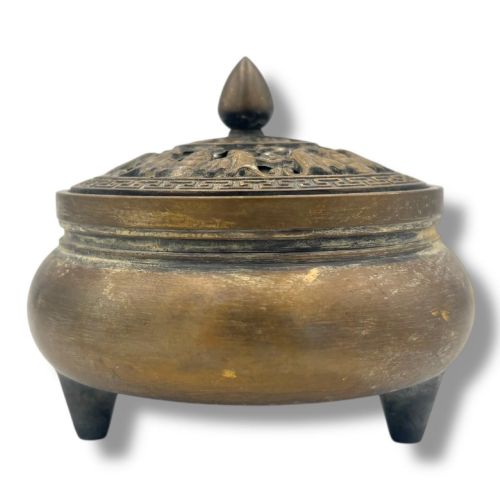
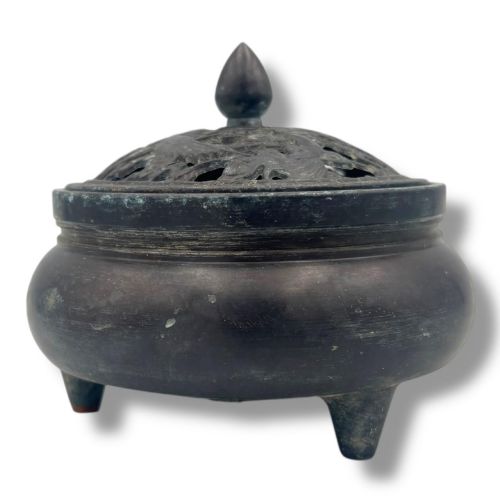
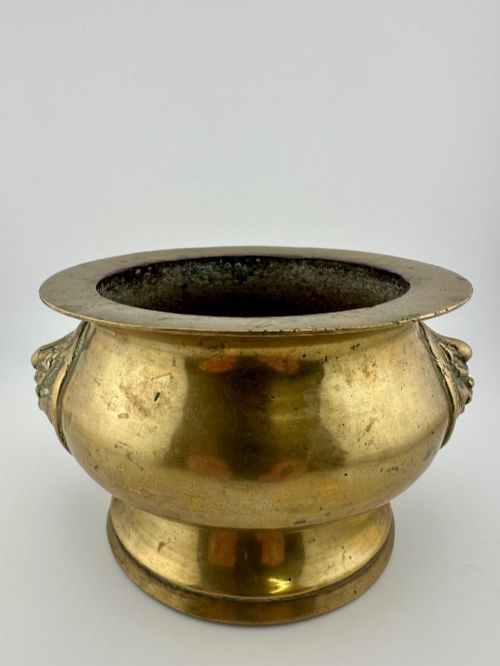
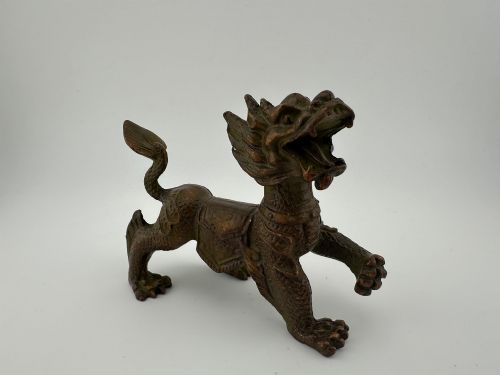
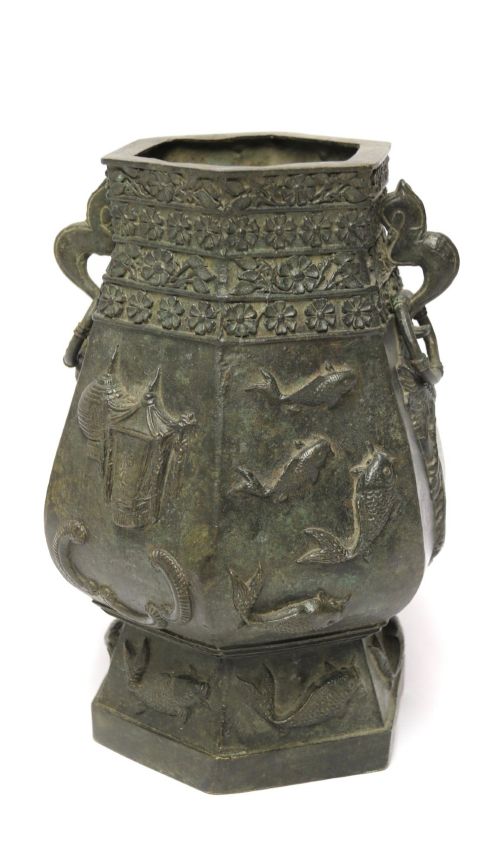
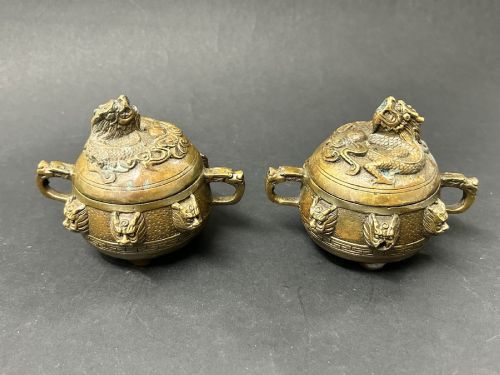
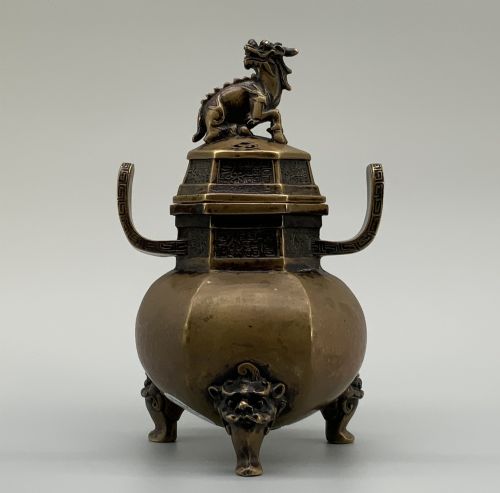
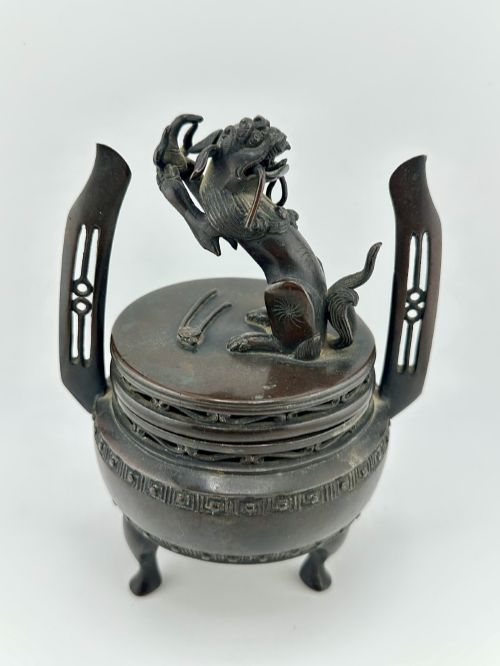
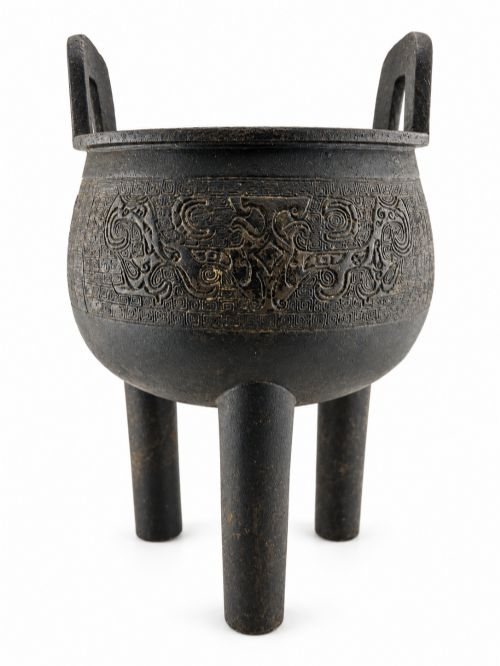
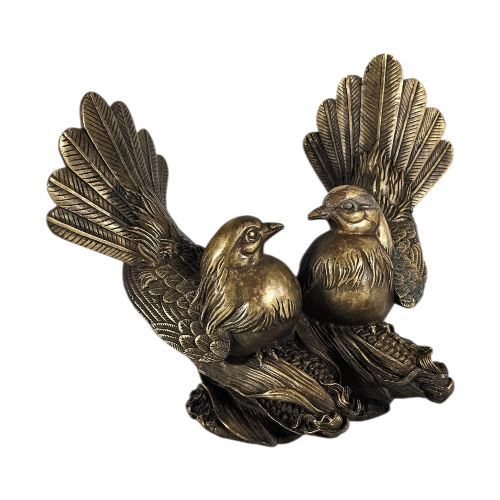
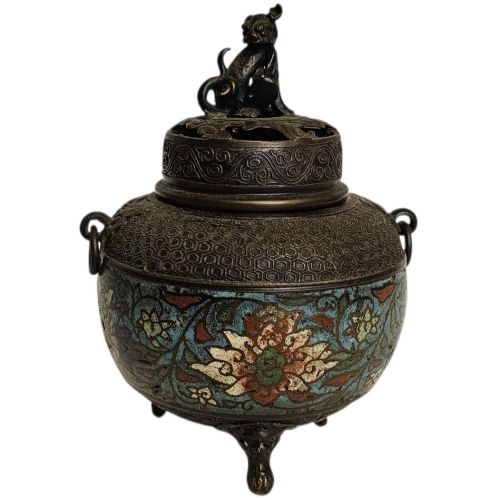
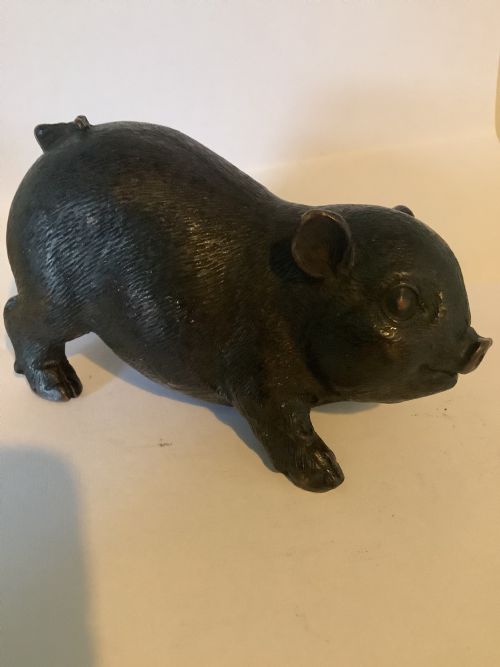
When you search for qing dynasty bronze, you encounter objects created for imperial courts, scholar studios, and domestic temples during the Manchu dynasty. Tripod censers, ritual vases, and mythical beast figures dominate the selection available on this page.
The forms range from utilitarian scholars' brush rests and miniature censers to monumental baluster vases and heavy ritual vessels. Many pieces incorporate archaic motifs, reflecting a deep historical reverence that defined imperial taste.
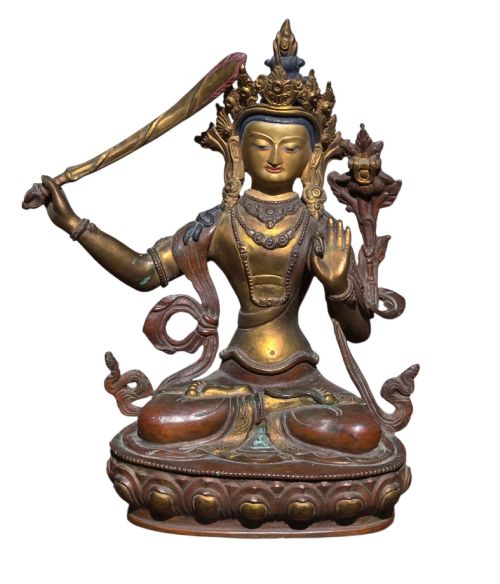
Scholar's items appear frequently alongside devotional figures like Bodhisattvas and Guanyin, all rooted in the traditions of the period. These objects bridge decorative arts and functional ritual use.
Materials and methods
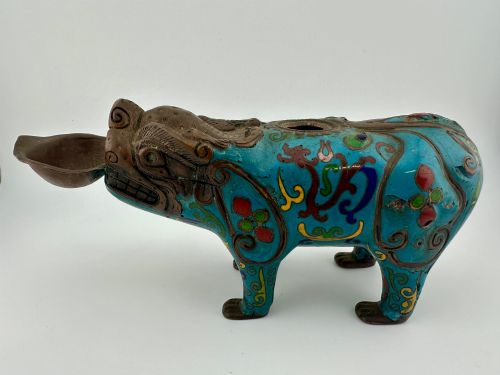
Makers utilised cast bronze, copper alloy, and brass, frequently augmenting the metal with gilt or intricate cloisonne enamel decoration. Heavy casting techniques ensured structural solidity, particularly in ritual vessels and large censers.
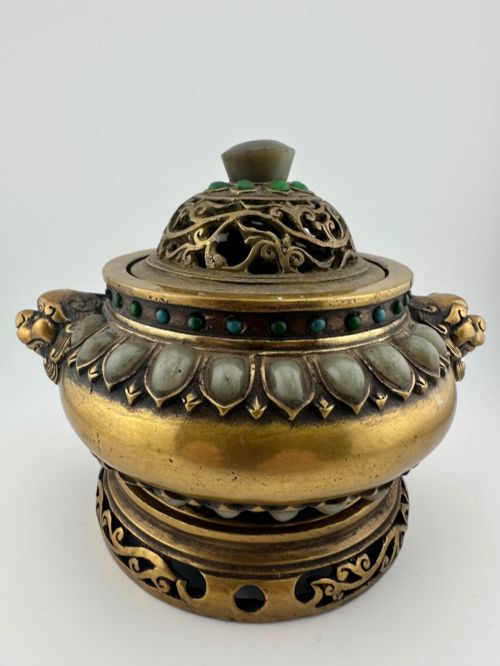
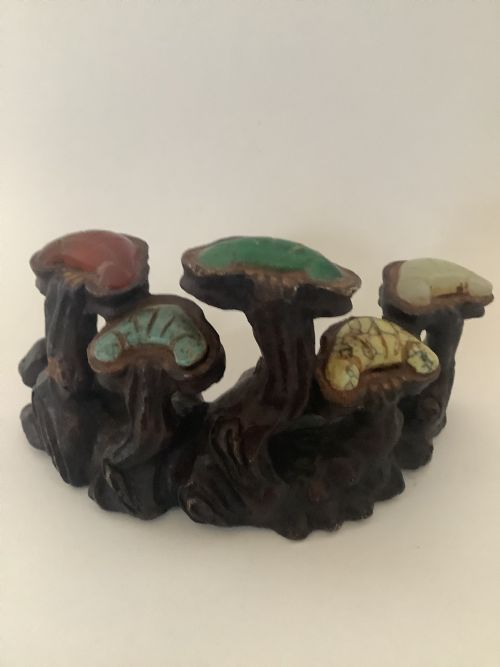
Surface treatments including gold-splashing, high-relief chasing, and the integration of hardstone inlays distinguish the finer examples. Artisans combined metalwork with carved hardwood stands and covers to complete the presentation of these works.
Qing Dynasty Bronze Retail Price Guide 2026
Typical asking prices for qing dynasty bronze among the pieces listed under this phrase on Sellingantiques today, from the lower quarter to the upper quarter. They describe what is for sale here now, not the wider market.
Several heavy censers are noted for their distinct bell-ring resonance when struck.
Distinctions in quality
The measure of quality rests on the crispness of the casting, the weight of the piece relative to its size, and the depth of the patina. Superior examples display carefully articulated details in motifs like taotie masks and dragon handles without smoothing or softening.
The presence of scholarly or imperial marks, alongside integrated custom stands and well-preserved surface gilding, elevates an object within the range. Execution of high-relief work and intricate cloisonne enamel further separates standard production from master-cast pieces.
The Qing Dynasty Bronze Glossary
- Archaistic
- A style that consciously imitates the archaic forms and decorative motifs of ancient Chinese bronzes from the Shang and Zhou dynasties. These designs often feature prominent taotie masks and ritual vessel shapes.
- Censer
- A vessel designed for burning incense, frequently taking a tripod form with handles and a pierced lid. In this context, they range from miniature scholars' desk pieces to large ritual bronzes.
- Cloisonne
- A metalwork technique where enamel paste is applied within compartments created by soldered wire before firing. The resulting surface displays intricate coloured patterns across a bronze or copper base.
- Patina
- The surface sheen and coloration developed through age, handling, and chemical oxidation over centuries. A fine patina provides tactile depth and indicates genuine historical wear.
- Xuande mark
- A reign mark referencing the earlier Ming dynasty Emperor Xuande, frequently cast or engraved upon later Qing dynasty bronzes as a mark of respect and homage rather than strict dating.
Qing Dynasty Bronze: Frequently Asked Questions
What is an archaic bronze censer?
An archaic bronze censer is a ritual vessel styled after ancient sacrificial bronzes, often featuring geometric patterns or mythical creature motifs.
These pieces were produced in later periods to honour ancient craftsmanship and philosophical traditions.
How do I care for antique bronze?
Antique bronze requires minimal intervention, relying on gentle dusting with a soft brush to preserve the aged surface.
Avoid chemical polishes or water, which can strip the historical patina and damage delicate gilding or inlay work.
What are scholar's desk items?
Scholar's desk items are portable objects created for the traditional Chinese literati, including brush washers, rests, and miniature censers.
These functional pieces were designed for meditation, writing, and appreciation within a scholar's studio.
Why do some bronzes have reign marks?
Reign marks identify the imperial period associated with a design style, though many Qing pieces bear earlier Ming marks as traditional tributes.
Interpreting these marks requires examining the casting technique and metal composition alongside the inscription.