
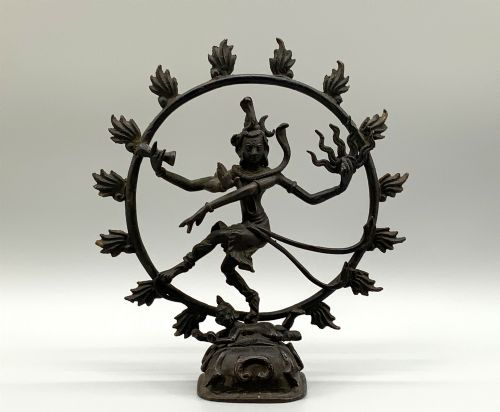
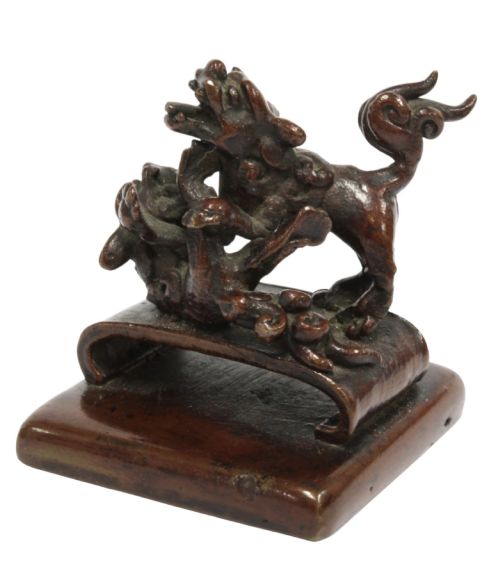
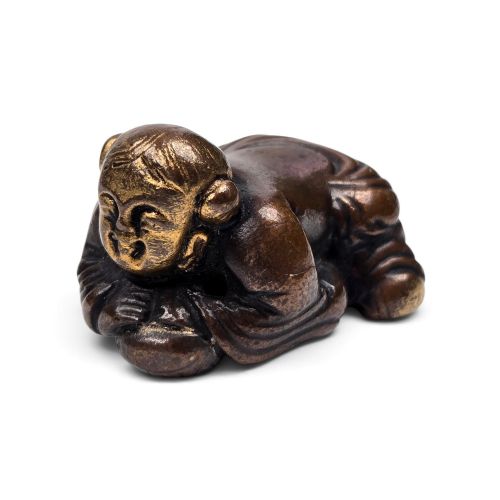
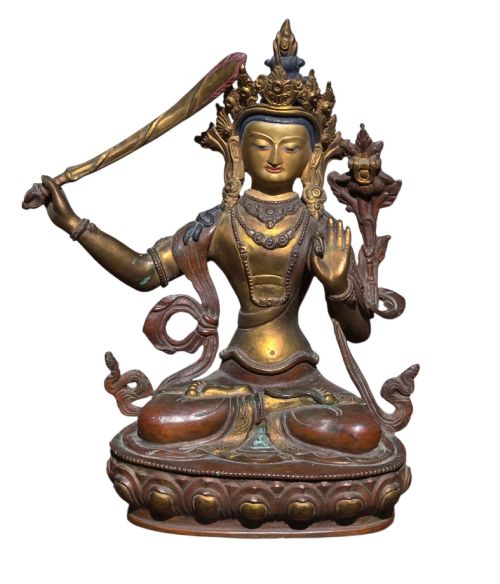
Asian Bronze Sculpture
Asian bronze sculpture brings centuries of master metalwork into your home, offering profound cultural history and tangible artistry.
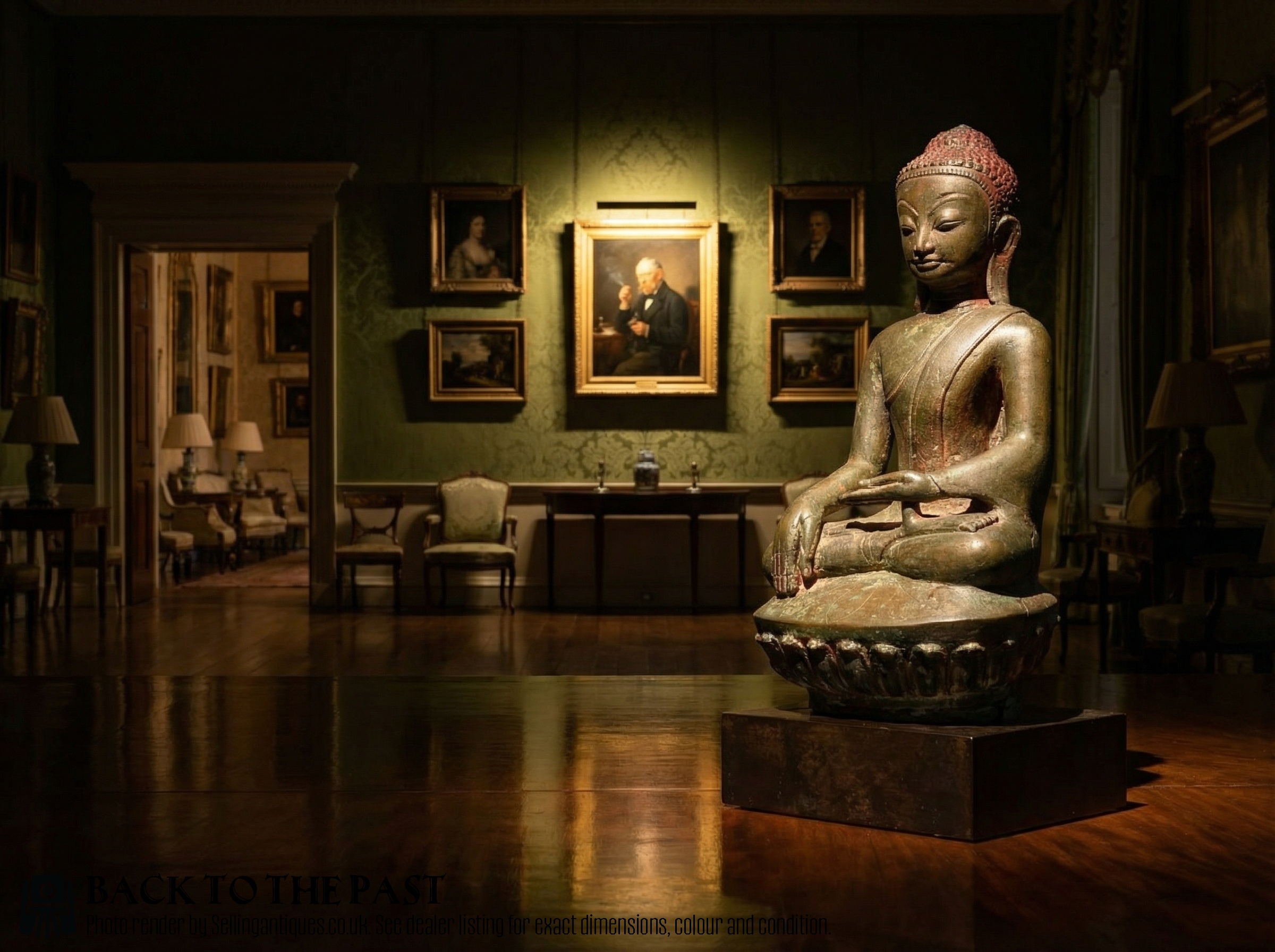
Understanding Asian bronze sculpture
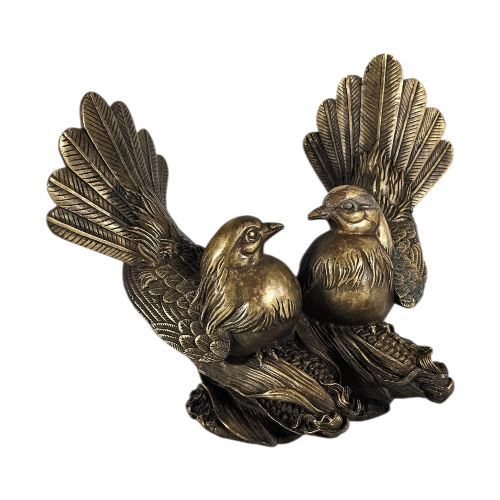
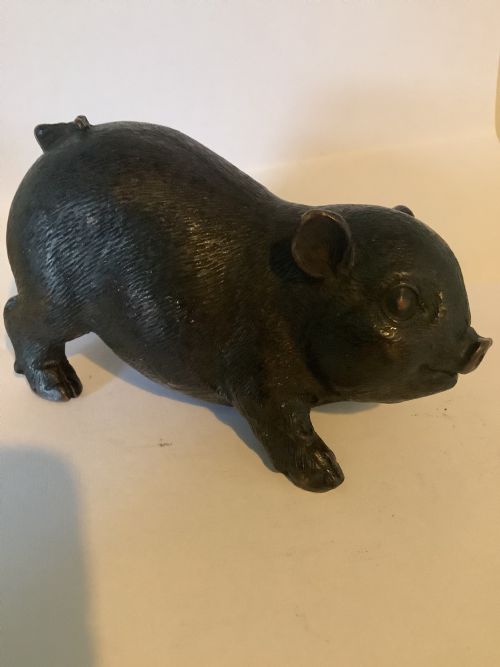
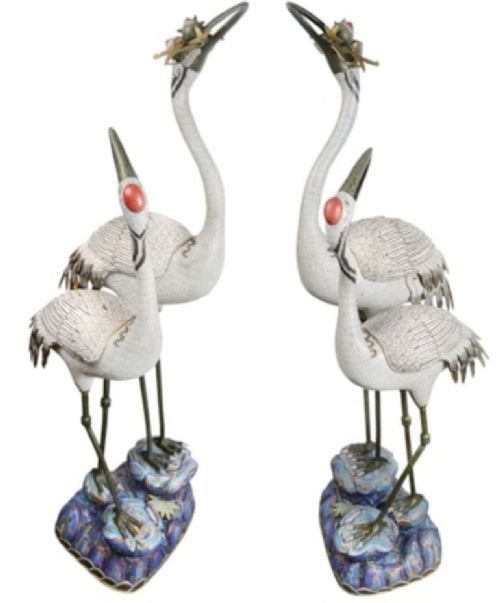
When you search for Asian bronze sculpture, you encounter a diverse array of figures, animals, and temple vessels spanning multiple traditions and centuries. These pieces reflect religious iconography, courtly arts, and domestic decorative objects from across the continent.
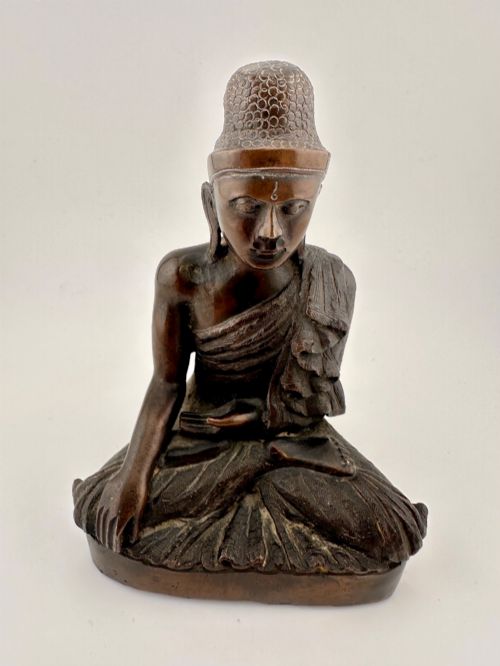
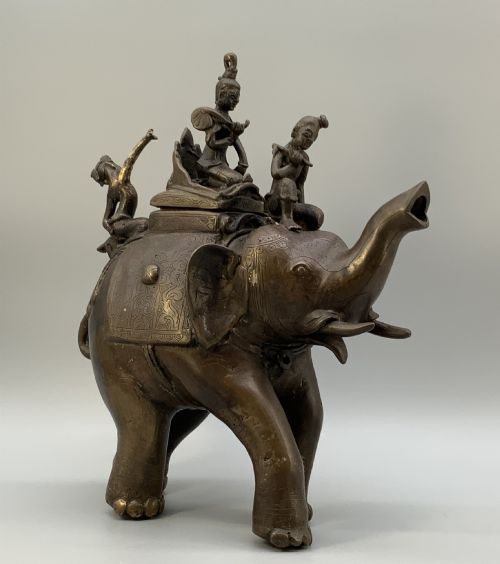
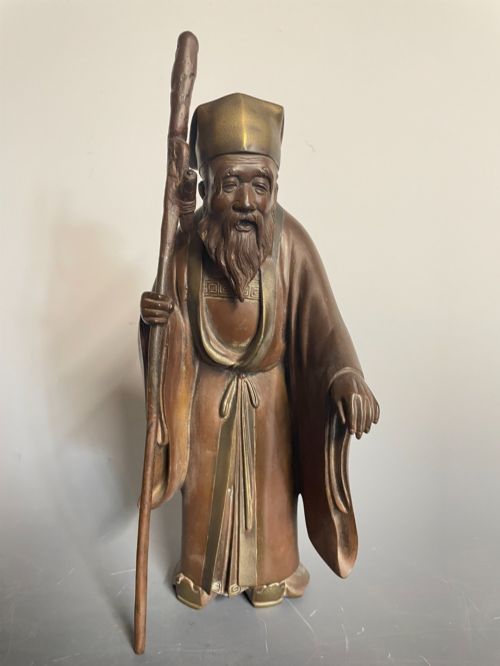
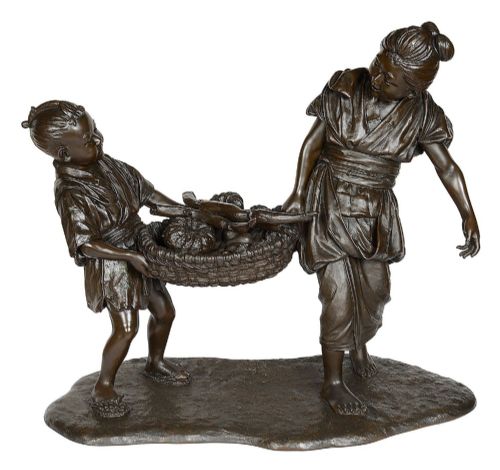
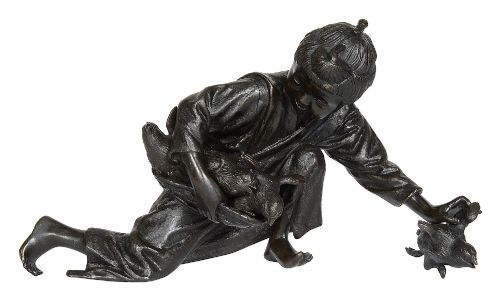
The selections available here range from nineteenth-century Indian elephant figures and Southeast Asian Buddha statues to Japanese Meiji period works and Chinese scholarly bronzes. Each piece embodies the distinct aesthetic and spiritual preoccupations of its origin culture.
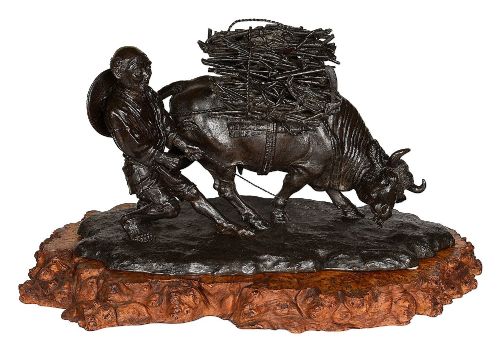
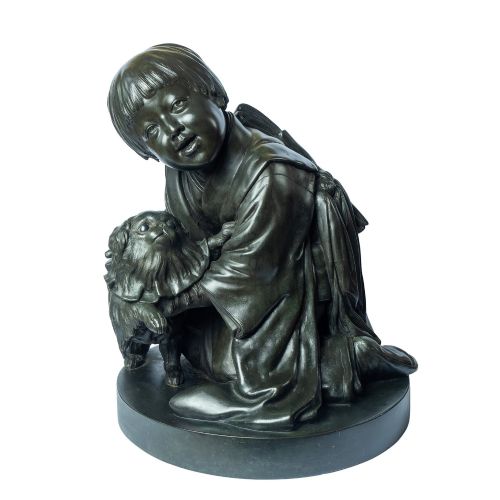
You are most likely to meet nineteenth-century figures and Meiji period Japanese bronzes on this page, alongside monumental garden urns and planters. These objects demonstrate the enduring appeal of traditional metal casting techniques across Asia.
Materials and construction
The pieces recorded in these listings utilise bronze and patinated bronze, occasionally combined with wood elements to create varied textures and supports. Artisans employed traditional casting methods to shape molten metal into intricate figural and vessel forms.
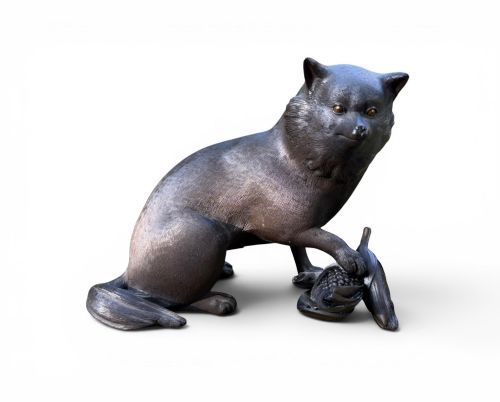
Surface finish is achieved through patination and engraving, adding depth and detail to figures such as elephants, lions, and scholars. Signatures cast or engraved into the metal frequently mark the maker or workshop responsible for the creation.
Retail Price Guide 2026
Typical UK retail prices for asian bronze sculpture, calculated from the Sellingantiques database of over a million retail prices indexed since 2003. This retail price guide relies exclusively on Sellingantiques data; no external sources or auction records are used, so the figures do not describe the wider market.
Listings feature works from the eighteenth and nineteenth centuries, alongside early twentieth-century Chinese and Japanese pieces.
Assessing quality and execution
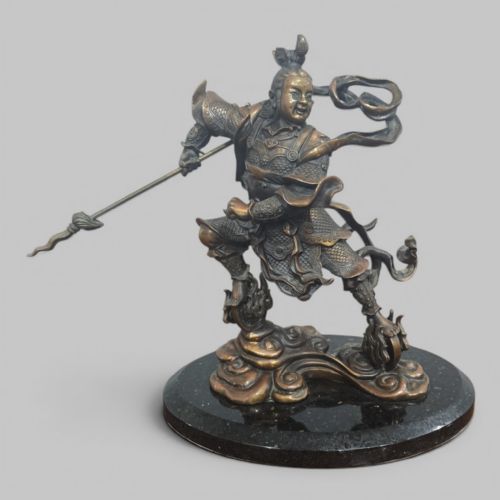
Quality in these sculptures rests upon the sharpness of the cast and the sophistication of the surface patination. Superior examples display fine chiselling and engraving that bring out the musculature, drapery, and facial expressions of the subjects.
The presence of artist signatures, such as those from the Meiji period, distinguishes workshop-produced masterpieces from standard decorative wares. Proportion, balance, and the naturalism of animals or human figures further separate the top of the range.
The Asian Bronze Sculpture Glossary
- Patinated bronze
- Bronze treated with chemicals or heat to produce a specific surface colour and finish. This layer protects the metal and enhances the visual depth of the sculpture.
- Meiji period
- The era in Japanese history lasting from 1868 to 1912, marked by the rapid modernization of arts and crafts. Bronzes from this time often exhibit exceptional naturalism and precise detail.
- Bhumisparsha mudra
- A symbolic hand gesture in Buddhist art where the right hand touches the earth to witness the Buddha's enlightenment. It frequently appears on Southeast Asian Buddha statues.
- Patina
- The natural or induced coloration that forms on the surface of bronze over time through age or chemical treatment. Collectors value patinas that show depth and stability.
Frequently Asked Questions
How do I care for a bronze sculpture?
Keep your bronze clean by gently dusting it with a soft, dry cloth to prevent the accumulation of grit and dirt.
Avoid using harsh chemical polishes or water, as these can strip away the original patination and damage the metal surface.
What is a Meiji period bronze?
A Meiji period bronze is a metalwork sculpture created in Japan between 1868 and 1912, a time of great artistic achievement.
These pieces are known for their remarkable realism, intricate casting, and occasional artist signatures from renowned workshops.
Where should I place a bronze in my home?
Position your sculpture away from direct sunlight, damp areas, and extreme temperature fluctuations to protect the metal and patina.
Stable indoor environments ensure that larger figures and temple vases remain secure and visually striking for years.