





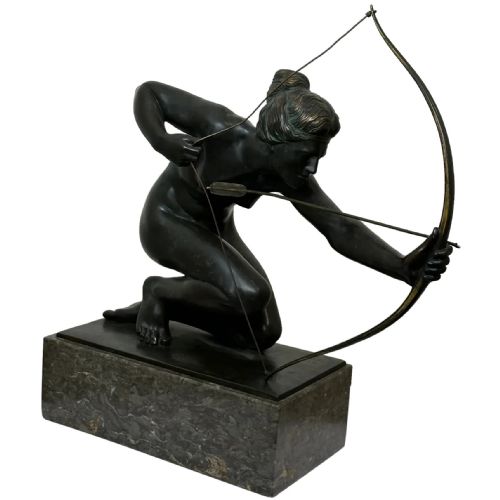
Early Twentieth Century Bronze
Early twentieth century bronze sculptures and figures bring tactile weight and foundry detail into a room, offering enduring craftsmanship from the period.
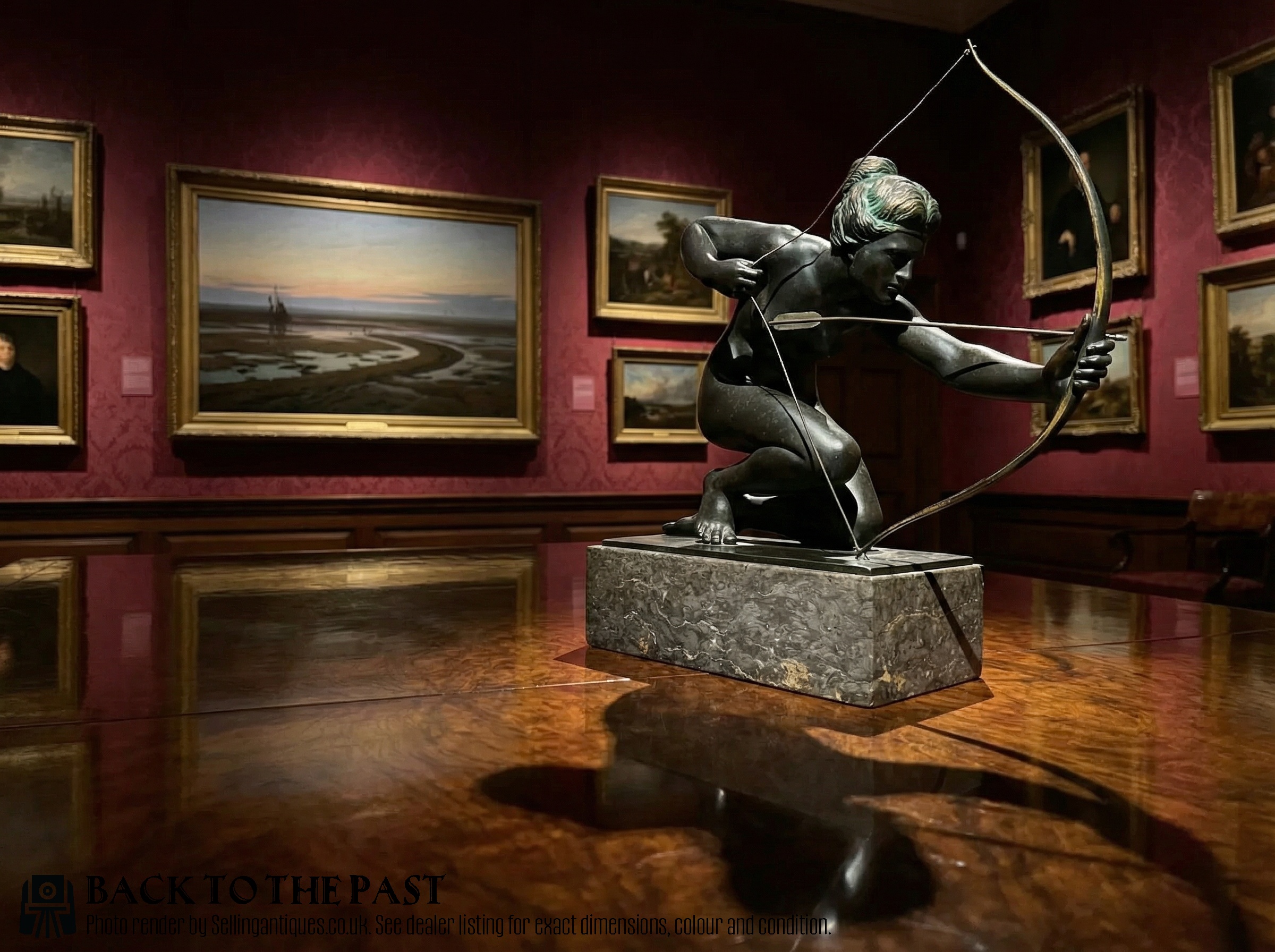
Early Twentieth Century Bronze
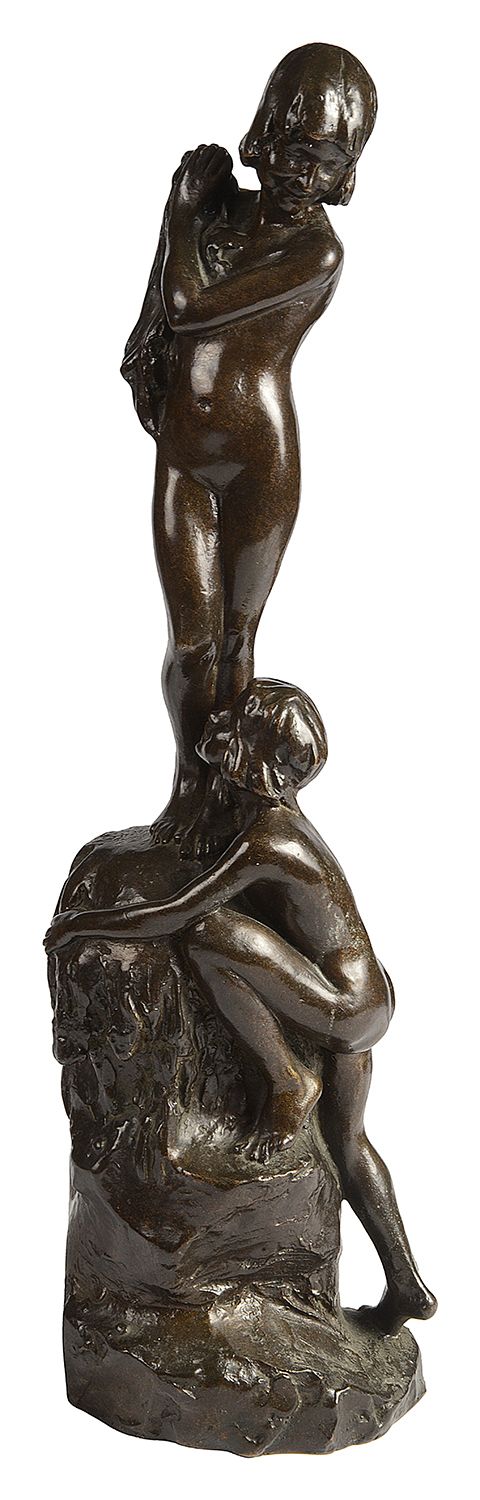
When searching for early twentieth century bronze, buyers encounter figures, animals, busts, and decorative objects shaped through classical and modernist movements. These works capture subjects ranging from wildlife and mythological deities to everyday portraits and architectural motifs.
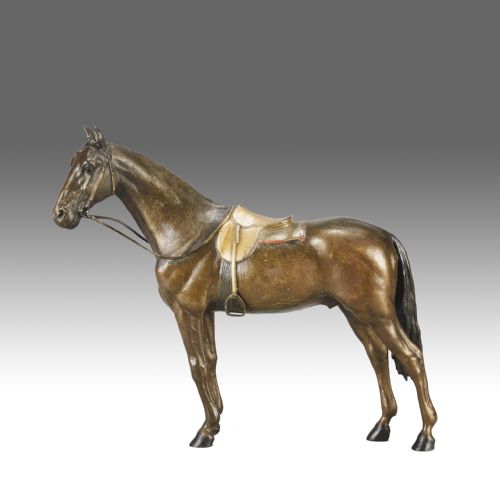
The pieces on this page span styles such as Art Nouveau, Art Deco, Animalier, and Grand Tour derivations, reflecting the diverse sculptural tastes of the era. Makers utilised distinct finishing methods, including cold-painting and patination, to enhance the visual depth of the metal.
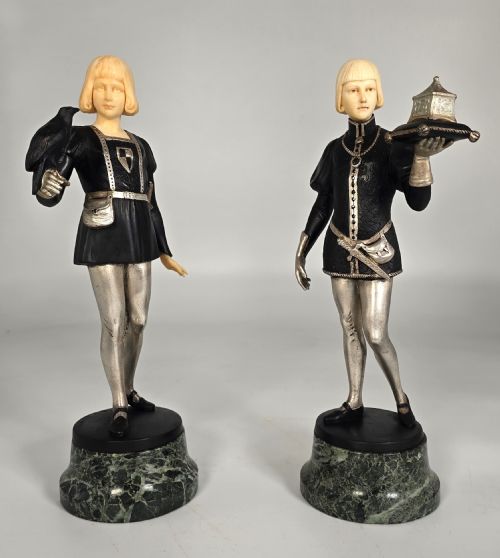
Figurative compositions dominate the selection, often pairing the cast metal with materials like ivory, marble, or paint. Collectors find both domestic cabinet pieces and larger architectural items suited to varied interiors.
Materials and Casting Techniques
Foundries shaped these works primarily through traditional casting methods, producing dense metal forms that accepted intricate surface detailing. Artisans then applied patinas or cold-painted surfaces directly onto the metal to add colour and realism.
Many sculptures incorporate contrasting elements, pairing cast bronze with carved ivory, polished marble bases, or painted highlights. Plaster also appears as an alternative medium for portrait reliefs finished with a bronzed surface.
Early Twentieth Century Bronze Retail Price Guide 2026
Typical asking prices for early twentieth century bronze among the pieces listed under this phrase on Sellingantiques today, from the lower quarter to the upper quarter. They describe what is for sale here now, not the wider market.
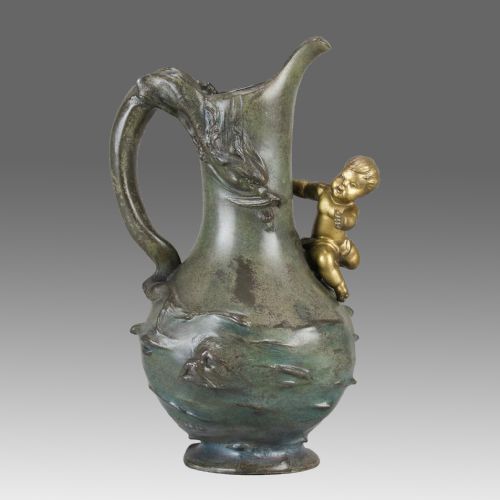
The selection includes animalier studies, Grand Tour models, obelisks, wall plaques, and decorative pitchers.
Evaluating Cast Quality and Finish
Quality rests in the crispness of the cast and the precision of the chasing work performed after the metal cooled. Finer pieces retain sharp details in feathers, fur, and facial expressions without losing definition to heavy patination or thick paint.
The integrity of secondary materials, such as closely fitted marble plinths or well-preserved cold-painted surfaces, distinguishes superior studio output. Maker signatures and foundry stamps further elevate the standing of a cast.
Franz Bergman·Giuseppe Moretti·Gotthilf Jaeger·Clovis Masson·P. de Soete·Jennings Brothers·Georges Van De Voorde
The Early Twentieth Century Bronze Glossary
- Bronze
- An alloy of copper and tin used extensively for durable sculptural casting. It accepts patination readily and allows for high detail.
- Cold-Painted Bronze
- Metal figures painted with oil or enamel paints after casting, without firing in a kiln. This technique was favored by Viennese workshops.
- Animalier
- A nineteenth and early twentieth century style focusing on realistic depictions of animals in motion or repose. Sculptors studied anatomy closely for these works.
- Patinated Metal
- A surface treatment applied to metal through chemical processes or heat to produce controlled coloration. It protects the base material while defining contours.
- Grand Tour
- Souvenirs and classical replicas acquired by travellers touring European cultural sites. These pieces often mimic ancient monuments and sculptures.
Early Twentieth Century Bronze: Frequently Asked Questions
What is cold-painted bronze?
Cold-painted bronze refers to metal sculptures that have been painted by hand using oil or enamel colours after the casting process is complete. This method allows for vivid detailing on clothing, feathers, and animal coats without the high temperatures of kiln firing.
Collectors often find these vibrant finishes on small animalier and figurative pieces from Austrian workshops. Preserving the original paint layer is essential for maintaining the historical character of the object.
How do I identify an Animalier bronze?
Animalier bronzes focus primarily on realistic representations of animals, often captured in dynamic poses or natural moments of interaction. Artists during this period studied anatomy intensely to render muscle structure and movement with precision.
Look for nuanced textures in the fur or plumage and naturalistic bases that suggest a specific habitat. These works range from small domestic studies to larger compositions of predators and prey.
Where should I place a bronze sculpture?
Bronze sculptures suit stable interior surfaces away from direct moisture and extreme temperature fluctuations that might affect associated materials like ivory or marble. Placing them on sturdy tables, mantelpieces, or dedicated pedestals allows the form to be appreciated from multiple angles.
Ensure the display area receives adequate indirect light to highlight the patination and chased surface details. Heavier pieces require support appropriate to their substantial weight.
How do I clean an antique bronze?
Cleaning antique bronze requires minimal intervention to preserve the original patina and any applied cold-painted surfaces. Gentle dusting with a soft, dry cloth is usually sufficient to remove everyday particles without disturbing the metal.
Avoid using water, chemical solvents, or abrasive polishes, as these can strip away historic patination and damage delicate finishes. Professional conservation is recommended if deeper cleaning becomes necessary.