



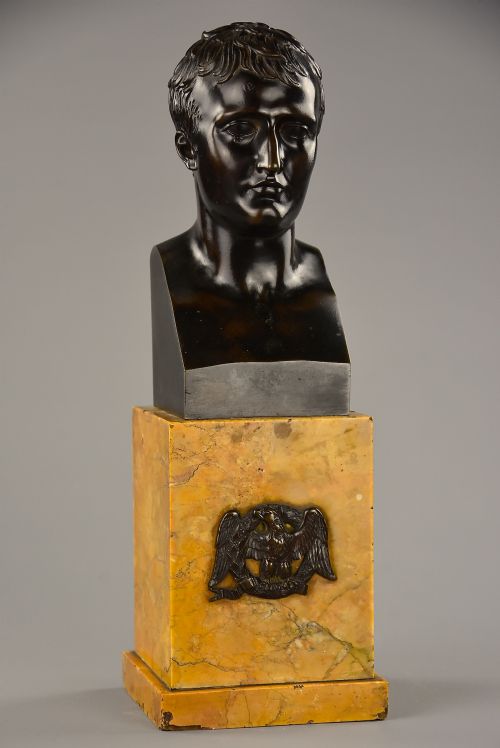
Classical Bronze Bust
A classical bronze bust brings the quiet dignity of antiquity and the meticulous craft of the nineteenth century straight into a modern interior.
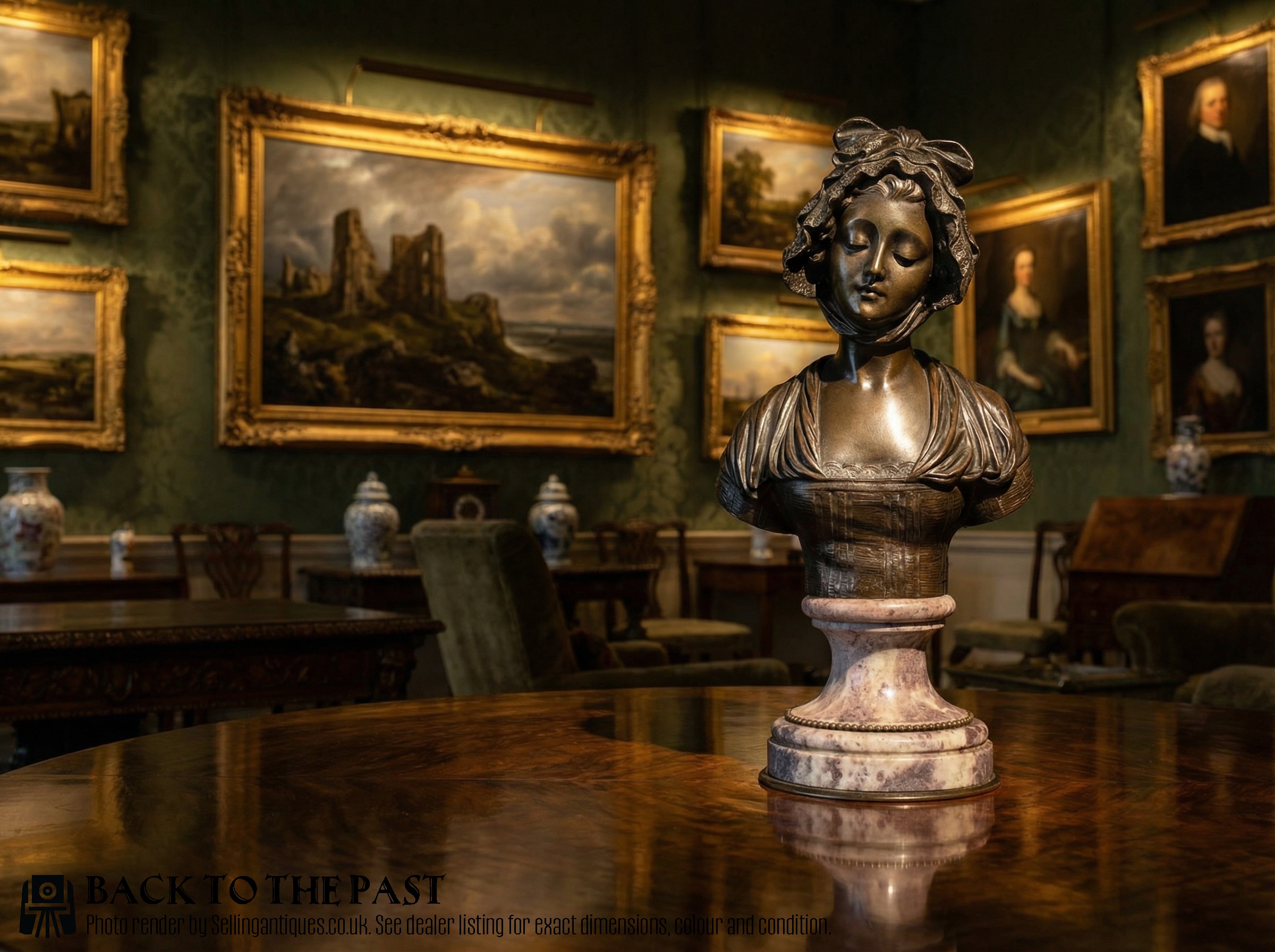
What a classical bronze bust is
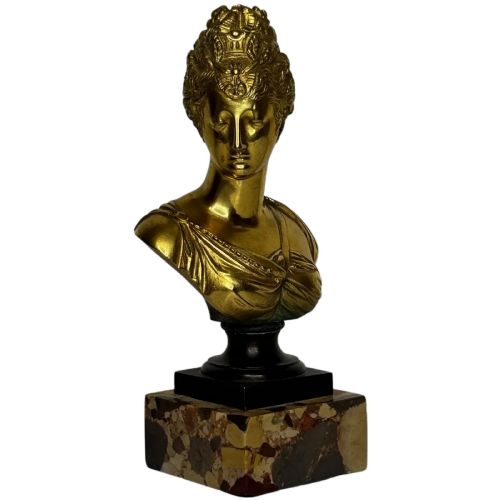
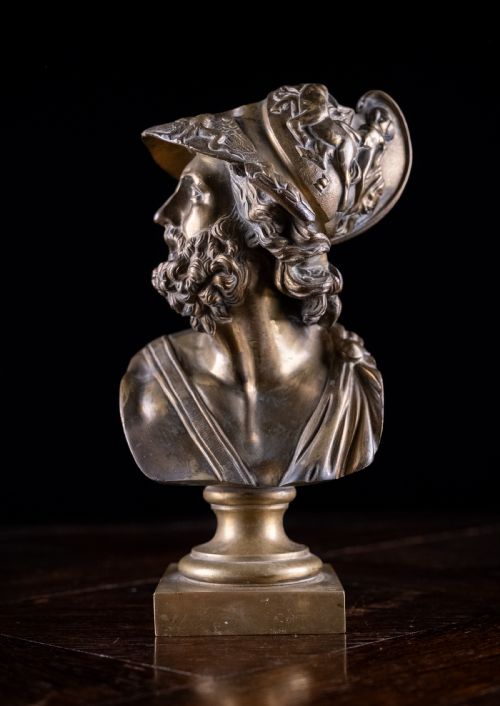
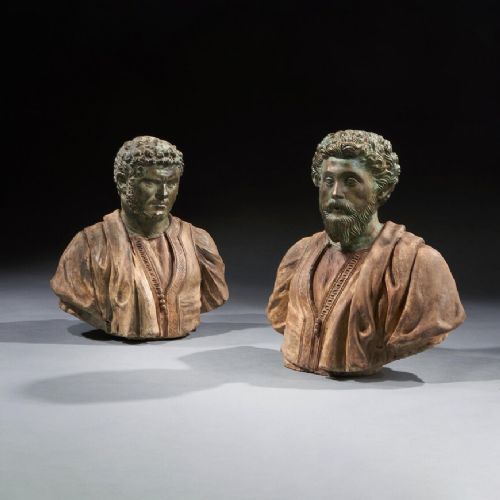
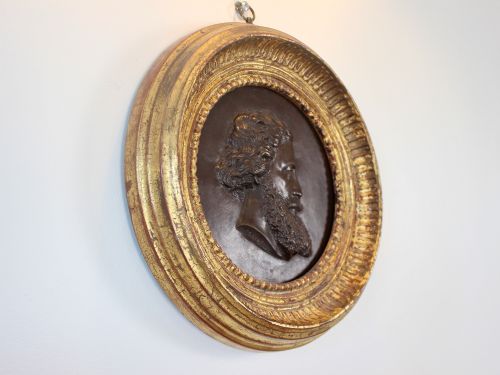
A classical bronze bust captures historical figures, allegorical subjects, and idealized heads cast in solid metal, often mounted on integrated pedestals or separate marble bases. These sculptures draw heavily upon ancient forms, reinterpreting them through nineteenth-century aesthetics ranging from academic realism to art nouveau.
You will most frequently encounter nineteenth-century French and Victorian examples on this page, alongside specific portraits of historical personalities and allegorical figures like the personification of summer. Pieces span several decades from the mid-Victorian era up to the early twentieth century, reflecting a sustained European fascination with classical sculpture.
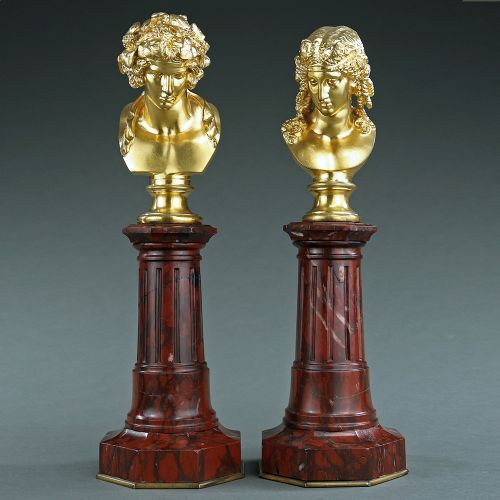
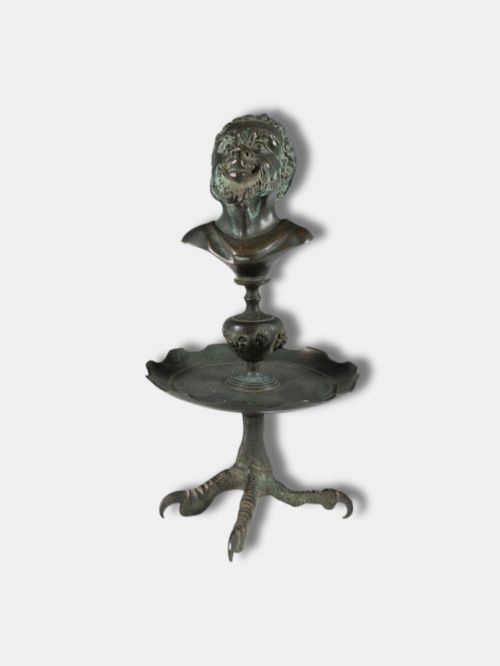
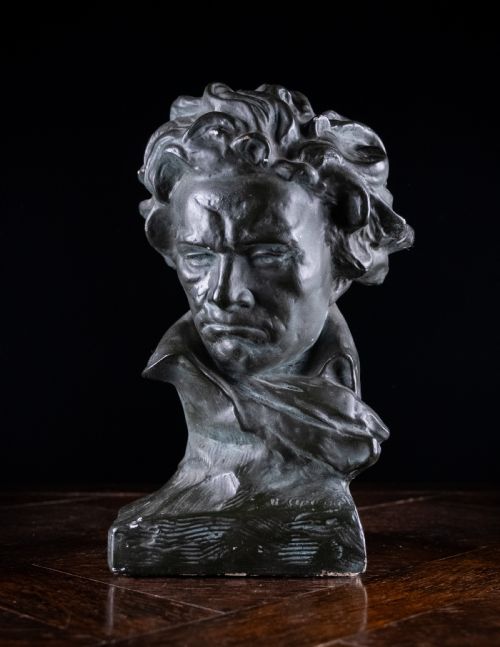
Some works combine cast bronze with contrasting materials such as gilt elements or veined marble plinths, while others emerge as patinated standalone portrait studies. The scale ranges from cabinet-sized portraiture to substantial over-sized works designed as significant architectural or mantelpiece focal points.
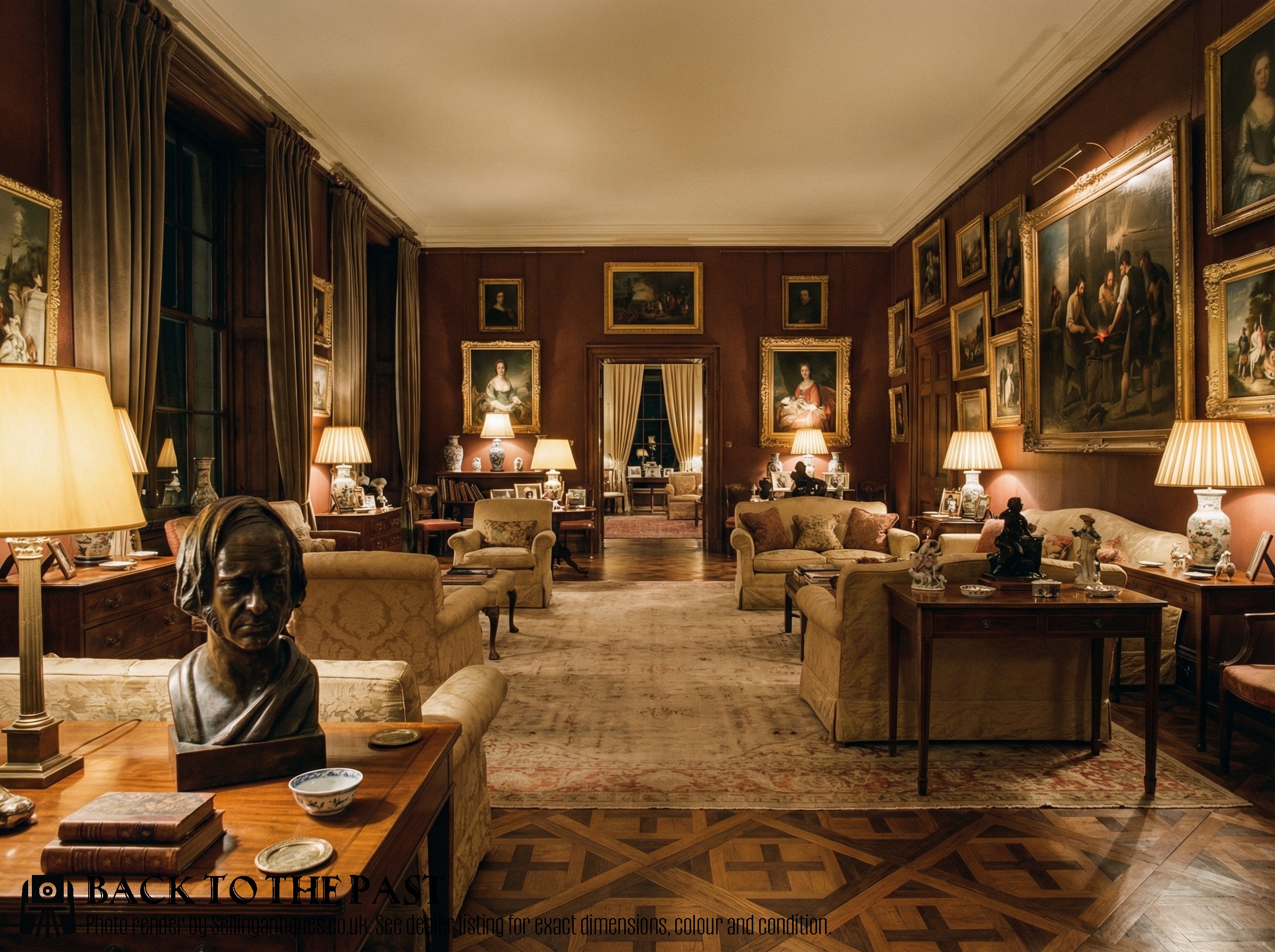
How they were made
Foundries produced these sculptures using traditional metal-casting techniques, pouring molten alloy into moulds to capture intricate details of hair, drapery, and facial expression. Skilled artisans then applied patination acids and heat to achieve rich dark surfaces, sometimes augmenting the metallic body with gilt highlights.
Many sculptures incorporate mixed media elements, joining the cast metal portrait to polished marble columns or turned wood pedestals. Secondary materials like plaster with a bronzed finish also appear, mimicking the weight and appearance of solid metal through surface treatment.
Retail Price Guide 2026
Typical UK retail prices for classical bronze bust, calculated from the Sellingantiques database of over a million retail prices indexed since 2003. This retail price guide relies exclusively on Sellingantiques data; no external sources or auction records are used, so the figures do not describe the wider market.
At least one nineteenth-century classical temple found on this site comes equipped with its own resident bust, proving that even buildings appreciate good company.
What varies in quality
The quality of the mount significantly influences the character of the piece, particularly where contrasting materials like marble or gilt bronze are integrated. Heavier, denser metalwork and well-proportioned architectural bases indicate a higher tier of nineteenth-century production.
Giuseppe Moretti·Hans Müller·Adolphe Jean Lavergne·Eugene Laurent·D Brucciani
The Classical Bronze Bust Glossary
- Patina
- The surface coloration and sheen developed naturally over time or applied chemically by the foundry. This chemical skin protects the underlying metal and defines the visual depth of the sculpture.
- Grand Tour
- A cultural journey undertaken by wealthy young Europeans in the eighteenth and nineteenth centuries to study classical art. Souvenirs from these travels included miniature bronzes and architectural models.
- Allegory
- The representation of abstract ideas or qualities through human figures or symbolic attributes. Sculptures often personified seasons, virtues, or philosophical concepts in this manner.
- Academic Realism
- An artistic style fostered by European art academies that emphasised meticulous draughtsmanship, lifelike proportions, and faithful observation of human anatomy.
Frequently Asked Questions
What periods do these busts come from?
The available pieces originate predominantly from the nineteenth century and the early decades of the twentieth century. This period saw a widespread revival of classical motifs across European workshops and foundries.
Victorian and French academic traditions heavily influence the styling, connecting nineteenth-century craftsmanship directly to ancient design principles.
How do I care for antique bronze?
Dust the surface regularly with a soft, dry cloth to prevent particulate build-up in the crevices of the cast metal. Avoid using liquid cleaners, abrasive polishes, or modern chemical sprays that can strip the historic patina.
Maintaining a stable indoor humidity helps protect any integrated wooden or marble elements joined to the sculpture.
What is the difference between portrait and allegorical busts?
Portrait busts depict specific historical figures, contemporary leaders, or private individuals modelled from life or established likenesses. These pieces often carry specific personal or political significance.
Allegorical busts represent conceptual ideas, such as seasons or mythological themes, using idealized human forms rather than specific historical identities.