







Dark Bronze Bust
A dark bronze bust brings the presence of classical figures, historical icons, and literary heroes directly into a room through enduring metalwork.
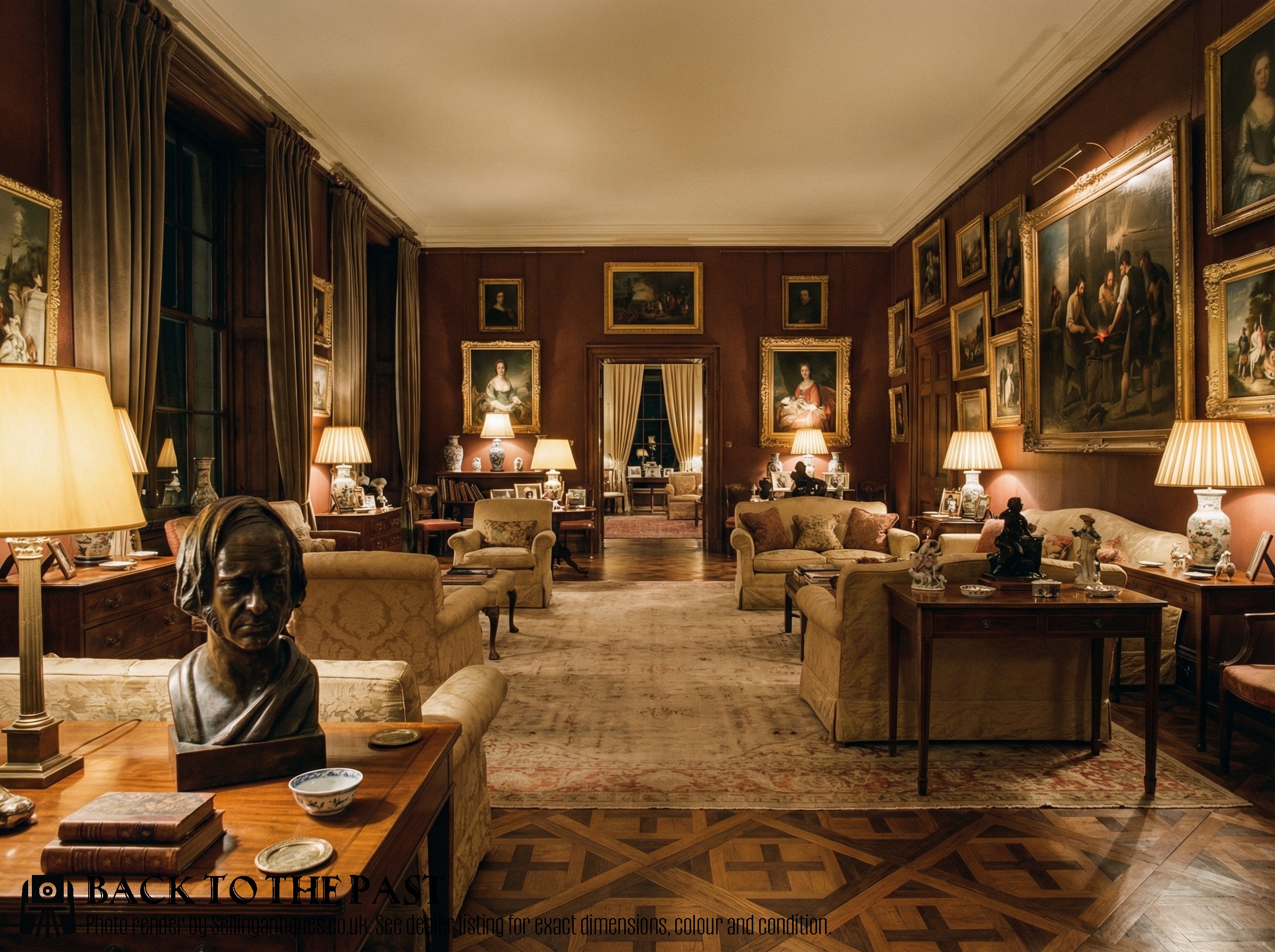
Dark Bronze Bust
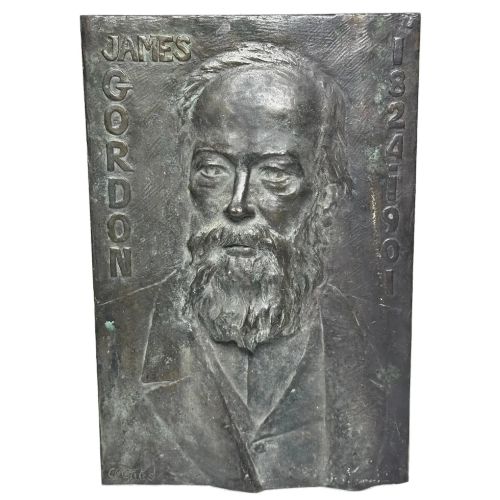
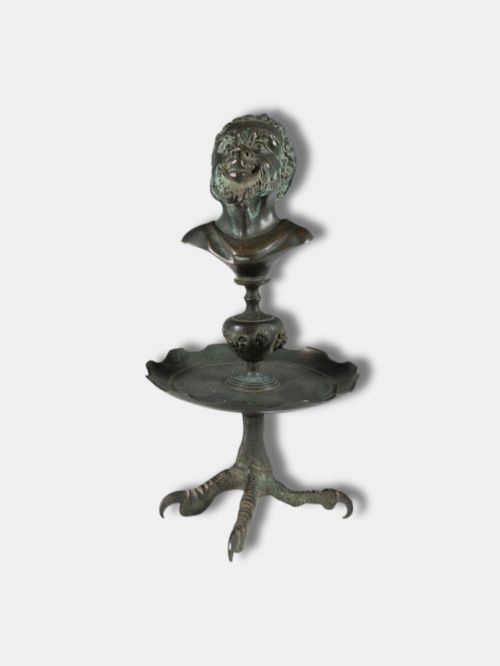
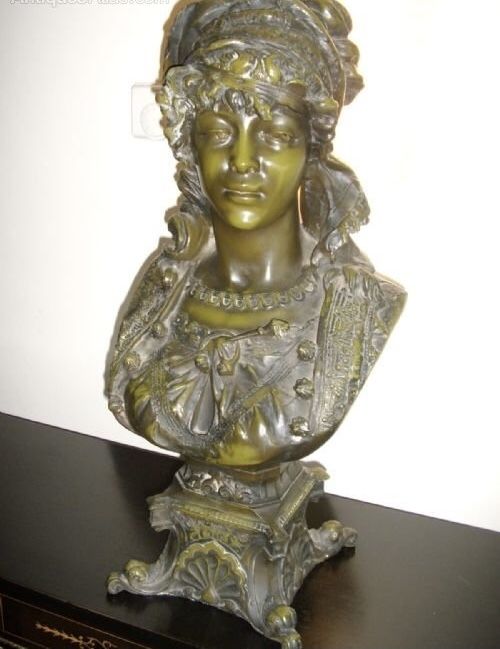
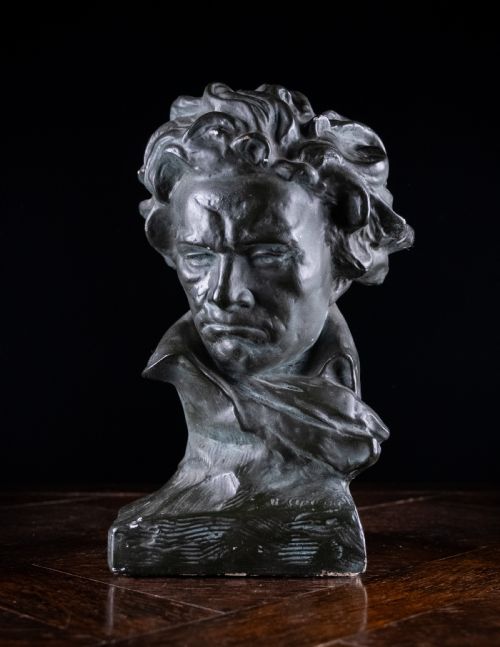
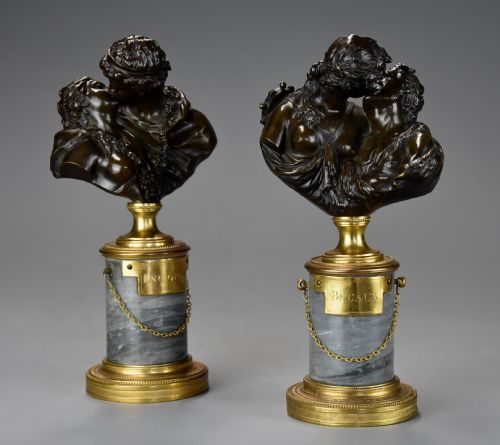
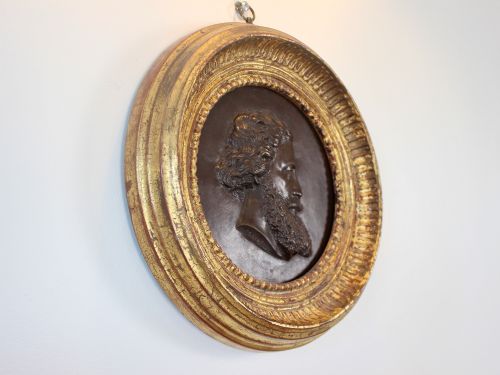
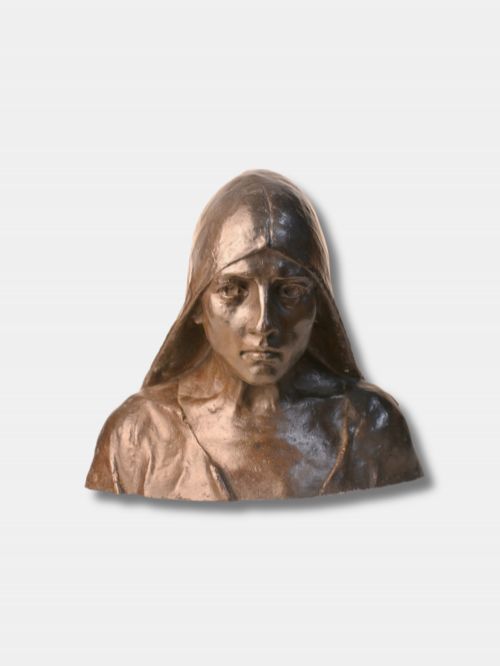
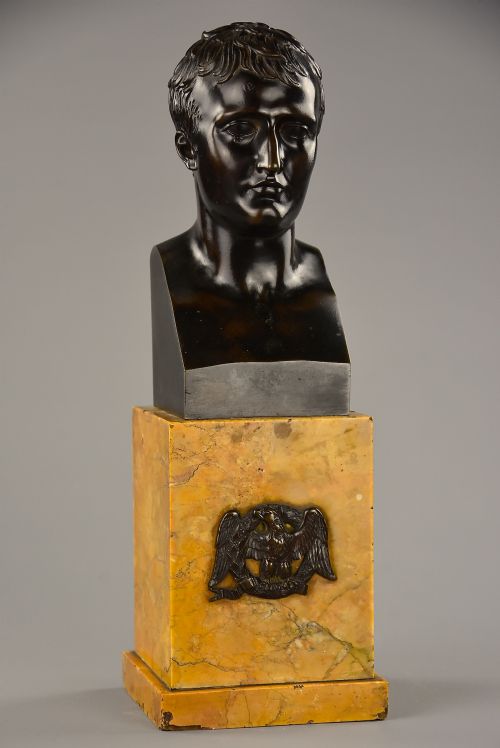
A dark bronze bust represents a sculpted portrait head and shoulders, frequently cast during the nineteenth century or drawing inspiration from earlier Grand Tour traditions. These works capture historical rulers, mythological subjects, poets, and personal portraits intended for display on desks, libraries, and mantelpieces.
The selection ranges from diminutive cabinet bronzes to life-size portrayals rooted in Neoclassical, Art Nouveau, and Victorian aesthetics. Alongside cast bronze, related materials appear in the listings, including patinated bronze, painted plaster, terracotta, and cast iron.
How They Were Made
Finished metal portraits are frequently mounted upon heavy integral or fitted bases composed of contrasting materials such as marble or wood to provide stability and visual weight.
Dark Bronze Bust Retail Price Guide 2026
Typical asking prices for dark bronze bust among the pieces listed under this phrase on Sellingantiques today, from the lower quarter to the upper quarter. They describe what is for sale here now, not the wider market.
Listings feature works spanning the nineteenth century up to the 1950s, created across Britain, France, Italy, and Belgium.
What Varies in Quality
The standard of a casting is evident in the crispness of the detail and the precision with which the sculptor's original chisel marks or signature are rendered in the metal. Superior examples display subtle handling of surface textures, deep patination, and careful chasing that removes casting flaws.
The choice of mounting also defines the tier of the piece, with substantial marble plinths elevating the overall presence of the sculpture compared to simpler wooden or unmounted supports.
E Villanis·Henry Wissen Senior·Emile Jespers·Giuseppe Moretti·George Minne·Sir Thomas Brock·Alajos Strobl·Mathurin Moreau·Ernest Eugene Hiolle·Leonhard Posch
The Dark Bronze Bust Glossary
- Patinated bronze
- Bronze that has been treated with chemical solutions to produce a specific surface colour, most commonly dark brown or black shades.
- Grand Tour
- A cultural tradition of travelling through continental Europe that inspired collectors to acquire classical portrait busts and miniature sculptures.
- Neoclassical
- An artistic movement drawing inspiration from the classical art and culture of ancient Greece and Rome.
- Plinth
- A heavy base or slab upon which a portrait bust is securely mounted for display.
- Chasing
- The manual finishing process where a metalworker refines the surface of a cast bronze using hammers and punches.
Dark Bronze Bust: Frequently Asked Questions
What periods do these busts come from?
The available selection primarily spans the nineteenth century, including Victorian and Edwardian examples, alongside pieces created around the early decades of the twentieth century.
Many of these works emulate earlier classical antiquity through Grand Tour aesthetic traditions.
Who are the subjects depicted in these sculptures?
The subjects range from classical figures like Roman emperors and mythological characters to literary icons such as Shakespeare and Lord Byron.
Other portrayals capture historical rulers, religious figures, and commissioned portraits of Victorian gentlemen and ladies.
How should I display a heavy bronze bust?
These sculptures require sturdy furniture such as a strong desk, sideboard, or dedicated pedestal capable of supporting considerable weight.
Placing them away from direct heat sources helps preserve the stability of the marble bases and the integrity of the dark metal patination.