


Antique Desk Sculpture
These antique desk sculpture pieces bring tangible history to a workspace, offering small-scale bronze and marble figures designed for study and display.
What these pieces are
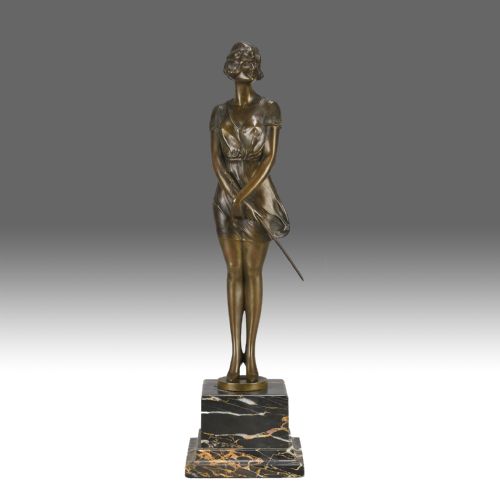
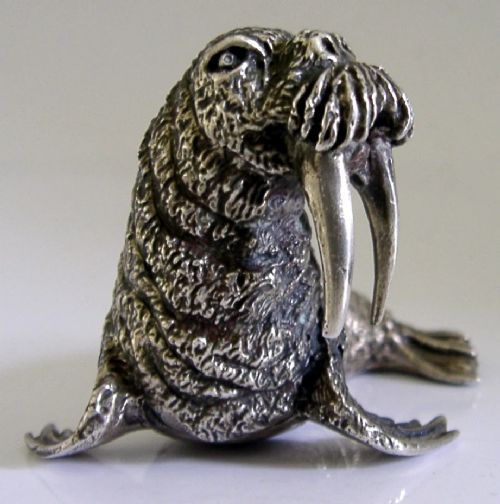
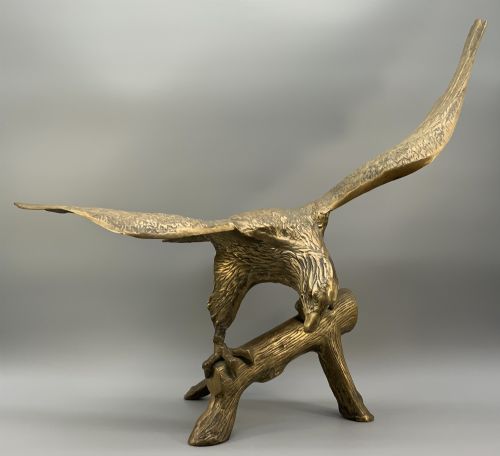
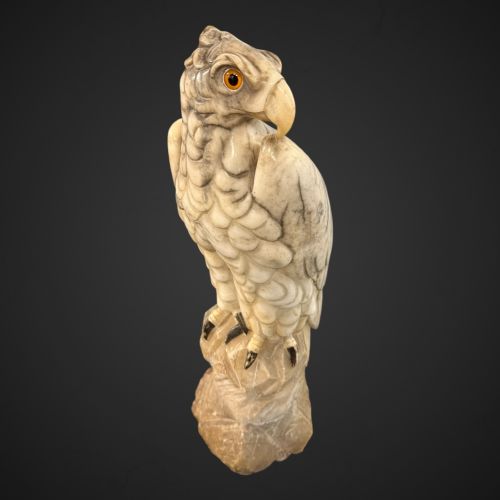
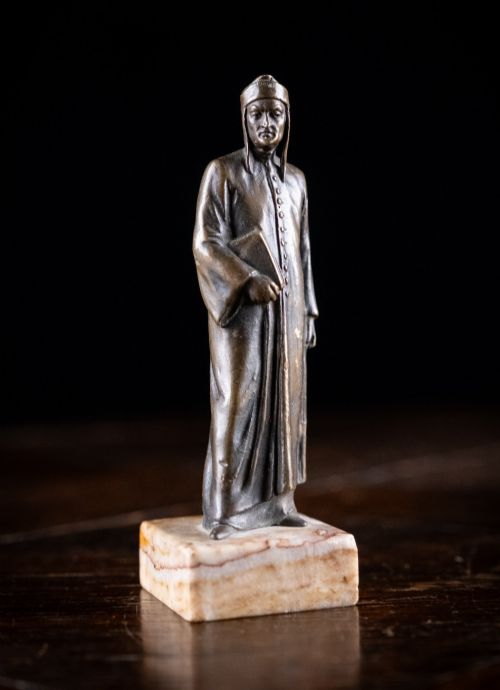
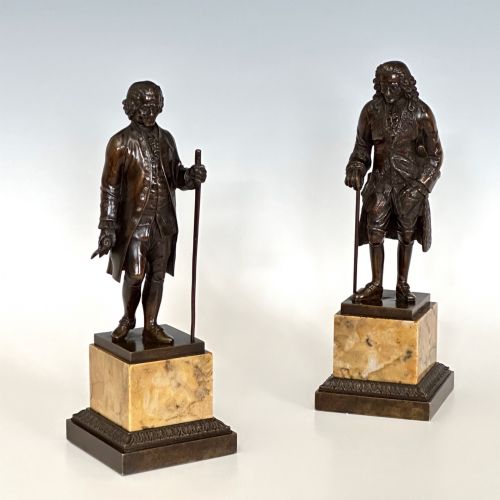
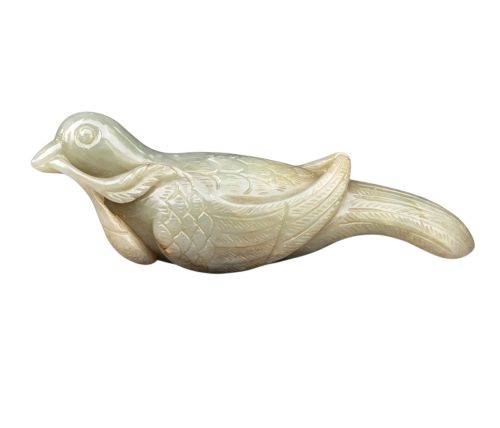
An antique desk sculpture takes the form of small statuettes, busts, and figurines designed to sit upon a writing table or library desk. The selection includes Neoclassical depictions of mythological figures, historical portraits, and character studies cast in metal.
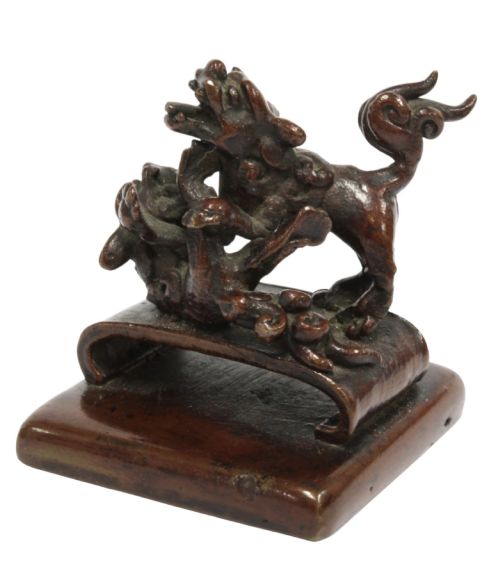
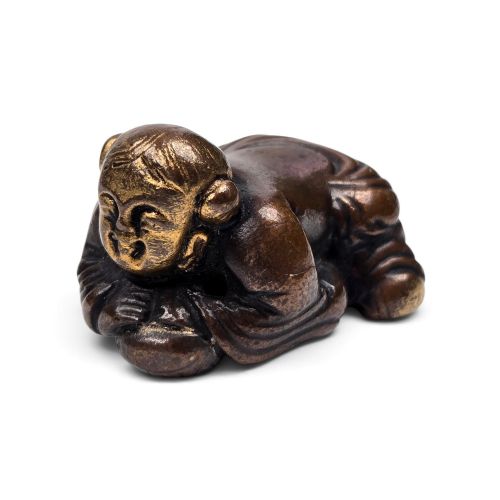
The objects span multiple periods, ranging from seventeenth-century crouching figures to nineteenth-century French and Victorian casts. Buyers frequently encounter bronze busts and novelty desktop statues originating from French and Scottish workshops.
Makers and sculptors of the nineteenth century produced these works to honour notable historical figures, literary characters, and classical deities. Each piece serves as a compact focal point for a study or library, combining utilitarian desktop placement with fine sculptural art.
How they were made
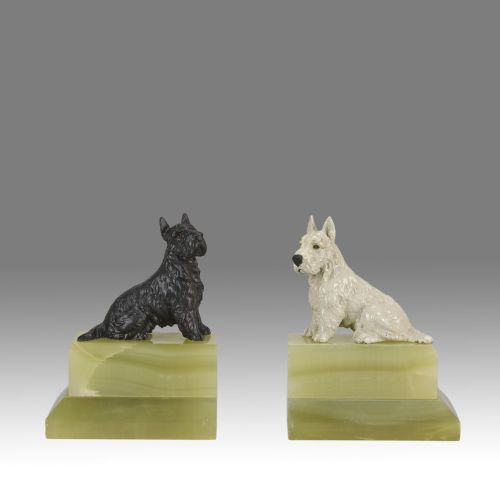
Artisans applied patination to the bronze surfaces to achieve deep brown, black, or golden tones, often enhancing the texture with ormolu highlights. Marble bases frequently accompanied these metal casts to provide stability and a contrasting textural element.
Retail Price Guide 2026
Typical UK retail prices for desk sculpture, calculated from the Sellingantiques database of over a million retail prices indexed since 2003. This retail price guide relies exclusively on Sellingantiques data; no external sources or auction records are used, so the figures do not describe the wider market.
Among classical busts and historical figures, the archive reveals a bronze rabbit golfer taking a swing on a desktop.
What varies in quality
The refinement of the chiselling and the depth of the foundry work separate standard productions from exceptional sculptures. Superior casts retain crisp facial expressions and sharp garment folds without blurring or softening.
The choice of materials and the quality of the patination dictate the tactile and visual appeal of the object. Heavier cast bronzes mounted on genuine marble plinths demonstrate superior craftsmanship compared to lighter, simpler alloys.
J Camus·James Pradier
The Antique Desk Sculpture Glossary
- Bronze
- An alloy consisting primarily of copper combined with tin, widely utilised for casting durable sculptures and statuettes. It takes patination well and captures fine detail.
- Ormolu
- Finely ground high-carat gold applied to a bronze object through a mercury amalgamation process or gilding. This technique imparts a rich, golden finish.
- Patina
- A thin layer that naturally or artificially forms on the surface of bronze through age, chemical treatment, or handling. It protects the metal and adds depth to the colour.
- Grand Tour
- A cultural journey undertaken by nineteenth-century elites across Europe, acquiring small sculptures and antiquities as souvenirs. These pieces often replicated classical Greek and Roman statues.
Frequently Asked Questions
What is an antique desk sculpture?
These are small decorative figures, busts, and statuettes cast in bronze or carved from marble specifically to sit on a writing desk or library table. They served as scholarly companions or personal statements of taste for the owner.
Craftsmen produced them in various sizes so they would not obstruct the workspace while still offering detailed artistic merit. Collectors find them in forms ranging from classical deities to historical portraits.
Where were these sculptures made?
Many of these pieces originate from French foundries, alongside works produced in Britain during the nineteenth century. Parisian workshops were particularly prolific in casting fine bronze busts and figures.
Grand Tour souvenirs also contributed significantly to the supply, bringing classical motifs back from European travels. Scottish and English makers added regional historical subjects to the repertoire.
How do I care for bronze desk sculptures?
Maintain bronze by dusting it gently with a soft, dry brush to prevent particulate buildup in the crevices. Avoid using liquid cleaners or abrasive cloths that can strip the original patina.
Keep the sculpture away from direct heat sources and extreme moisture fluctuations to protect both the metal and any accompanying marble base. Proper placement ensures the patination remains stable over time.
How are different periods identified?
Stylistic cues, casting methods, and inscriptions often point to the era of production, with seventeenth-century pieces showing different patination and tool marks compared to nineteenth-century Victorian casts. Neoclassical and Baroque revival styles carry distinct aesthetic markers.
Foundry marks and artist signatures, when present, help narrow down the date of creation. Comparing the crispness of the chasing work provides further clues to the age and origin of the piece.