



Bronze Figurative Sculpture
Bronze figurative sculpture brings tangible presence into a room, showing human and animal forms cast in metal.
Understanding bronze figurative sculpture
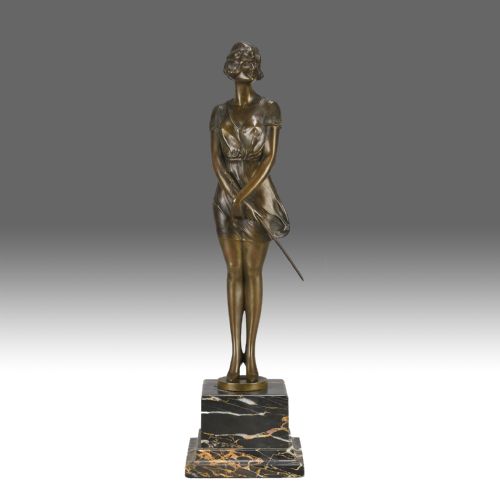
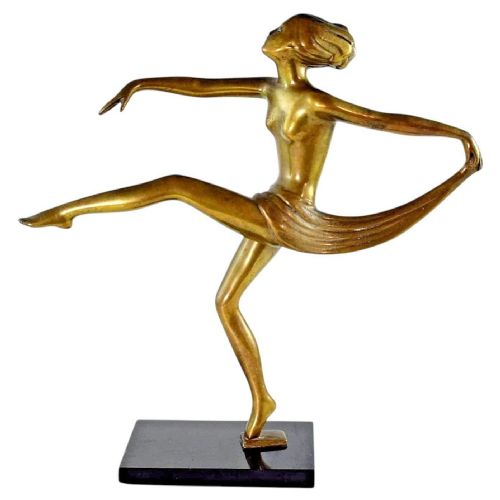
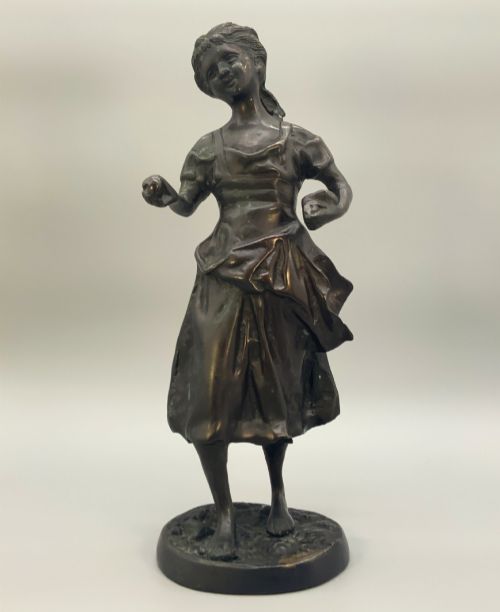
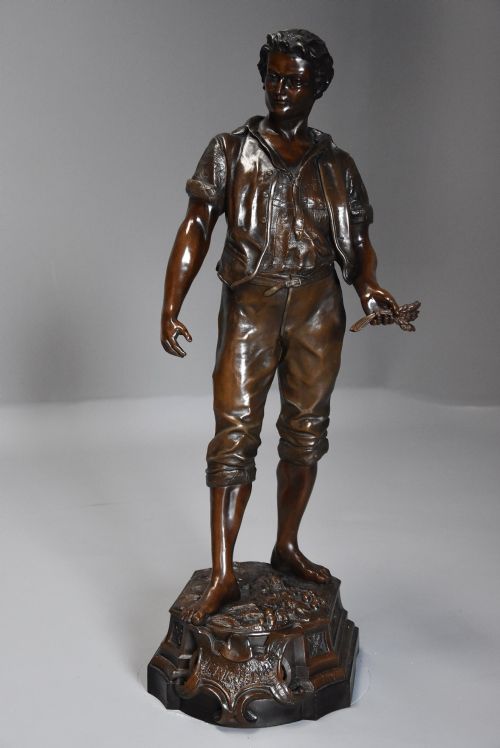
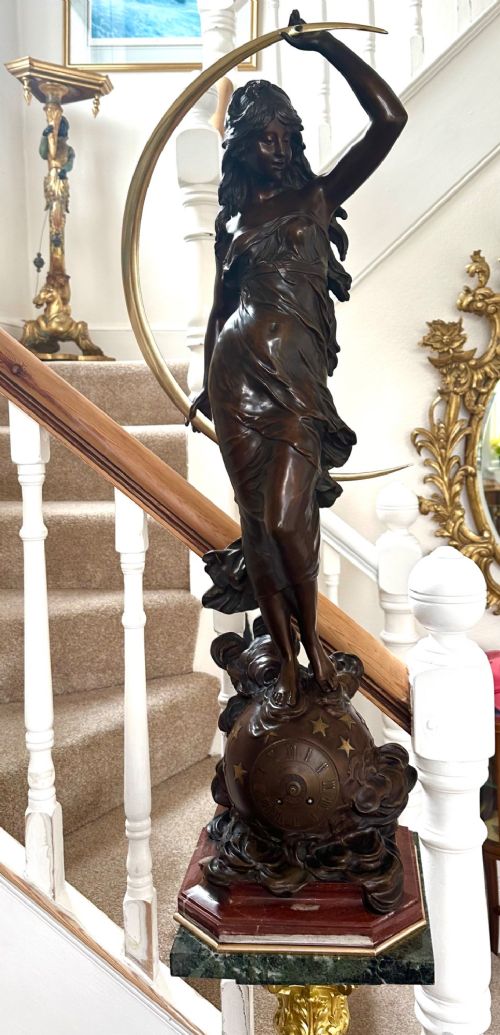
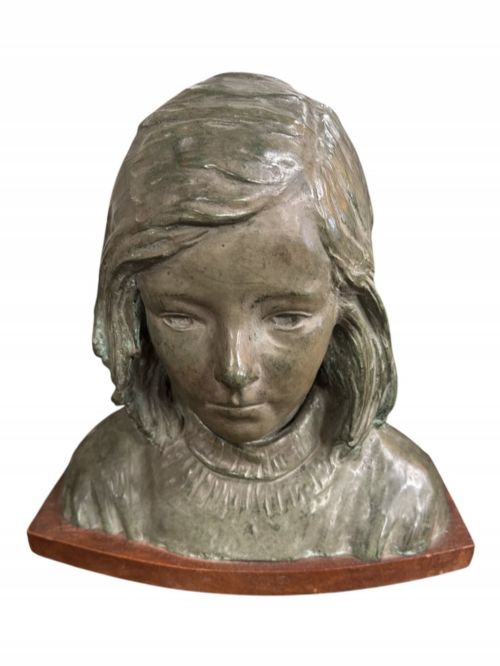
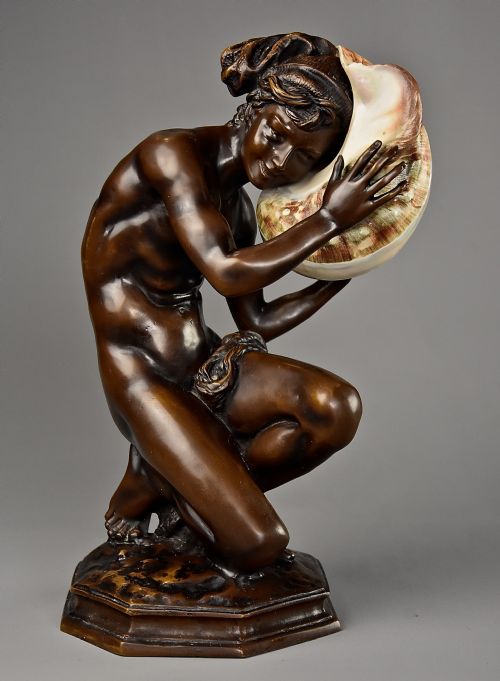
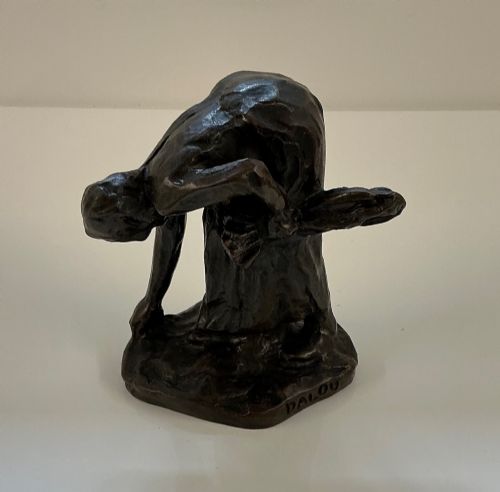
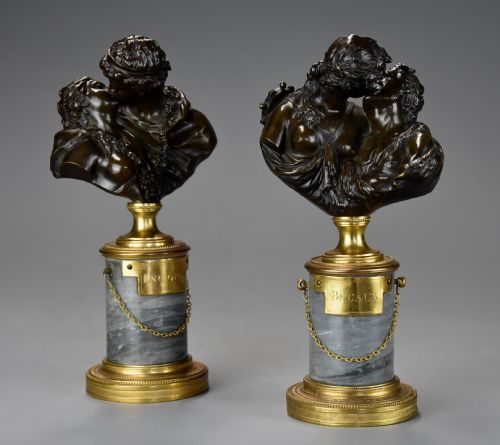
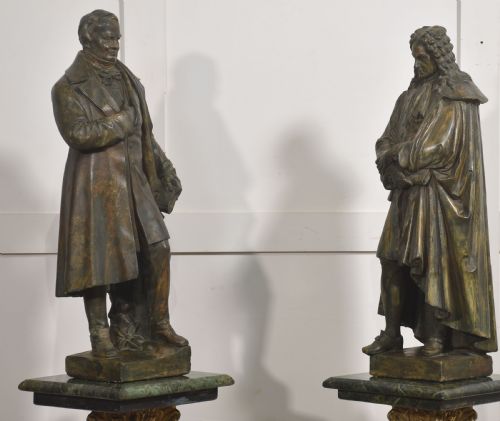
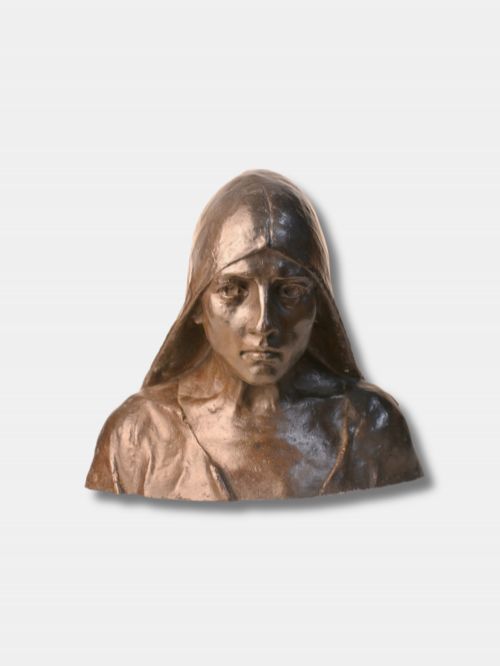
These bronze figurative sculpture pieces span the nineteenth century, the Art Nouveau era, and the Art Deco period, capturing human figures, busts, and studies. A buyer finds works depicting mythological characters, laborers, athletes, and standing nudes, alongside portrait busts of specific historical individuals. Forms range from monumental figures mounted on marble bases to smaller desk studies signed by known European and British makers.
The versions most commonly met on this page include French Art Nouveau studies, Art Deco patinated figures, and nineteenth century portrait busts. Scottish and English pieces appear alongside continental European works, demonstrating a variety of regional casting traditions from the late nineteenth and early twentieth centuries.
Materials and construction
These works are formed primarily from cast bronze, utilising traditional foundry methods to capture intricate details in hair, drapery, and muscle structure. Many figures are paired with marble elements, employing stone plinths and bases that anchor the heavier metal composition.
Patination techniques applied to the bronze surface create varied tonal qualities, ranging from dark warm browns to polished golden hues and painted finishes on Art Deco pieces. Signatures and titles are frequently incised directly into the metal or onto the integral base during the casting and finishing process.
Retail Price Guide 2026
Typical UK retail prices for bronze figurative sculpture, calculated from the Sellingantiques database of over a million retail prices indexed since 2003. This retail price guide relies exclusively on Sellingantiques data; no external sources or auction records are used, so the figures do not describe the wider market.
Object types seen on this page focus entirely on figurative sculptures, busts, and standing studies.
Distinguishing quality in casting and form
The integration between the bronze figure and its stone base marks a distinction in execution, where better pieces utilise fitted marble supports that complement the overall weight and balance of the sculpture.
Julien Lorieux·Emile Jespers·Emmanuel Villanis·Ferdinand Preiss·Elizabeth Anna Clapp·Bruno Zach
The Bronze Figurative Sculpture Glossary
- Patina
- The surface coloration and chemical layer developed naturally over time or applied artificially by the foundry to colour the metal. This finish protects the bronze and defines its visual depth.
- Chasing
- The manual post-casting process of refining the metal surface with chisels and hammers to sharpen details and remove casting flaws. Skilled chasing elevates the realism of the figure.
- Lost-wax casting
- A traditional method of creating metal sculptures from an original model coated in wax, melted out, and replaced with molten bronze. This technique allows for complex undercuts and fine textures.
- Plinth
- The solid block or base upon which a sculpture stands, frequently constructed from marble in these pieces. It provides structural stability and visual elevation.
Frequently Asked Questions
What periods do these sculptures cover?
The available pieces date from the nineteenth century through the Art Nouveau and Art Deco periods, extending into the early decades of the twentieth century.
These eras encompass distinct aesthetic movements, moving from naturalistic nineteenth century portraiture to stylized modernist figures.
Are these sculptures made entirely of bronze?
Most works combine cast bronze figures with fitted stone elements, particularly marble bases and plinths.
The metal itself forms the primary body of the figure, while the stone provides weight and structural support.
How do I identify a signed sculpture?
Makers and sculptors often incised their signatures directly into the bronze surface near the base or feet of the figure during casting.
Titles of specific studies or figures are sometimes cast alongside the artist's name on the metal body or plinth.
Where were these pieces produced?
The listings include works from French, English, and Scottish origins, reflecting active European foundry traditions of the period.
Continental artists frequently worked with specialised foundries to cast their figurative studies in bronze.