
Vintage Bronze Sculpture
Vintage bronze sculpture brings together weighty cast metal and intricate foundry work, capturing figures, animals and abstract forms across centuries of design.
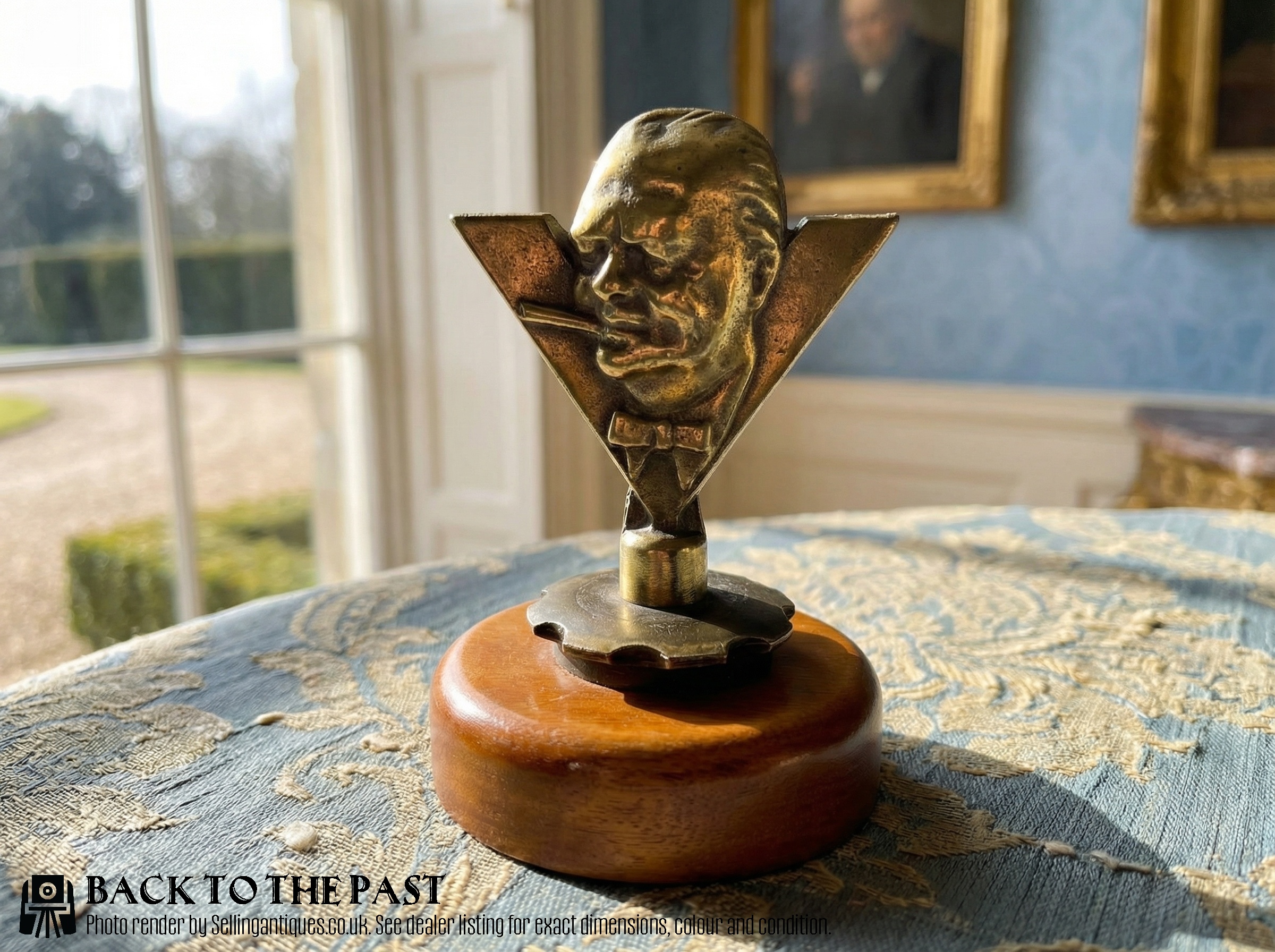
Vintage Bronze Sculpture
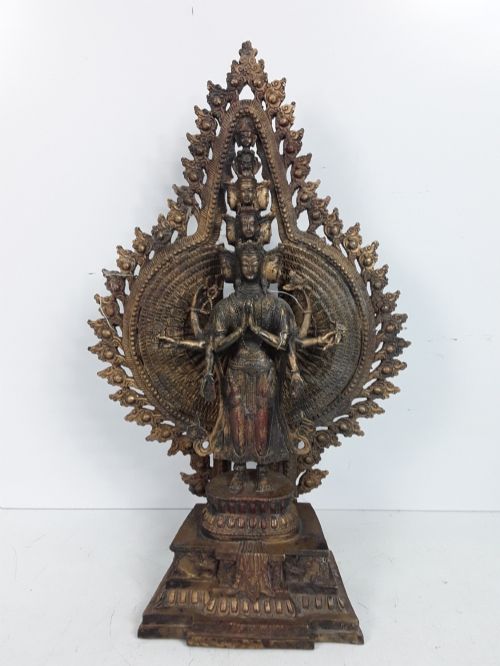
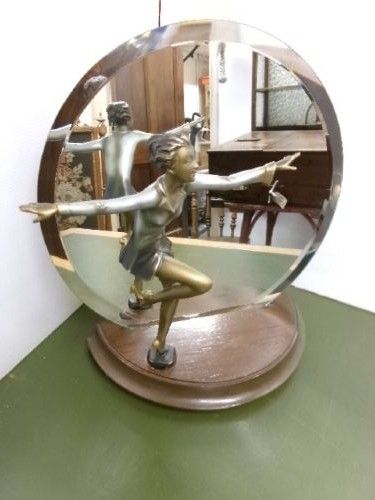
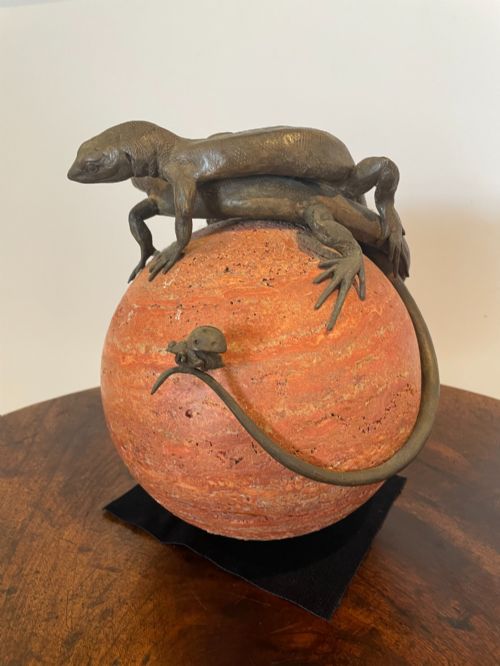
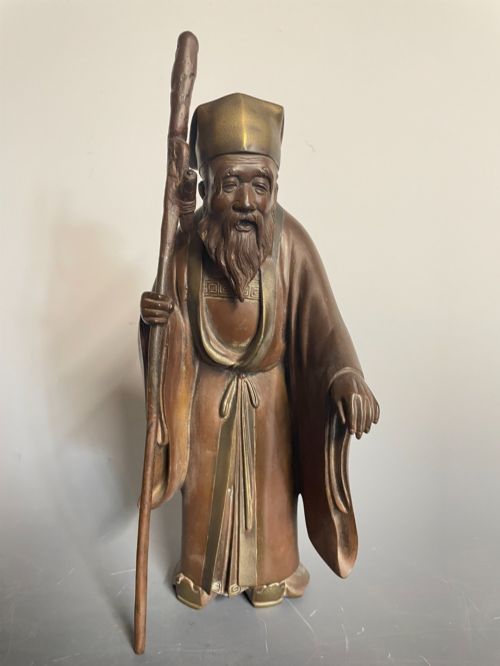
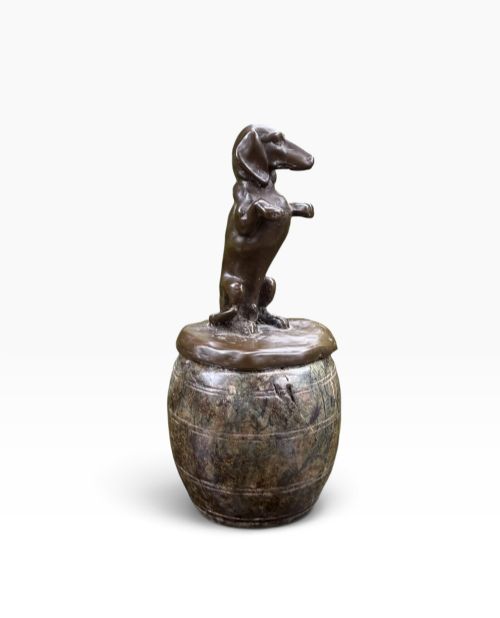
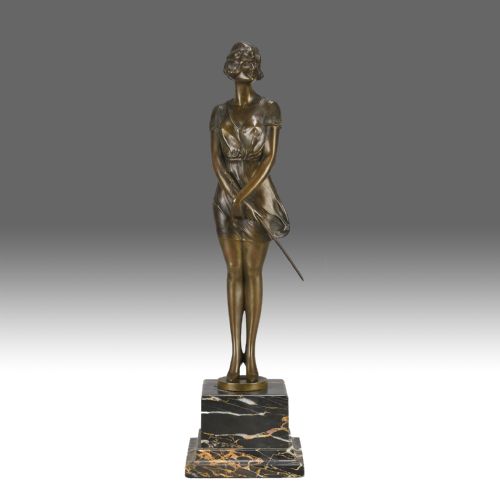
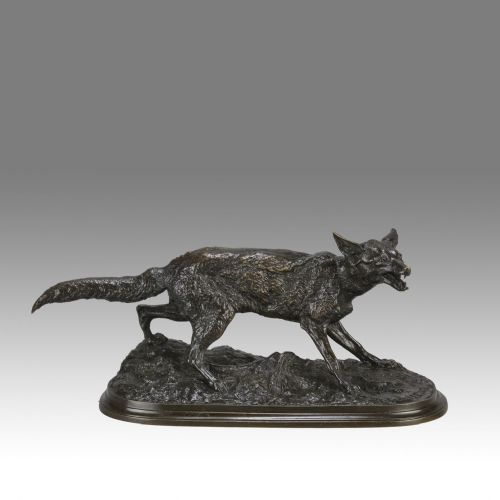
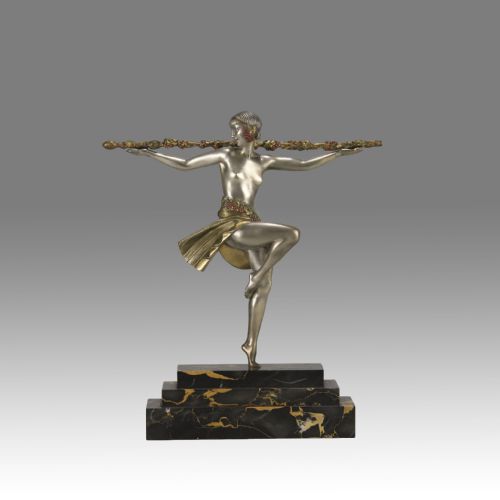
A vintage bronze sculpture represents cast metal artistry ranging from nineteenth-century animalier studies to twentieth-century modernist dancers. Pieces on this page span diverse stylistic movements including Art Deco, Meiji period Japanese works and Grand Tour classical casts.
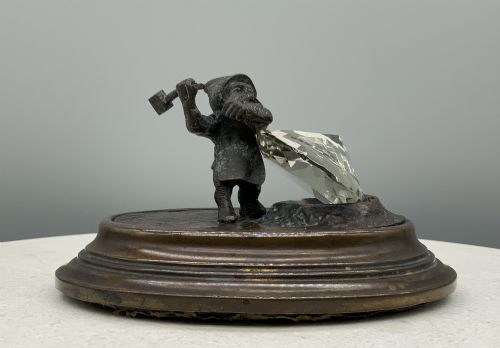
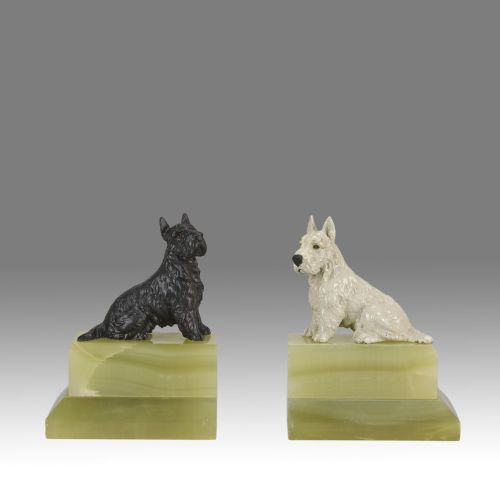
Forms extend beyond standalone figures to encompass functional objects such as bookends, table lamps, desk tidies and mantel clocks. Materials frequently accompany the metal, integrating marble, onyx and wood bases into the finished composition.
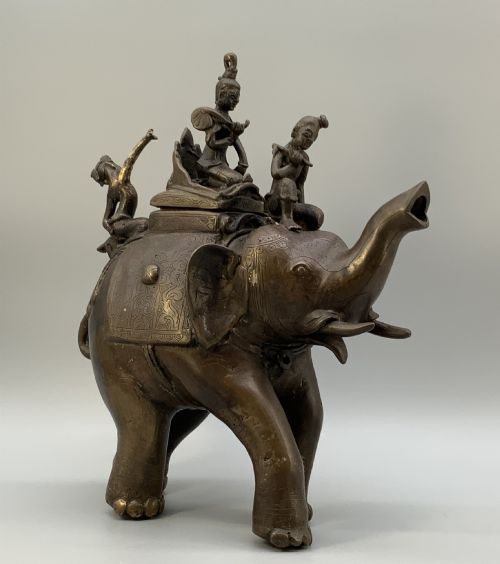
Origins stretch globally, incorporating European foundry traditions alongside Asian craftsmanship from China and Japan. Buyers encounter everything from large monumental animal bronzes to small cold-painted cabinet figures.

Materials and casting methods
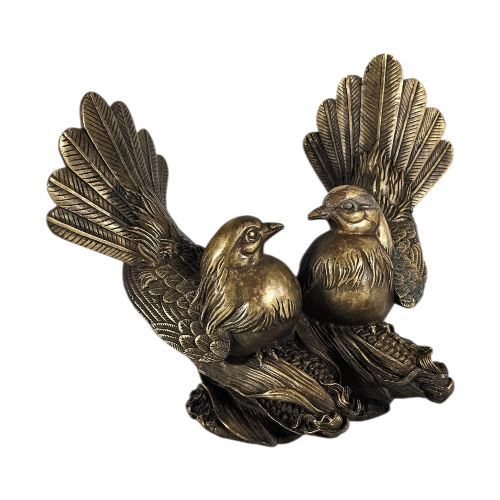
Foundries primarily utilised traditional casting methods to shape molten copper and tin alloys into detailed figures. Artisans refined the raw cast through chiselling, filing and polishing to define muscular tension, plumage or drapery.
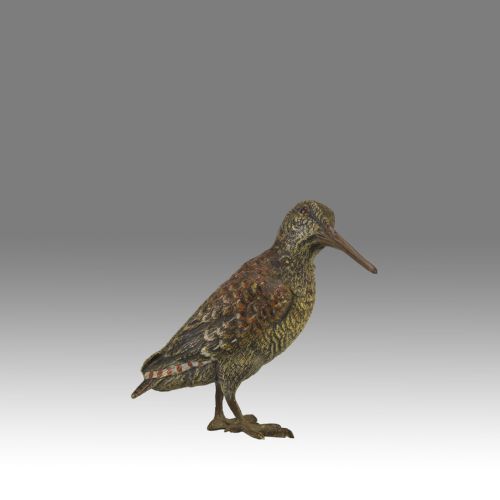
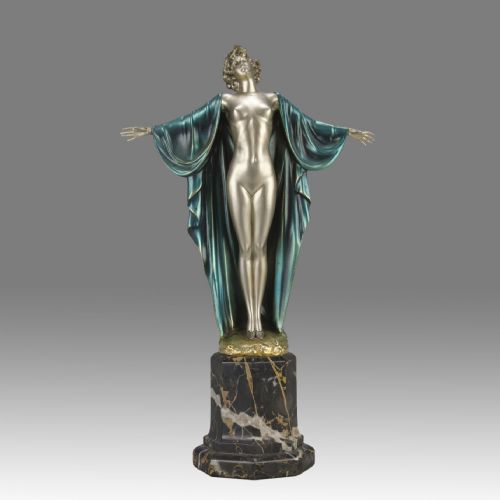
Surface treatments define the visual character of the metal, using patination processes or applied cold-painting techniques. Many twentieth-century Austrian works display bright polychrome enamel finishes over the bronze base.
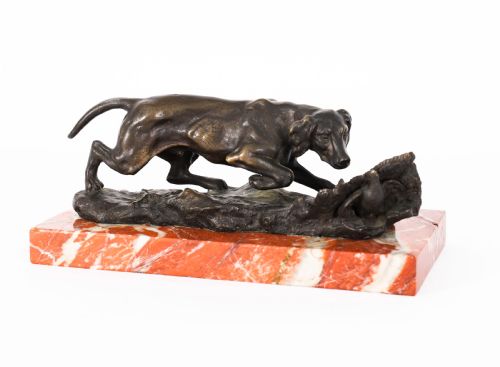
Integral plinths and mounts incorporate contrasting natural materials such as fossil marble, black marble or onyx. These heavy bases provide structural stability while elevating the sculpted subject.
Vintage Bronze Sculpture Retail Price Guide 2026
Typical asking prices for vintage bronze sculpture among the pieces listed under this phrase on Sellingantiques today, from the lower quarter to the upper quarter. They describe what is for sale here now, not the wider market.
Listings feature periods spanning from the mid-nineteenth century through to the art deco era of the 1930s.
Distinctions in craftsmanship
The application of patination or cold paint determines visual depth, with master founders achieving nuanced tonal variations across the metal surface. Thick, opaque paint layers can obscure the underlying hand-chased definition.
Integration with the base reveals structural care, as top-tier works feature secure subterranean fixings rather than superficial adhesives. The selection of supportive hardstones like veined marble elevates the overall piece.
Carl Kauba·Bruno Zach·P J Mêne·Franz Bergman·Pierre le Faguays·Ferdinand Preiss·Josef Lorenzl·Hamo Thornycroft·Irénée Rochard·Takasetsu Onoda
The Vintage Bronze Sculpture Glossary
- Patinated bronze
- Metal treated with chemical solutions to produce a controlled surface colour or aged finish. This process protects the alloy and enhances sculptural contours.
- Cold-painted bronze
- Figures decorated with oil or enamel paints applied after the metal casting and finishing stages. These paints are typically unheated, making them delicate to harsh cleaning.
- Animalier
- A nineteenth-century artistic genre dedicated to the realistic portrayal of animals. Practitioners focused on capturing creatures in motion or resting states with anatomical accuracy.
- Grand Tour
- Souvenir artworks collected by wealthy travellers touring European cultural centres during the nineteenth century. These often replicated classical statues in reduced scale.
- Spelter
- A zinc-based alloy commonly utilised as an economical alternative to bronze during the art deco period. It imitates the heavier metal when painted or patinated.
Vintage Bronze Sculpture: Frequently Asked Questions
How do I clean a vintage bronze sculpture?
Dust the surface regularly with a soft, dry brush to prevent particulate accumulation within the recesses of the casting. Avoid liquid cleaners, oils or abrasive cloths that can strip the original patination.
Apply a very thin layer of microcrystalline wax if the metal requires protection against atmospheric moisture. Buff the wax gently with a clean cloth after application to preserve the intended sheen.
What is an animalier bronze?
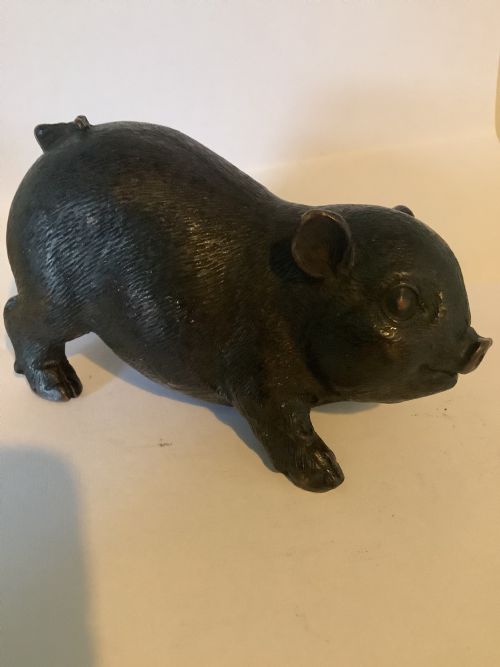
An animalier bronze depicts wild or domestic animals, capturing natural behaviours and physical tension. These pieces gained popularity in nineteenth-century Europe through specialised sculptors.
Artists studied subjects in menageries to ensure accurate muscle structure and posture. Common examples include hunting dogs, stags, big cats and birds.
How can I tell bronze from spelter?
Bronze possesses a heavier, denser feel and a resonant ring when lightly tapped compared to softer zinc alloys. The underside or worn areas may reveal a reddish-brown copper tone rather than grey metal.
Spelter tends to feel lighter and can show a more brittle fracture surface if damaged. Many twentieth-century decorative figures utilised spelter as an affordable substitute for solid bronze.
Why are some bronzes cold painted?
Cold painting involves applying polychrome enamel or oil colours directly onto the cast metal without subsequent kiln firing. This technique allowed makers to achieve vibrant, lifelike hues on small decorative figures.
The method flourished in late nineteenth and early twentieth-century Austrian workshops. Because the paint rests on the surface, surviving pieces require careful handling to prevent flaking.