
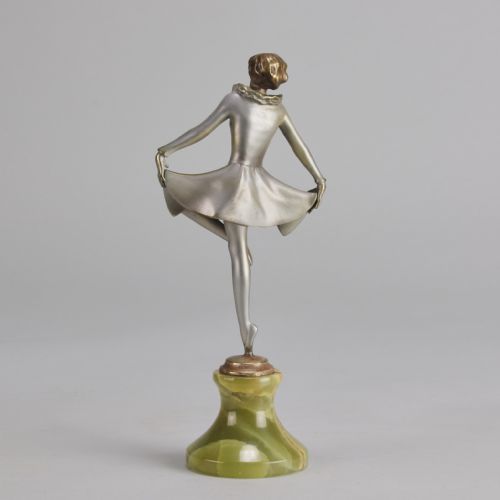
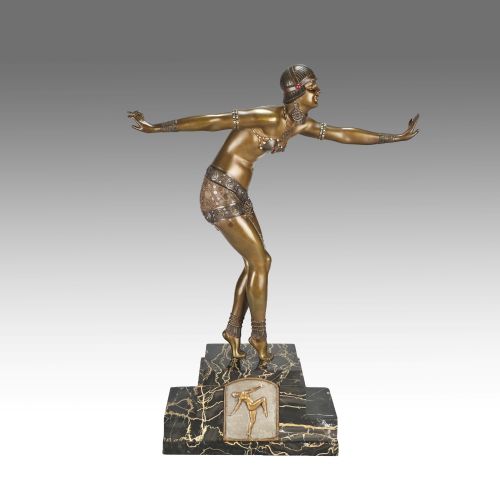
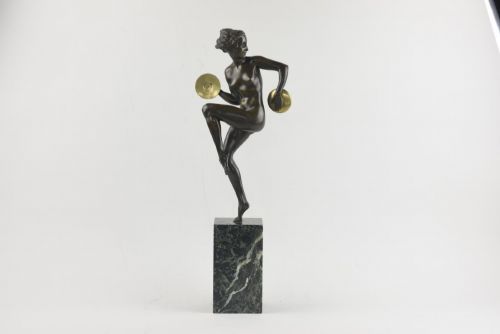
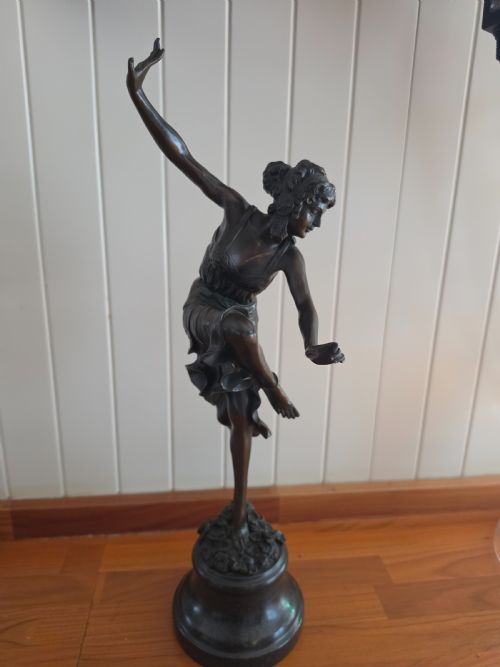
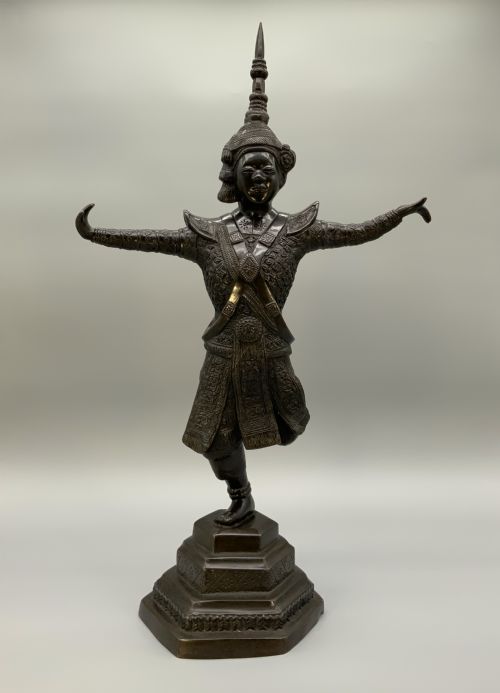


Bronze Dancer Statue
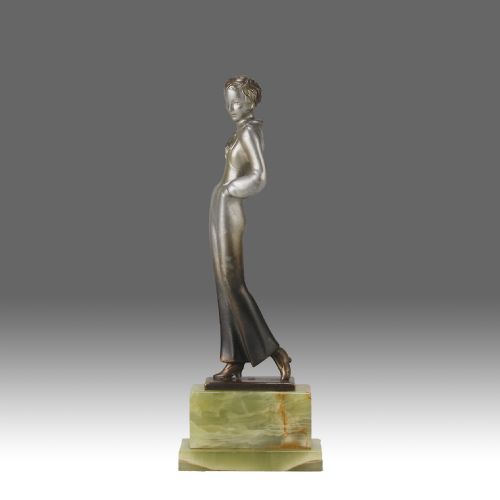
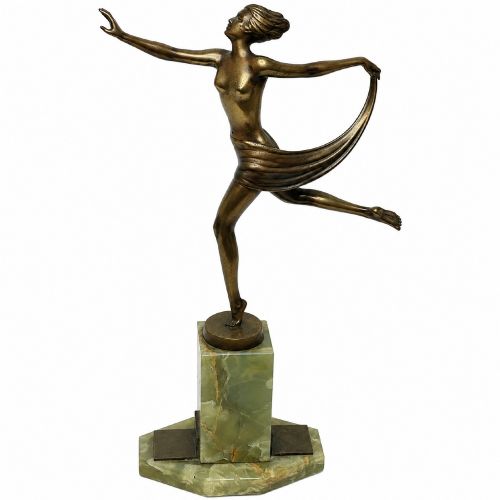
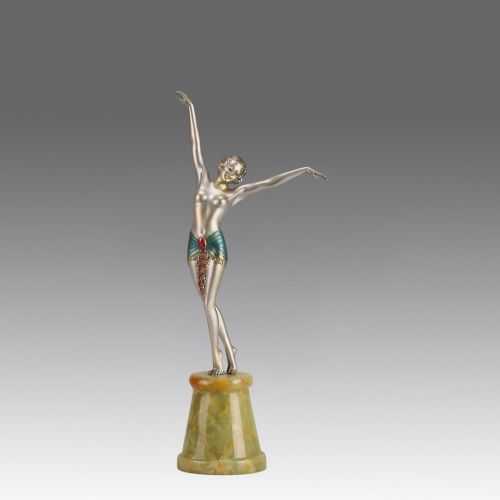
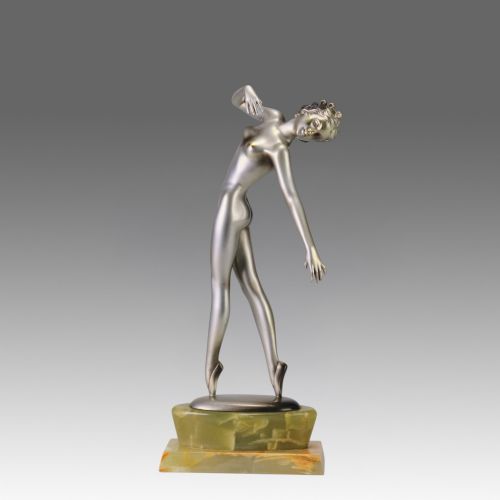
These bronze dancer statue pieces capture movement in metal and stone, bringing distinctive Art Deco and Indochinese character into any room.
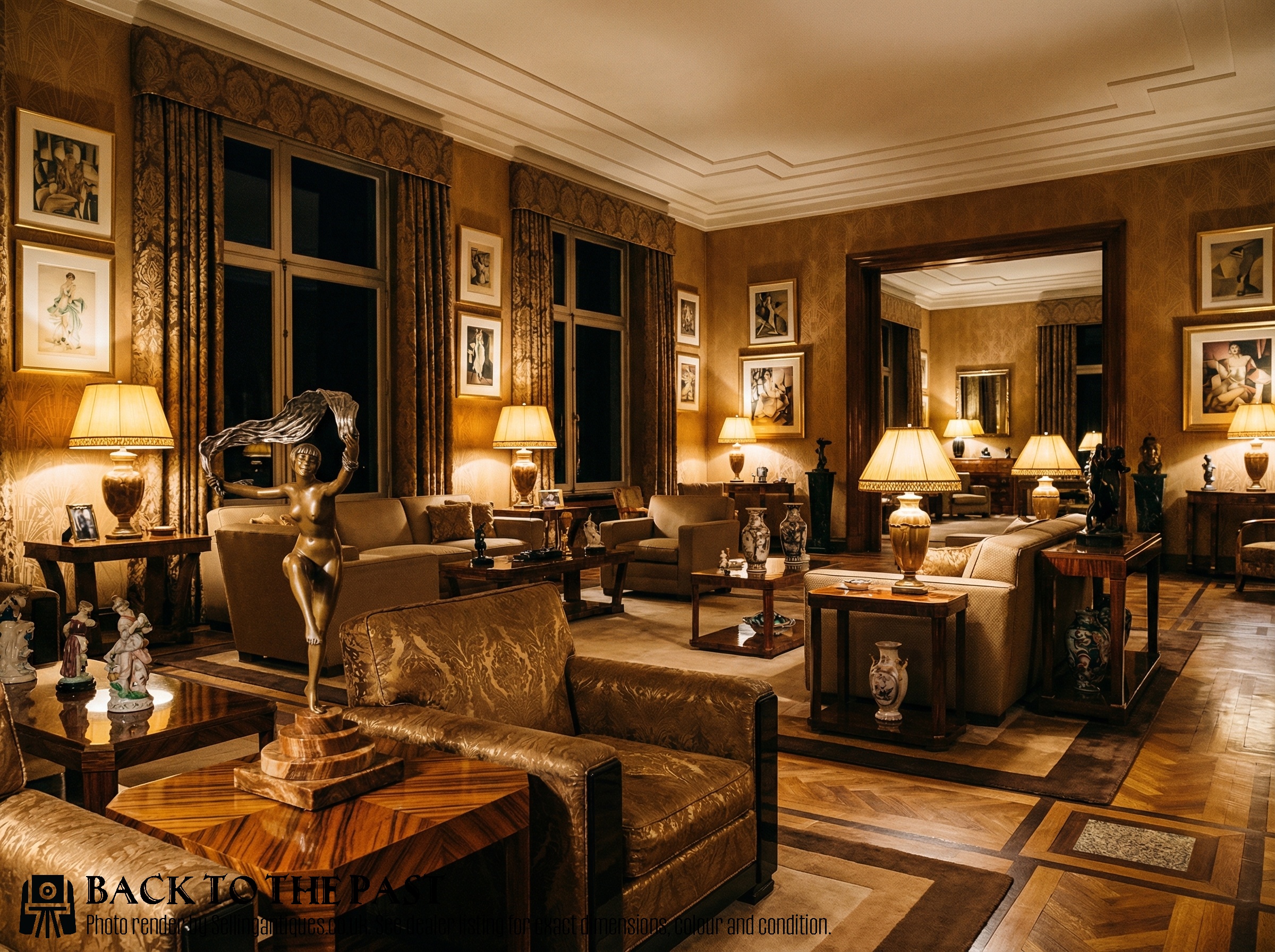
What they are
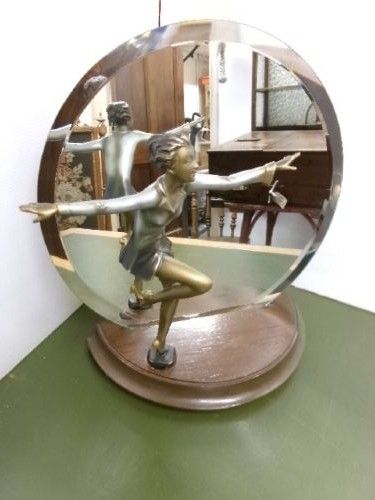
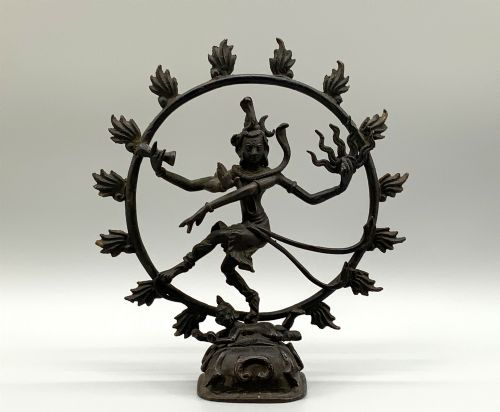
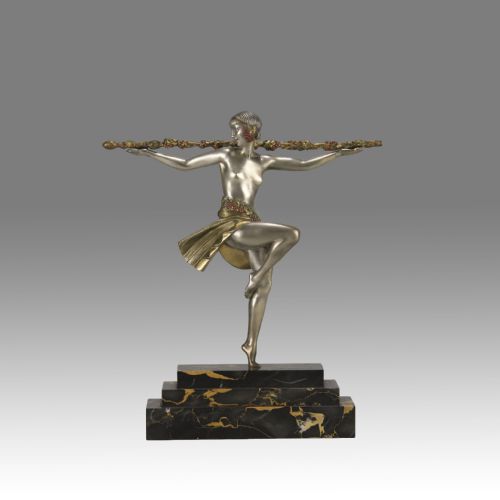
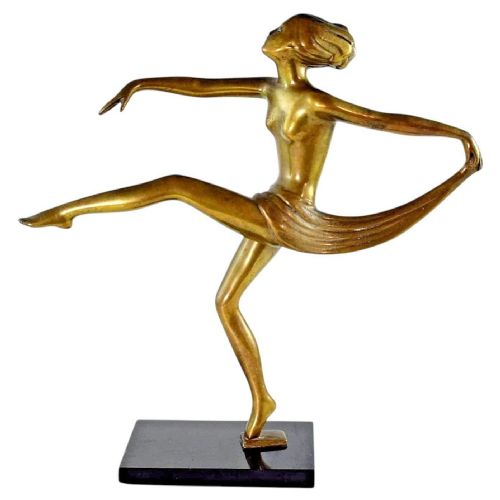
When you search for bronze dancer statue, you encounter sculptures, statuettes and figurines capturing figures in motion. The pieces visible here belong predominantly to the Art Deco style alongside Indochinese examples.
The dates range across the decades, with representation from the nineteen twenties, nineteen thirties and nineteen forties. Formats span from ballerinans and court dancers to ring dancers and musicians.
Materials extend beyond metal alone, frequently incorporating marble or onyx bases. European and Asian origins appear across the selection, featuring works from Austrian, French and Vietnamese workshops.
How they were made
Makers utilised bronze, patinated bronze, and occasionally spelter as the primary metal medium for the figures. Gilding adds surface brilliance to specific ballerina and dancer compositions.
Foundations rely heavily on carved marble or onyx to anchor the upright figures securely. Casting techniques shape the dynamic postures of dancers, ballerinans and musicians.
Retail Price Guide 2026
Typical UK retail prices for bronze dancer statue, calculated from the Sellingantiques database of over a million retail prices indexed since 2003. This retail price guide relies exclusively on Sellingantiques data; no external sources or auction records are used, so the figures do not describe the wider market.
Even frozen in heavy bronze, these dancers still manage to look lighter on their feet than anyone after midnight.
What varies in quality
The distinction between standard figures and masterworks rests in the fluidity of the casting and the expression of movement. Superior examples capture drapery, limbs and costume with crisp articulation.
Base selection influences overall character, where substantial carved marble or onyx elevates the presence of the metal sculpture. Surface finishes, from rich patination to detailed gilding, distinguish finer studio output from commercial alternatives.
Josef Lorenzl·Maurice Guiraud Riviere
The Bronze Dancer Statue Glossary
- Art Deco
- A design style dominant in the nineteen twenties and nineteen thirties characterised by streamlined shapes and dynamic lines. It defines the aesthetic of most figures in this category.
- Spelter
- A zinc alloy frequently utilised as a cost-effective alternative to bronze in period statuary. It offers similar weight and appearance when finished.
- Patination
- The surface coloration achieved on bronze through chemical treatment or natural ageing. It enhances the depth and detail of the sculpted garments.
- Gilt
- A thin layer of gold applied to the bronze surface to create a luminous finish. This technique highlights particular costumes and accessories.
Frequently Asked Questions
What periods do these pieces span?
The available items date primarily from the nineteen twenties and nineteen thirties, alongside examples from the nineteen forties.
Earlier Victorian examples also appear in the historical archive records.
What materials are used in these statues?
Statues are cast in bronze, patinated bronze, or spelter, sometimes featuring gilt surfaces.
Bases are frequently fashioned from carved marble or onyx.
Where were these dancer statues made?
European studios in Austria and France produced the majority of the Art Deco figures.
Asian workshops, including institutions in Bien Hoa and Siam, created distinct regional forms.
How do I display a bronze dancer statue?
These sculptures suit tabletops, mantelpieces and dedicated display cabinets where light catches the patinated or gilt surfaces.
Ensure the stone base rests firmly on a level surface to support the weight of the metal figure.