

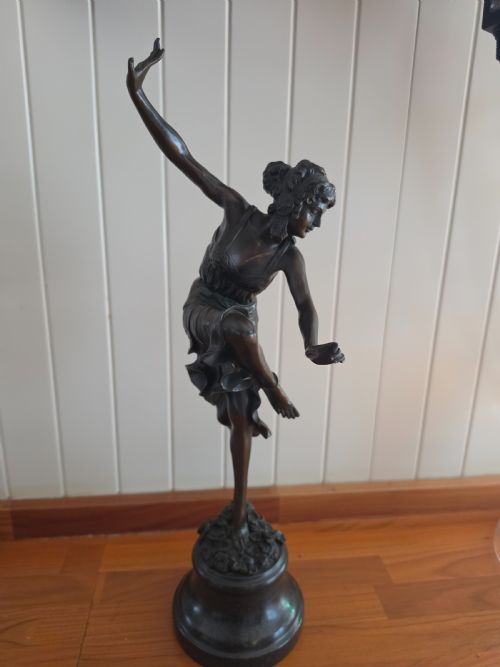


Art Deco Bronze Dancer
Art deco bronze dancer figures capture the dynamic movement and sleek geometry of the 1920s and 1930s through expressive metal sculpture.

Art Deco Bronze Dancer
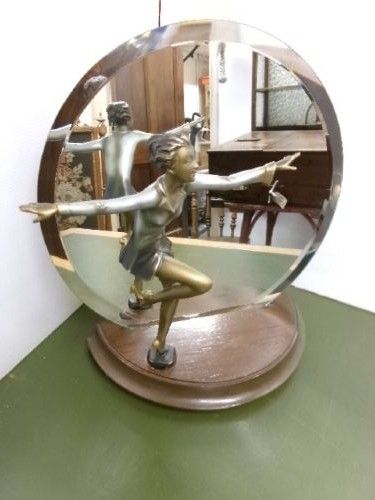
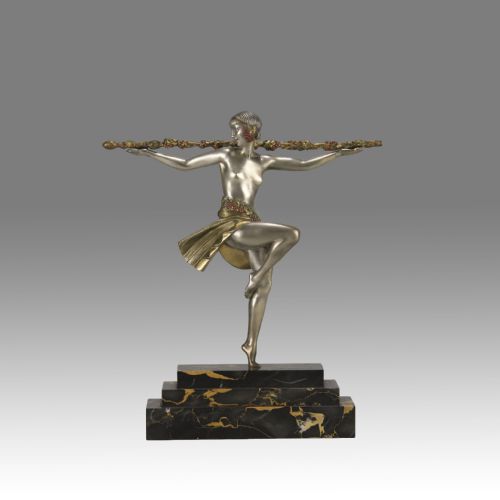
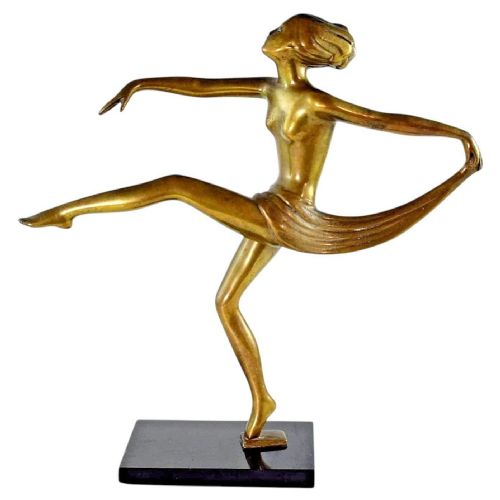
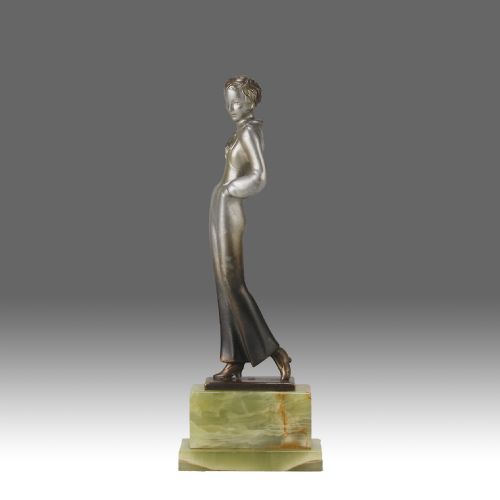
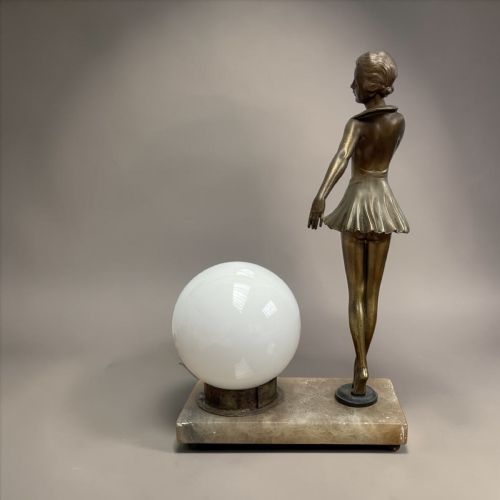
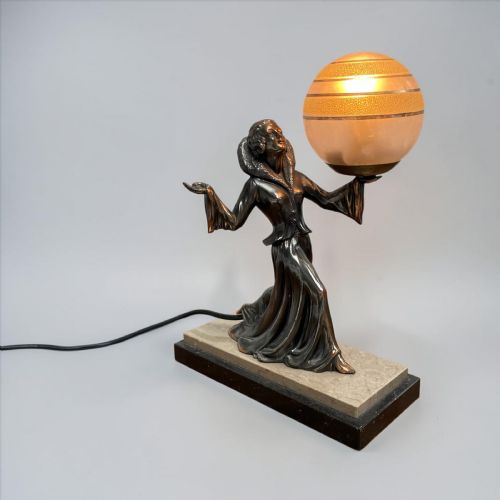
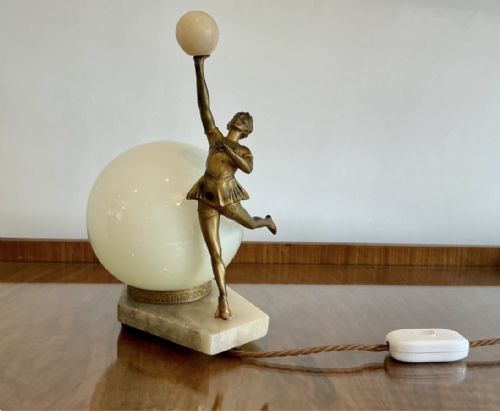
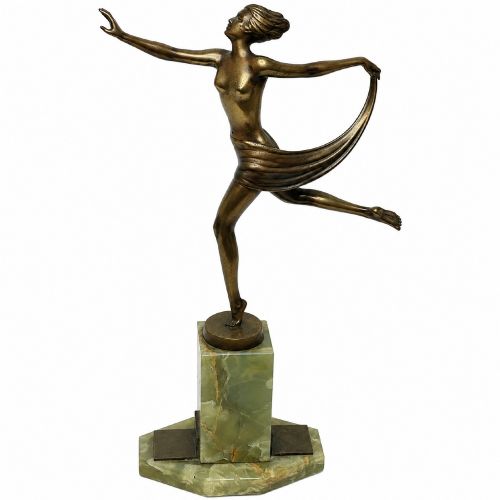
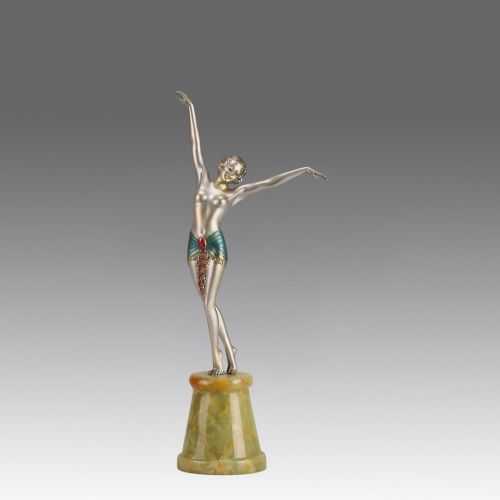
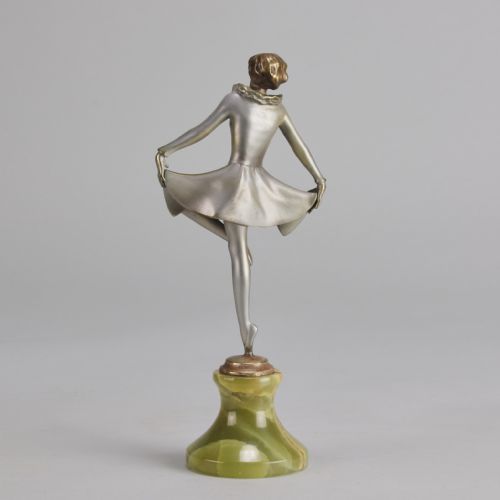
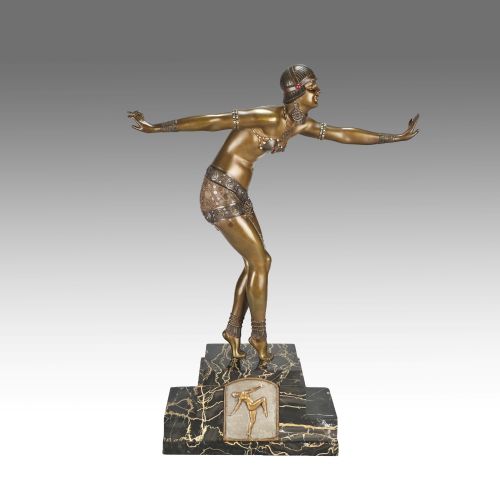
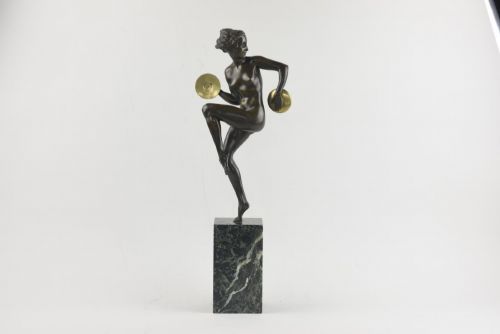
An art deco bronze dancer represents female figures in motion, balancing on sculpted bases of marble or onyx. The subjects range from ballet dancers and exotic performers to figurative nudes caught mid-pose.
Most examples originate from the 1920s and 1930s, produced in France and Austria by prominent sculptors. They frequently double as decorative table lamps or functional lighters.
Spelter alternatives appear alongside genuine bronze castings, offering similar decorative forms from the same period.
Materials and Casting
Foundries utilised traditional lost-wax casting for bronze figures, capturing fine anatomical details and flowing drapery. Surfaces received cold-painted polychrome finishes, silvering, or patination to enhance the garments and hair.
Bases were cut from natural stone, predominantly veined marble and translucent onyx, providing weight and stability to slender forms.
Art Deco Bronze Dancer Retail Price Guide 2026
Typical asking prices for art deco bronze dancer among the pieces listed under this phrase on Sellingantiques today, from the lower quarter to the upper quarter. They describe what is for sale here now, not the wider market.
Some dancers balance precariously on dice or single toes, defying gravity with interwar optimism.
Assessing Execution
The integration of the figure with its stone plinth demonstrates the thought behind the design, where native veining complements the pose of the dancer.
Josef Lorenzl·Demetre Chiparus·Pierre le Faguays·Paul Philippe·Claire Jeanne Roberte Colinet·Bruno Zach
The Art Deco Bronze Dancer Glossary
- Cold-painted
- Pigment applied to metal after casting without heat firing. This finish is vulnerable to flaking if handled improperly.
- Spelter
- Zinc-based alloy used as an economical alternative to bronze. It feels lighter and accepts patination differently.
- Patinated
- Chemically treated metal surface showing aged tones. This process brings out shadows in the drapery.
- Chryselephantine
- Sculpture combining bronze and ivory elements. Flesh parts are carved from ivory while garments utilise metal.
- Onyx
- Translucent banded stone used for sculptural bases. It often incorporates lamp fittings in lighting pieces.
Art Deco Bronze Dancer: Frequently Asked Questions
How do I identify a real bronze from spelter?
Bronzes possess a heavier weight and a resonant sound when tapped gently, whereas spelter feels softer and colder.
Examination of the underside often reveals the darker metal colour beneath worn patination.
Were these figures mounted on stone bases originally?
Sculptors mounted figures on marble or onyx plinths to provide essential balance for elongated poses.
The stone type helps date the piece to the interwar period.
How should I clean a cold-painted dancer?
Dust gently with a soft dry brush to protect fragile polychrome pigments from moisture damage.
Water and solvents strip the historical finish entirely.
Can I replace missing lamp fittings safely?
Electrical components require modern rewiring by a qualified professional to meet current safety standards.
Original metalwork should remain unaltered during restoration.