


Demetre Chiparus Sculpture
Demetre Chiparus sculpture captures the height of Art Deco glamour through dynamic figures of dancers and elegant ladies.

Demetre Chiparus Sculpture
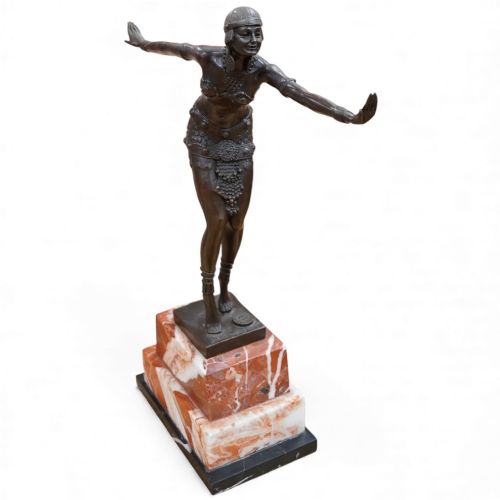
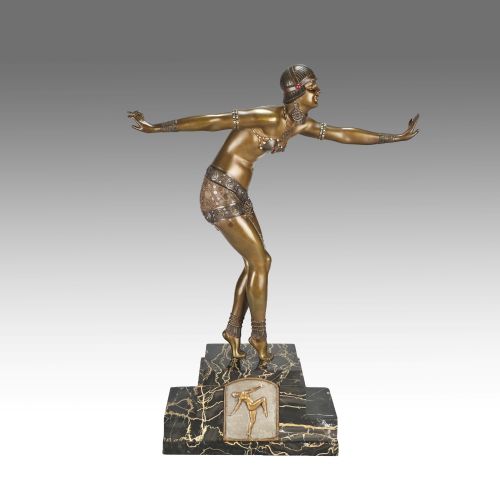
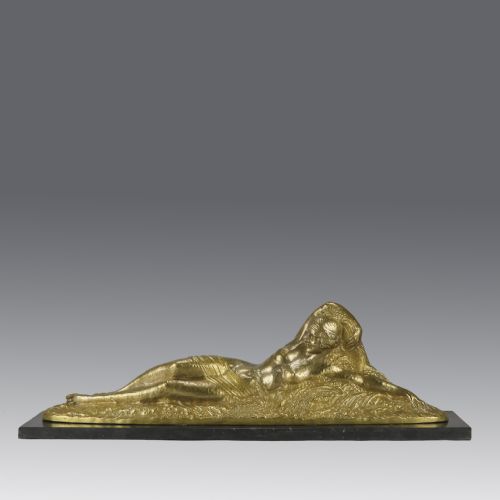
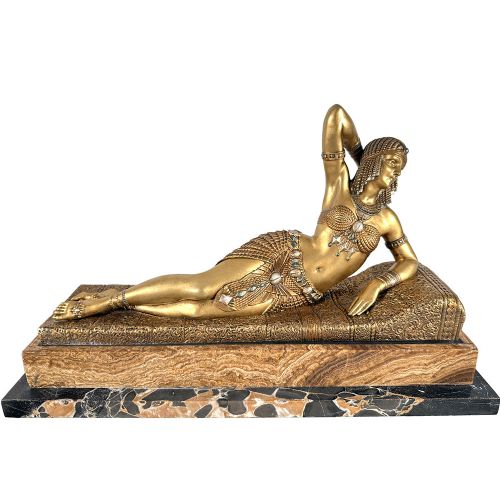
When you search for demetre chiparus sculpture, you encounter distinct Art Deco figures originating from the early twentieth century, specifically the decades of nineteen twenty and nineteen thirty. These works primarily depict dancers and female figures such as Phoenician Dancer, Été, Cleopatra, Starfish Dancer, L'Eveil, Elegant Lady, The Hunter, Egyptian Dancer, Equilibrium, and Woman with Mirror.
The objects take the form of sculptures and figures mounted on solid bases, frequently executed in French studios. You will find both original period examples and later pieces created after the artist.
Dancers form the core of what you see here, capturing the theatrical and exotic tastes of the interwar period. The subjects range from Egyptian revival themes to poised modern women.
How they were made
Makers utilised a combination of metals and stone, pairing bronze, gilt bronze, gilded bronze, cold-painted bronze, and spelter with carved ivory, marble, and onyx bases. Figures were cast in metal and patinated or gilded, then mounted securely onto heavy plinths of contrasting geological material.
Demetre Chiparus Sculpture Retail Price Guide 2026
Typical asking prices for demetre chiparus sculpture among the pieces listed under this phrase on Sellingantiques today, from the lower quarter to the upper quarter. They describe what is for sale here now, not the wider market.
Listings span the periods nineteen twenty and nineteen thirty, utilising marble, bronze, onyx, gilt bronze, cold-painted bronze, carved ivory, and spelter.
What varies in quality
The choice of medium drives the distinction between pieces, with cast bronze and carved ivory representing the primary standard compared to alternative metal alloys like spelter. Original period casting detail and the richness of the cold-painting or gilding determine the visual presence of each figure.
The integration between the figure and its base, whether marble or onyx, establishes the structural harmony of the piece. Superior examples display crisp definition in the casting and expert combination of multiple materials.
Demetre Chiparus
The Demetre Chiparus Sculpture Glossary
- Art Deco
- The dominant design style of the interwar period characterised by streamlined forms and geometric clarity. It influences all the sculptures listed here.
- Chryselephantine
- A term describing statues made from a combination of metal and ivory. This technique defines several of the elegant female figures in the collection.
- Cold-painted bronze
- Metal sculpture painted with non-heat-set colours after casting. This technique adds vibrant hues to the garments of the dancers.
- Spelter
- A zinc alloy used as a substitute for bronze in decorative metalwork. It appears in alternative figures such as animal groups.
- Patinated bronze
- Metal treated with chemical solutions to produce a specific surface colour. This finish enhances the sculptural contours of the figures.
Demetre Chiparus Sculpture: Frequently Asked Questions
What is a chryselephantine figure?
A chryselephantine figure combines metalwork with carved ivory elements, typically forming the face and hands of the subject while the body utilises cast bronze.
This historic method requires high technical skill to join disparate materials securely and achieve lifelike contrast in figurative sculpture.
How do I identify Art Deco style?
Art Deco style is recognised through stylised human forms, clean lines, and theatrical poses that reflect the aesthetics of the nineteen twenties and thirties.
These sculptures emphasise motion and modern elegance rather than classical realism.
What materials were used for bases?
Bases were predominantly fashioned from marble or onyx to provide stability and a heavy, contrasting foundation for the metal figures.
These polished stones complement the dark patination or bright gilding of the sculptures above them.
How do I care for these sculptures?
Maintain these pieces by dusting gently with a soft dry cloth and avoiding harsh chemical cleaners that might damage patination or gilding.
Keep them away from direct sunlight and extreme humidity to protect sensitive organic materials like ivory.