

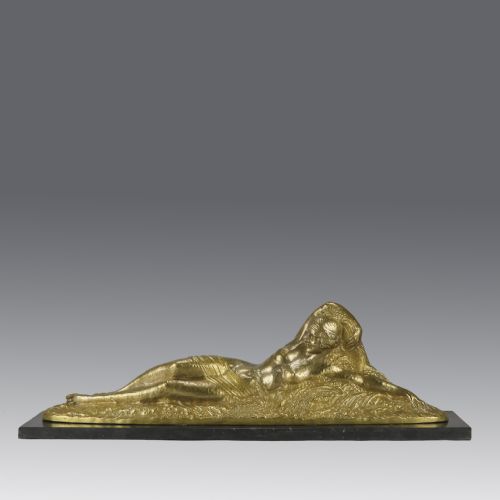


French Art Deco Statue
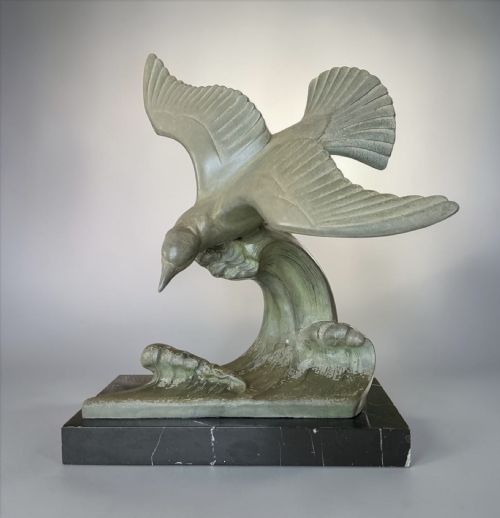
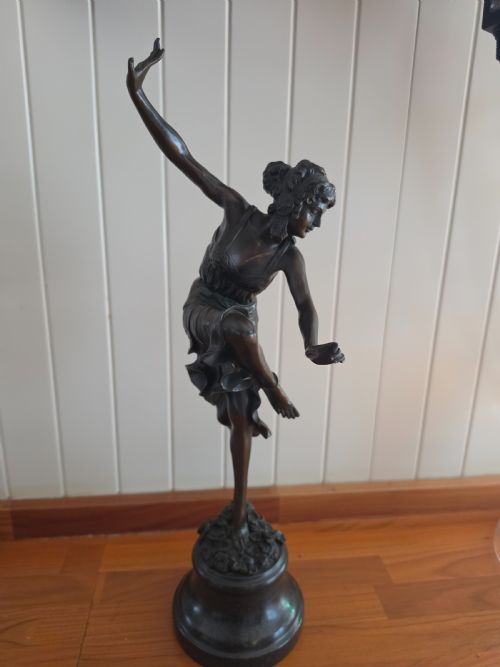
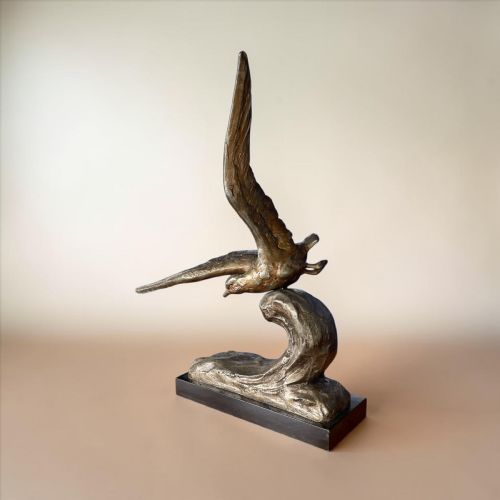
These pieces capture the dynamic energy of interwar design, spanning dancers, animals and athletes cast in bronze, spelter and marble.
French Art Deco Statue
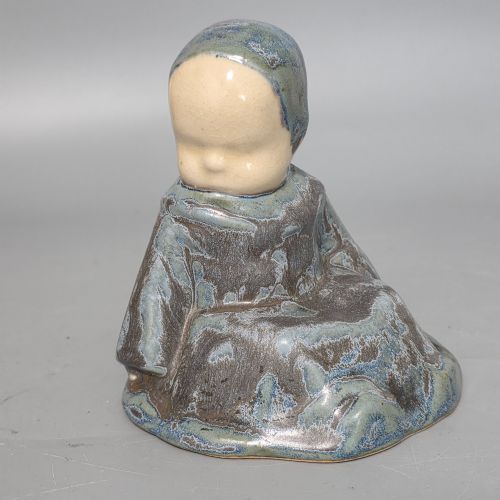
When you search for a french art deco statue, you encounter figures that embody the aesthetic of the 1920s, 1930s and 1940s. The selection on this page centres on sculptures, bookends, table lamps and decorative figurines originating from France.
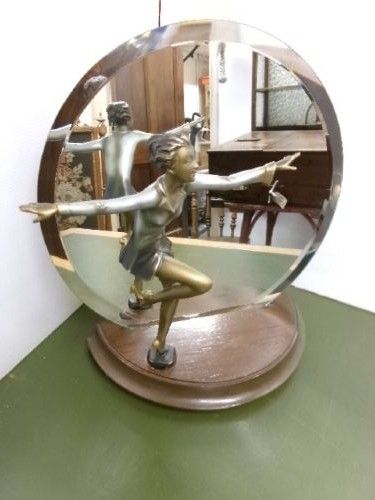
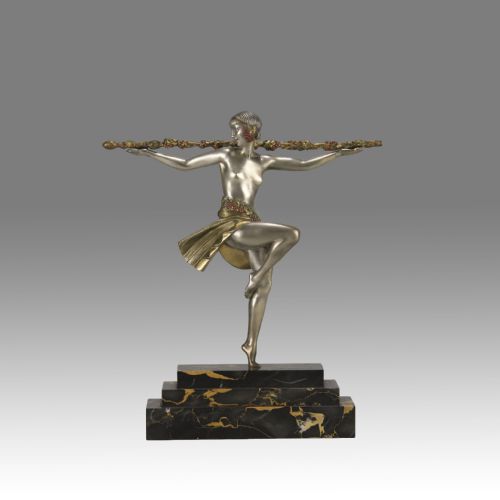
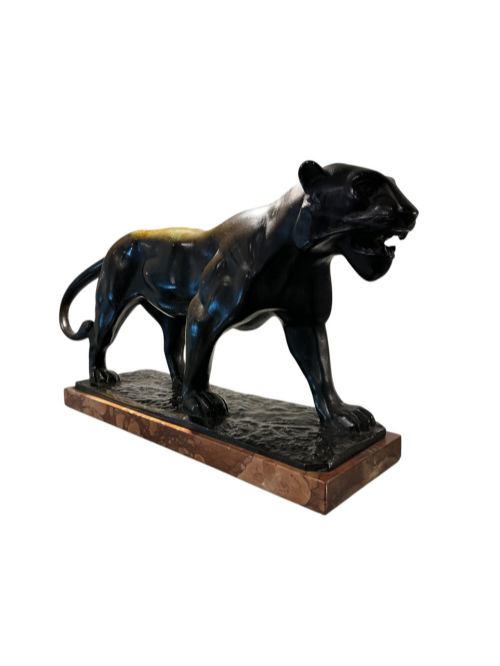
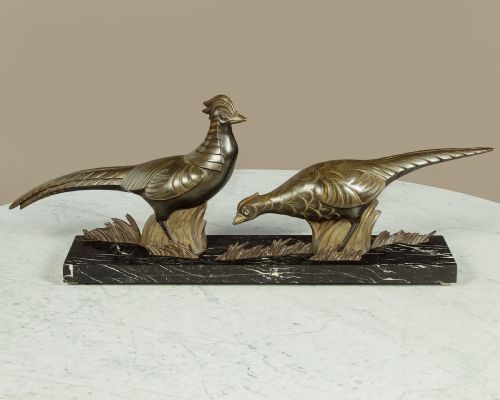
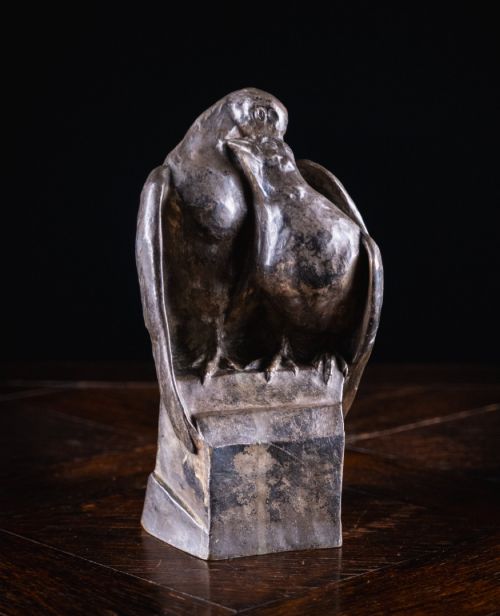
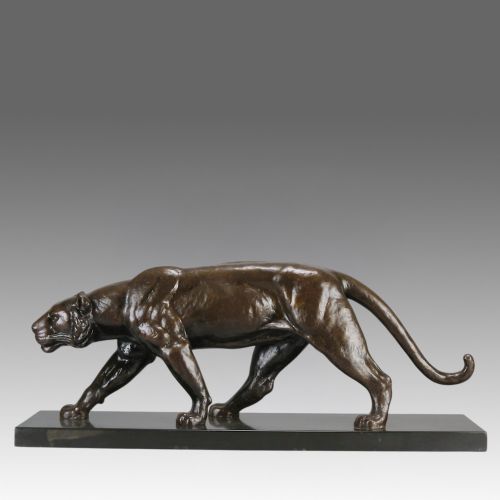
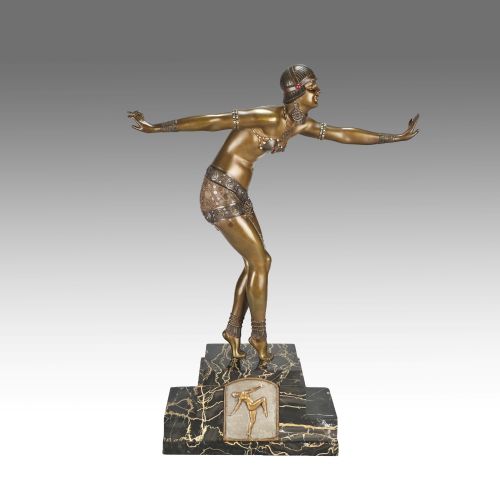
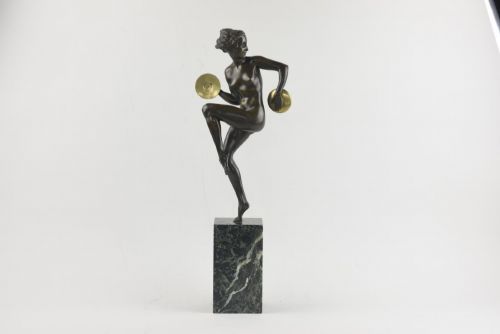
The most common formats you will meet are cast metal figures mounted upon marble or onyx bases, depicting human dancers, athletes, birds and large cats. These works range from substantial gallery pieces to smaller decorative figures designed for domestic interiors.
Materials and casting methods
Foundries utilised traditional lost-wax casting for bronze and cold-painted finishes to achieve rich surface textures and patination. Spelter served as a more accessible alternative metal for figures, often paired with stone plinths.
Makers incorporated mixed media such as glass eyes, carved wood, gilt bronze and silvered bronze to emphasise the stylised forms characteristic of the period.
French Art Deco Statue Retail Price Guide 2026
Typical asking prices for french art deco statue among the pieces listed under this phrase on Sellingantiques today, from the lower quarter to the upper quarter. They describe what is for sale here now, not the wider market.
Object forms documented here include table lamps, bookends, advertising display pieces and freestanding sculptures.
Judgement of quality
The integration between the figure and its base also distinguishes the work. High quality examples use substantial marbles and onyx properly fitted to the sculpture without excess movement or clumsy fixings.
Pierre le Faguays·Alexandre Ouline·Demetre Chiparus·Aurore Onu·C J R Colinet·Berthe Savigny·Georges Charles Coudray·Sibylle May·Eugene Emile Borga·P Sega·Aristide Maillol·Maurice Guiraud Riviere·Paul Philippe·L Gerfaux·Raymond Leon Rivoire·Andre Vincent Becquerel
The French Art Deco Statue Glossary
- Spelter
- An alloy of zinc and lead used as a cheaper substitute for bronze. It was widely cast for decorative figures and usually patinated or painted.
- Chryselephantine
- A term describing statues combining bronze and ivory. This technique was used to render flesh and drapery with distinct textural contrast.
- Patination
- The chemical treatment or natural oxidation applied to the surface of metal. It alters the colour and protects the bronze underneath.
- Cold painted
- A method where paint is applied to metal without being fired in a kiln. It creates vibrant surface decoration on bronze and spelter figures.
- Chasing
- The manual finishing of a raw metal casting using hammers and punches. Skilled artisans used this to refine details and remove casting flaws.
French Art Deco Statue: Frequently Asked Questions
What materials were used?
The listings show sculptures created primarily from bronze, spelter, marble, onyx and glass. Artists also utilised wood, gilt bronze and silvered bronze.
These materials were frequently combined within a single piece, such as a metal figure mounted on a marble or onyx base.
How do I identify a dancer figure?
Dancer figures typically depict women caught mid-movement, often referencing specific cultural dances or theatrical performances of the interwar era. Artists rendered these with outstretched arms, flowing scarves or dynamic poses.
Many of these sculptures bear the signature of prominent sculptors who specialised in movement and choreography.
Where were these pieces displayed?
In period interiors, these sculptures occupied prominent positions on mantelpieces, sideboards and specialised pedestals. They served as decorative focal points in urban apartments and salons.
Smaller examples functioned as bookends or table lamps, combining utility with modern decoration.
How do I date a piece?
Dating relies on stylistic evidence, recorded foundry marks and artist active dates spanning the 1920s to the 1940s. The geometry of the base and the costume details of the figures offer clear chronological clues.
Objects from this era often exhibit the characteristic stylised anatomy and streamlined silhouettes associated with French Modernism.