




Art Deco Spelter Figure
An art deco spelter figure captures the dynamic energy and sleek styling of the interwar years, offering character and decorative presence for collectors.
Art Deco Spelter Figure
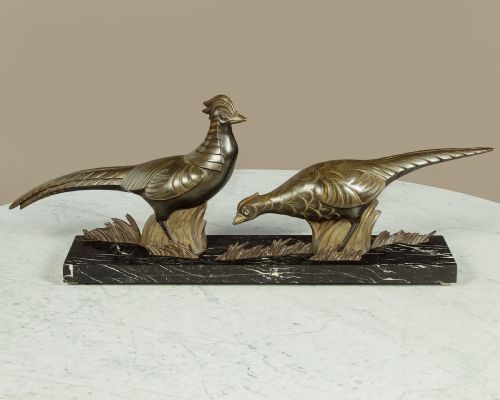
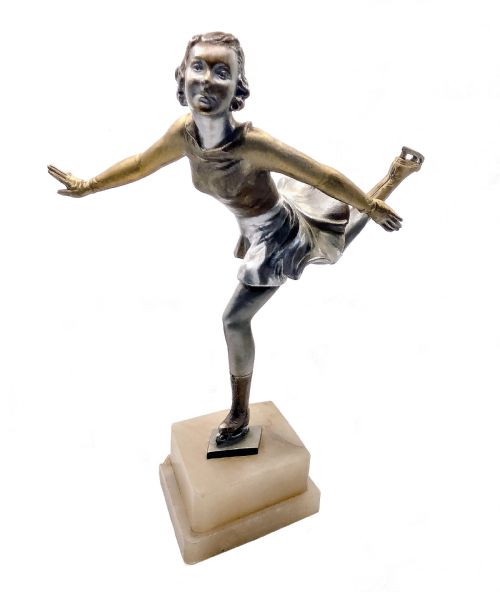
When you search for an art deco spelter figure, you encounter sculptural works that celebrate human movement, animal forms, and decorative design. These pieces often depict dancers, ice skaters, athletes, and animals mounted firmly upon heavy stone bases.
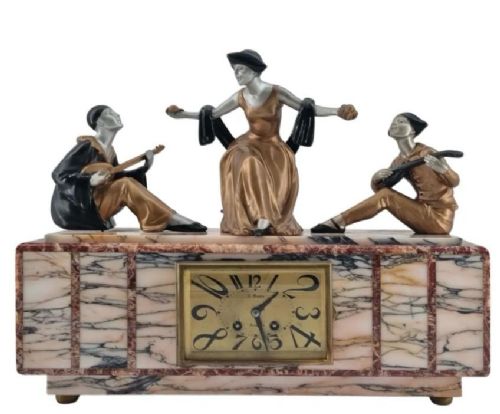
The versions most common on this page originate from France during the nineteen twenties and nineteen thirties. They appear as standalone sculptures, bookends, table lamps, and clock garnitures that typify the period's distinct aesthetic.
Materials and construction methods
Manufacturers utilised spelter, a zinc-based alloy, as an economical alternative to bronze for casting intricate figures. Foundries frequently treated the metal surfaces with patination or cold painting to simulate bronze or introduce vibrant colour.
The cast metal figures were then mounted onto substantial architectural bases constructed from contrasting materials such as marble, onyx, and alabaster. This combination provided stability and added to the visual weight of the composition.
Art Deco Spelter Figure Retail Price Guide 2026
Typical asking prices for art deco spelter figure among the pieces listed under this phrase on Sellingantiques today, from the lower quarter to the upper quarter. They describe what is for sale here now, not the wider market.
Factors that distinguish finer examples
The standard of an art deco spelter figure depends heavily upon the crispness of the casting and the preservation of the original surface finish. Finely detailed hands, facial expressions, and drapery distinguish superior studio work from simpler commercial productions.
The choice and integration of the mounting base also influence the overall character of the piece. Matching sets, intact garnitures, and well-chosen coloured marbles elevate the visual cohesion of the completed sculpture.
Josef Lorenzl·P Sega·Geo Maxim·H Bal·Chiparus·C Masson·Balleste·Ouline
The Art Deco Spelter Figure Glossary
- Spelter
- A zinc alloy commonly used for casting decorative sculptures and figures during the early twentieth century. It served as a versatile and affordable medium for mass-produced artistic works.
- Patination
- The chemical treatment or coloration applied to the surface of metal to simulate ageing or create a specific metallic tone. It protects the metal while enhancing visual depth.
- Garniture
- A set of matching decorative ornaments, typically comprising a mantel clock flanked by two matching side pieces. They were designed to sit harmoniously on a fireplace mantel.
- Onyx
- A banded variety of chalcedony quartz frequently used for the heavy bases of interwar sculptures. Its natural variations provide a polished, decorative foundation for metal figures.
Art Deco Spelter Figure: Frequently Asked Questions
What is an art deco spelter figure?
An art deco spelter figure is a decorative cast metal sculpture produced primarily during the nineteen twenties and nineteen thirties. These pieces portray human figures and animals in characteristic interwar styles.
They are cast from a zinc-based alloy and frequently mounted upon marble or onyx bases. Many function as standalone ornaments, bookends, or functional items like lamps and clocks.
How do I care for my figure?
Caring for these sculptures requires gentle treatment to protect the original patination and cold-painted surfaces. Dusting with a soft, dry cloth is sufficient for routine maintenance.
Keep the pieces away from moisture and direct sunlight to prevent corrosion of the metal and fading of the painted details. Avoid using liquid cleaners or abrasives entirely.
Were these figures made in France?
Many of the surviving sculptures originate from French foundries and studios active during the interwar period. French designers and makers produced a large volume of these decorative items.
Their work often featured distinct stylistic traits and signatures or foundry marks stamped onto the metal or the stone base.
How are figures mounted on stone?
The metal figures are typically secured to heavy bases made of marble, onyx, or alabaster using threaded bolts or pins. This provides necessary weight and balance to support slender designs.
The combination of metal and polished stone creates a stable plinth that enhances the geometric lines typical of the interwar aesthetic.