



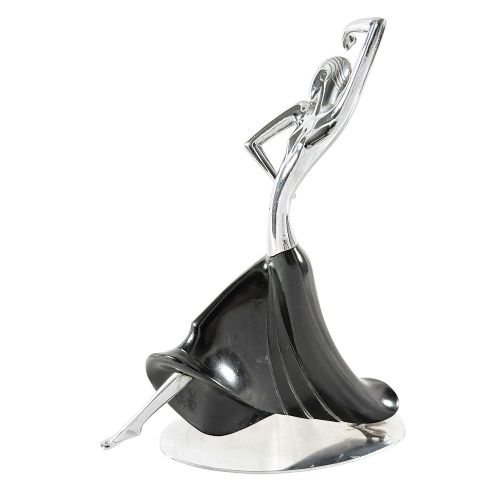
Art Deco Dancer Figurine
An art deco dancer figurine brings the kinetic energy of the interwar period straight onto a mantelpiece with unmistakable sculptural flair.
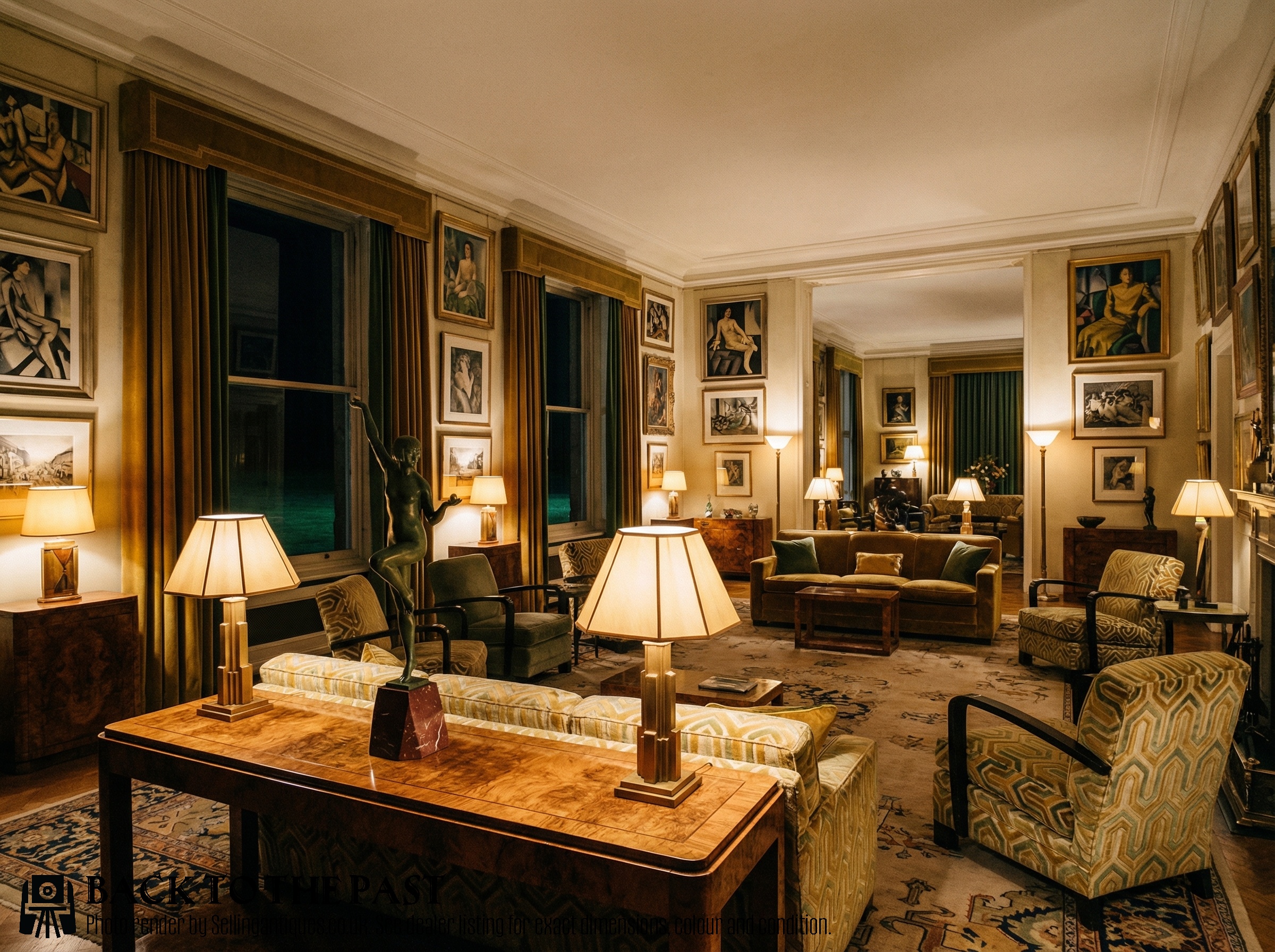
Understanding the art deco dancer figurine
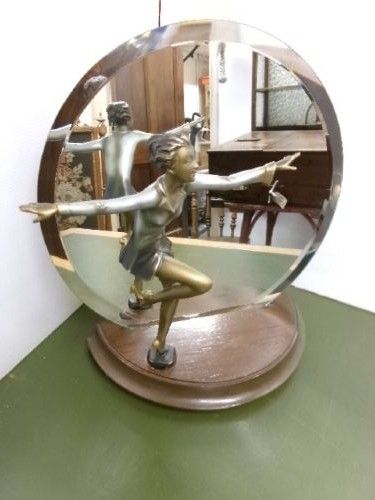
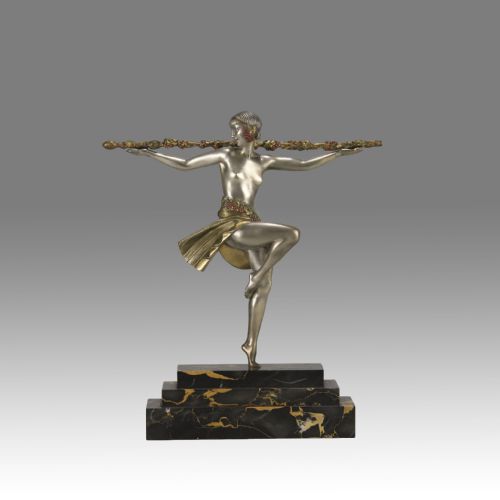
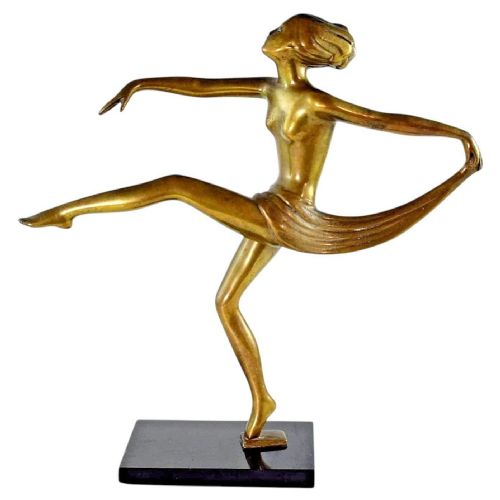
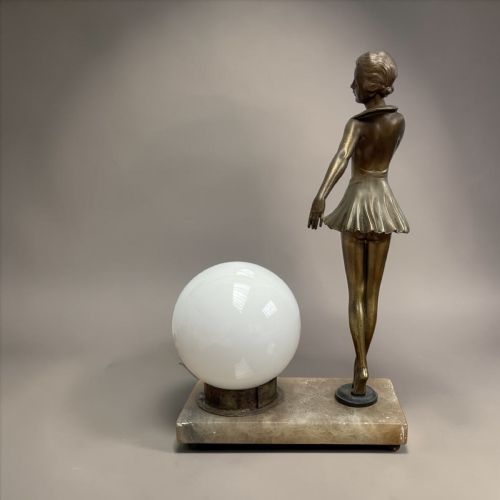
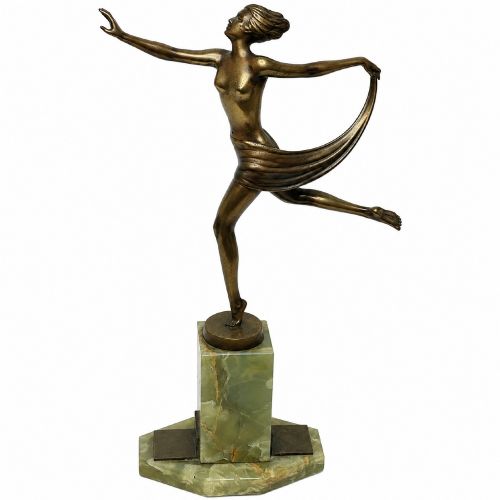
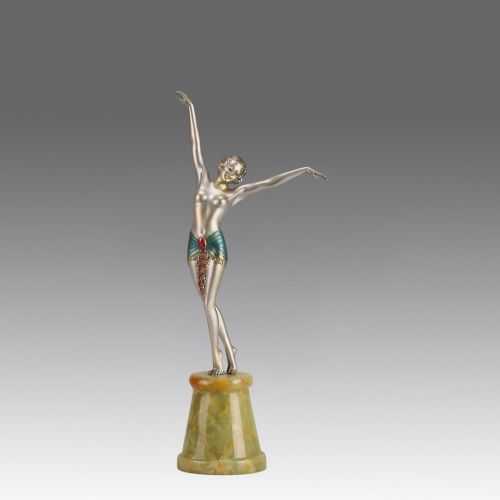
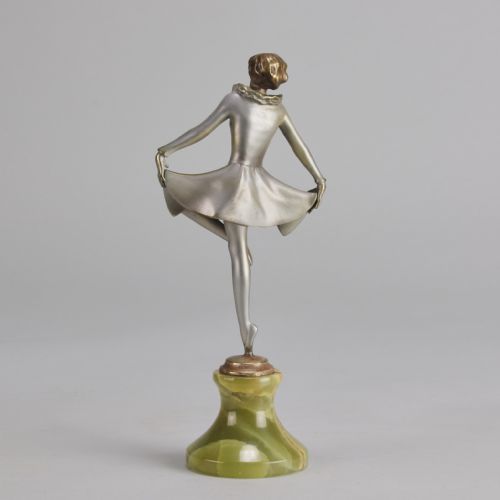
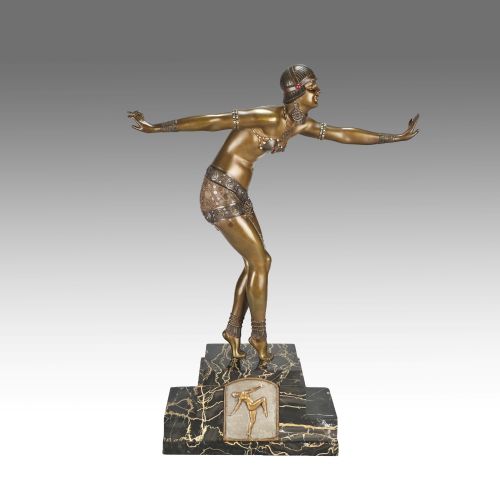
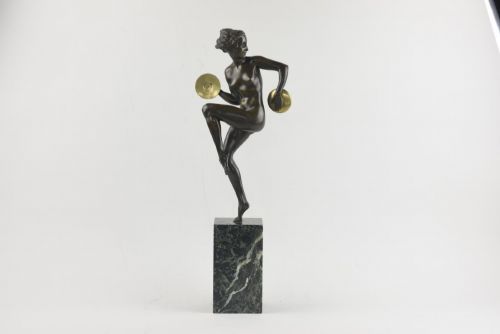
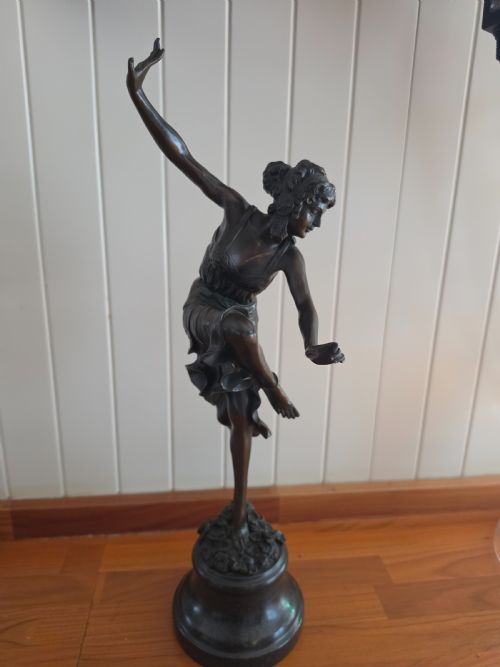
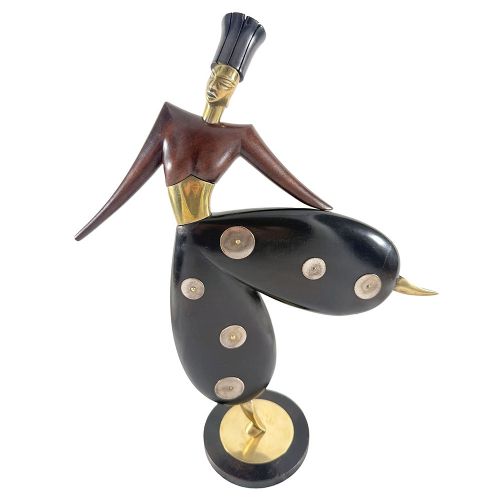
An art deco dancer figurine captures the dynamism of the nineteen twenties and nineteen thirties through stylised human forms frozen mid-motion. These sculptures depict female dancers in various poses, reflecting the modernist appetite for movement and speed.
Collectors encounter pieces originating primarily from the nineteen twenties and nineteen thirty periods. The forms range from small mantel sculptures to larger signed works by notable names.
Materials and construction
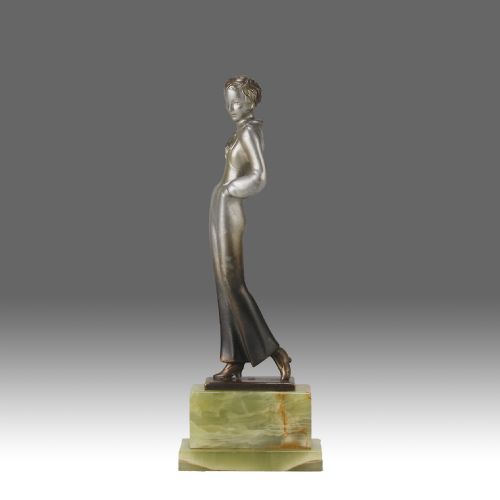
Foundry methods of the period utilised both precious and industrial metals to achieve distinct surface finishes. Bronze and spelter provide the primary sculptural bodies, frequently paired with chrome plate and painted metal details.
Bases are constructed from dense stone materials such as marble and onyx to ground the dynamic figures. These heavy plinths provide stability while offering contrasting textures and polished surfaces.
Retail Price Guide 2026
Typical UK retail prices for art deco dancer figurine, calculated from the Sellingantiques database of over a million retail prices indexed since 2003. This retail price guide relies exclusively on Sellingantiques data; no external sources or auction records are used, so the figures do not describe the wider market.
The site listings feature works executed in bronze, chrome, spelter, marble, and onyx.
Assessing quality
Signatures from established sculptors elevate a piece significantly above unmarked foundry work. Furthermore, the integration of high-grade mounting materials like genuine marble bases distinguishes the finest workshop productions.
D.H. Chiparus·Rene Andre Varnier·Mario Korbel
The Art Deco Dancer Figurine Glossary
- Spelter
- A zinc alloy commonly utilised as a less expensive alternative to bronze for sculptural casting during the period. It often receives painted or electroplated finishes to simulate more valuable metals.
- Chasing
- The manual refinement of a raw metal casting using small punches and chisels to sharpen details. This skilled finishing work separates high-end studio pieces from mass-produced items.
- Patina
- The surface sheen and coloration developed naturally over time or applied chemically by the foundry. It adds depth and character to bronze and metal surfaces.
- Plinth
- The solid base block upon which the dancer figure stands, frequently fashioned from contrasting stone. Onyx and marble are typical choices for these weighted foundations.
Frequently Asked Questions
What metals were used?
Makers utilised bronze and spelter as the primary metals for casting the figures. Chrome plate and painted metal often provided surface highlights.
Foundries selected these materials to achieve different weights and finishes, depending on the intended market for the sculpture.
How do I identify a signed piece?
Signatures typically appear cast directly into the metal base or incised near the feet of the figure. They correspond to the individual sculptor responsible for the original model.
Examining these inscriptions requires careful lighting, as they can sometimes blend into the surrounding patina of the bronze.
What is the typical base material?
Bases are frequently fashioned from polished marble or onyx to anchor the dynamic metal figures. These stone plinths provide essential weight and balance.
Different colours and striations in the stone often help identify the period or workshop origin of the sculpture.
How should I display them?
These sculptures suit placement on sturdy mantelpieces, sideboards, or dedicated display cabinets where their silhouettes remain clear. Their bases require a flat, stable surface.
Keeping them away from direct heat sources protects the painted metal and stone elements from unnecessary stress.