




Alabaster Table Lamp
An alabaster table lamp brings a warm, translucent glow to a room through carved stone.
Alabaster Table Lamp
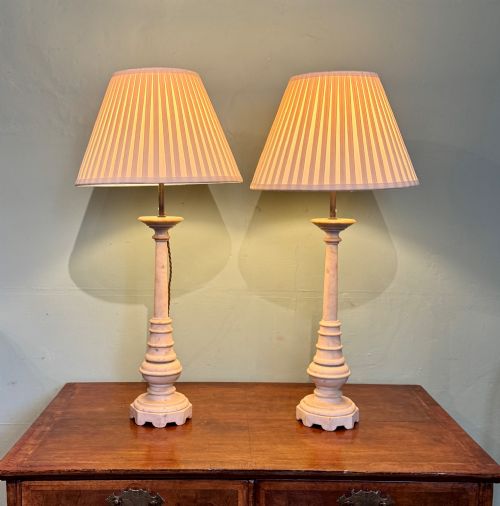
An alabaster table lamp is a lighting fixture carved from soft gypsum stone, designed to sit upon a surface and diffuse light through its body. These pieces emerge from the nineteenth and early twentieth centuries, spanning periods such as the Edwardian era, the Victorian epoch, and the Art Deco movement.
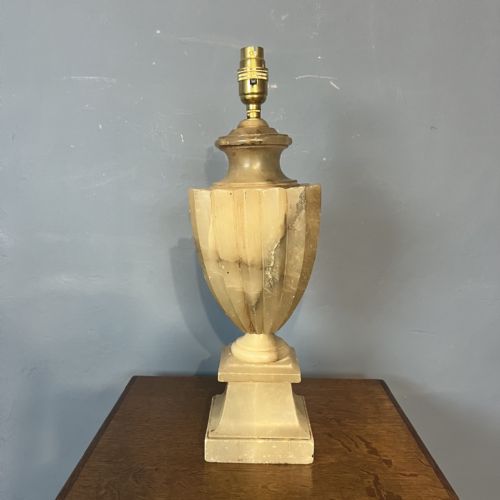
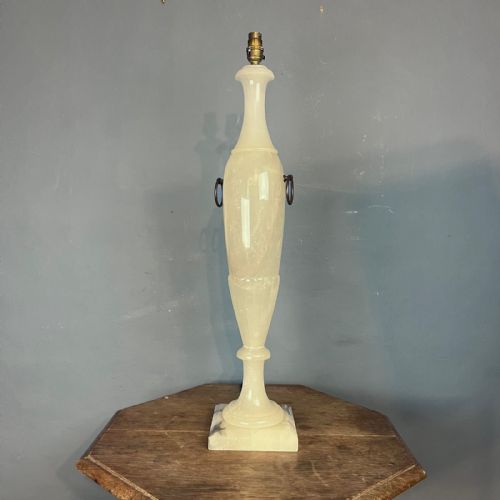
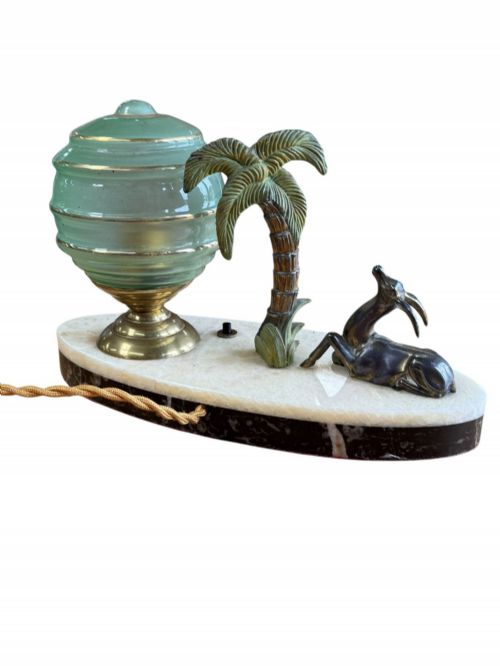
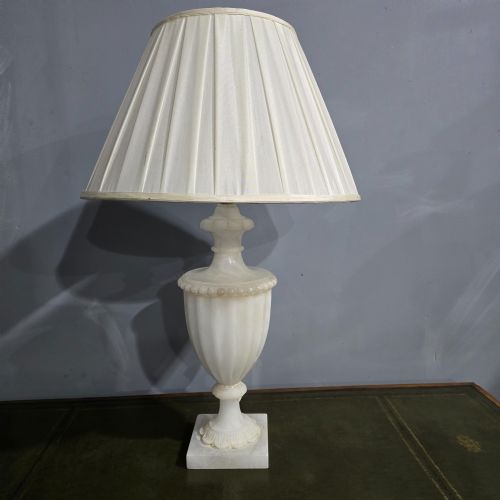
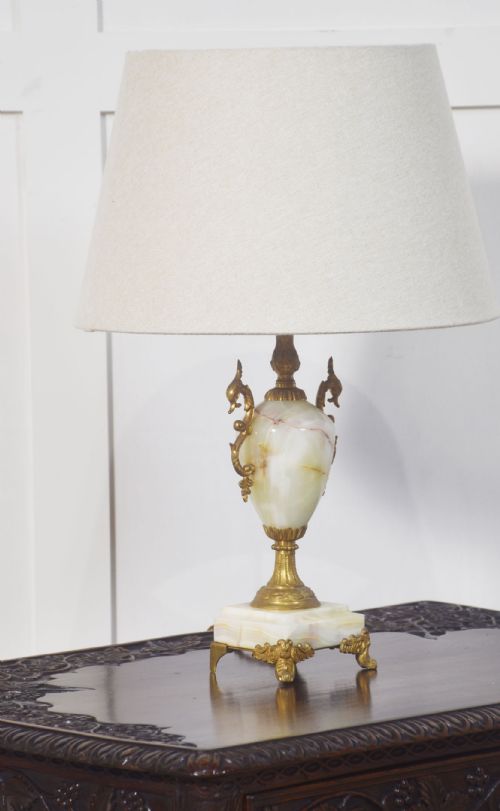
The most common examples encountered on this page take the form of Italian urns, columns, and figural sculptures. Many pieces integrate metals like brass, gilt bronze, or silver plate alongside white marble and onyx bases.
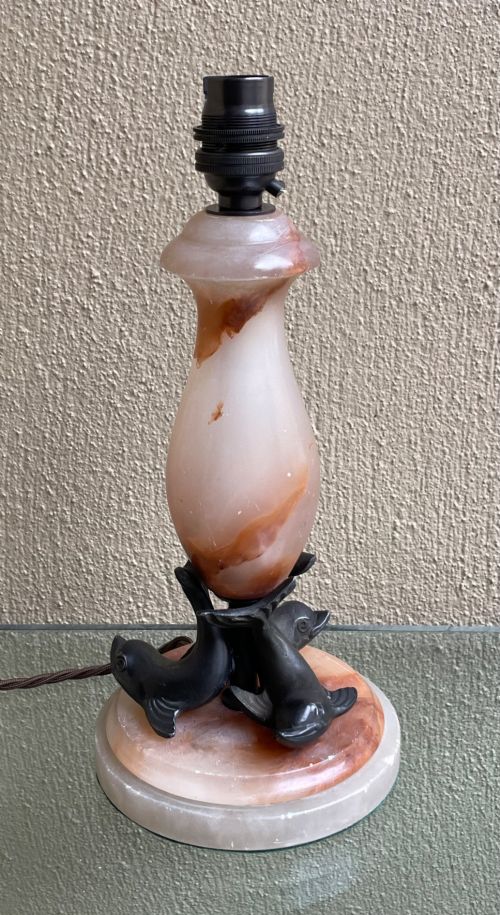
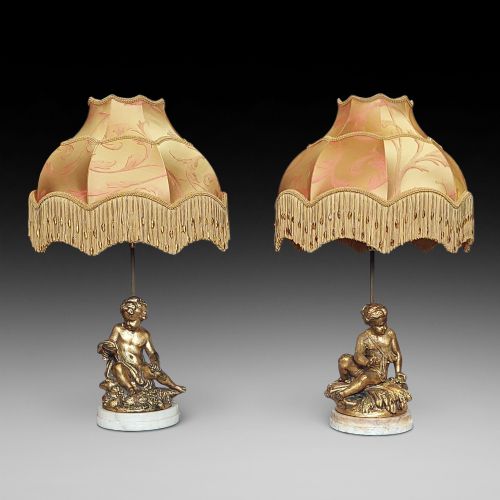
Makers and workshops across Italy and France produced numerous variations, ranging from plain baluster shafts to elaborate lamps featuring carved dolphins, cherubs, and human figures.
How they were made
Artisans carved blocks of soft alabaster and marble by hand, hollowing the stone to allow electric bulbs or wiring to pass through. This turning and carving technique creates the characteristic translucent quality that diffuses light evenly across the surface of the stone.
Mounts, bases, and decorative elements utilise cast brass, gilt metal, or ormolu fixed directly to the stone body. Fabric shades, crackle glass shades, and metal fittings complete the construction of these table lamps.
Alabaster Table Lamp Retail Price Guide 2026
Typical asking prices for alabaster table lamp among the pieces listed under this phrase on Sellingantiques today, from the lower quarter to the upper quarter. They describe what is for sale here now, not the wider market.
Listings span the nineteenth century through the Art Deco era, incorporating materials such as alabaster, marble, onyx, brass, and gilt metal.
What varies in quality
The distinction between tiers of work rests upon the depth of hand-carving and the precision of the stone turning. Finer pieces display crisp detail in figural elements, such as putti, drapery, and acanthus leaves on columns.
Quality also depends on the integration of metal mounts, where heavy cast brass or gilt bronze fittings sit flush against high-grade, evenly veined alabaster or white marble.
Ernst Seger
The Alabaster Table Lamp Glossary
- Alabaster
- A fine-grained, translucent stone used for carving lamp bodies and urns. It transmits light gently when illuminated from within.
- Ormolu
- Gilded bronze mounts applied to stone bases and columns. This technique adds decorative metallic detail to nineteenth-century and early twentieth-century lighting.
- Campana
- A bell-shaped vessel form utilised as a base or urn on classical lighting. These shapes reflect ancient Roman pottery styles revived during later periods.
- Baluster
- A moulded shaft supporting the lamp body, tapering gently from a wider base. This architectural form appears frequently on column table lamps.
- Putto
- A carved figure of a small child, often winged, integrated into figural lamp bases. These decorative motifs derive from classical sculpture traditions.
Alabaster Table Lamp: Frequently Asked Questions
How do I clean an alabaster table lamp?
Dust the stone gently with a dry, soft cloth to prevent dirt settling into the porous surface. Avoid using water, oils, or chemical cleaning agents, as moisture damages unsealed alabaster.
Keep the lamp away from damp environments to preserve the natural finish of the stone and any metal mounts.
Are these lamps wired for modern use?
Many surviving pieces retain older wiring or have undergone rewiring by previous owners to meet safety standards. Buyers should inspect the electrical components upon arrival.
A qualified electrician can easily update internal cables and lampholders while preserving the original stone and metal exterior.
Where were most of these antique lamps made?
A significant portion of alabaster lighting originates from Italian workshops, particularly centres known for stone carving and sculpture. French makers also produced notable examples.
Grand Tour travellers frequently purchased these decorative items in Europe during the Victorian and Edwardian eras to bring back to country houses.