

1920s Table Lamp
These 1920s table lamp pieces combine period engineering with decorative presence, offering an authentic period glow for a room.
Identifying a 1920s table lamp
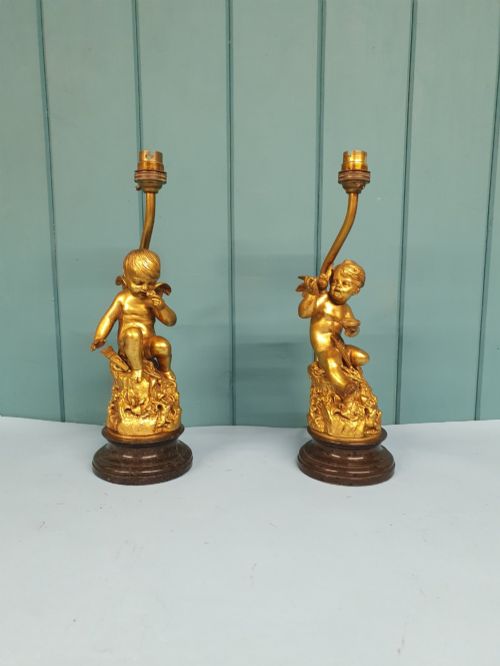
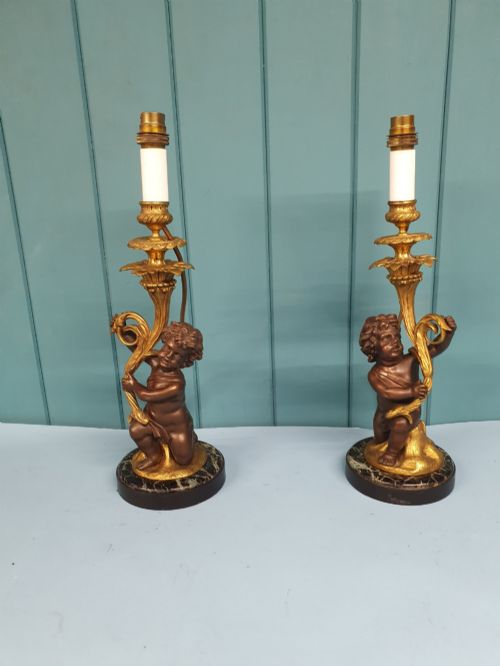
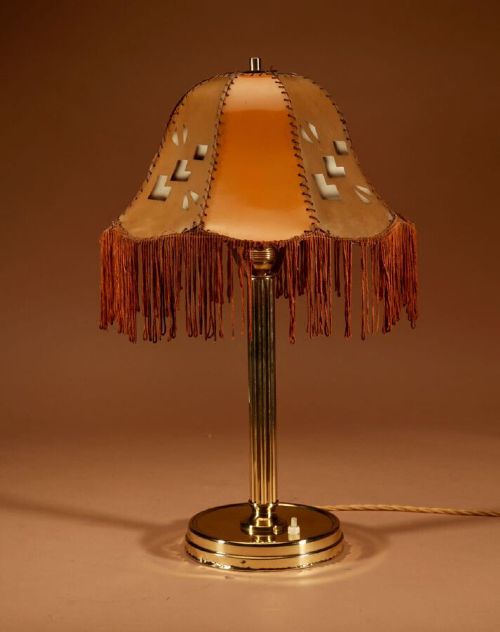
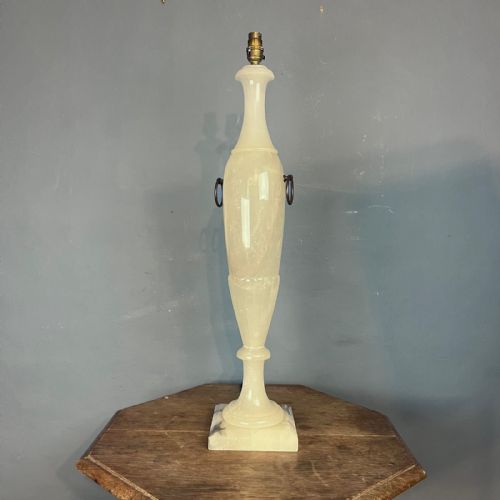
A 1920s table lamp brings specific period character into a modern interior through distinctive forms and materials. The selection spans utilitarian adjustable brass desk models, grand alabaster bowls, and sculptural French wrought iron pieces.
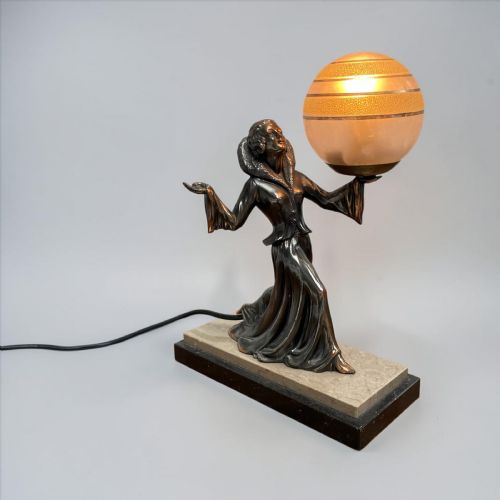
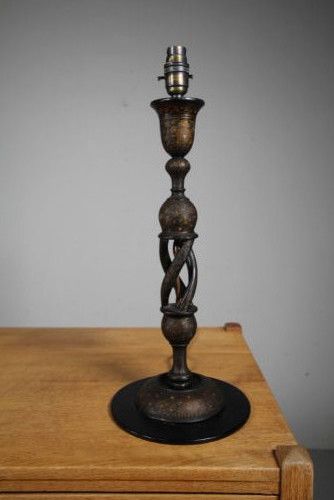
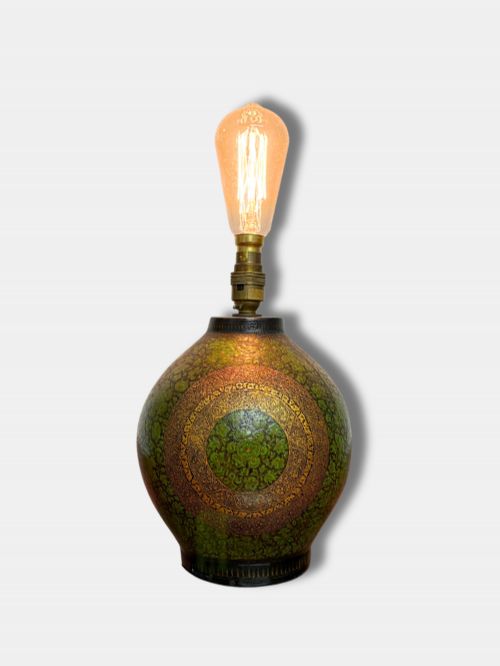
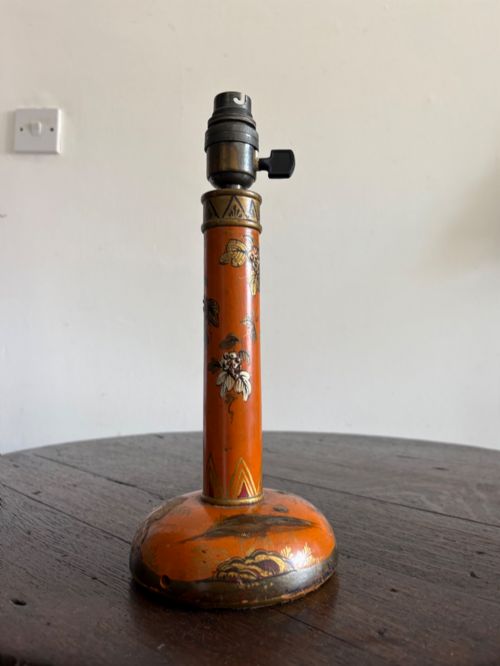
Buyers frequently encounter tall twisted wooden examples alongside lacquered Chinoiserie vessels and converted Imari vases. French Art Deco styling appears repeatedly, often paired with specialist glass shades or heavy metal bases.
Origin points diverge across English, French, Belgian, and Kashmiri workshops, reflecting the broad stylistic ambitions of the decade. Whether standing on an oak column or a church candlestick conversion, each piece demonstrates the lighting technologies of the period.
Distinctions in craftsmanship
Quality rests upon the weight of the metal, the precision of the casting, and the integrity of hand-painted or carved details. Superior examples exhibit signed glass shades, robust adjustable joints that hold their position, and deeply figured wood or heavy bronze.
Lesser items rely on plated surfaces that show wear or simpler turned timber without the sculptural depth found in dedicated studio pieces. The presence of original decorative elements and specialised maker markings separates standard production from exceptional finds.
Retail Price Guide 2026
Typical UK retail prices for 1920s table lamp, calculated from the Sellingantiques database of over a million retail prices indexed since 2003. This retail price guide relies exclusively on Sellingantiques data; no external sources or auction records are used, so the figures do not describe the wider market.
French workshops dominate the sculptural iron and bronze lighting options in the historical archive.
Degue·Emile Galle·Muller Bros·Wolfers
The 1920s Table Lamp Glossary
- Art Deco
- A design style emerging in the interwar period characterised by sleek geometric shapes, stylised motifs, and modern industrial materials. It dominates much of the French metalwork and glass lighting from this decade.
- Opaline glass
- A milky, translucent glass often used for lamp shades and columns during the early twentieth century. It softens light output while providing a smooth, porcelain-like exterior finish.
- Chinoiserie
- European theatrical interpretations of Chinese artistic traditions, frequently expressed through hand-painted lacquer finishes on furniture and lamp bodies. This style was popular for domestic decorative arts in the 1920s.
- Alabaster
- A fine-grained, translucent stone carved into heavy bowls and columns for interior lighting. When illuminated from within, the material reveals distinctive natural veining patterns.
Frequently Asked Questions
Are these lamps rewired for modern use?
Many listings note that the pieces have been rewired and tested to meet contemporary safety standards.
Buyers should check individual descriptions to confirm whether the wiring and plugs are suitable for their region.
How do I identify a French Art Deco lamp?
French pieces from this period often feature wrought iron frames, heavy bronze casting, or signed glass shades by prominent makers.
Stylistic cues include geometric rigour combined with naturalistic floral or animal motifs.
Can I find adjustable desk lamps from this era?
The inventory includes several brass bendy and rise-and-fall adjustable desk lamps of English and French origin.
These utilitarian designs were built for flexibility in workspaces and studies.
What materials were commonly used besides brass?
Makers utilised carved wood, wrought iron, alabaster, opaline glass, and lacquered surfaces alongside traditional metals.
Some examples also incorporate converted ceramic vases or church candlesticks.