



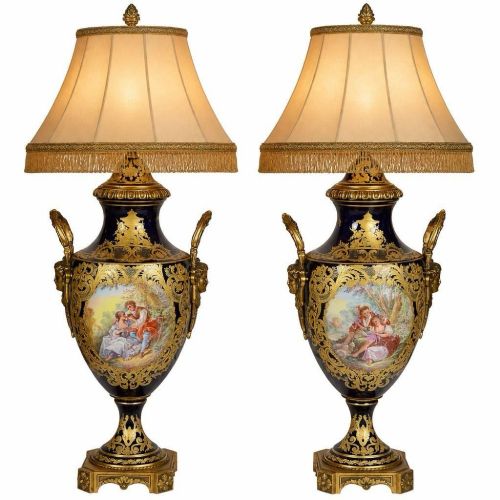
Antique Urn Table Lamp
An antique urn table lamp brings classical form and warm illumination into a room, making it a focal point for traditional and eclectic interiors alike.
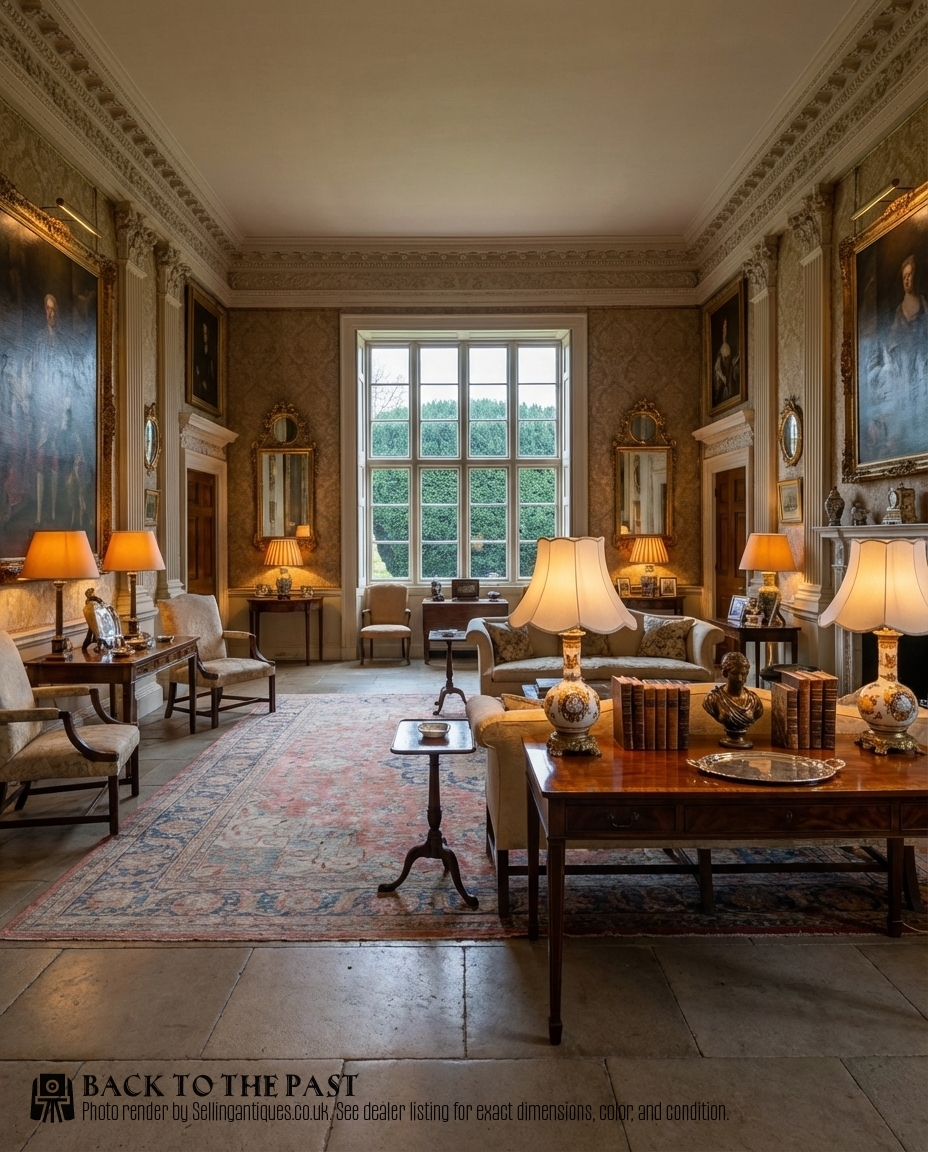
What these pieces are
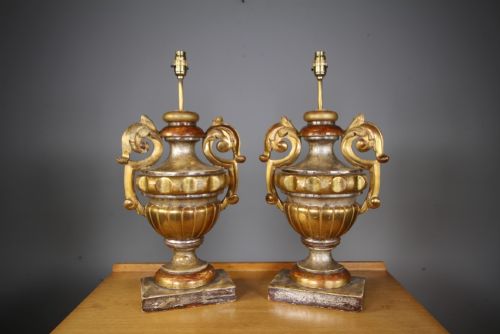
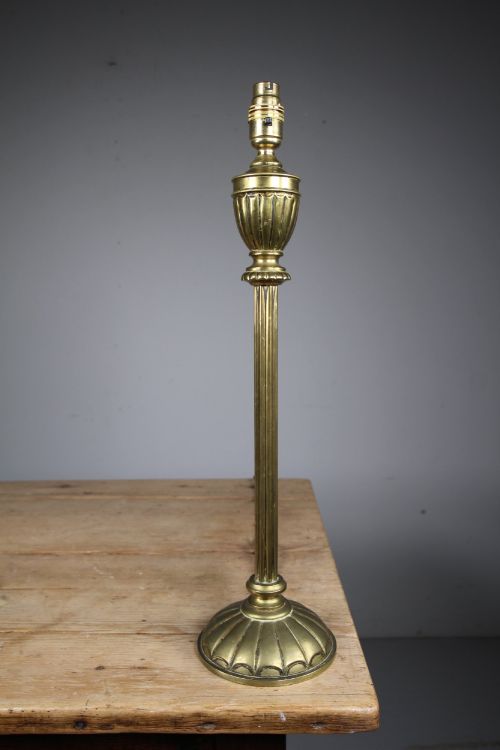
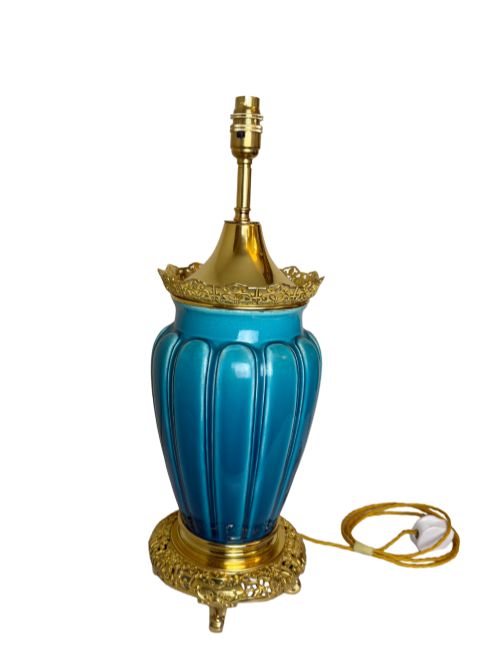
An antique urn table lamp transforms classical vessel forms into functional lighting, drawing inspiration from ancient shapes adapted for modern interiors. These pieces frequently employ urn bodies fashioned from natural stone, metal, or ceramic, standing on structured bases.
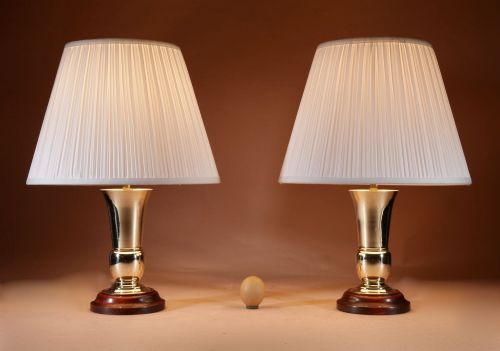
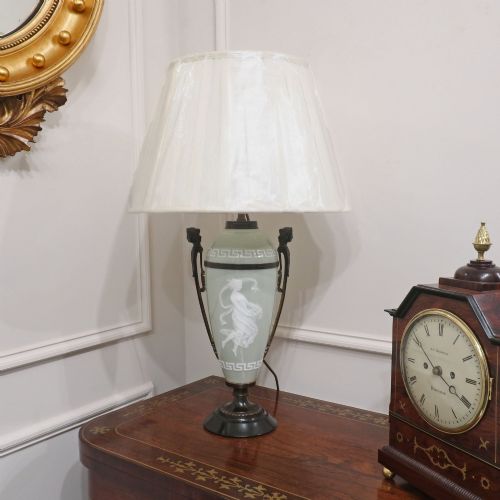
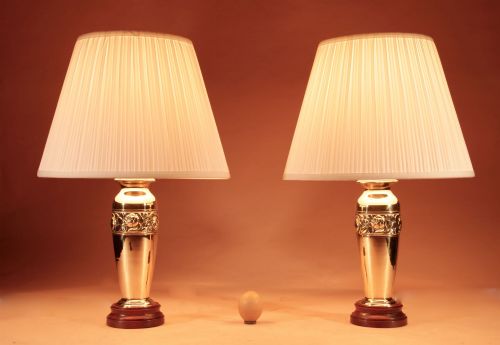
The selection here encompasses items from the Victorian era, 1890, and the 1920s, demonstrating enduring popularity across multiple decades. Neoclassical, Art Deco, Renaissance Revival, and Victorian styles dominate the design vocabulary of these lamps.
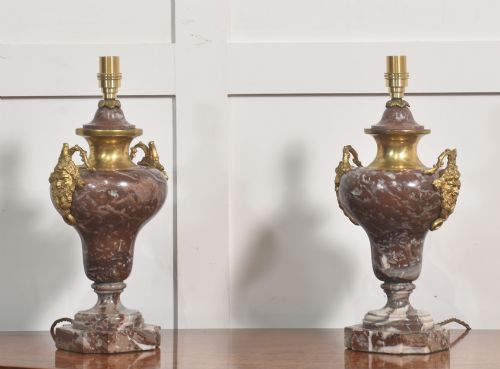
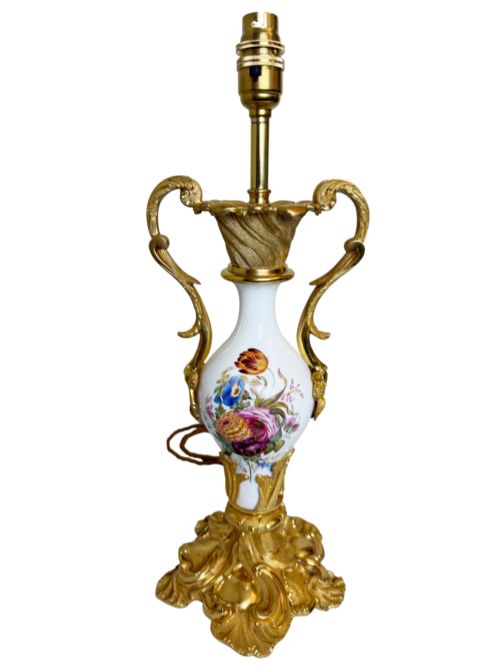
Buyers will most commonly encounter examples featuring marble, brass, and gilt bronze elements, often paired with fabric shades. Many pieces adapt historical motifs, ranging from French or Italian origins to domestic production.

How they were made
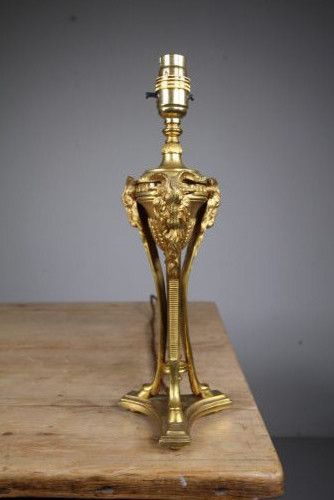
Maker construction combines stone carving and metal casting, utilising materials such as alabaster, white marble, pink marble, brass, gilt bronze, ormolu, and silver plate. Stonework is often meticulously turned and polished to highlight natural veining.
Metal components involve casting and plating techniques, securing mounts around stone bodies or forming freestanding metal vessels. Earthenware and majolica provide ceramic alternatives glazed with rich colour and detail.
Retail Price Guide 2026
Typical UK retail prices for urn table lamp, calculated from the Sellingantiques database of over a million retail prices indexed since 2003. This retail price guide relies exclusively on Sellingantiques data; no external sources or auction records are used, so the figures do not describe the wider market.
The listings here feature alabaster, marble, and gilt bronze, spanning the Victorian period through to 1920.
What varies in quality
Quality reveals itself in the weight and purity of the materials, distinguishing solid cast bronze and finely carved alabaster from lighter metal alloys and simple ceramics. Finer examples display crisp chasing on ormolu mounts and seamless integration between the urn body and the hardware.
Proportion and decorative restraint dictate the visual success of the piece, where balanced handles, harmonious patination, and careful surface finishing elevate the object from a simple conversion to a sculpture.
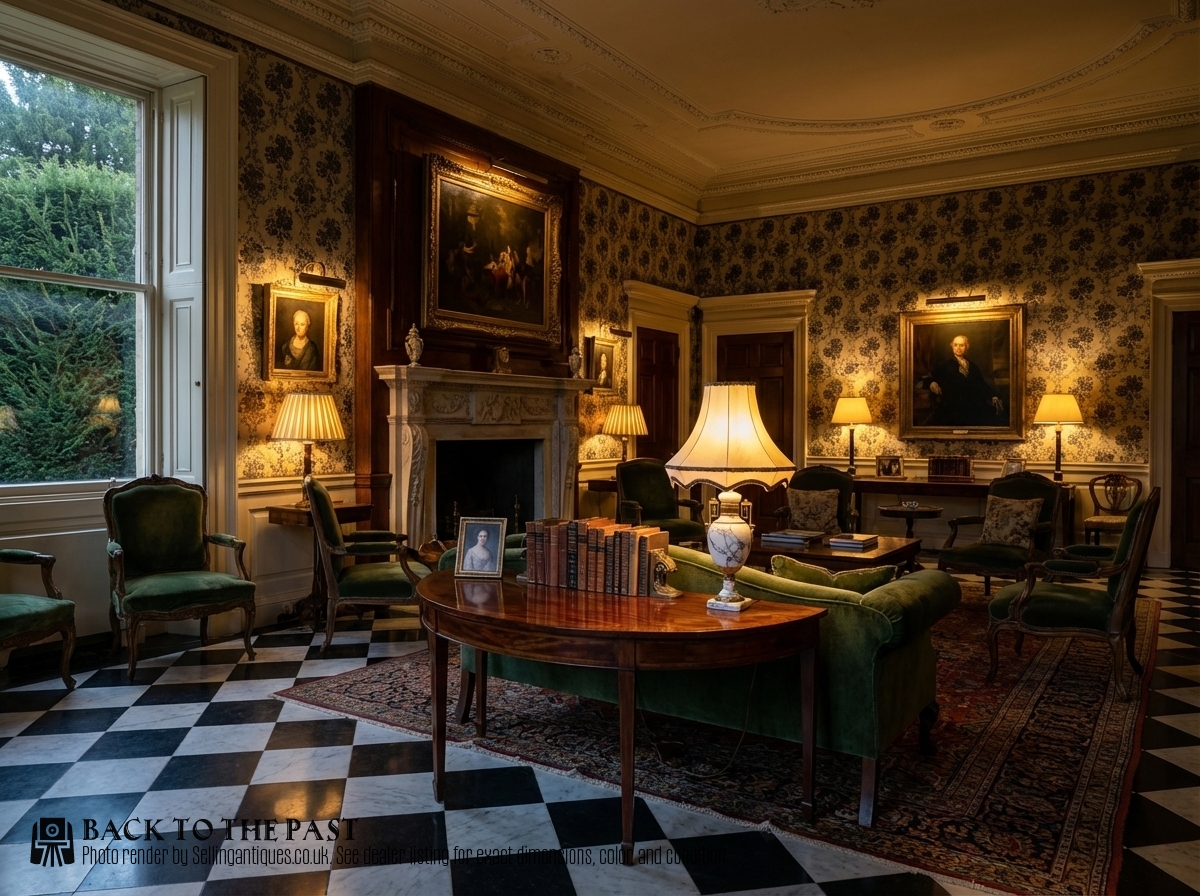
Harrison Brothers & Howson
The Antique Urn Table Lamp Glossary
- Ormolu
- Gilded bronze mounts applied to furniture, clocks, and lamps. This technique involves coating bronze with a mercury and gold amalgam, then heating it to leave a durable finish.
- Alabaster
- A fine-grained, translucent stone used for carving decorative objects and lamp bodies. Its soft appearance allows light to diffuse gently through the material.
- Majolica
- Tin-glazed earthenware known for vibrant colours and decorative painting. It appears on ceramic lamp bases from Italian and European workshops.
- Neoclassical
- A style inspired by the classical art and architecture of ancient Greece and Rome. It emphasises symmetry, restrained ornamentation, and classical vessel shapes.
- Gilt bronze
- Bronze that has been coated with a thin layer of gold to give a rich metallic sheen. It resists tarnishing and provides a bright accent to darker stone bodies.
Frequently Asked Questions
What is an antique urn table lamp?
An antique urn table lamp is a lighting fixture built around a vessel-shaped body derived from classical antiquity. These pieces adapt historical forms into functional table lighting using materials like marble, bronze, and ceramic.
They serve as decorative objects that provide ambient illumination while introducing sculptural presence to a room. Most examples date from the nineteenth and early twentieth centuries.
How do I choose the right size?
Selecting the correct size depends on the scale of the furniture piece it will occupy and the surrounding ceiling height. Larger tables accommodate substantial stone and ormolu urn lamps without looking crowded.
Consider the combined height of the base and the shade to ensure the light source sits at a comfortable level for reading or general illumination.
Where should I place these lamps?
These lamps suit side tables, hall consoles, and credenzas where their sculptural forms can be appreciated from multiple angles. They provide soft accent lighting in living rooms and studies.
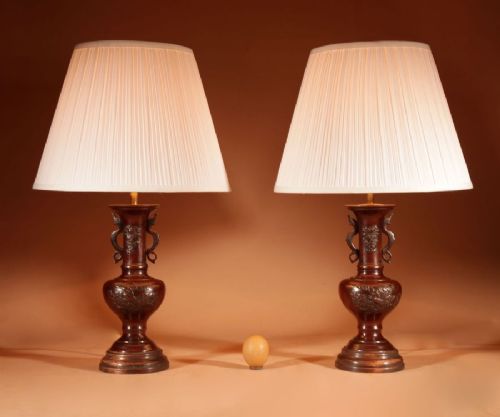
Pairing them with neutral fabric shades allows the decorative details of the urn body to remain the primary visual focus of the arrangement.
How do I identify the period?
Dating relies on examining the materials, casting methods, and stylistic cues present in the base and mounting hardware. Victorian and nineteenth-century pieces often display heavier cast mounts and classical revival motifs.
Later items from the 1920s may incorporate simpler geometric lines or cleaner alabaster profiles associated with Art Deco sensibilities.