
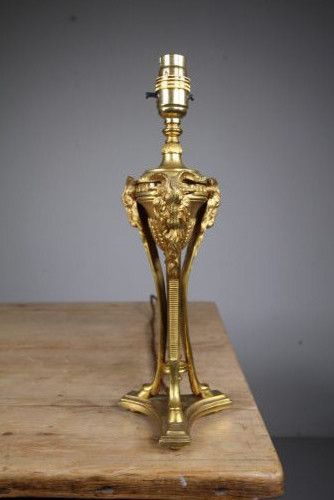
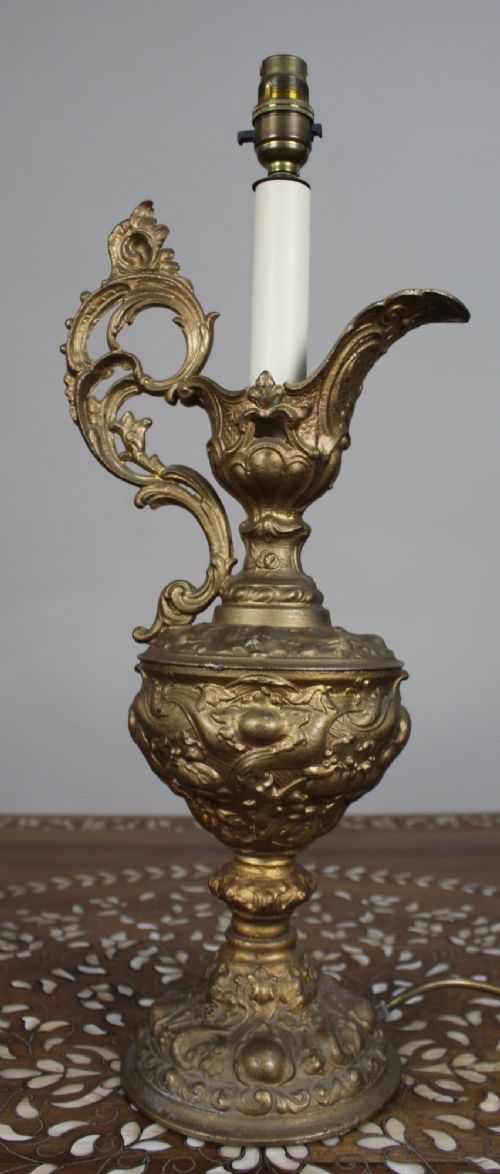
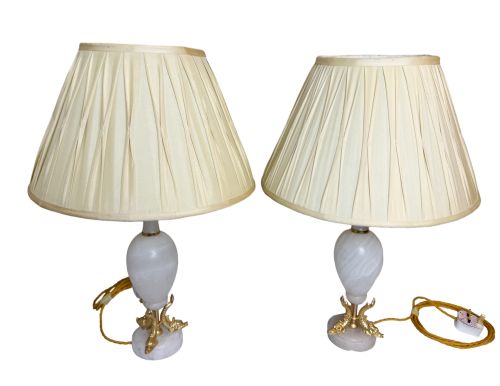
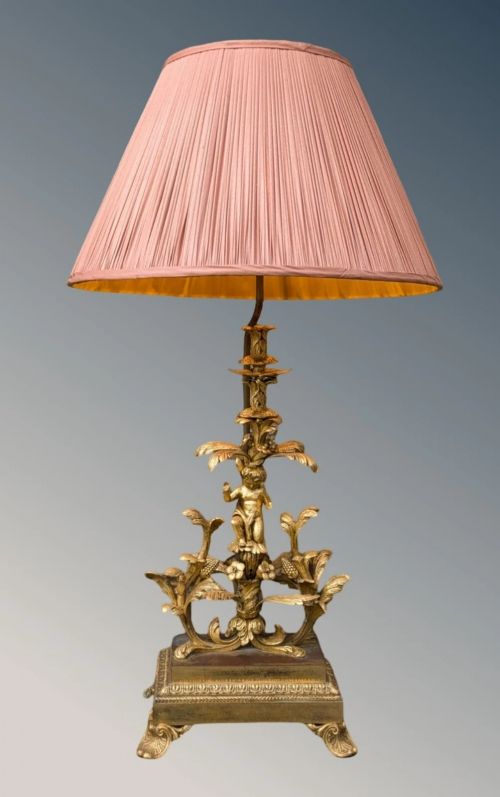
French Ormolu Desk Lamp
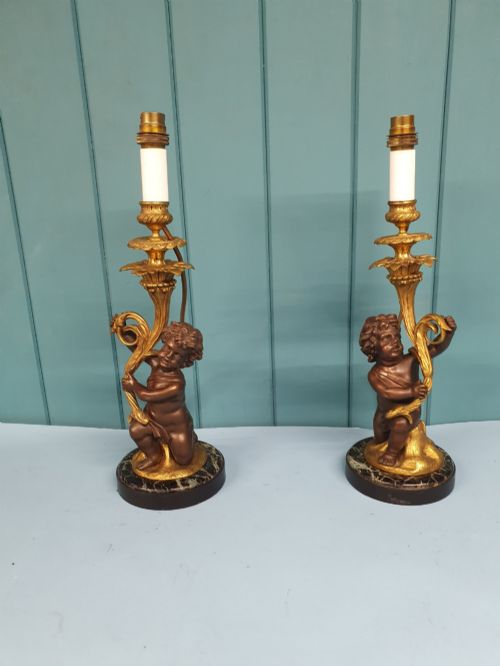
A French ormolu desk lamp brings unmistakable warmth and heavy, tactile weight to a study, built from cast bronze finished with gold mercury amalgamation.
Understanding the French ormolu desk lamp
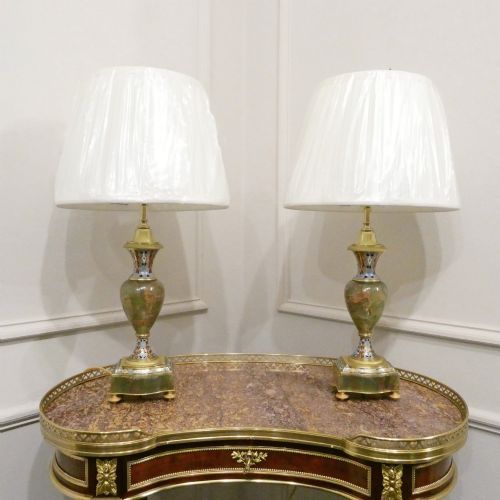
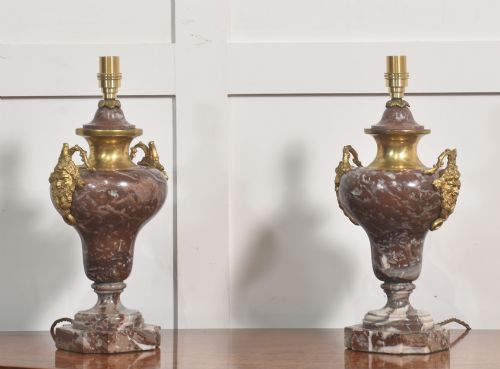
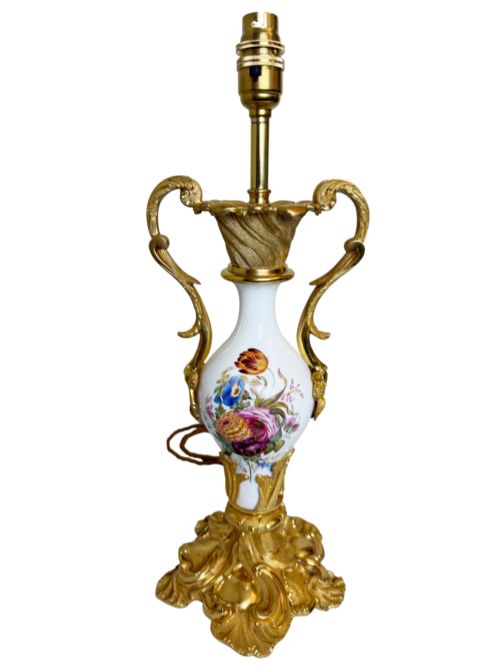
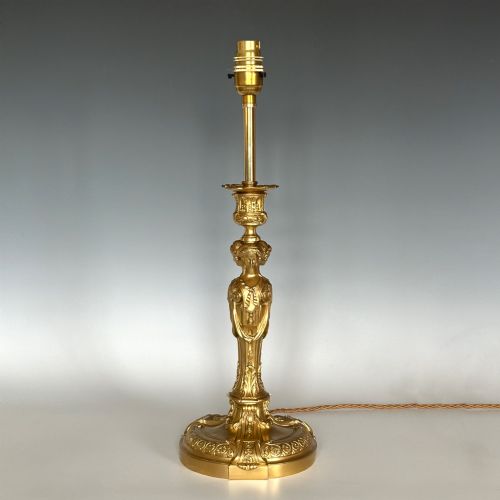
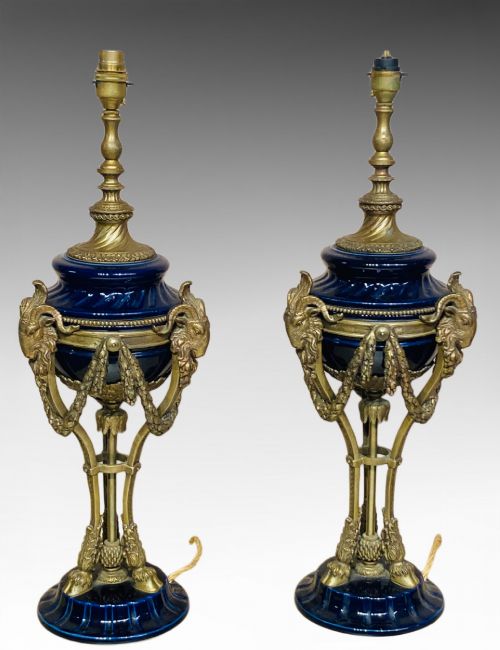
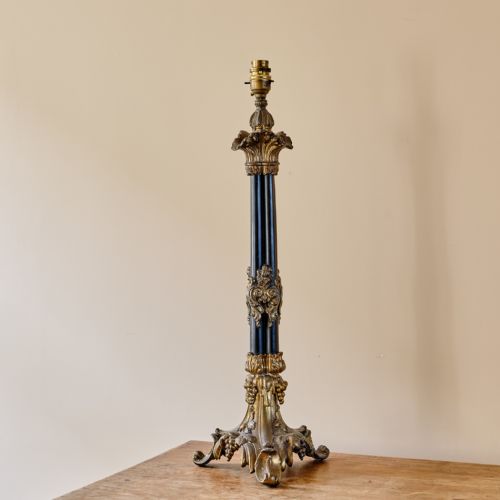
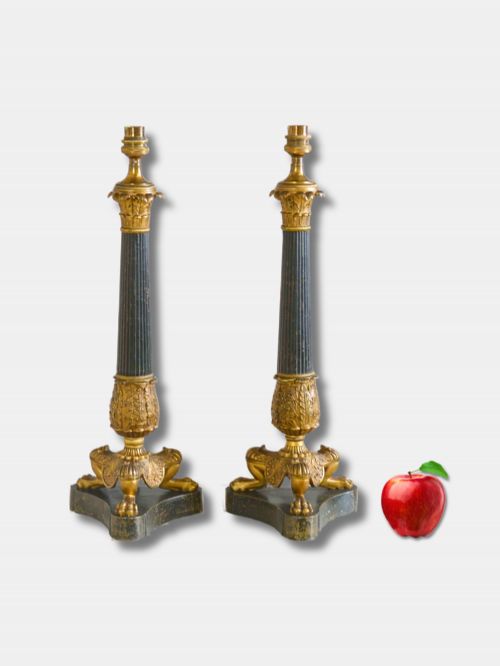
A French ormolu desk lamp is a functional table light constructed primarily from gilt bronze or brass, originating from periods spanning the nineteenth and early twentieth centuries. These pieces appear on the market in revivalist and modernist idioms, encompassing Rococo Revival, French Empire Revival, Art Nouveau, and Neoclassical styles.
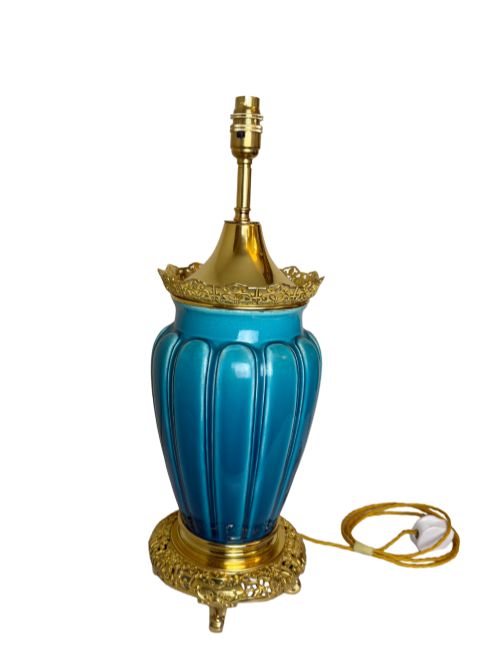
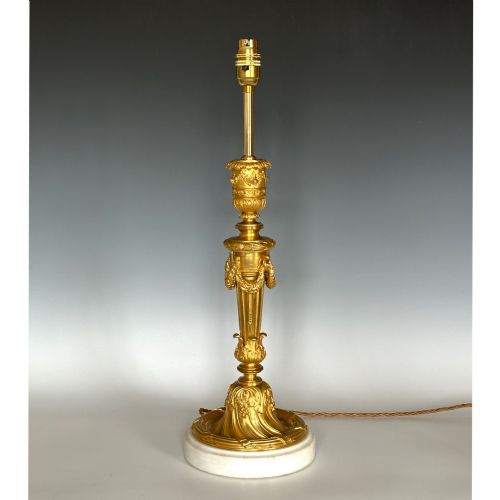
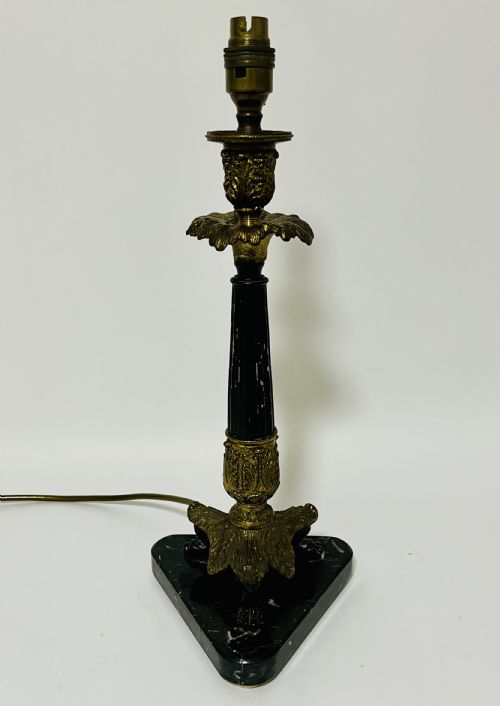
Buyers encountering this selection will frequently find items described as table lamps, incorporating secondary materials such as white marble bases, fabric shades, ebonised wood, and porcelain elements. The physical forms range from petite floral designs dated around eighteen ninety to larger architectural compositions from nineteen twenty.
Historical examples also include matched pairs from the late nineteenth century attributed to specific makers like Brocot. Each object serves both as a practical light source and as a decorative sculpture suited for writing desks and side tables.

Construction and materials
The foundation of these lamps relies upon metalworking techniques, specifically bronze casting and brass fabrication, which are subsequently subjected to gilding processes to produce the characteristic ormolu surface. Artisans shaped the metal into floral motifs and architectural mounts, integrating heavy stone elements like white marble to provide structural stability.
Subsequent modifications for modern electrical standards often accompany the original nineteenth and early twentieth-century metalwork, while retaining the period porcelain bodies and ebonised wood components. Fabric elements used for shades complement the gilt surfaces without obscuring the intricate chasing of the bronze.
Retail Price Guide 2026
Typical UK retail prices for french ormolu desk lamp, calculated from the Sellingantiques database of over a million retail prices indexed since 2003. This retail price guide relies exclusively on Sellingantiques data; no external sources or auction records are used, so the figures do not describe the wider market.
The listings combine nineteenth and early twentieth-century periods with materials including gilt bronze, marble, porcelain, and ebonised wood.
Assessing quality and execution
The distinction between ordinary and exceptional pieces lies in the crispness of the metal chasing and the depth of the gilding. Superior examples display sharply defined leaf work and cast details that remain clear beneath the gold finish, whereas lesser production shows softened edges and a flat, uniform surface.
The integration of secondary materials such as white marble and porcelain further dictates the hierarchy of quality. Higher-tier lamps utilise solid, well-veined stone plinths and hand-painted ceramic inserts that harmonize with the surrounding ormolu mountings rather than appearing merely appended.
Brocot
The French Ormolu Desk Lamp Glossary
- Ormolu
- A term denoting gilded bronze, derived from the French 'ouir moulu', meaning ground or pounded gold. It was applied to metal mounts on decorative objects and lighting during the eighteenth and nineteenth centuries.
- Rococo Revival
- A nineteenth-century stylistic movement characterised by asymmetrical C-scrolls, shell motifs, and exuberant naturalistic plant forms. This aesthetic heavily influenced the design of French desk lighting.
- Neoclassical
- A style rooted in the revival of classical Greek and Roman architecture and art, featuring strict symmetry, urn shapes, and friezes. It provides a restrained counterpoint to the earlier Rococo ornamentation.
- Ebonised wood
- Timber treated with a chemical stain or finish to simulate the dense, dark appearance of ebony. It frequently forms the contrasting dark bases of late nineteenth-century lamps.
Frequently Asked Questions
What is ormolu?
Ormolu refers to gilt bronze, created by applying a mixture of mercury and gold to a cast bronze object and heating it to vaporise the mercury. This leaves a durable, rich golden finish across the metal surface.
In the context of desk lamps, this technique provides the characteristic warm lustre that distinguishes nineteenth-century French metalwork from later brass plating.
How do I date a lamp?
Dating relies on stylistic clues, material combinations, and construction marks visible on the bronze or brass mounts. Pieces from the late nineteenth century often reflect Rococo or Art Nouveau influences, while nineteen-twenties examples incorporate simpler geometries.
Archival records and maker signatures, such as those by Brocot from around eighteen eighty, offer definitive chronological benchmarks for specific pairs.
Are these lamps electrified?
Most surviving examples have been adapted for modern electrical wiring to permit safe daily use on a desk or table. These conversions typically retain the historic body while updating the internal cord and bulb holder.
Buyers should inspect the wiring method to ensure it respects the structural integrity of the original gilt bronze and marble components.
Where should I place it?
A French ormolu desk lamp suits traditional writing desks, libraries, and sideboards where its metallic finish and sculptural form can catch ambient light. The heavy marble and bronze bases provide a stable footing for use as task lighting.
Pairing the lamp with complementary nineteenth-century furnishings enhances the historical context of styles like French Empire Revival or Neoclassical design.