



Gilded Brass Table Lamp
These gilded brass table lamps combine cast metalwork and period lighting, offering both decorative presence and warm illumination for a room.

What They Are
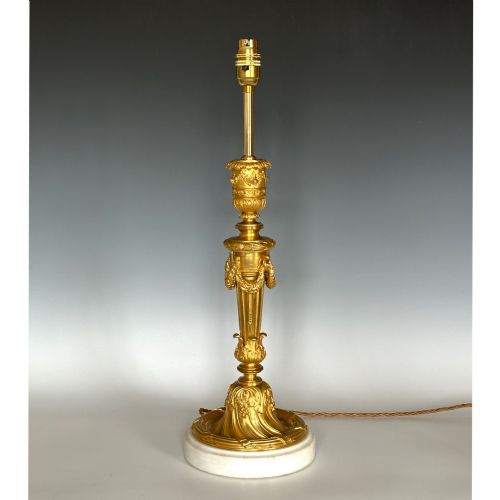
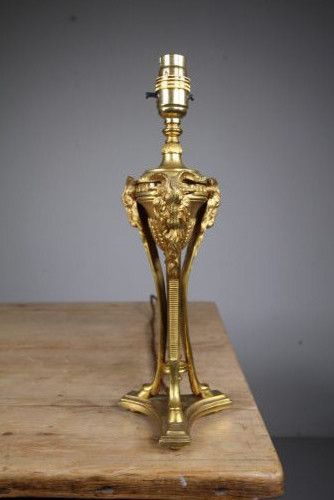
A gilded brass table lamp brings together the warm glow of domestic lighting with the decorative weight of 19th-century and early 20th-century metalwork. When searching for a gilded brass table lamp, buyers encounter various interpretations spanning Edwardian, Art Nouveau, and French revival styles.
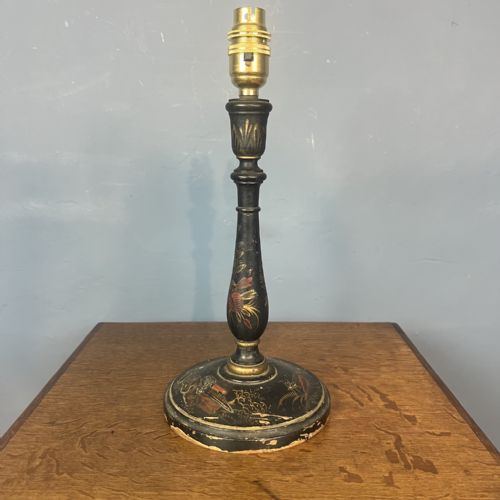
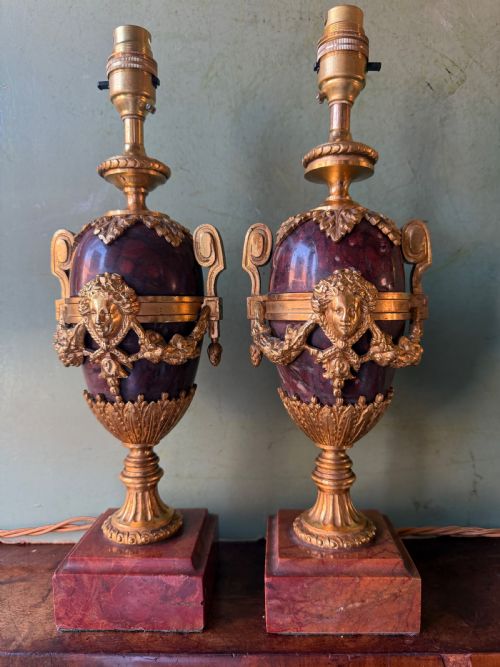
The selections on this page showcase forms derived from church altar candlesticks, classical vases, and architectural columns. Many examples incorporate contrasting materials such as marble, onyx, or glass lustres alongside the primary metal structure.
How They Were Made
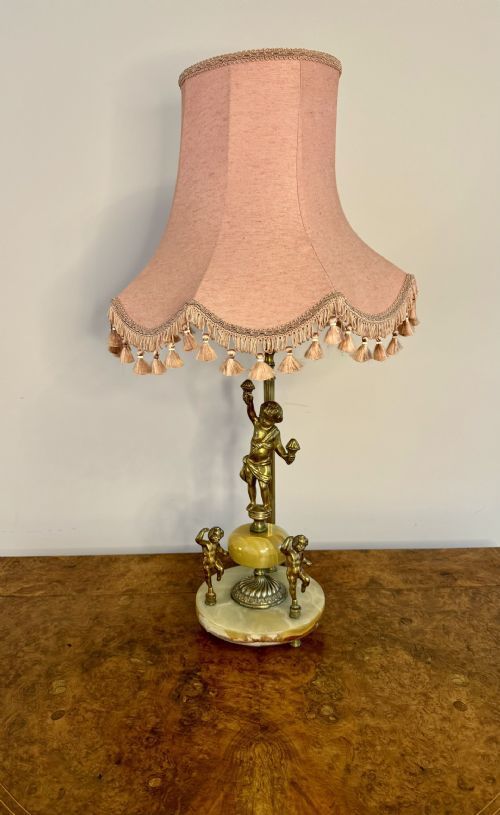
Construction relies heavily on cast brass, ormolu, and gilt metal, often combined with heavy stone bases in marble or onyx to provide stability for the vertical shaft. Surface decoration is achieved through traditional gilding techniques that impart a durable metallic sheen to the underlying components.
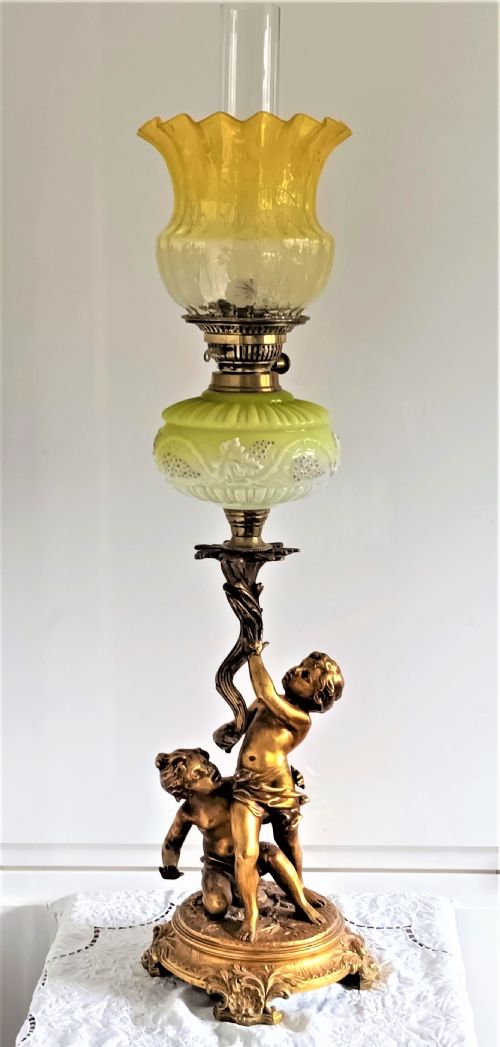
Many of these lighting fixtures incorporate vintage fabric shades or glass elements, and several historical examples show evidence of later conversion from earlier forms such as oil burners or altar candlesticks.
Retail Price Guide 2026
Typical UK retail prices for gilded brass table lamp, calculated from the Sellingantiques database of over a million retail prices indexed since 2003. This retail price guide relies exclusively on Sellingantiques data; no external sources or auction records are used, so the figures do not describe the wider market.
Listings feature items spanning the 19th century up to 1910, incorporating brass, ormolu, marble, onyx, and glass materials.
What Varies in Quality
Quality in these pieces is dictated by the crispness of the casting and the depth of the metal ornamentation, where finely chased details on French Empire revival or Rococo mounts stand apart from simpler commercial castings. The integration of secondary materials, such as genuine marble plinths or matched glass lustres, elevates the overall architectural harmony of the object.
The integrity of the original gilding and the weight of the base metal determine the visual permanence of the piece. Superior examples maintain their rich surface character across the entire body, from the detailed base up to the lamp fittings.
The Gilded Brass Table Lamp Glossary
- Ormolu
- Gilded bronze or brass created through a mercury amalgamation process or chemical application. This finish provides the bright, durable golden surface seen on many French revival pieces.
- Volute krater
- An ancient classical vase form featuring scroll-shaped handles. Grand Tour pieces from the 19th century frequently adopt this silhouette for decorative metalwork.
- Corinthian column
- An architectural order characterised by ornate capitals decorated with acanthus leaves. Many tall table lamps utilise this classical column design for their main shaft.
- Lustre
- A glass pendant or prism hung from a lighting fixture to catch and refract light. These decorative elements are particularly associated with 19th-century candelabras and lamps.
Frequently Asked Questions
How do I date a gilded brass lamp?
Dating relies on stylistic markers, casting techniques, and material combinations associated with periods like the 19th century or the Edwardian era. Details such as classical motifs or Art Nouveau curves point directly to specific design movements.
Evidence from past conversions also helps establish age, as many older altar candlesticks and oil lamps were adapted for electricity during the 20th century.
Are these lamps safe for modern use?
Most antique lamps require modern wiring to meet current electrical standards. Many historical pieces are rewired and tested to ensure they are safe for daily domestic use.
Buyers should inspect the cord and internal components to confirm they have been updated while preserving the original exterior metalwork.
What styles are common in these lamps?
The available selection includes French Empire Revival, Rococo Revival, and Art Nouveau designs. These styles often feature decorative elements like cherubs, Corinthian columns, and ornate scrollwork.
Grand Tour influences also appear, drawing directly on classical antiquity for their sculptural forms.
What materials accompany the brass?
Brass and ormolu are frequently paired with contrasting natural stones such as white or coloured marble and onyx. Glass lustres and fabric shades also appear on specific models.
These mixed materials add weight and visual texture to the overall composition of the lighting fixture.