


Rococo Style Table Lamp
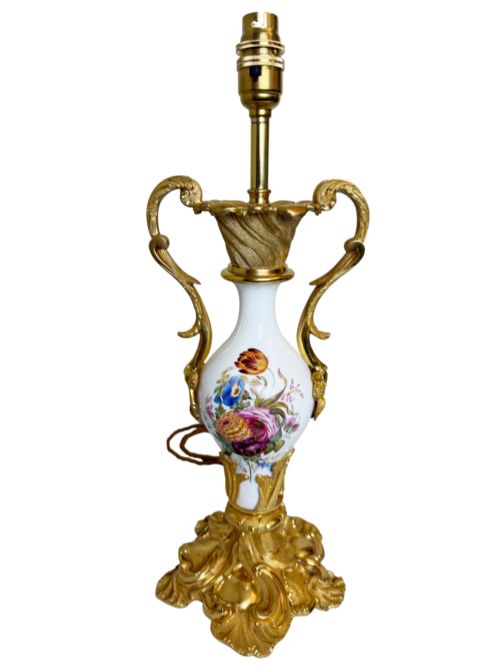
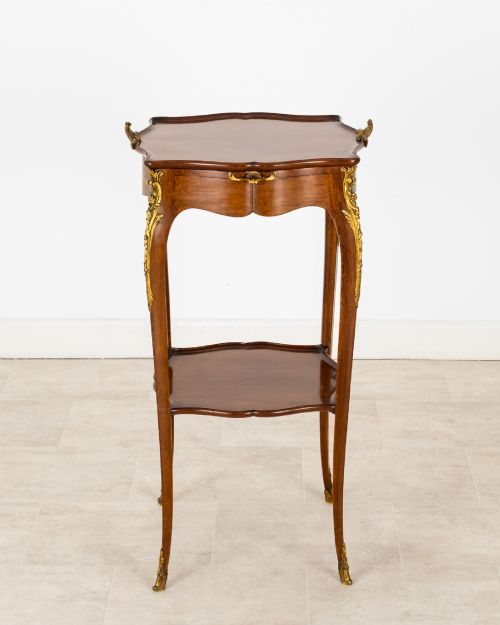
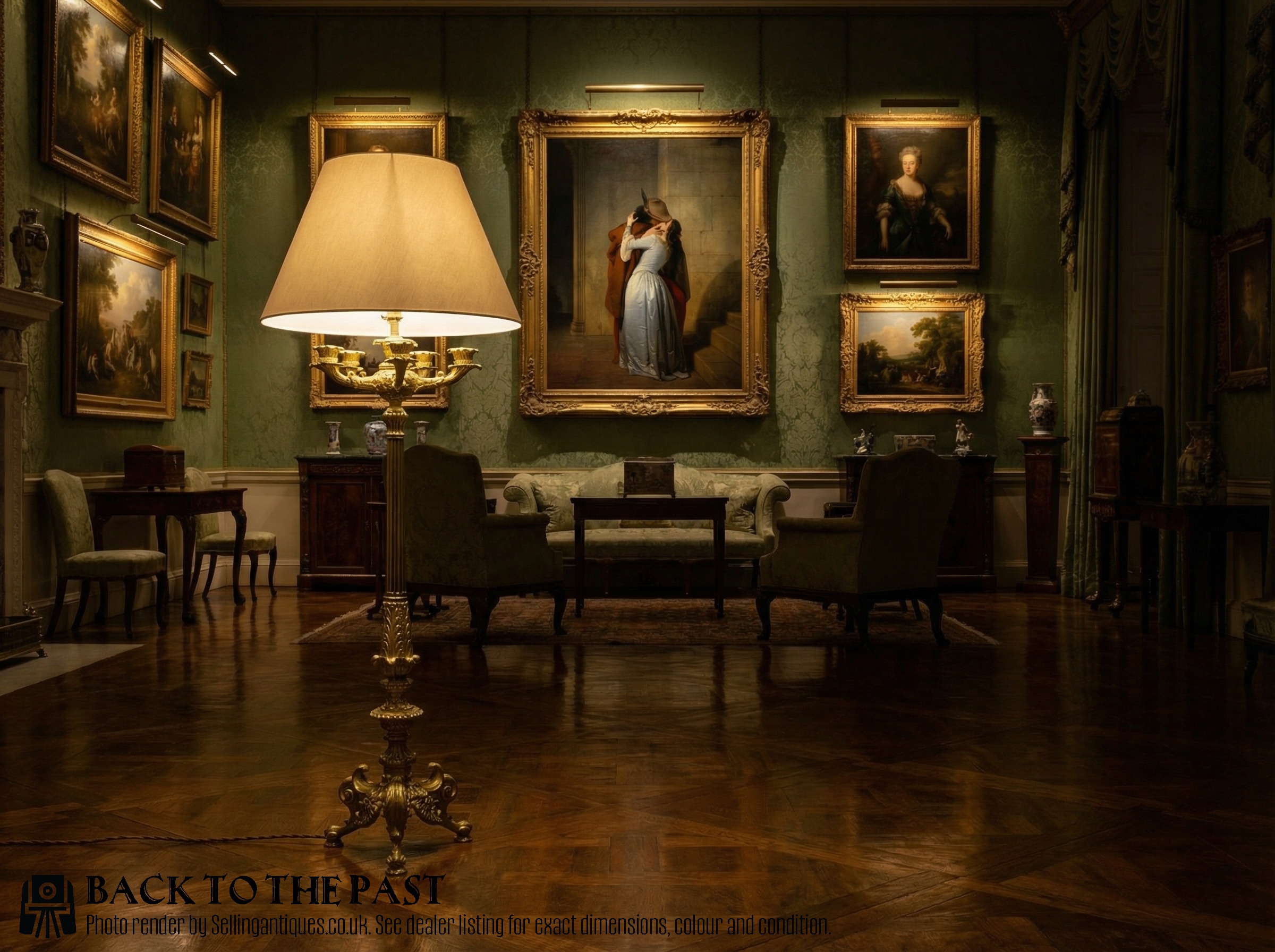
These rococo style table lamp pieces bring ornate scrolls and gilded warmth to a room, offering the decorative weight collectors seek.
What these pieces are
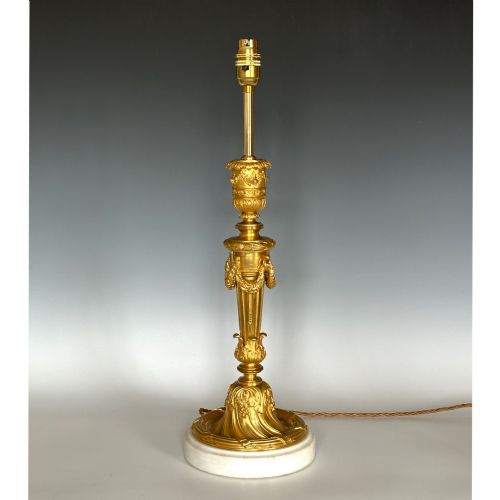
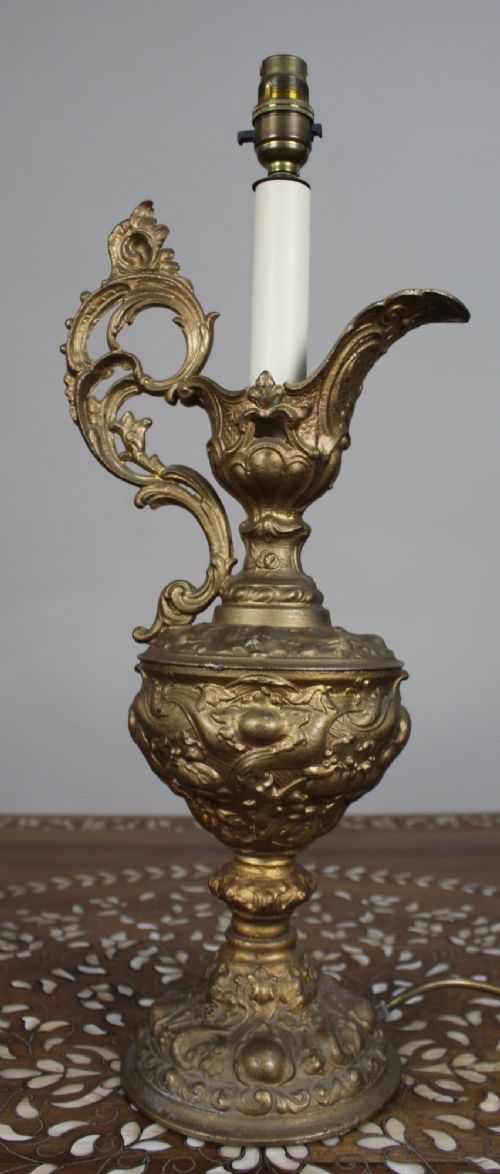
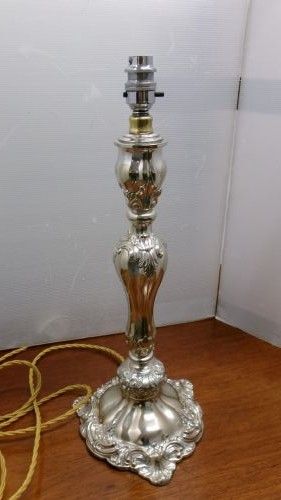
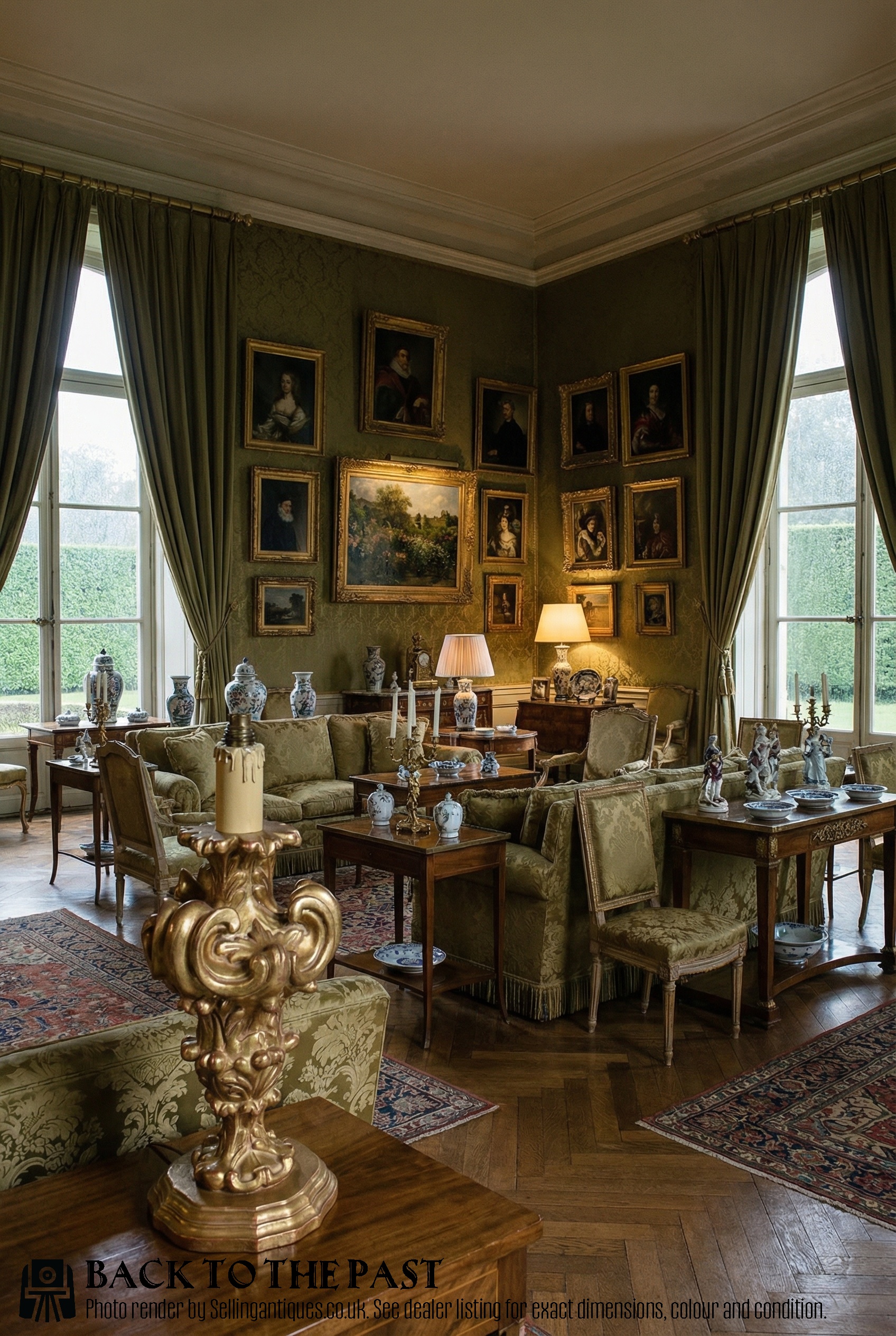
When you search for a rococo style table lamp, you encounter lighting fixtures shaped by asymmetrical scrolls, natural motifs, and theatrical presence. These objects bridge functional illumination with ornamental sculpture, drawing upon historical design vocabularies.
The versions most frequently met on this page span the late nineteenth century into the early twentieth century, encompassing Edwardian interpretations and nineteenth century revivals. Forms range from converted altar candlesticks to carved wooden bases and gilt bronze figurals.
Origins represented across these listings point toward French and Italian workshops alongside British Edwardian production. Such geographical breadth ensures variety in casting quality and surface gilding.
How they were made
Materials recorded in the inventory rely heavily on cast metals including brass, gilt bronze, ormolu, silver plate, EPNS, and gilt metal, paired with turned wood and fabric shades. These substrates provide the structural heft required to support ornate, curving silhouettes.
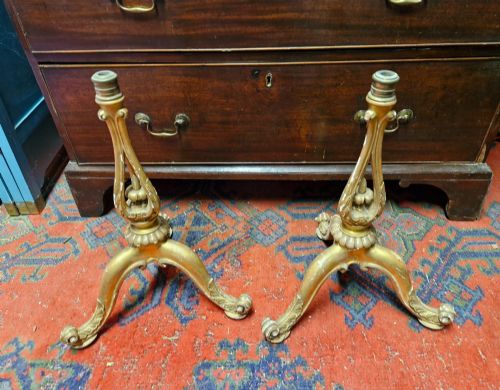
Techniques combine metal casting and chasing with hand carving on wooden bases, alongside surface treatments such as gilding. Altered pieces demonstrate the historical practice of converting altar candlesticks into functional electrical lamps.
Retail Price Guide 2026
Typical UK retail prices for rococo style table lamp, calculated from the Sellingantiques database of over a million retail prices indexed since 2003. This retail price guide relies exclusively on Sellingantiques data; no external sources or auction records are used, so the figures do not describe the wider market.
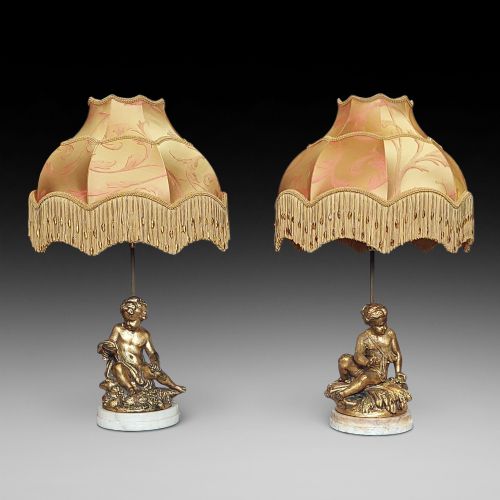
Several pieces feature winged cherubs apparently tasked with holding up the modern electrical wiring.
What varies in quality
Quality in these lamps rests upon the crispness of the casting and the depth of the chased detail across scrolls and foliage. Finer examples display sharp definition in sculptural elements like cherubs or acanthus leaves, whereas lesser pieces show softened edges from worn moulds.
The integrity of the surface finish dictates visual success, distinguishing genuine fire gilding or well-preserved ormolu from flat modern metallic paints. Heavy, stable bases cast in solid brass or bronze offer superior balance compared to lighter plated alternatives.
The Rococo Style Table Lamp Glossary
- Ormolu
- A technique of applying finely ground high-carat gold to an object of bronze, creating a rich golden surface. It defines the luxurious finish found on high-end nineteenth-century French lighting.
- EPNS
- Electroplated nickel silver, a common base material for metalware produced from the mid-nineteenth century onward. It provides a bright silver-coloured surface over a durable metal alloy.
- Rococo Revival
- A mid-nineteenth-century design movement that resurrected the asymmetrical curves, C-scrolls, and shell motifs of the eighteenth-century French court. This aesthetic informs the exuberant shaping of these lamp bases.
- Altar candlestick
- A tall, heavy candlestick originally designed for ecclesiastical use on church altars. Many surviving examples were later converted into table lamps during the twentieth century.
Frequently Asked Questions
Are these lamps newly rewired?
Wiring status varies across individual items depending on whether a piece retains historic cabling or has received modern updates.
Buyers should inspect specific listing details to confirm if testing or rewiring has been completed.
How do I clean a gilt bronze lamp?
Gilt bronze and ormolu surfaces require gentle dusting with a soft, dry cloth to preserve the delicate gold layer.
Water and chemical cleaning agents can strip or damage the historic finish and should be avoided.
What shades suit these bases?
Fabric shades that complement the period aesthetic work best, balancing the ornate metalwork beneath.
Proportions should match the visual weight of the heavy cast base to maintain stability and style.
Can I date a converted candlestick?
Dating relies on the construction methods of the base metal, casting style, and wear patterns on the underside.
Alterations such as lamp fittings usually occur later in the object's lifespan.