


Late 19th Century Lamp
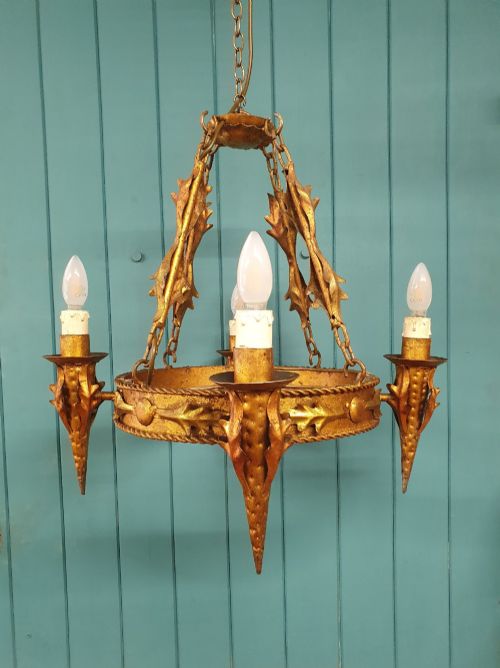
A late 19th century lamp brings warmth and period character to a room through diverse materials like brass, glass, and porcelain.

What a late 19th century lamp is
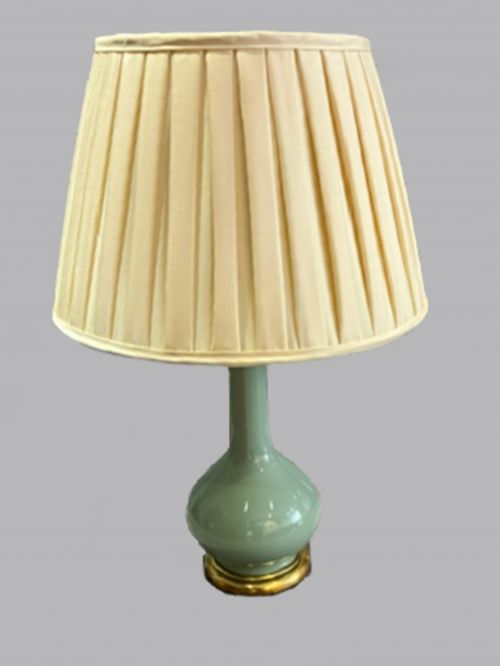
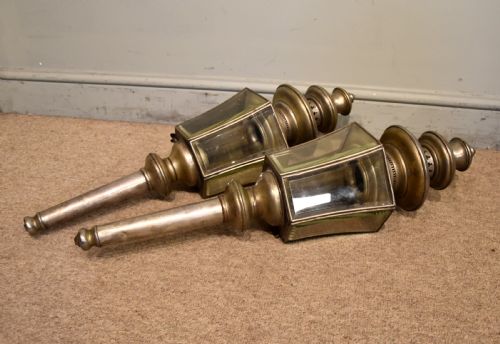
A late 19th century lamp encompasses lighting fixtures and converted vessels from the decades between eighteen seventy and eighteen ninety, spanning table lamps and floor standing models. These pieces include original oil-burning configurations alongside vases, ginger jars, and urns adapted for electric illumination.
Victorian, Art Nouveau, and Rococo Revival styles dominate the selection, reflecting the ornate tastes of the period. Buyers frequently encounter French and English examples, together with imported Chinese and Japanese ceramics adapted into bases.
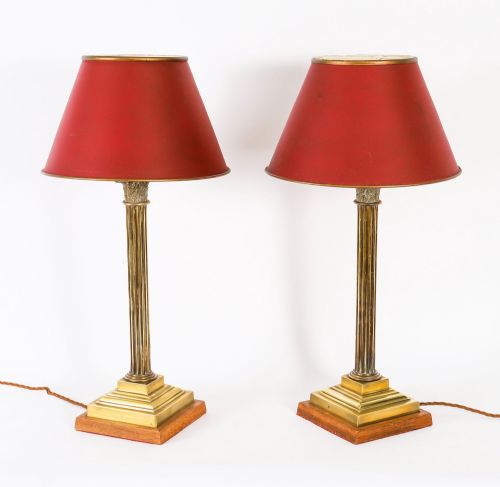
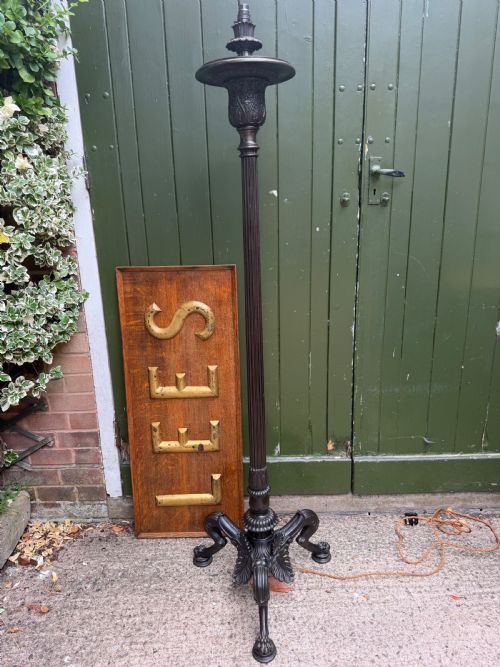
Standard lamps and pillar forms sit alongside bouillotte designs and figural bronzes, offering varied heights and silhouettes. Many items integrate fabric shades or retain glass reservoirs from their original function.
How they were made
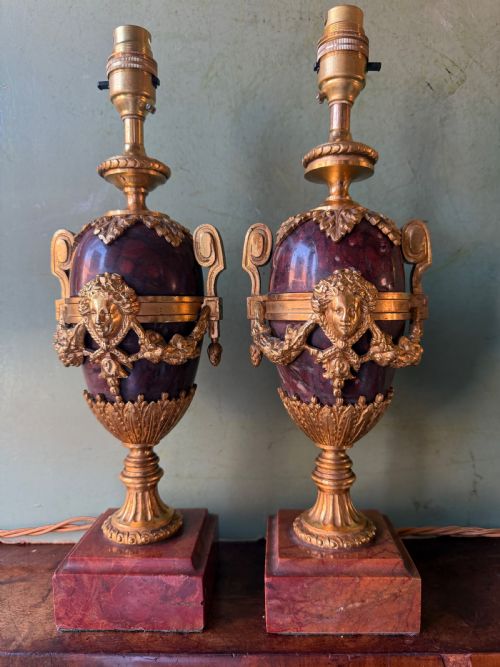
Makers utilised cast and spun metals including brass, copper, ormolu, gilt bronze, nickel plate, and silver plate to form structural columns and bases. Ceramic bodies incorporate porcelain, blue and white earthenware, and pate sur pate, sometimes mounted on metal plinths.
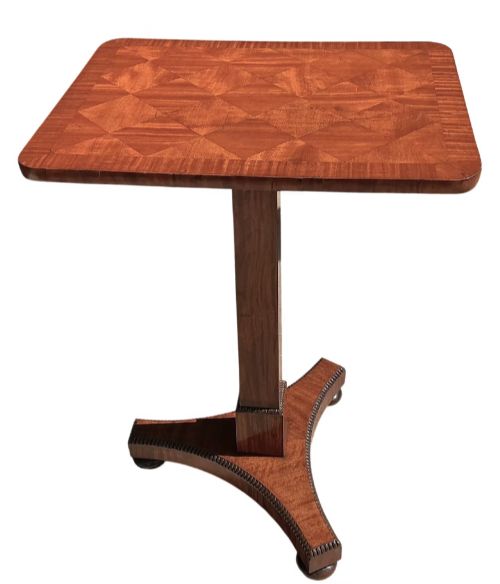
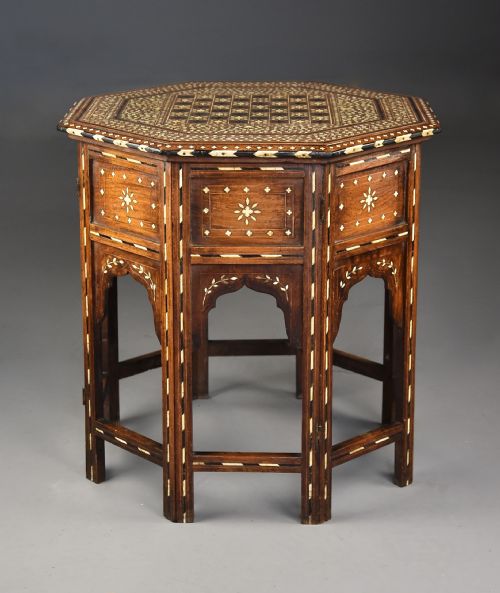
Decorative elements involve applied gilding, cold painting on bronze, cloisonne enamelling, and intricate wood marquetry on associated lamp tables. Glass components range from cranberry and blue hues to opalescent shades paired with fabric coverings.
Retail Price Guide 2026
Typical UK retail prices for late 19th century lamp, calculated from the Sellingantiques database of over a million retail prices indexed since 2003. This retail price guide relies exclusively on Sellingantiques data; no external sources or auction records are used, so the figures do not describe the wider market.
Listings feature brass, glass, gilt bronze, and ceramic materials across the Victorian and Art Nouveau periods.
What varies in quality
The refinement of the casting and chasing on metal mounts separates standard production from superior work. Crisply articulated ormolu and detailed bronze figural elements demonstrate greater artisan skill than plain turned brass.
The provenance of ceramic bodies influences distinction, particularly hand-painted porcelain or marked factory wares compared to simpler utilitarian vessels. Original matching pairs and intact glass reservoirs elevate the integrity of a piece.
Wild And Wessel Berlin·Fischer J Budapest·CR Dibben Sloane Street·Bergman
The Late 19th Century Lamp Glossary
- Ormolu
- Gilded bronze used widely for decorative mounts on nineteenth-century French furnishings and lighting. This technique involves applying a finely ground gold-mercury amalgam to bronze before heating.
- Cranberry Glass
- Transparent red glass coloured with gold chloride, popular for Victorian oil lamp reservoirs and shades. The rich pinkish-red tone varies in depth according to the mineral concentration.
- Pate Sur Pate
- A ceramic decoration method where successive layers of liquid white porcelain slip are built up on a coloured clay ground. This technique creates a low-relief cameo effect on fine porcelain lamps.
- Bouillotte Lamp
- An adjustable metal table lamp with a central shaft and a painted shade directing light downwards. Originating in France, these pieces often feature a small tray base for holding cards or coins.
- Cloisonne
- Enamelling work where metal wires form partitioned cells on a vase or vessel body before filling with coloured paste. Japanese and Chinese examples frequently appear converted into nineteenth-century lamps.
Frequently Asked Questions
How do I light a period oil lamp?
Original oil lamps require clean burning lamp oil and properly trimmed wicks housed within the metal burner mechanism. Many surviving examples have been converted to electricity for modern convenience.
Conversion usually preserves the outer metal or ceramic vessel while safely hiding modern wiring inside the historic column or reservoir.
Are these lamps safe for daily use?
Pieces that have been rewired and PAT tested offer reliable illumination for contemporary interiors. Older cords and plugs should be inspected by a professional before connection.
Original brass and plated columns provide stable support for modern bulbs and shades when fitted with appropriate internal hardware.
How do I identify a converted vase?
Vases and ginger jars converted to lamps generally feature a drilled base or a wired rod passing through the centre of the ceramic body. Imari, Canton, and blue and white porcelain vessels frequently underwent this adaptation.
Matching pairs of jars or vases often show minor height variations resulting from handmade nineteenth-century ceramic firing processes.