

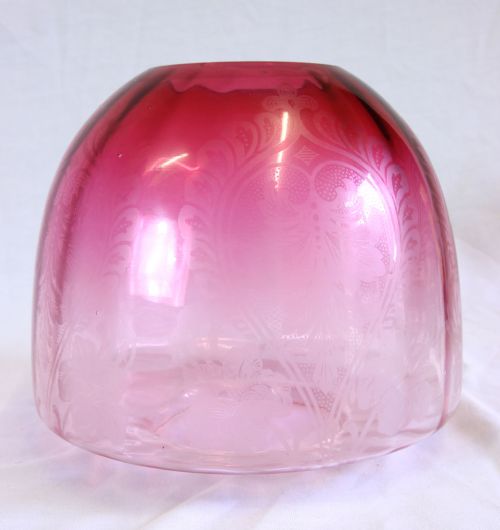
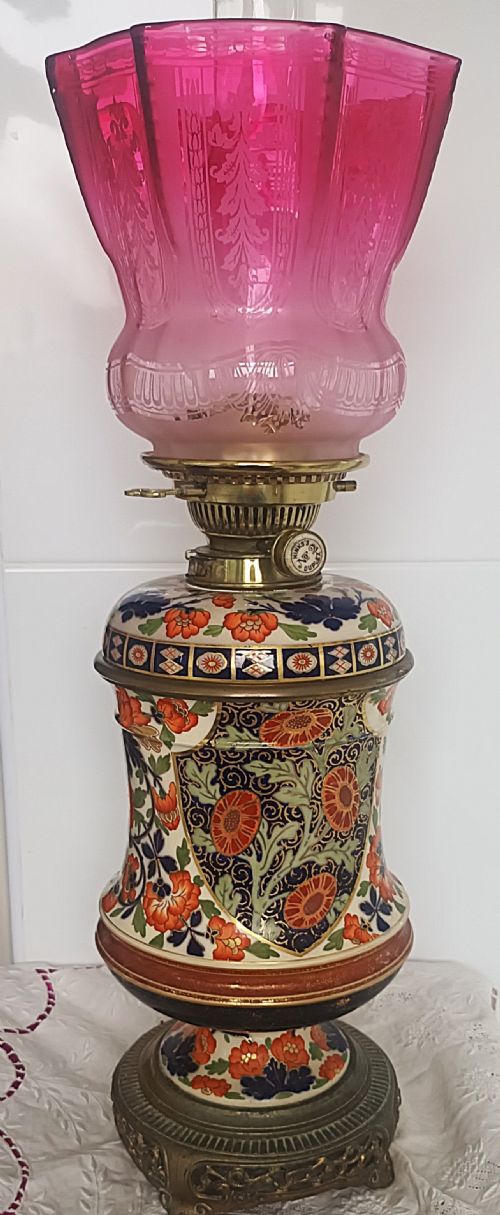
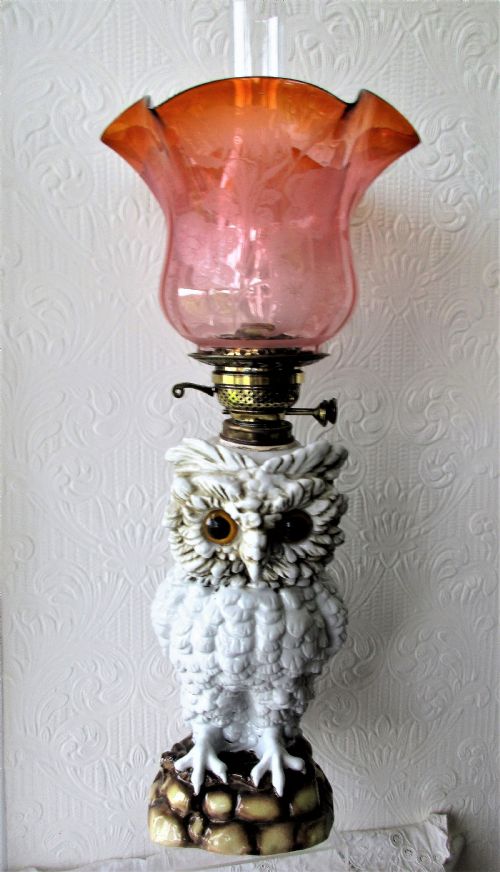

Cranberry Glass Shade
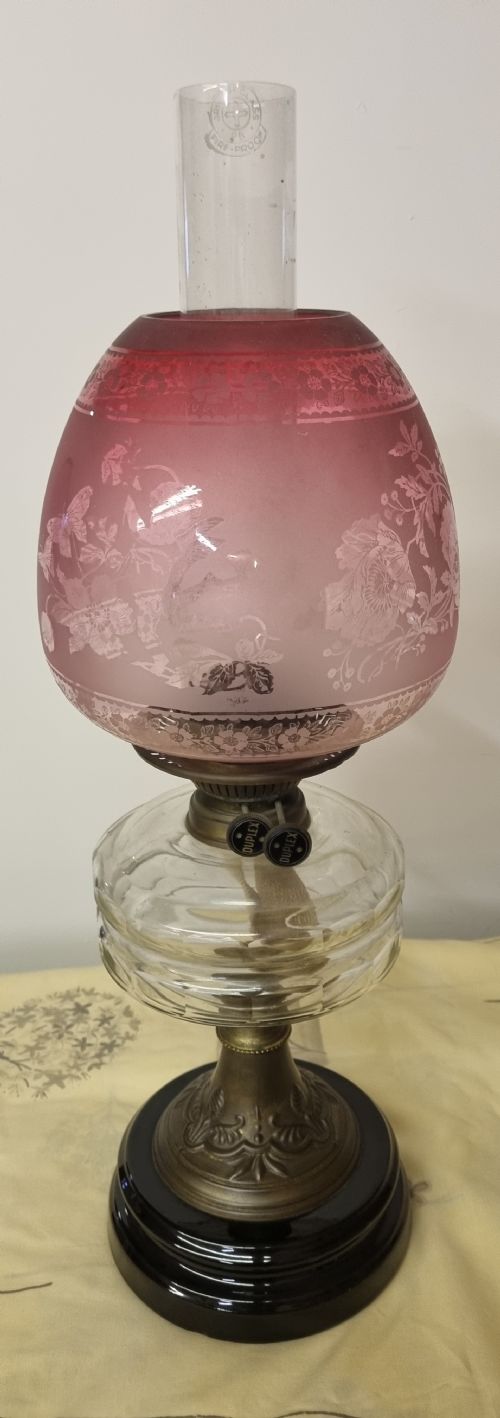
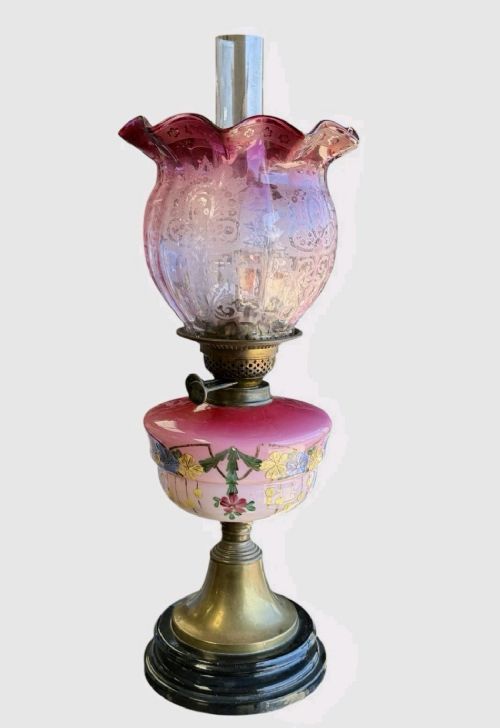
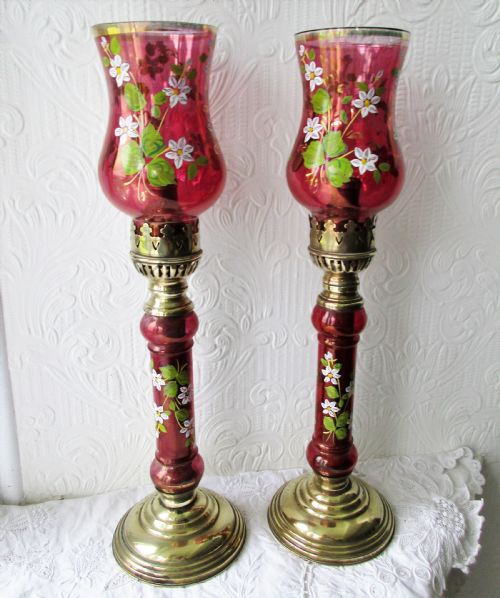
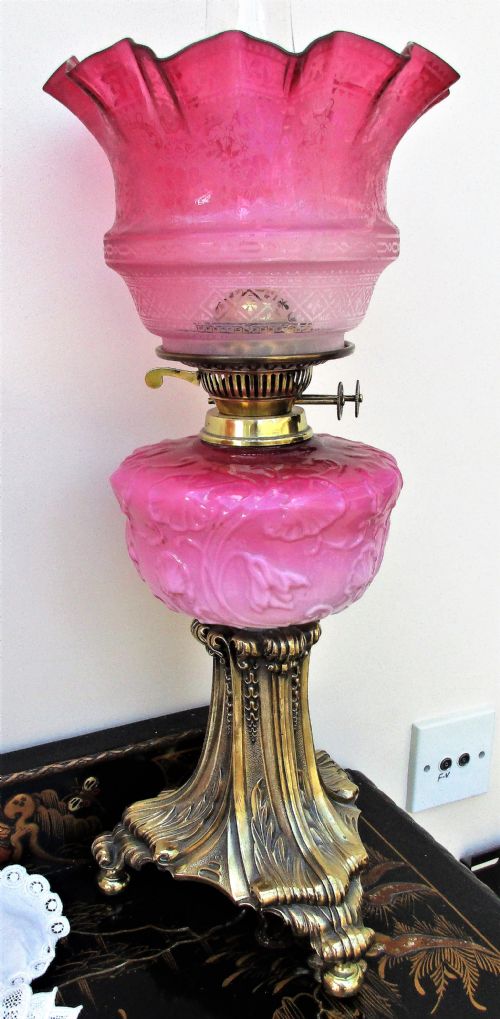
These pieces of cranberry glass shade offer a rich, translucent glow that instantly warms any room.
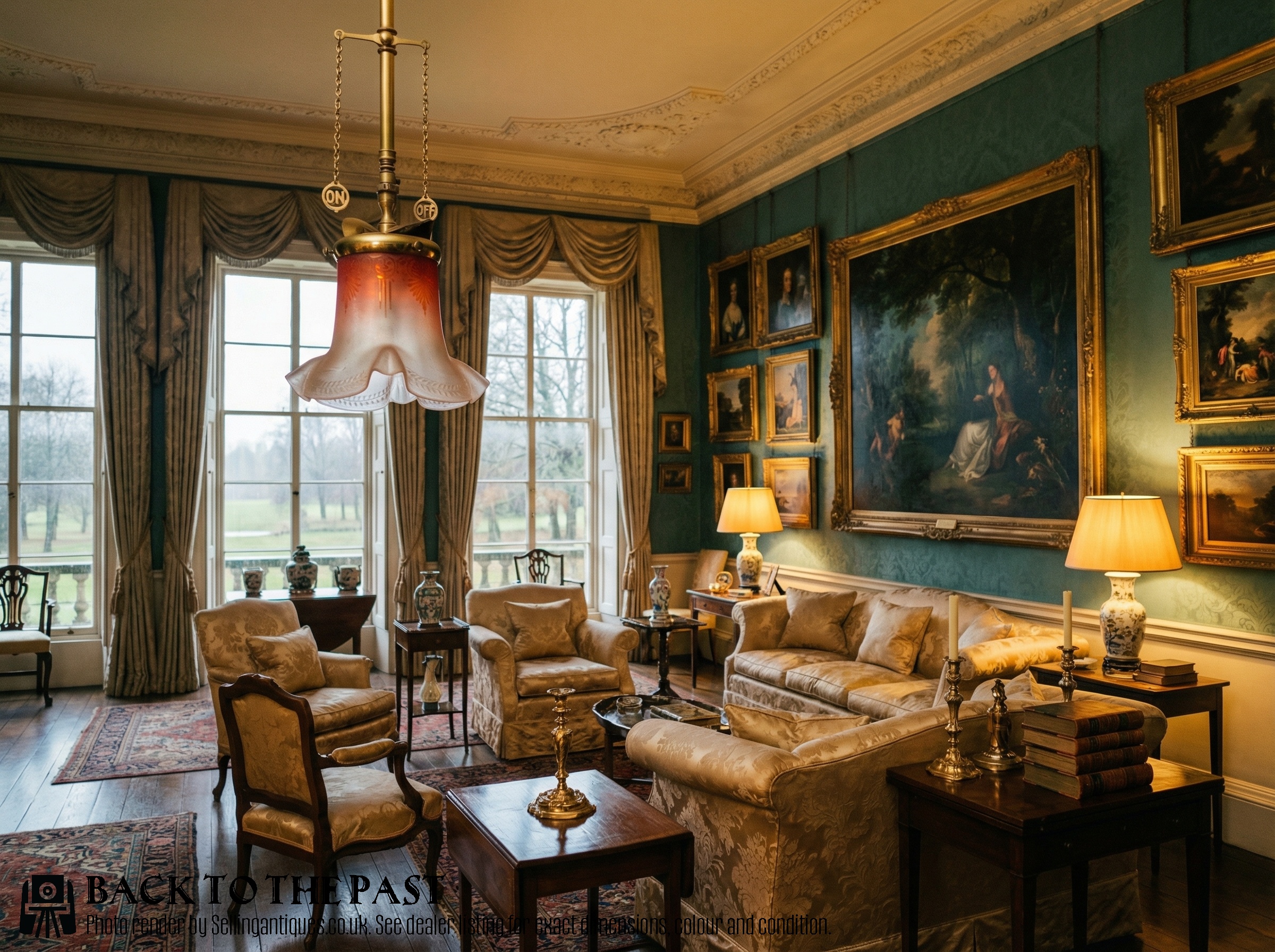
Cranberry Glass Shade
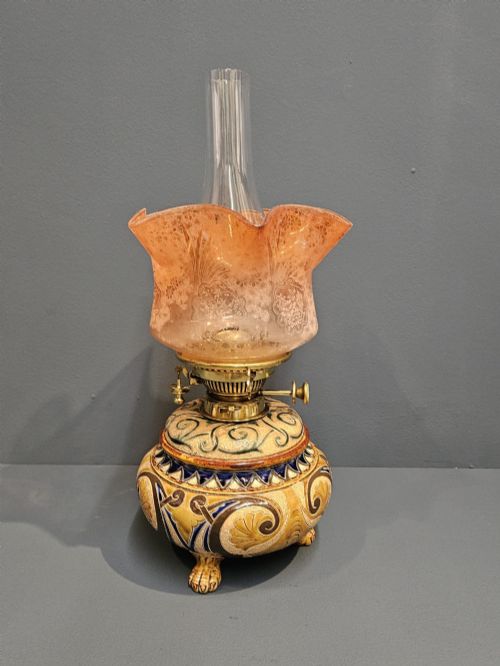
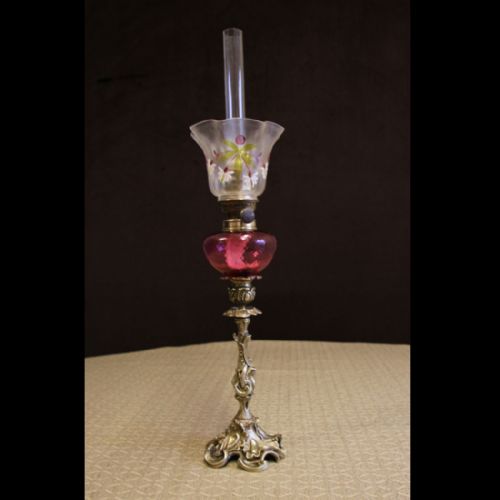
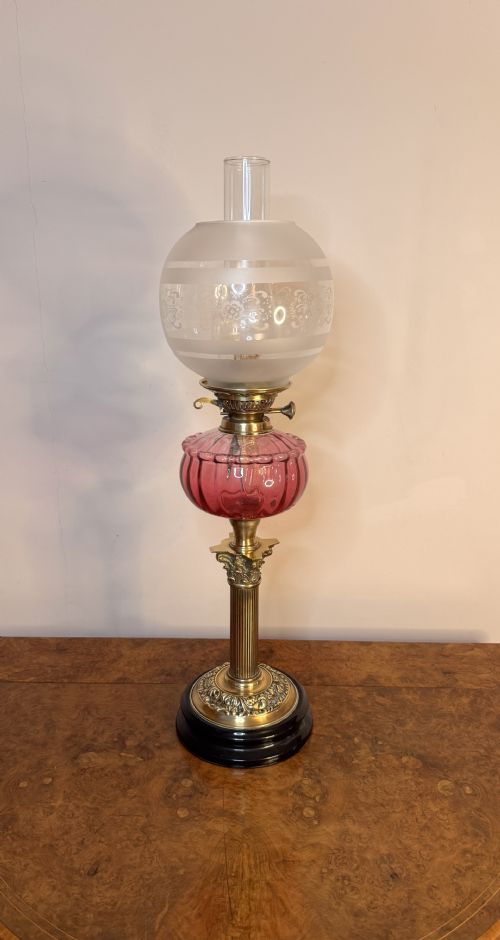
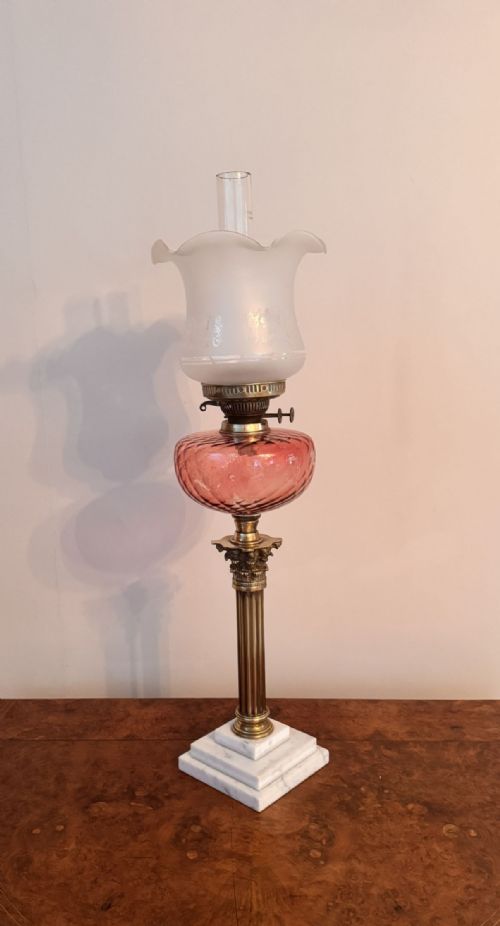
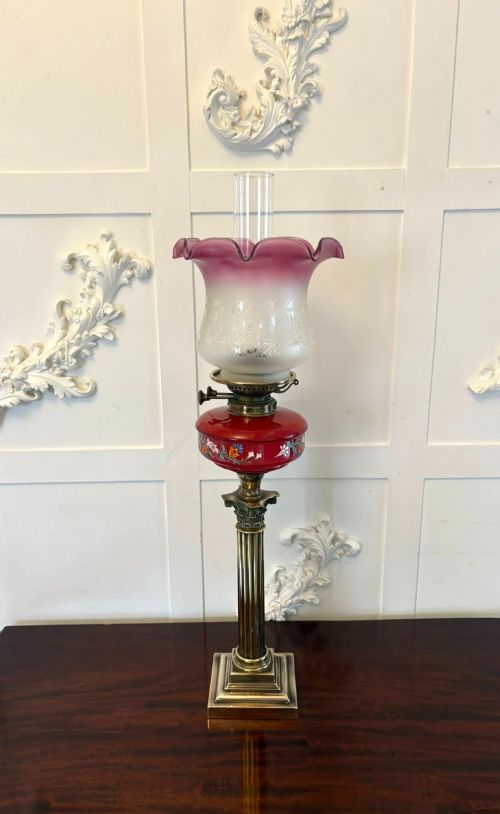
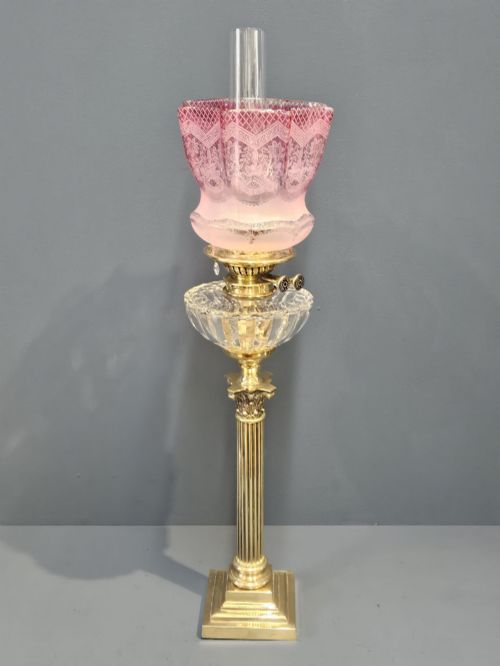
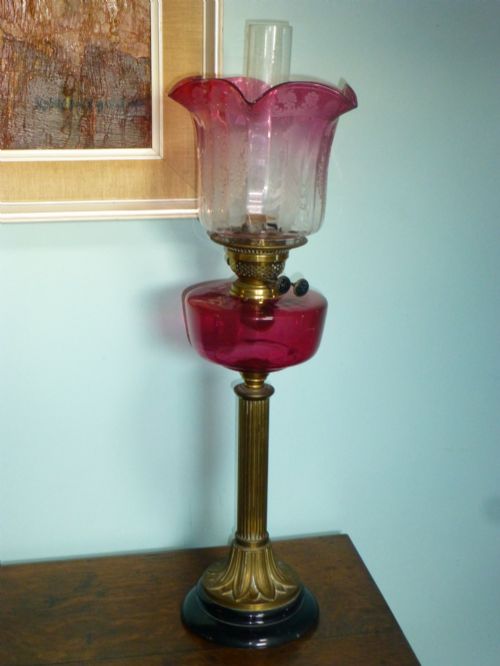
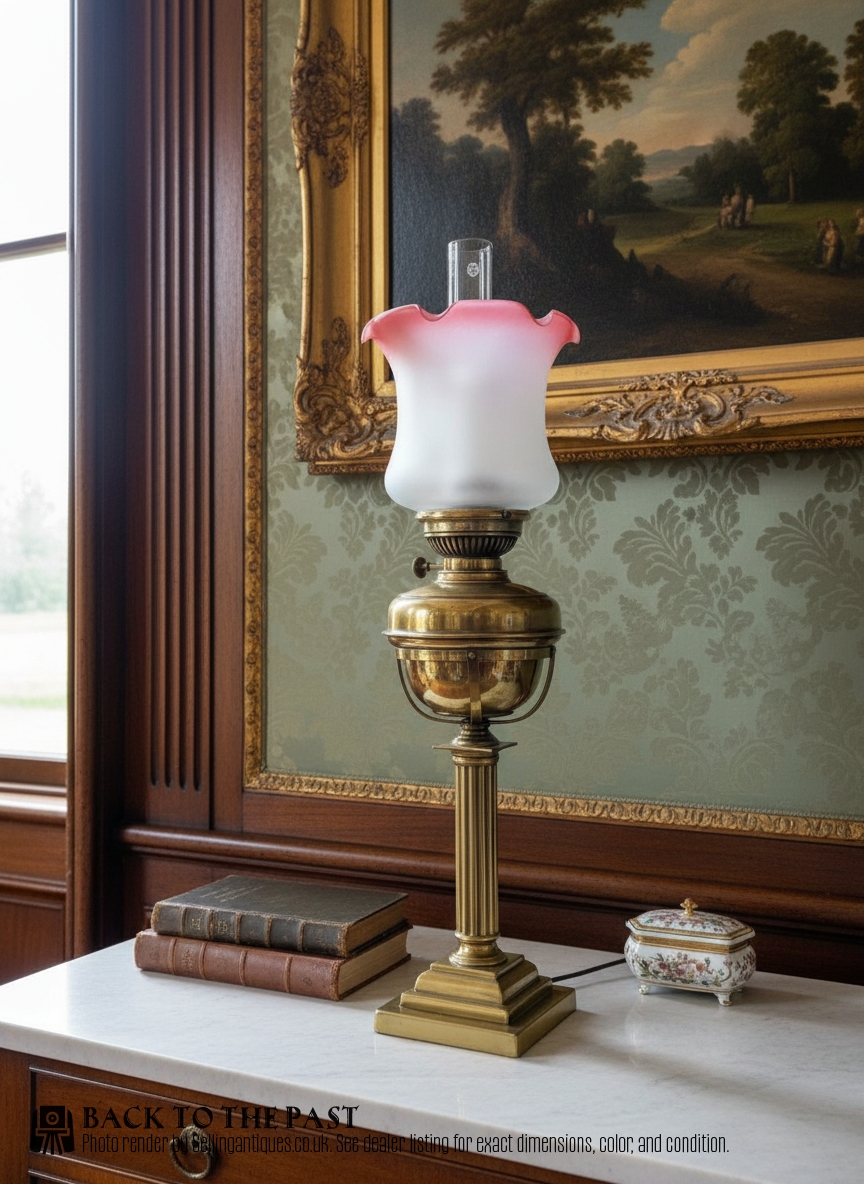
A cranberry glass shade brings a distinct pink-red hue to interior lighting, appearing most frequently atop nineteenth-century Victorian and Edwardian oil lamps, table lamps, and ceiling lights. You will regularly encounter them paired with gleaming brass stands, ceramic bases, or copper fittings, spanning periods from the 1860s through to the early decades of the twentieth century.
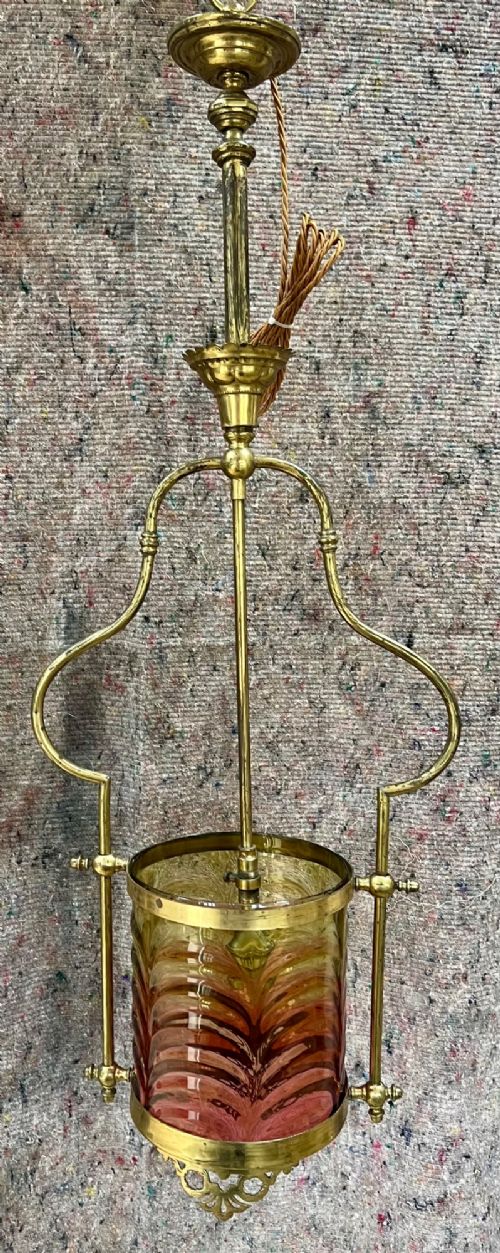
The selection ranges from simple globe forms to elaborate hand-painted fonts, crimped rims, and etched patterns. Alongside standard oil lamps, these vibrant components also emerge on wall lights, gasolier chandeliers, and floor-standing reading lamps.
Originating largely from the Victorian era, these shades reflect a period of domestic innovation where functional lighting met decorative ambition. They survive today as both replacement globes and complete lamps, maintaining their deep crimson colour when illuminated.
How they were made
Makers achieved the iconic cranberry colour by adding gold chloride to the molten glass mixture during production. Artisans then shaped these vibrant glass vessels by hand, frequently employing techniques such as etching, cutting, or crimping the rims while the material remained pliable.
The metal components supporting these shades, predominantly cast or spun brass, often featured heavy columns, reeded stems, or intricate copper and bronze detailing. Ceramic and porcelain fonts occasionally supplemented the metal bases, offering a contrasting textured foundation for the luminous glass above.
Cranberry Glass Shade Retail Price Guide 2026
Typical asking prices for cranberry glass shade among the pieces listed under this phrase on Sellingantiques today, from the lower quarter to the upper quarter. They describe what is for sale here now, not the wider market.
Several pieces feature mischievous owls and cherubs keeping watch over the oil reservoir.
What varies in quality
Quality reveals itself in the depth and evenness of the glass colour, alongside the crispness of any etched or gilded surface details. Superior examples display a rich, saturated crimson tone without patchy dilution, paired with finely cast brass or bronze metalwork that shows sharp definition in its ornamentation.
The integration between the shade and its mount dictates the overall visual harmony. Hand-painted motifs, delicate hobnail textures, and substantial brass standards separate the exceptional pieces from standard mass-produced variants.

The Cranberry Glass Shade Glossary
- Cranberry Glass
- A type of transparent pinkish-red glass created by the addition of gold to the molten batch. It became exceptionally popular during the Victorian period for tableware and lighting fixtures.
- Duplex Burner
- A double-wick mechanism utilised on nineteenth-century oil lamps to provide a brighter illumination. This hardware often supports larger glass shades.
- Gasolier
- A multi-burner ceiling chandelier originally designed to burn coal gas before many were later converted to electricity. They frequently incorporate large coloured glass shades.
- Font
- The oil reservoir of a lamp, positioned beneath the burner and frequently manufactured from matching or contrasting cranberry glass. It holds the fuel necessary to sustain the flame.
- Crimped Rim
- An outer edge of a glass shade manipulated into wavy or fluted folds while hot. This technique adds texture and character to the profile of the lighting component.
Cranberry Glass Shade: Frequently Asked Questions
How do I date a cranberry glass shade?
Dating relies heavily on the manufacturing style, the accompanying brass or ceramic lamp base, and the depth of the glass colour. Victorian examples often feature hand-painted details, heavy brass Corinthian columns, or etched patterns.
Later Edwardian versions tend towards simpler brass stands and standard rise-and-fall ceiling configurations.
Were these shades used exclusively on oil lamps?
While most commonly found on Victorian oil lamps and duplex burners, these shades also appeared on gasolier chandeliers, wall lights, and ceiling pendants. As households transitioned through the decades, many gas and oil fixtures were adapted for electricity.
Surviving examples frequently retain their original brass or copper suspension hardware.
How do I clean an antique glass shade?
Cleaning requires gentle handling in lukewarm water with mild soap to preserve any delicate hand-painted motifs or gilded surfaces. Avoid abrasive scrubbers that might scratch the vintage glass.
Ensure the piece is completely dry before placing it back onto its metal holder.