


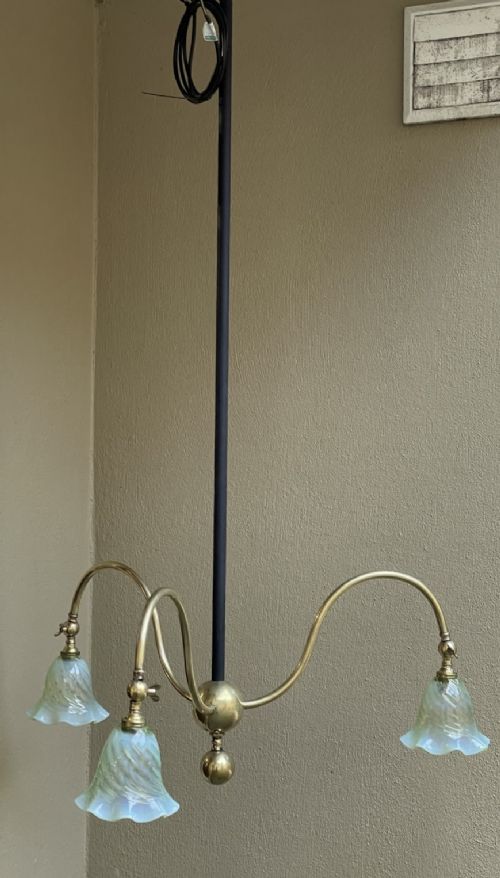
Vintage Ceiling Pendant
A vintage ceiling pendant illuminates a room from above, bringing period brass, glass and crystal into modern interiors with authentic historic character.
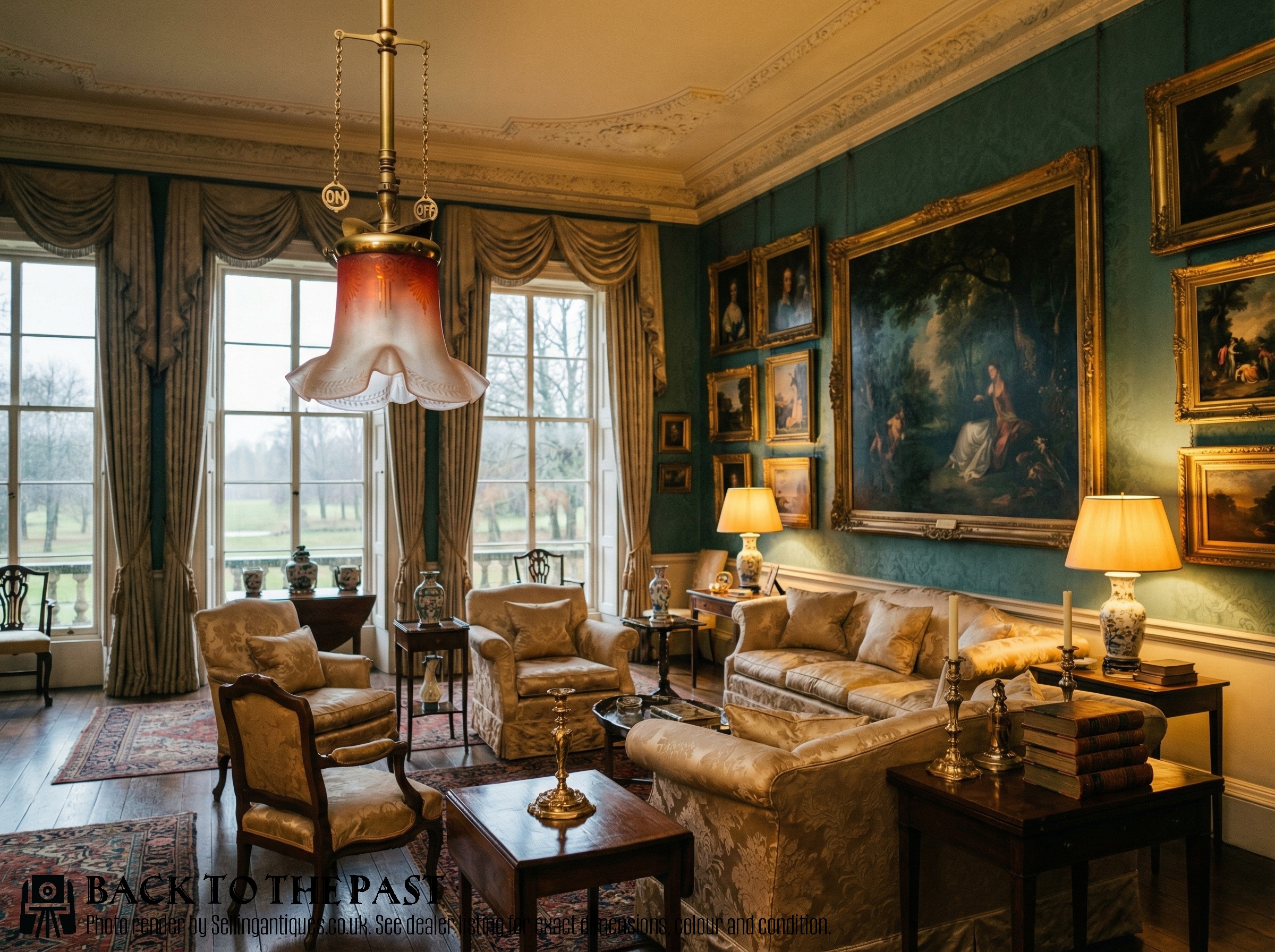
Vintage Ceiling Pendant
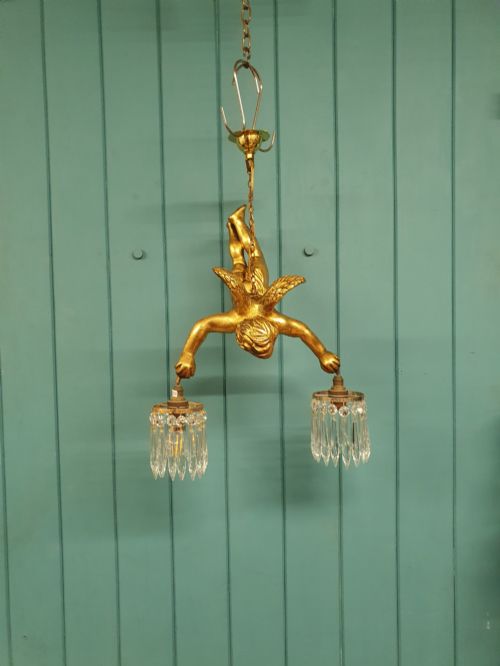
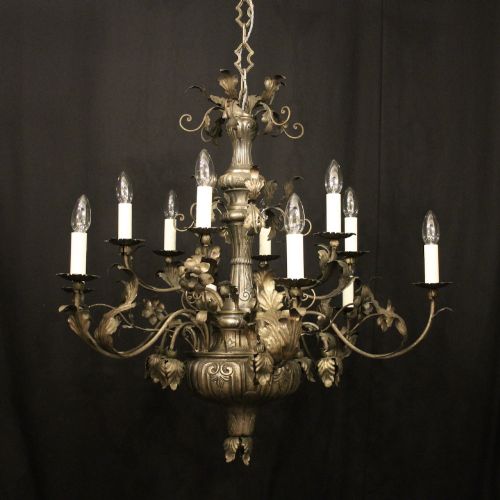
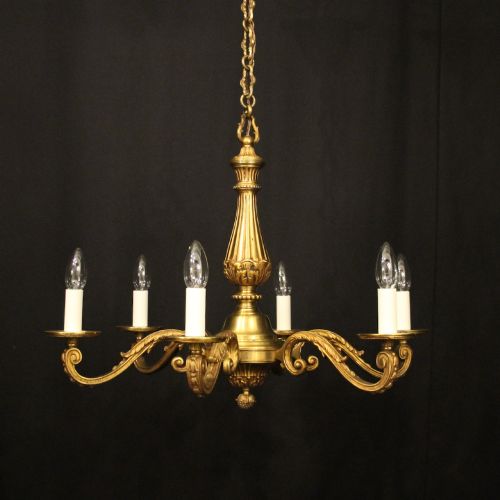
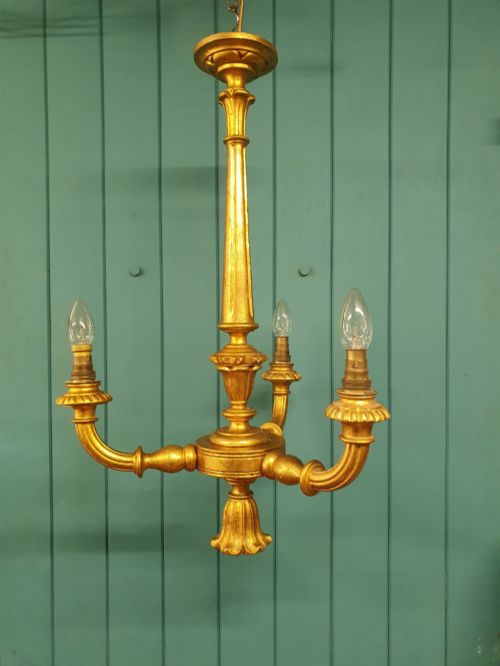
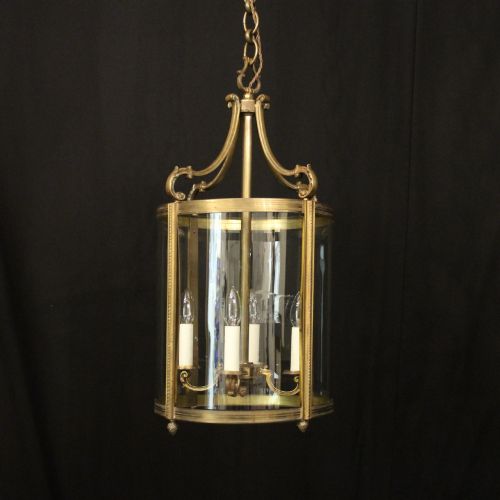
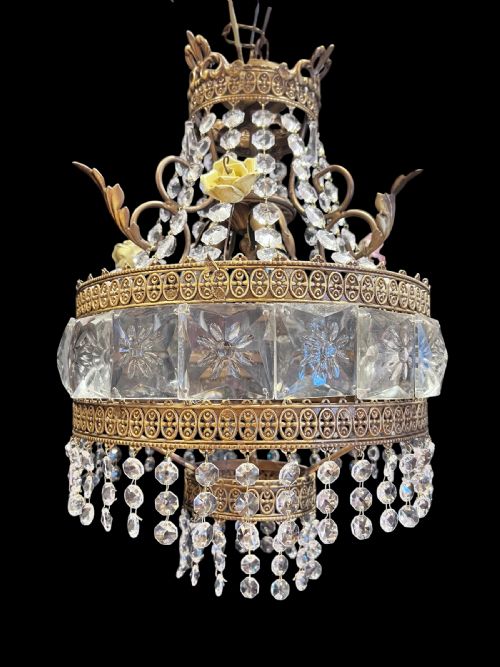
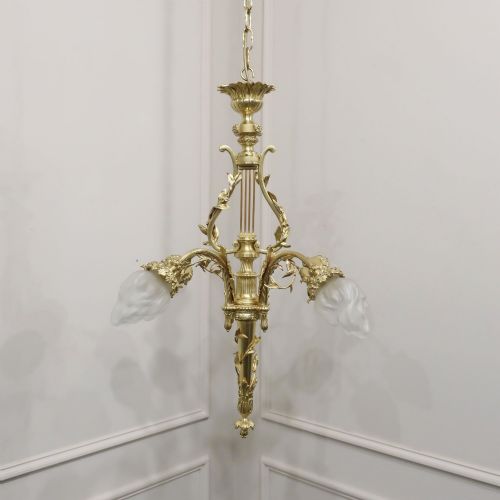
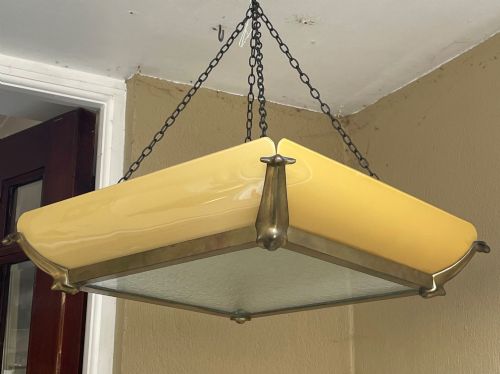
A vintage ceiling pendant covers a wide variety of hanging light fittings, chandeliers and lanterns originating from the nineteenth and early twentieth centuries. These fixtures descend from ceilings to provide ambient illumination in hallways, living rooms and dining spaces. The selection on this page draws heavily from French chateau, Art Deco, Edwardian and Arts and Crafts traditions.
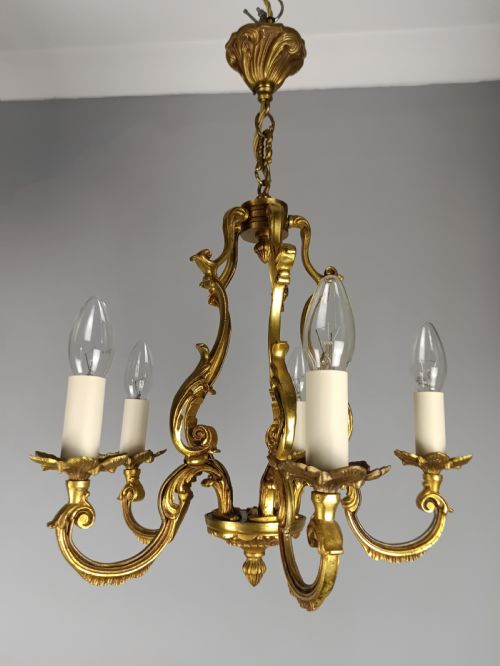
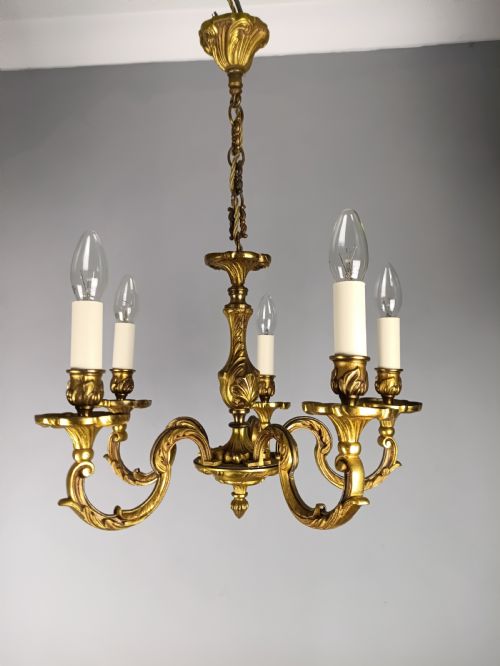
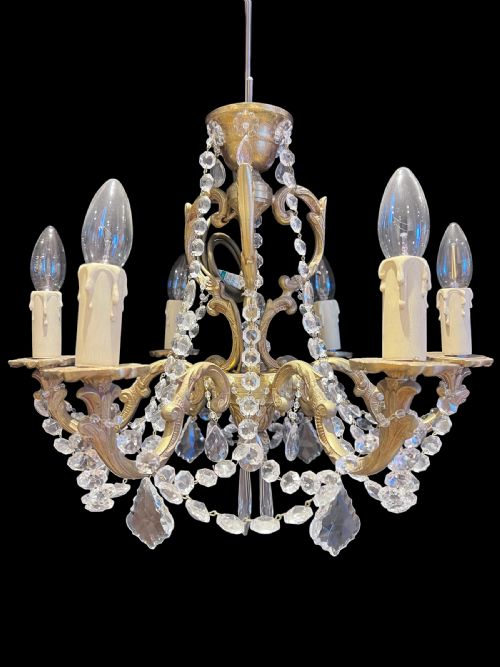
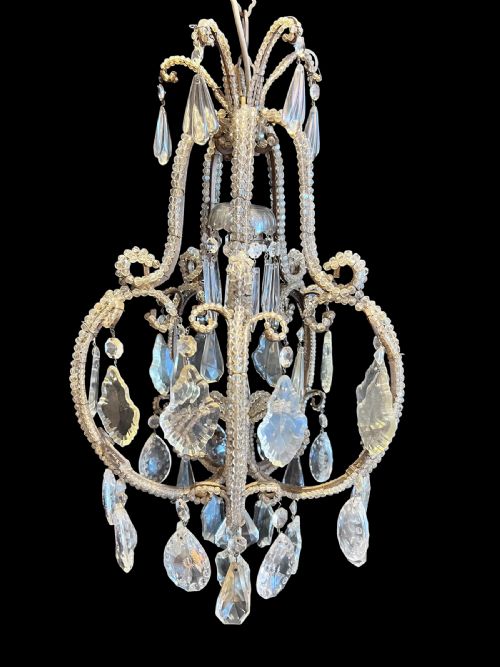
Buyers encountering this phrase will find a high proportion of French gilded bronze and brass chandeliers alongside geometric lanterns and single-bulb drops. Pieces span periods from the eighteen-nineties through to nineteen-thirty, reflecting stylistic shifts from ornate nineteenth-century revivals to streamlined twentieth-century designs. Formats range from modest single-light pendants and prismatic spikes to multi-tier crystal cascades.

Materials and construction
Metalwork forms the skeletal structure of these pendants, with brass, gilt bronze and gilded metal providing durability and decorative warmth. Foundries shaped these metals through casting, beating and wire-work to build frames for chandeliers, hall lanterns and basket fixtures. Copper and iron also appear in specific Arts and Crafts and Edwardian iterations.
Glass and crystal elements complete the assembly, suspended from frames to refract light across the room. Cut glass, bevelled glass panels, opalescent shades and crystal lustres scatter illumination through complex facets. Techniques involve hand-cutting, moulding and wire-stringing beads into intricate tent and waterfall arrangements.
Vintage Ceiling Pendant Retail Price Guide 2026
Typical asking prices for vintage ceiling pendant among the pieces listed under this phrase on Sellingantiques today, from the lower quarter to the upper quarter. They describe what is for sale here now, not the wider market.
Some eighteen-nineties chandeliers hide their wiring inside hollow bronze branches shaped like winding musical instrument tubing.
Judging the standard
Quality rests in the crispness of metal casting, the weight of the bronze or brass framework, and the hand-finish applied to the gilding. Heavier components and deeply chased detailing indicate superior workshop output compared to lighter, pressed alternatives. The integration of structural elements demonstrates the maker's original intent.
The clarity and cut of the glass or crystal components further divide tiers of production. High-grade pendants utilise hand-cut lead crystal or precision-bevelled glass panels that hold sharp edges and deep refractive properties. Missing drops, replacement components or cloudy press-moulded glass alter the integrity of the piece.
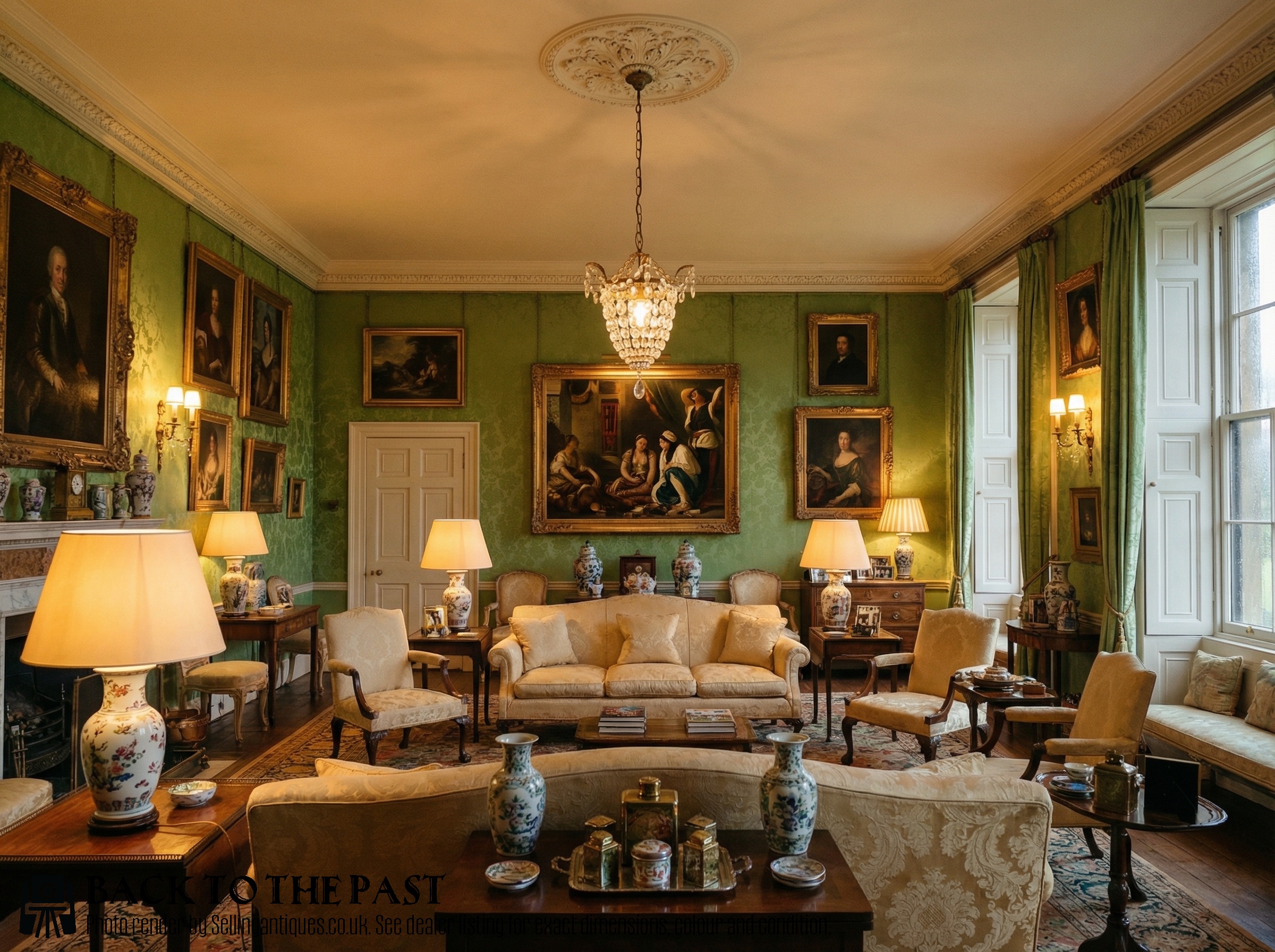
Émile-Jacques Ruhlmann
The Vintage Ceiling Pendant Glossary
- Chandelier
- A branched ornamental light fixture suspended from the ceiling designed to hold multiple bulbs or candles. These fixtures range from simple three-arm variants to elaborate twelve-light arrangements.
- Hall Lantern
- An enclosed hanging light traditionally positioned in entrance halls and stairwells. These often feature glazed panels of bevelled or stained glass set within a metal framework.
- Crystal Lustre
- A cut glass pendant drop or prismatic bead hung from a chandelier to refract light. Lustres vary in shape from simple spears to intricate faceted buttons.
- Slip Shade
- A frosted or opalescent moulded glass shade designed to slot directly into a metal ceiling light frame. These are characteristic of Art Deco lighting design.
- Spike Chandelier
- A vertical pendant characterised by a central tapering spike fitted with radiating arms or crystal spikes. This form appears frequently in early twentieth-century designs.
Vintage Ceiling Pendant: Frequently Asked Questions
How do I hang a vintage pendant safely?
Vintage ceiling pendants require secure ceiling joist attachment and appropriate weight-bearing fixings to support heavy bronze and crystal frames. Professional electricians should assess the internal wiring and structural hook capacity before installation.
Older fixtures often utilise non-standard wiring channels or historic bulb fittings that need professional adaptation for modern mains electricity. Ensuring the earth connection is sound protects both the user and the historic metalwork.
What periods do these pendants come from?
The lighting fixtures span the nineteenth century through the Edwardian era, the nineteen-tens, nineteen-twenties and nineteen-thirties. Stylistic cues help date each piece to its specific decade of manufacture.
Art Deco designs from the thirties favour geometric slip shades, whereas Edwardian examples lean towards brass lanterns and Arts and Crafts simplicity. Nineteenth-century pieces often display Gothic Revival or French Neoclassical ornamentation.
How do I clean crystal and brass pendants?
Dust brass frames gently with a dry microfiber cloth to preserve historic patination and avoid stripping delicate gilding. Avoid harsh chemical polishes on gilt bronze surfaces.
Crystal lustres and glass shades can be carefully removed and washed in warm soapy water before being dried thoroughly and reattached. Keeping components free of grease maintains optimal light refraction.
Where should I place a ceiling pendant?
Pendant lights suit high-ceilinged entrance halls, dining tables and living spaces where they act as a focal point. Hall lanterns function well in narrow corridors and vestibules.
Consider the drop height relative to floor traffic and furniture placement to ensure adequate clearance beneath multi-light chandeliers and hanging lanterns.