


Crystal Ceiling Light
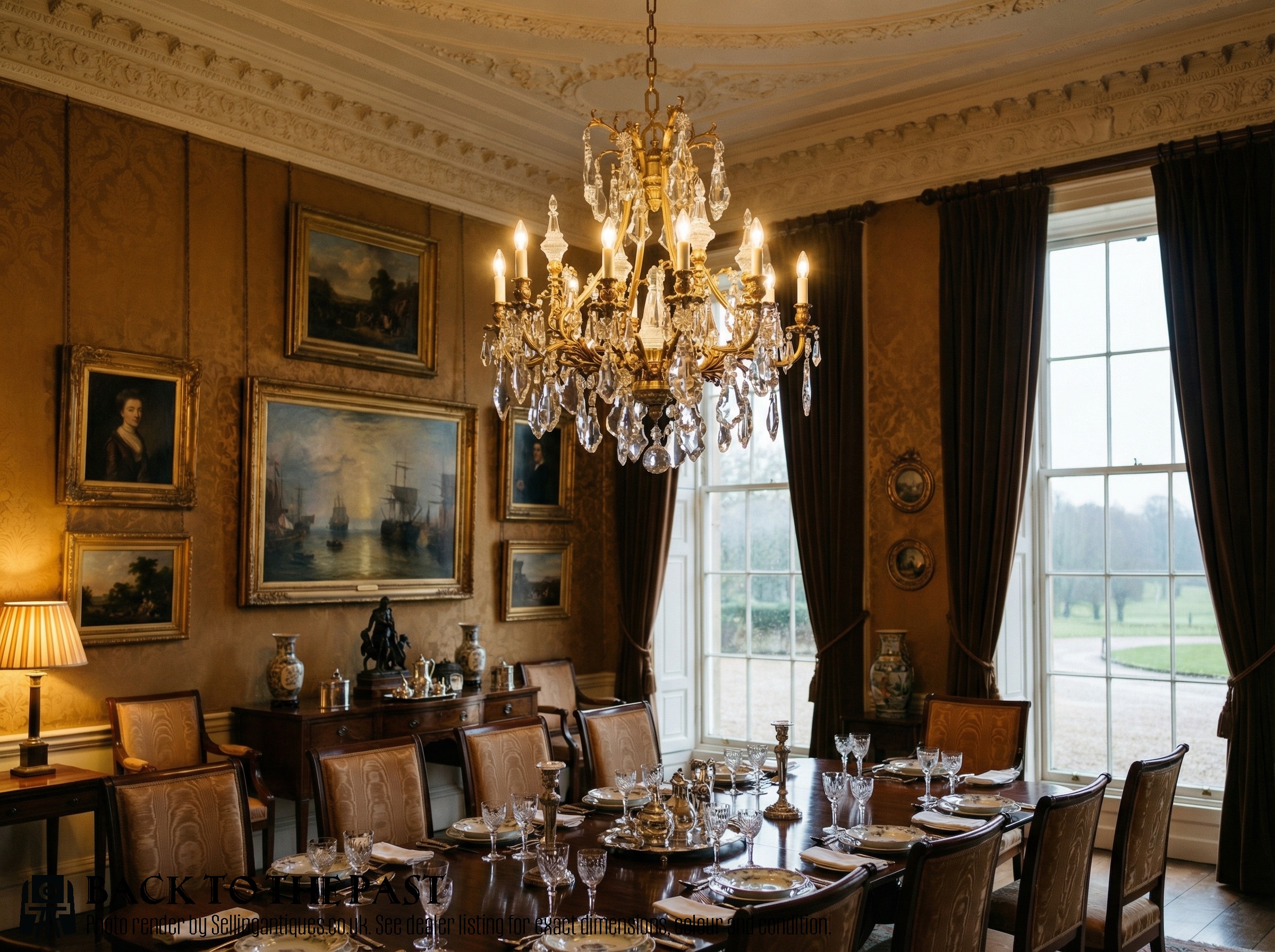
A crystal ceiling light brings together cut glass prisms and metal frames to illuminate a room with refracted candlelight or electric warmth.
Crystal Ceiling Light
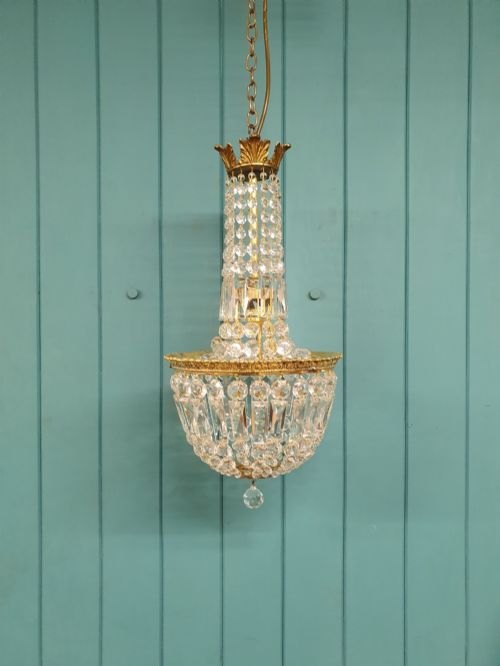
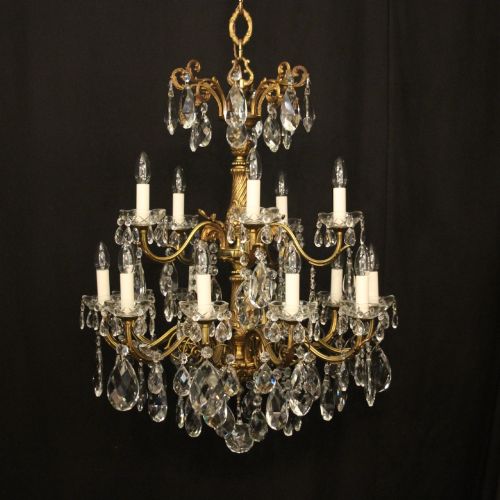
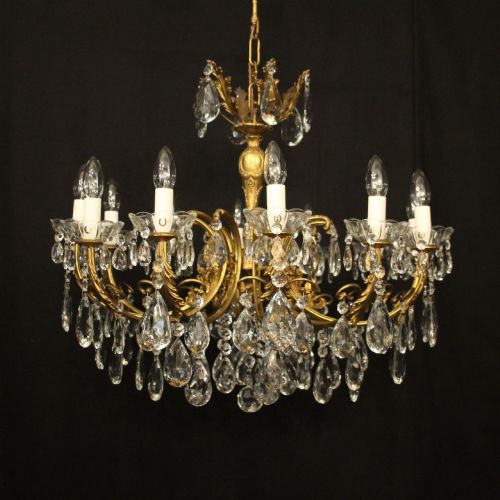
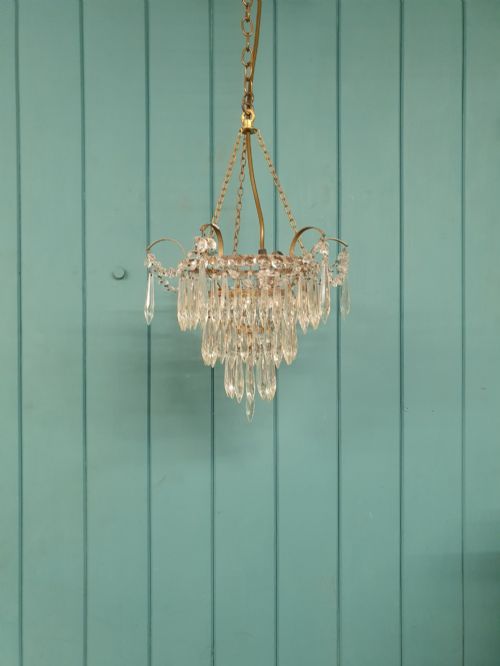
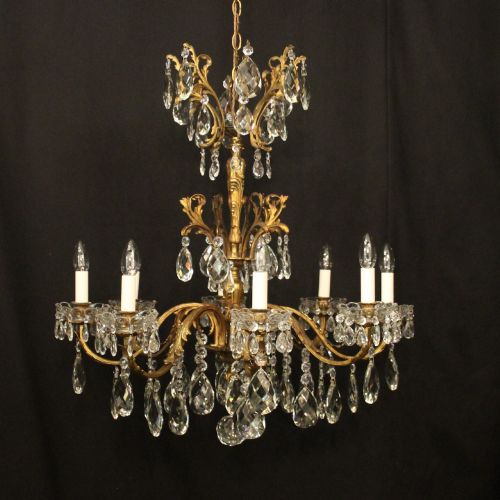
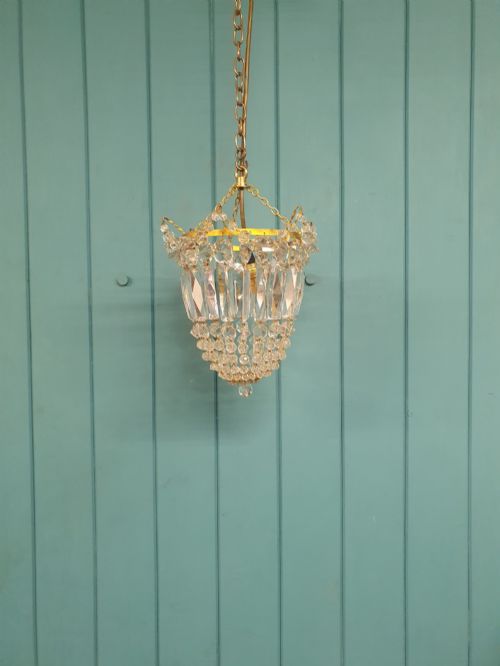
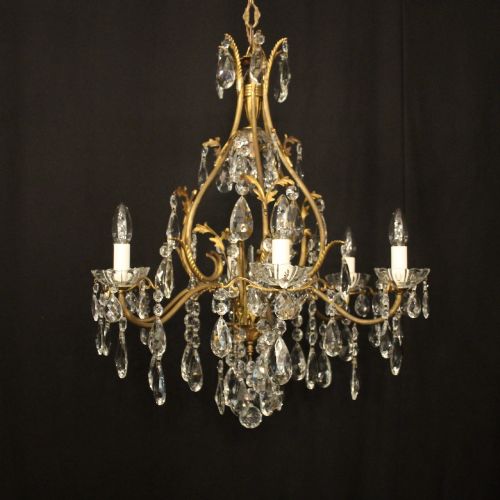
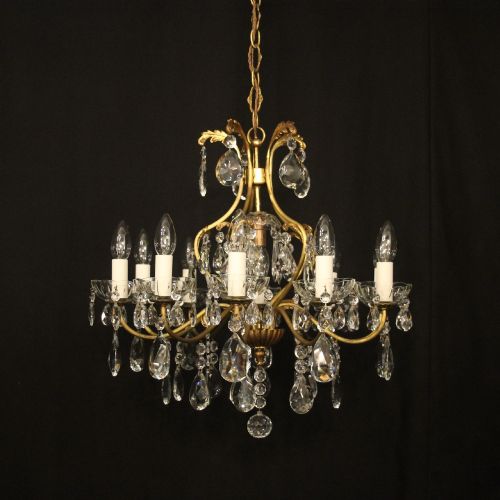
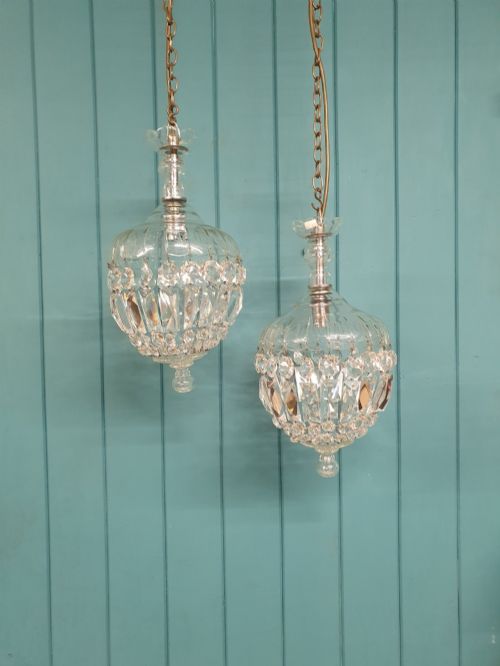
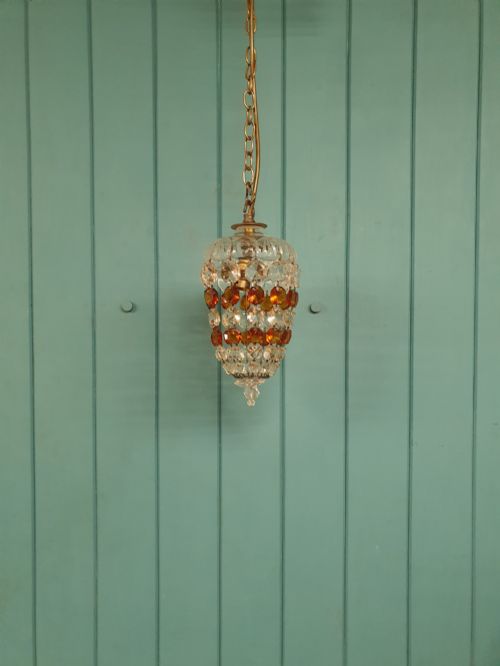
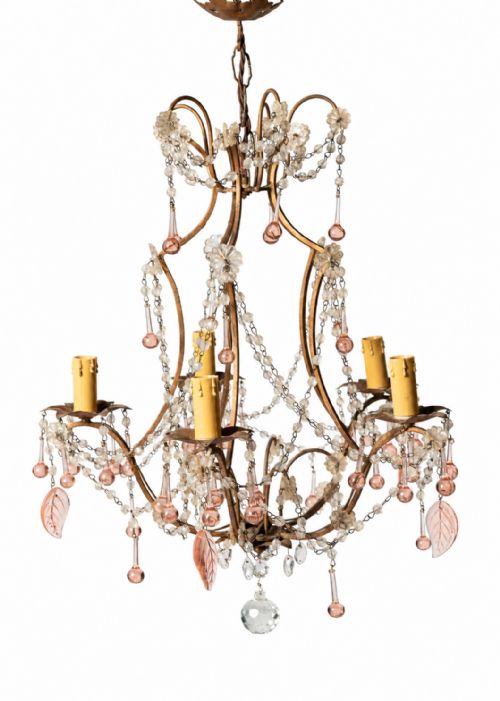
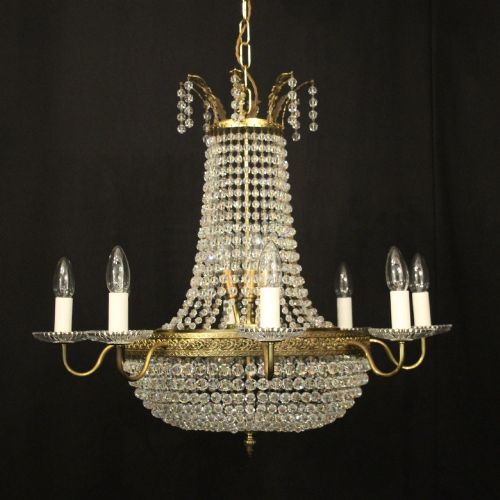
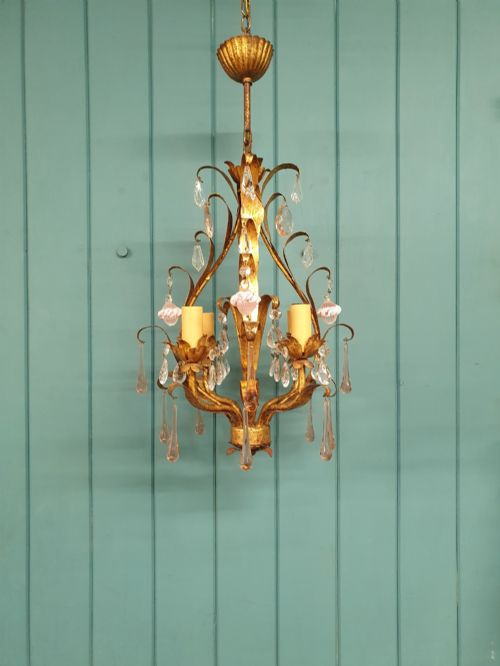
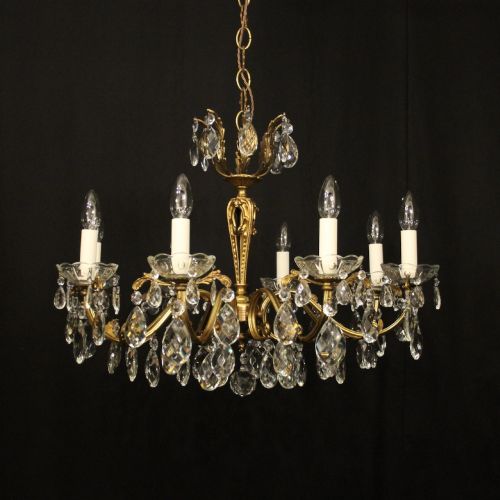
A crystal ceiling light searches out hanging fixtures designed to catch and scatter light through glass drops, beads, and lustres. The selections span substantial multi-arm chandeliers and compact flush-mounted plafonniers originating from the late nineteenth century into the nineteen-thirties.
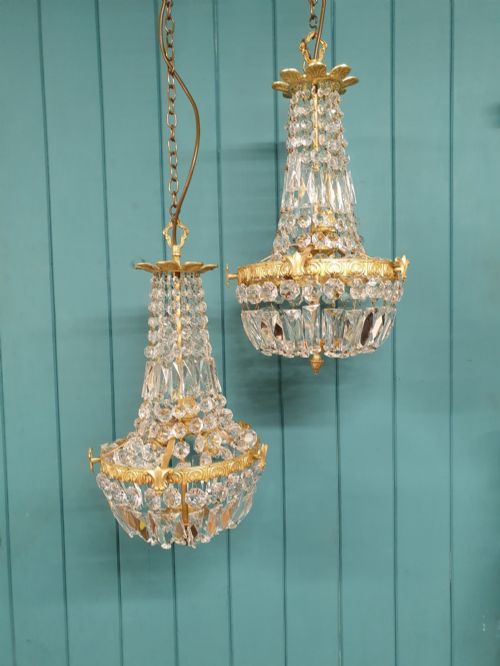
French and Italian workshops dominate the available forms, ranging from elaborate tent and waterfall chandeliers to simple single-light pendants and basket fixtures. Edwardian English cut glass bowls and domes also appear frequently among the flush ceiling fittings.
The aesthetic vocabulary draws heavily on French Empire, Louis Revival, and Rococo styles alongside Italian Florentine interpretations. Many examples incorporate decorative metalwork such as gilt bronze, brass, or spelter frames supporting the crystal elements.
Materials and Construction
The structural framework relies predominantly on cast and spun brass, gilt metal, and bronze, providing a rigid armature for the glass elements. These metal frames often feature surface gilding or silvering to enhance the reflective quality of the overall fixture.
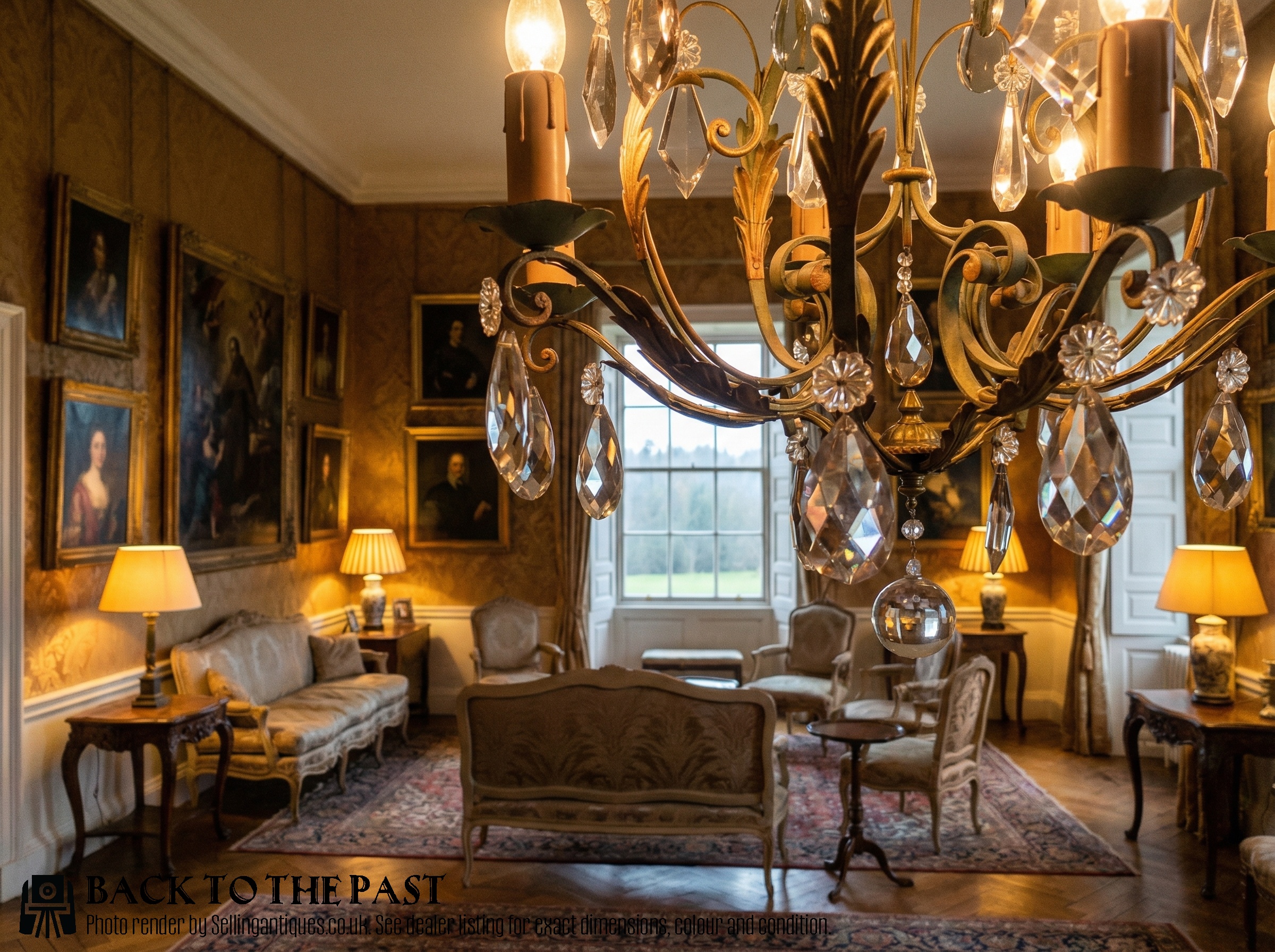
Hanging components utilise cut glass, crystal, and crystal glass shaped into prisms, lustres, beads, and pendants. Artisans wired these glass pieces to the metal frames using metal pins or loops, allowing the individual crystals to move and refract ambient light.
Crystal Ceiling Light Retail Price Guide 2026
Typical asking prices for crystal ceiling light among the pieces listed under this phrase on Sellingantiques today, from the lower quarter to the upper quarter. They describe what is for sale here now, not the wider market.
Spelter cherubs occasionally guard the upper tiers of nineteen-thirties chandeliers, holding cut glass spikes aloft.
Judging Quality
Quality reveals itself in the depth of hand-cut facets on the crystal and the crispness of detail in the metal casting. Superior pieces display sharp, clean refraction through high-clarity glass alongside finely chased bronze or brass armatures.
The structural integration of the design separates standard production from exceptional work, particularly in the density and arrangement of the crystal drops. Elaborate frames with integrated porcelain flowers, gilt cherubs, or multi-tiered tent formations demonstrate higher levels of artisanal elaboration.
The Crystal Ceiling Light Glossary
- Plafonnier
- A ceiling light fixture that mounts flush or close to the ceiling surface rather than hanging on a long chain. These often feature glass domes or bowls held by metal galleries.
- Lustre
- A cut glass pendant or hanging prism suspended from a chandelier to refract light. They appear in various shapes including spikes, tears, and coffin prisms.
- Tent and waterfall
- A chandelier configuration where strings of crystals form an upper canopy resembling a tent, cascading down into a wider bowl or ring of lights below.
- Gilt bronze
- Copper alloy cast and coated with a thin layer of gold, frequently utilised in French Empire and Louis Revival lighting frames.
- Spelter
- An alloy of zinc and lead used as a cheaper substitute for bronze in decorative figures like cherubs attached to light fixtures.
Crystal Ceiling Light: Frequently Asked Questions
How do I clean a crystal ceiling light?
Maintenance involves wiping individual glass components with a mild cleaning solution while the fixture remains securely hung. Dismantling the crystals is rarely necessary if you clean them in place with a soft cloth and gentle glass cleaner.
Care must be taken around old metal frames and electrical components to avoid moisture damage. Ensuring the power is switched off before cleaning protects both the wiring and the person working on the fixture.
Are these lights rewired for modern use?
Many examples in the archive feature modern rewiring to comply with contemporary electrical standards while retaining their historic frames. Original fittings sometimes require updating to ensure safe operation in modern domestic settings.
Checking the internal wiring status before installation is standard practice for antique lighting. Professional rewiring preserves the exterior aesthetic whilst providing safe connectivity.
What is the difference between a chandelier and a plafonnier?
A chandelier suspends from the ceiling by a chain, cord, or rigid rod, featuring multiple arms or tiers designed to project light outward. They suit rooms with high ceilings where the fixture can hang as a central focal point.
A plafonnier mounts flat against the ceiling surface, making it practical for spaces with lower headroom. These fixtures typically enclose the bulbs within a glass bowl or dome held by a metal gallery.
How do I date a crystal ceiling light?
Dating relies on stylistic clues such as the presence of Edwardian cut glass domes, 1920s French gilt brass frames, or late 19th-century Louis Revival ornamentation. The combination of metal types, mounting hardware, and glass cutting styles points toward specific manufacturing decades.
Archival records show distinct shifts from nineteenth-century Empire and Rococo revivals toward cleaner early-twentieth-century forms. Comparing the metal casting and crystal types against documented periods helps establish a reliable timeline.