
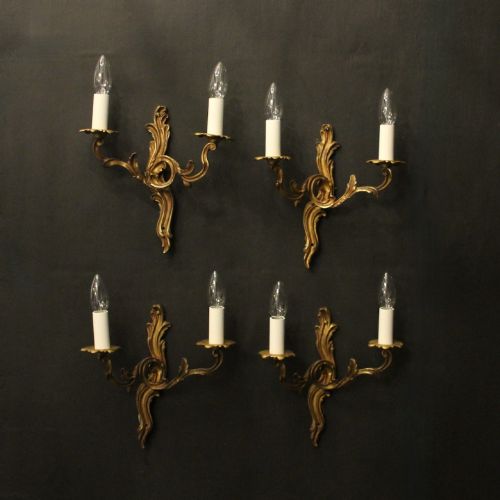


French Brass Lighting
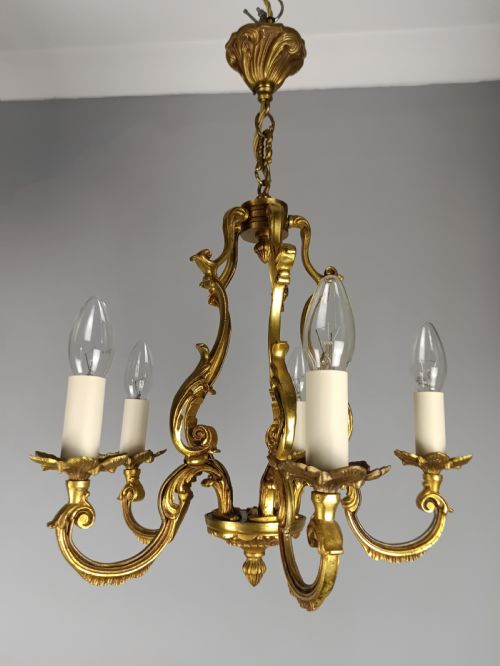
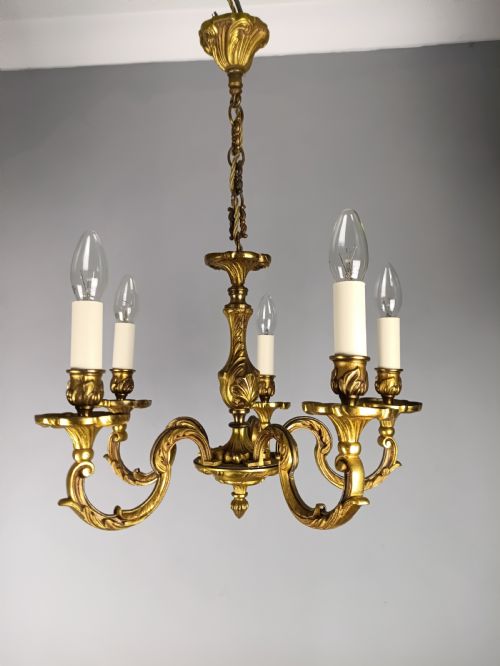
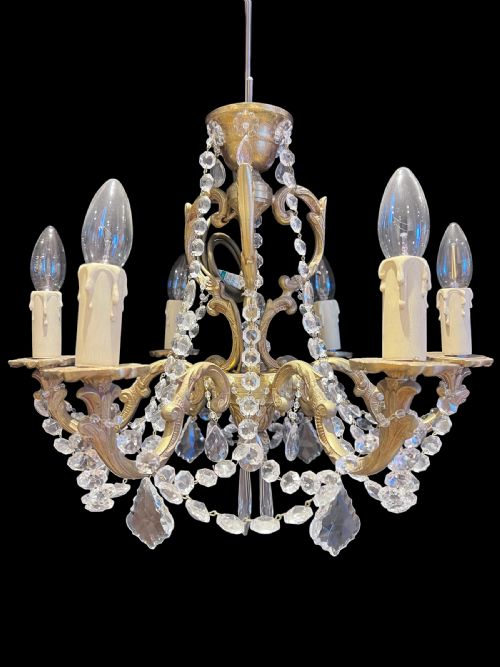
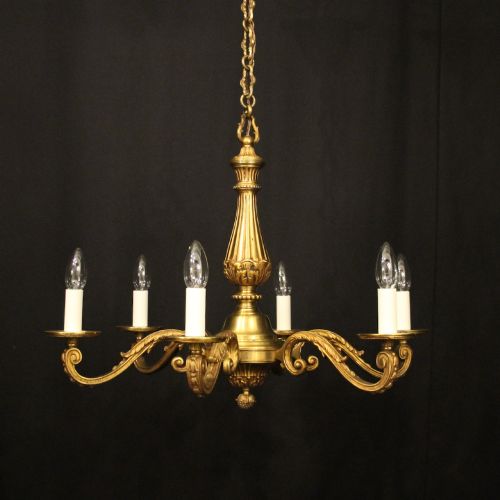
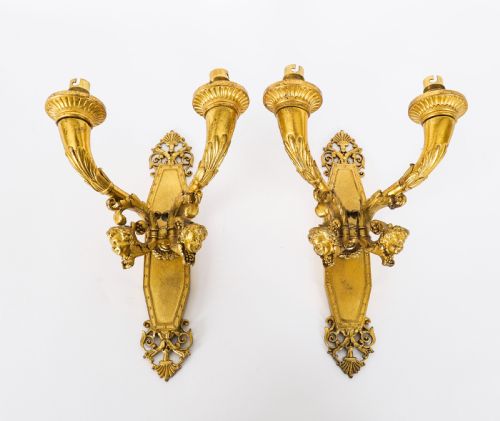
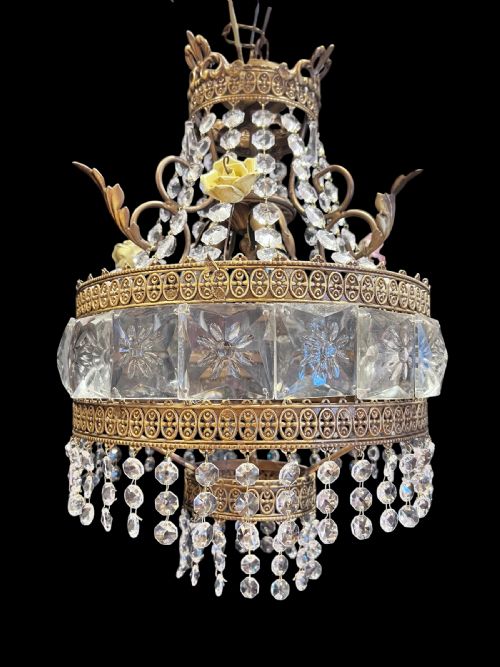
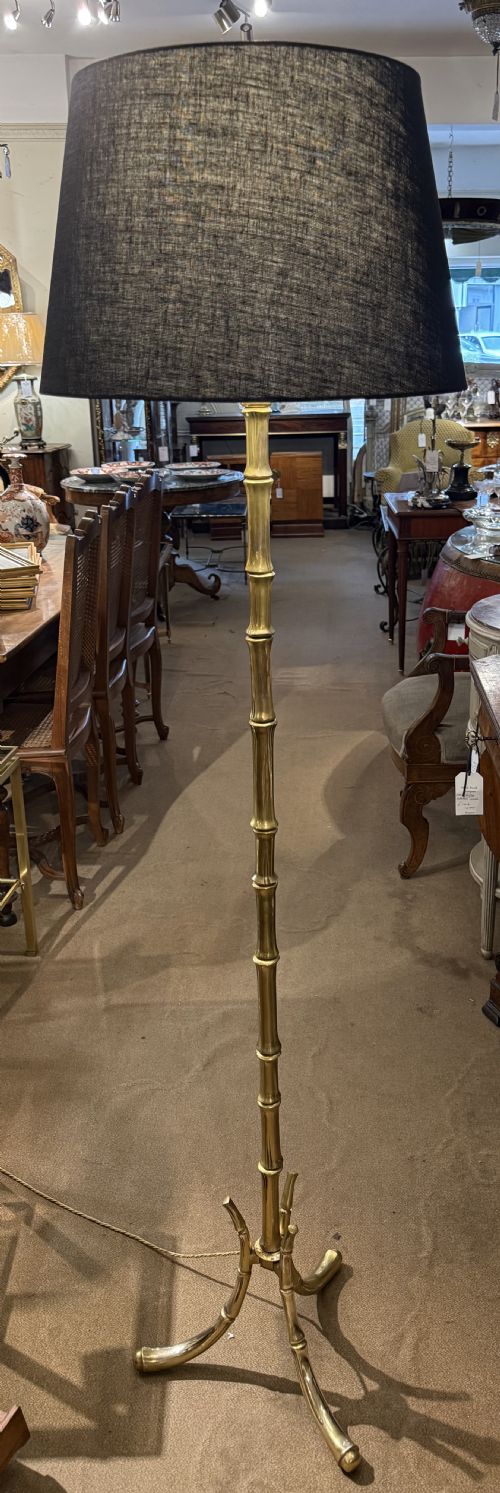
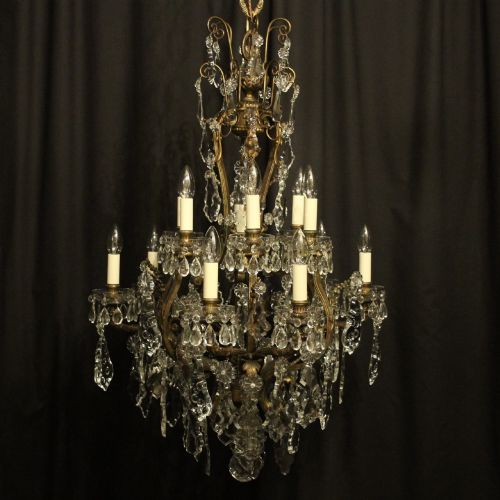
French brass lighting pieces are grand chandeliers in gilt bronze, brass and bronze that bring warmth and continental elegance to any room.
Understanding French brass lighting
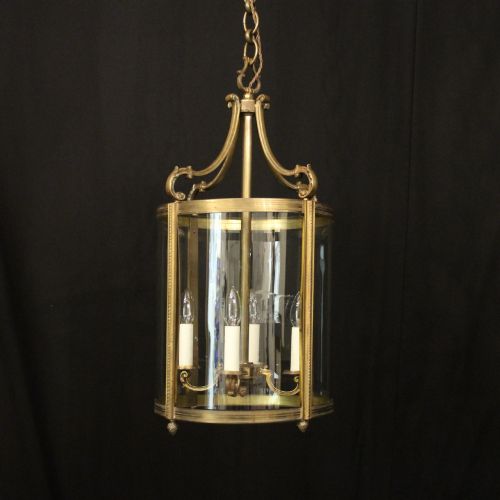
When you search for french brass lighting, you encounter chandeliers originating from France across the nineteenth century and into the early twentieth century. These fixtures serve as overhead focal points designed to illuminate high-ceilinged rooms with multiple candle or bulb branches.
The pieces on this page span several decades, featuring items from the nineteenth century alongside examples dated around 1920 and 1930. The forms predominantly manifest as multi-light chandeliers configured with four, five, eight, or twelve lights.
Stylistically, these items draw upon historical French design traditions, including French Louis XVI, French Rococo, French Neoclassical, Rococo Revival, and French Chateau aesthetics. Buyers most frequently meet cast brass and gilt bronze configurations that reflect these ornate historical styles.
Materials and construction
The fabrication of these fixtures relies heavily on metalworking techniques such as casting brass and bronze, often enhanced with applied gilding. Craftsmen utilised gilt bronze and gilded bronze to achieve a rich, reflective surface finish across the metal armature.
In addition to cast metal components, certain designs incorporate frosted glass elements to diffuse the illumination from the internal light sources. The structural integrity depends on heavy metal casting, allowing elaborate arms to support multiple lights securely.
Retail Price Guide 2026
Typical UK retail prices for french brass lighting, calculated from the Sellingantiques database of over a million retail prices indexed since 2003. This retail price guide relies exclusively on Sellingantiques data; no external sources or auction records are used, so the figures do not describe the wider market.
Some of these weighty metal fixtures boast up to twelve lights, practically guaranteeing a dramatic shadow play on your ceiling when illuminated.
Distinctions in quality
Quality in these chandeliers is determined by the crispness of the metal casting and the depth of the finish, whether in gilt bronze, brass, or bronze. Finer examples display intricate chased detailing along the arms and central stems that softer castings lack.
The scale and ambition of the piece also dictate its standing, with larger twelve-light configurations and sophisticated stylistic adherence to French Louis XVI or Rococo Revival canons representing the upper tier of manufacture.
The French Brass Lighting Glossary
- Gilt bronze
- Bronze that has been coated with a thin layer of gold or gold-coloured alloy. This technique provides a durable and luminous metallic surface.
- Chandelier
- A branched decorative ceiling fixture designed to hold multiple lights. These objects distribute illumination across large spaces while serving as architectural ornaments.
- Rococo Revival
- A nineteenth-century style reviving the asymmetrical scrolls and naturalistic motifs of the eighteenth-century Rococo movement. It appears frequently in ornamental metalwork.
- Frosted glass
- Glass that has been acid-etched or sandblasted to create a textured, opaque surface. This material softens light output and reduces glare.
- Louis XVI
- A neoclassical style characterised by symmetry, straight lines, and classical architectural details. French lighting from this tradition exhibits restrained geometric harmony.
Frequently Asked Questions
Where should I hang a large chandelier?
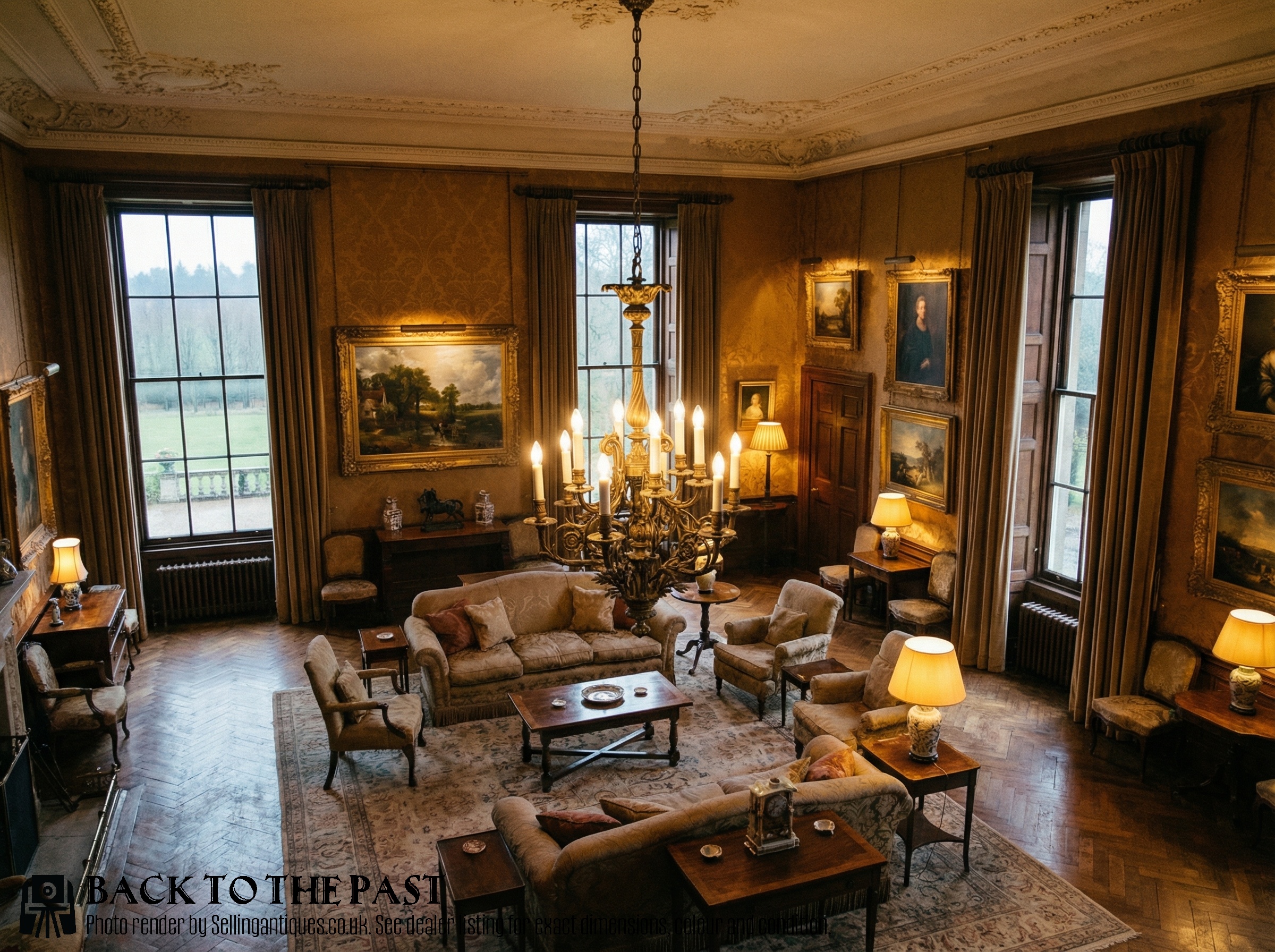
These multi-light fixtures suit high-ceilinged reception rooms, dining areas, or grand entrance halls where their scale can be fully appreciated. Ensure the ceiling structure is capable of supporting the substantial weight of cast bronze and brass.
Consider the clearance beneath the fixture so that it hangs at a functional and aesthetically pleasing height above furniture or open floor space. Professional installation is recommended for heavy antique wiring and mounting.
What styles define these chandeliers?
The aesthetic encompasses French Louis XVI, French Neoclassical, and Rococo Revival influences alongside grand French Chateau designs. These traditions dictate the ornamentation, from symmetrical neoclassical motifs to ornate, flowing scrollwork.
Identifying the style helps date the piece and understand the design vocabulary employed by the original makers during the nineteenth and early twentieth centuries.
How do I date a brass chandelier?
Dating relies on stylistic markers, manufacturing techniques, and material composition such as cast brass or gilt bronze. Pieces from the nineteenth century often display hand-chased details, while early twentieth-century examples from 1920 or 1930 reflect transitional modernist influences.
Examining the construction joints, wiring channels, and metal patina provides further clues to the era of production.