




Multi Arm Chandelier
A multi arm chandelier brings dramatic presence and tiered illumination to a grand room, combining historic weight with glittering refraction.
What these pieces are
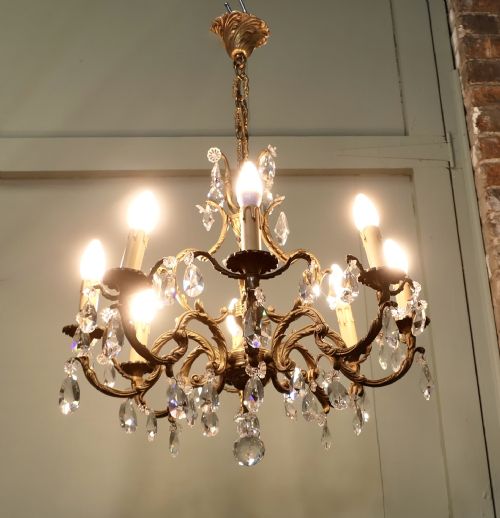
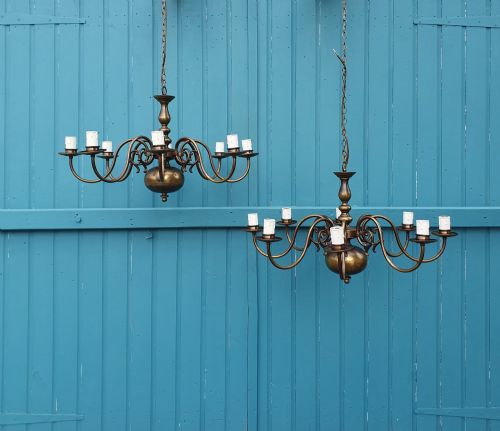
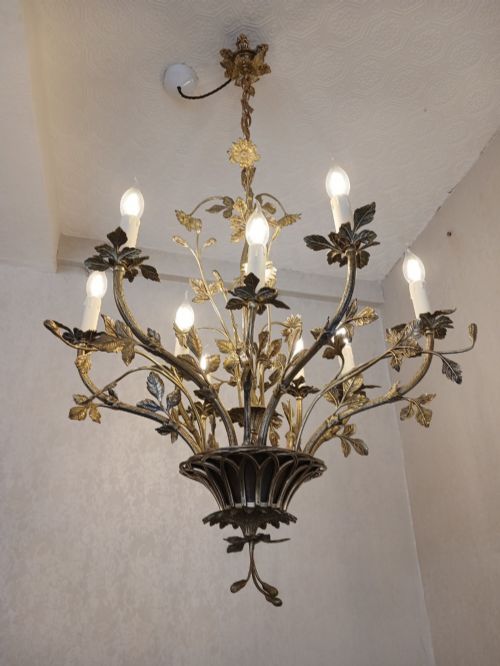
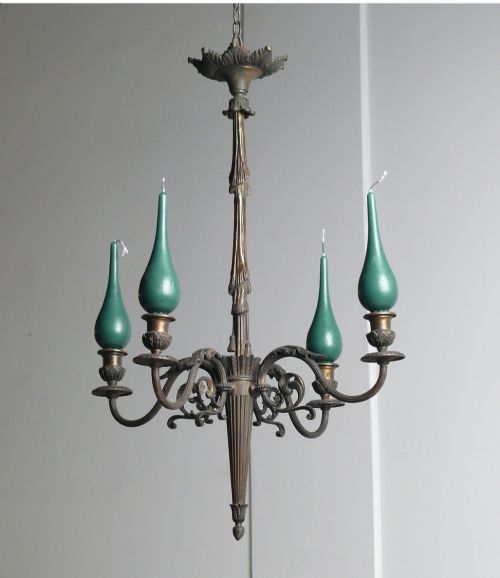
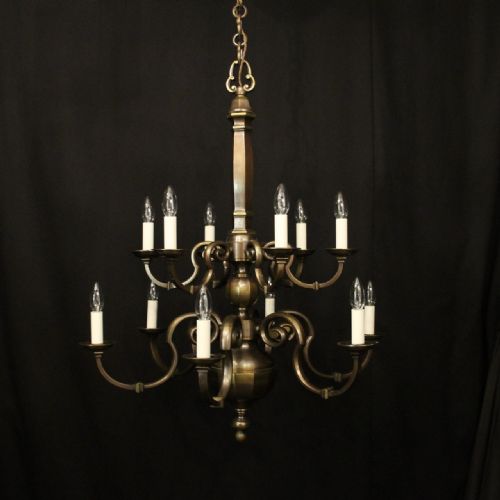
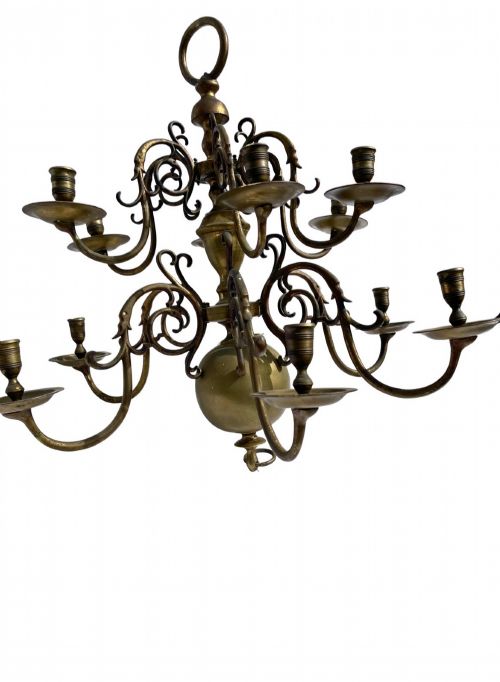
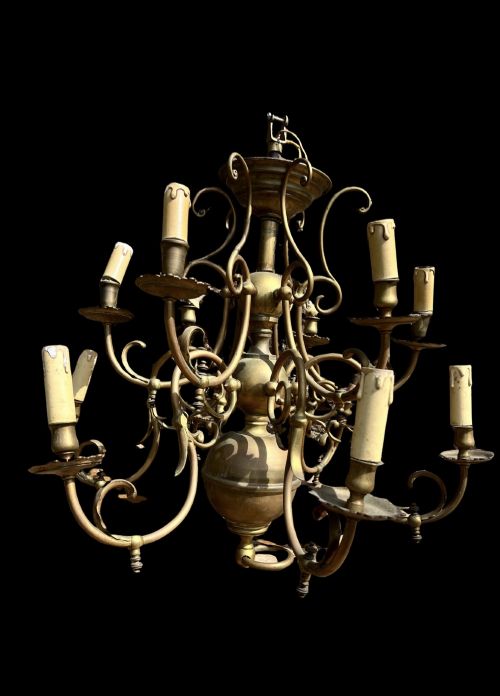
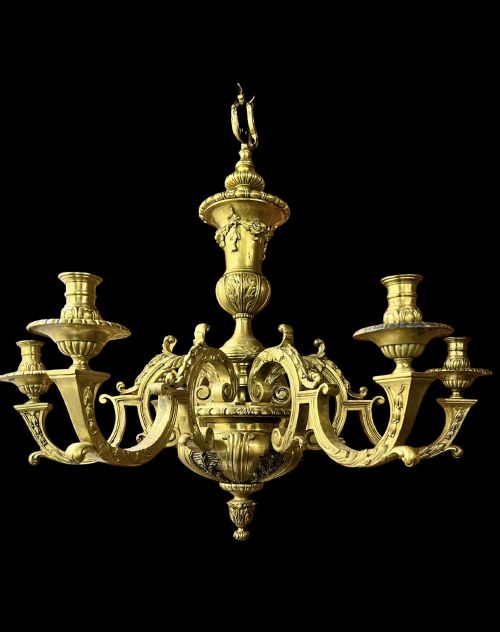
A multi arm chandelier provides overhead lighting through branching arms radiating from a central stem, designed for expansive spaces and high ceilings. When exploring a multi arm chandelier, one encounters substantial fittings originating from the nineteenth century up to nineteen thirty. The selection spans distinct aesthetic revivals and regional interpretations, featuring Dutch Baroque Revival, French Chateau, Victorian, and Italian Baroque Revival styles.
The pieces listed on this page encompass various configurations, ranging from a large English cut glass and crystal antique chandelier to a multi-light Italian brass fixture. These objects serve as central architectural focal points in a room, drawing the eye upward while casting diffuse light across large interiors. Each example reflects the prevailing interior taste of its decade, from the robust metalwork of the late nineteenth century to silvered finishes of the interwar period.
How they were made
Maker construction relies on heavy structural metals such as brass, silvered metal, and general metal alloys to form the central stems and branching arms. These metallic skeletons support significant weight, requiring robust engineering to anchor multiple candle or bulb holders securely in place.
Glass elements are integrated through intricate hand-cutting and moulding, utilising crystal and cut glass components that drape from the metal frames. These transparent pendants and bobeches refract light through multifaceted surfaces, demonstrating period craftsmanship in glass manipulation.
Retail Price Guide 2026
Typical UK retail prices for multi arm chandelier, calculated from the Sellingantiques database of over a million retail prices indexed since 2003. This retail price guide relies exclusively on Sellingantiques data; no external sources or auction records are used, so the figures do not describe the wider market.
The listings on this site encompass periods from eighteen eighty up to nineteen thirty, featuring brass, crystal, and cut glass.
What varies in quality
Quality rests in the complexity of the glasswork and the density of the crystal pendants, where sharper facets and higher clarity produce superior light dispersion. Simpler pressed glass yields a softer refraction, whereas deeply cut crystal creates brilliant prismatic effects across a ceiling.
The weight and finish of the underlying metal framework separate robust productions from lighter alternatives, with cast brass and finished silvered metal offering enduring structural integrity. The articulation of the branching arms and the harmony of the proportioned tiers dictate the overall visual elegance of the fixture.
The Multi Arm Chandelier Glossary
- Crystal
- High-purity glass containing lead oxide, which increases weight, clarity, and the dispersion of light into spectral colours.
- Cut Glass
- Glass decorated by grinding and polishing facets into the surface, creating sharp edges that catch and reflect illumination.
- Bobeche
- A small saucer-like dish fitted beneath a candle nozzle or light point to catch dripping wax and hold hanging pendants.
- Dutch Baroque Revival
- A decorative style referencing seventeenth-century Dutch forms, characterised by heavy scrolling metal arms and voluminous proportions.
- Silvered Metal
- A base metal treated with a silver coating to provide a reflective surface finish without the full weight of solid silver.
Frequently Asked Questions
How do I clean a multi arm chandelier?
Dust the structure regularly using a soft feather duster or microfiber cloth to prevent buildup on the metal and glass components. For deeper cleaning, apply a gentle glass cleaner to a cloth and wipe individual crystal pendants before drying them thoroughly.
Avoid spraying liquids directly onto the metal frame or electrical fittings to prevent moisture damage. Taking down detachable crystal drops makes thorough cleaning much simpler and safer for the fixture.
What ceiling height do I need?
These large fixtures require substantial vertical space to hang properly without obstructing movement underneath. Rooms with high ceilings allow the multi-tier design to be appreciated from below.
Allow sufficient clearance between the lowest point of the chandelier and the floor or furniture beneath it. Placing one over a dining table or in a central hallway provides a clear spatial anchor.
How do I date an antique chandelier?
Examine the metal casting techniques, screw threads, and wiring channels to determine the manufacturing period. Older pieces often feature hand-cut crystal drops and heavy cast brass arms indicative of nineteenth-century production.
Compare the stylistic motifs, such as Baroque Revival scrolls or Victorian proportions, with documented pieces from the same era. Material choices like silvered metal also point toward specific decades of popularity.
Can I convert these for modern bulbs?
Most historic fixtures have been adapted over time to accommodate standard electrical wiring rather than original candles. Professional electricians can easily install modern candle-style LED bulbs that mimic the warm glow of historic lighting.
Ensure the internal wiring is inspected by a qualified professional before hanging a heavy antique fixture. Proper electrical updates keep the historic metalwork safe for daily residential use.