

Traditional Glass Chandelier
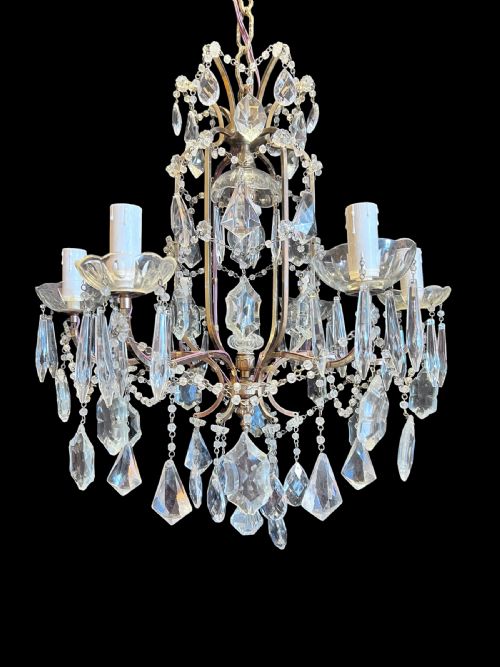
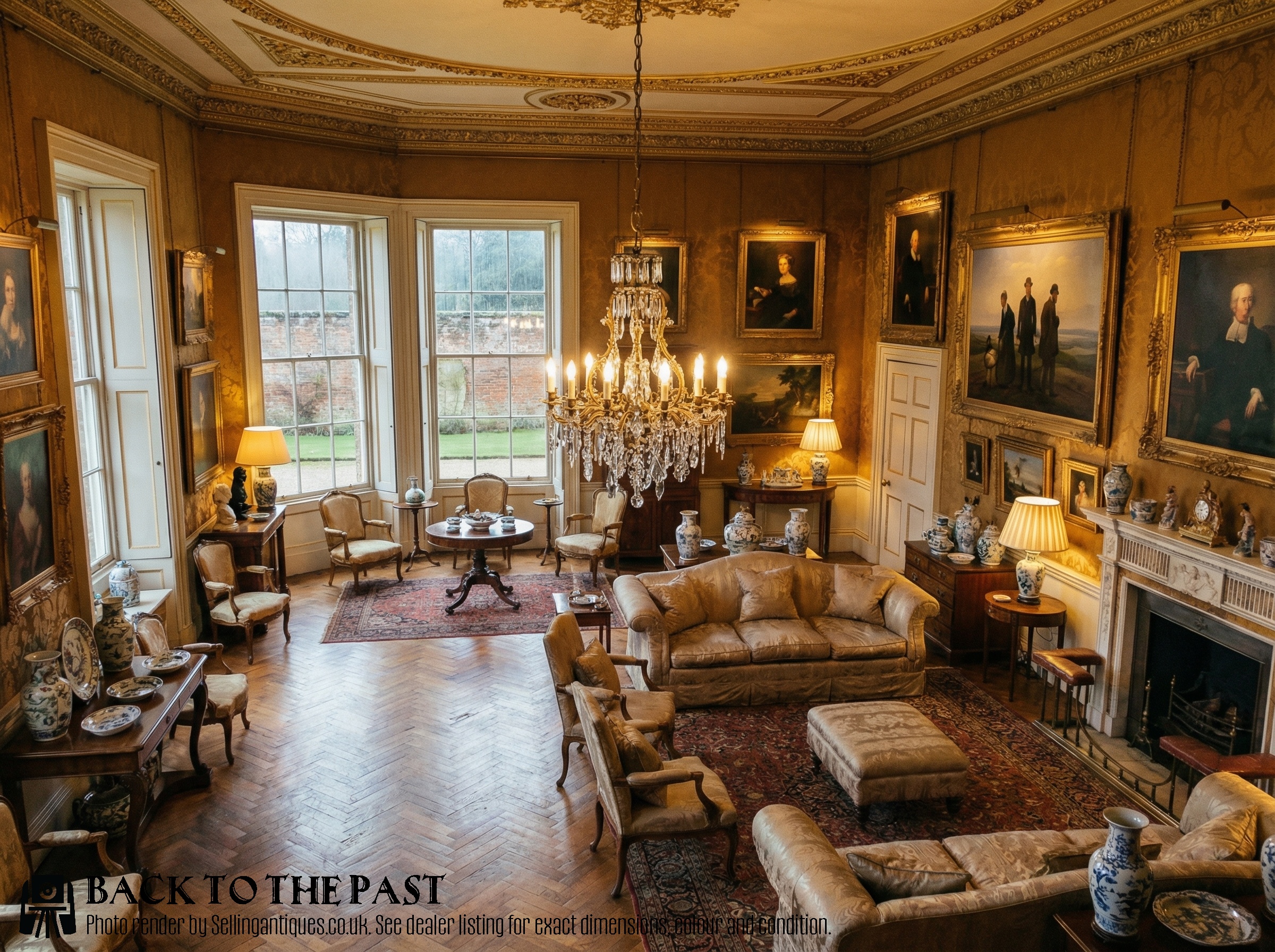
A traditional glass chandelier brings unmistakable gravity and refraction to a room, casting complex light through assembled prisms and arms.
Identifying the Pieces
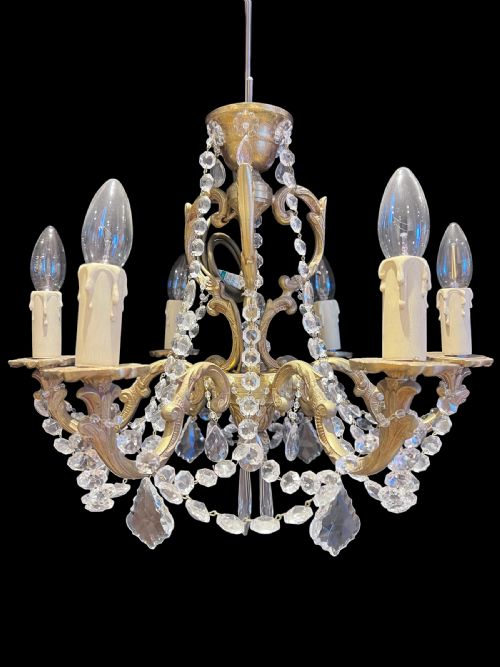
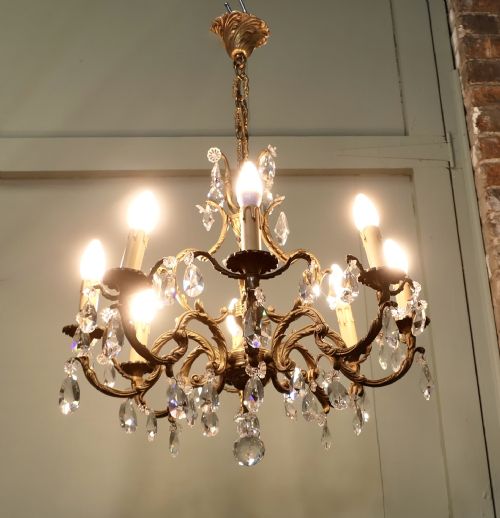
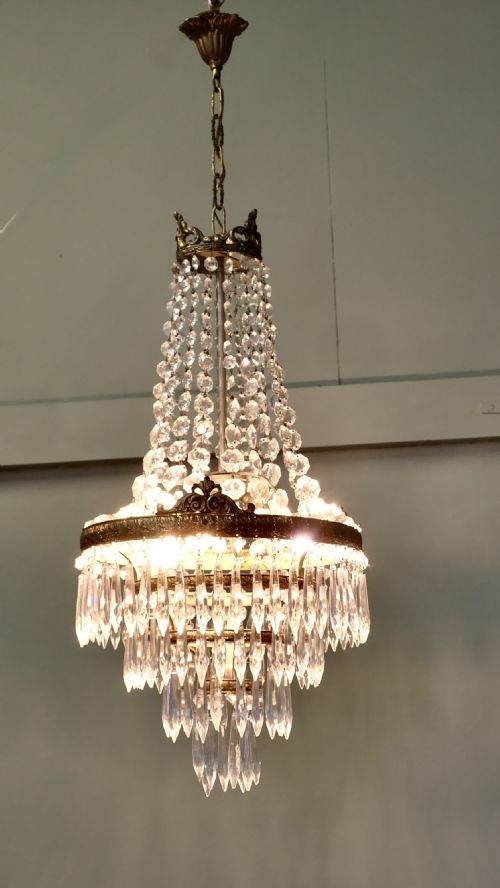
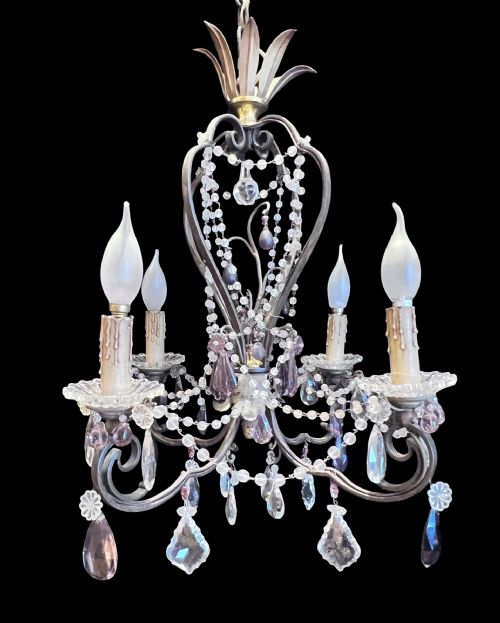
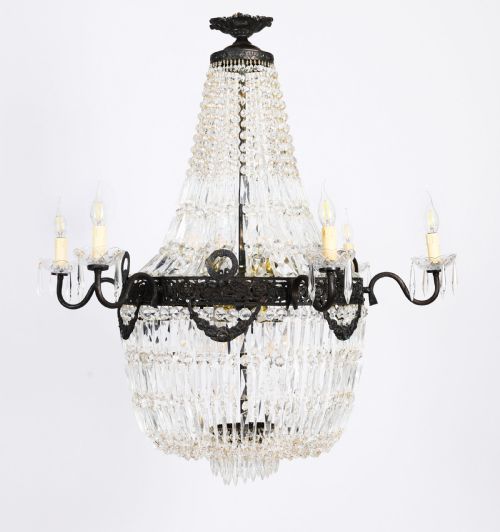
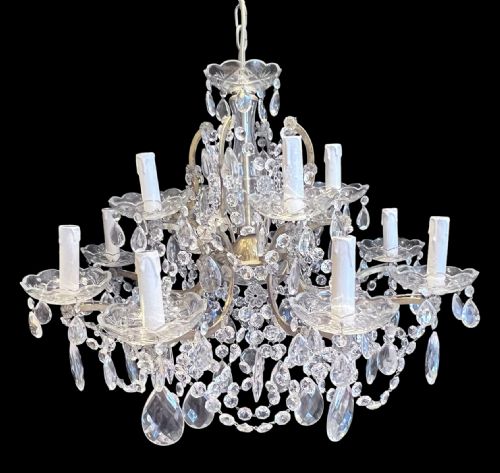
A traditional glass chandelier offers the heavy presence of cut glass, crystal, and lead crystal suspended from metal frames. These ceiling lights arrive from the nineteenth century, 1890, 1900, and 1930.
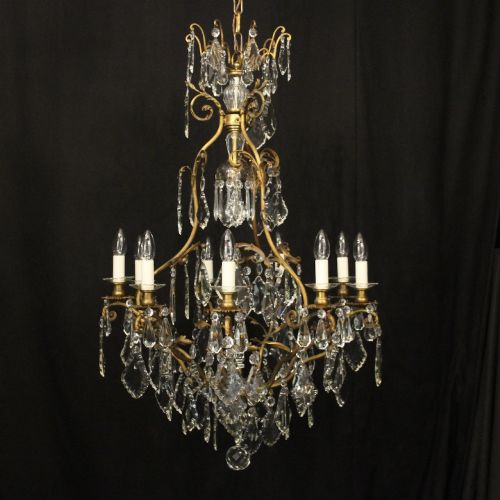
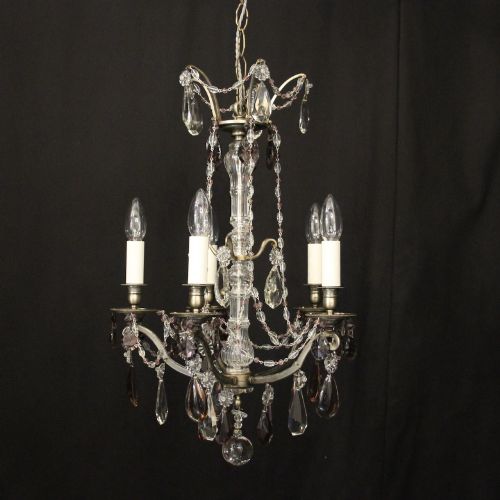
The forms seen here include twelve-arm and six-light configurations alongside large spike chandeliers. French Chateau, French Classical, Regency, and Victorian styles dominate the selection.
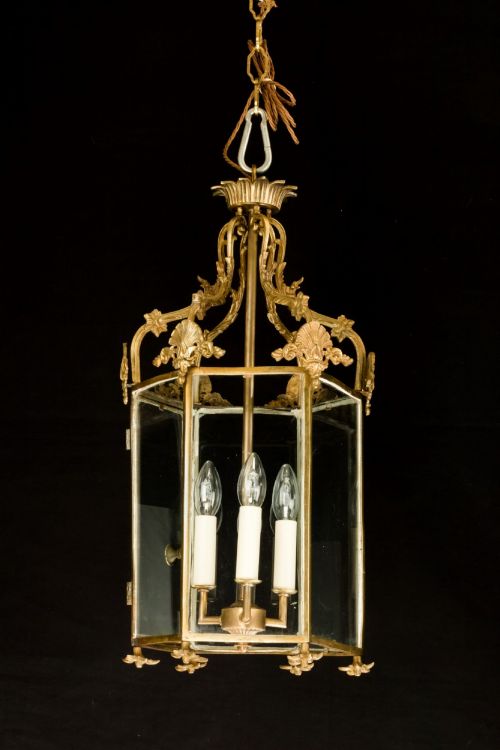
Buyers examining a traditional glass chandelier encounter works originating from English and French traditions. The structural metalwork relies on brass, silvered metal, and gilded bronze to support the glass bodies.
Materials and Construction
Makers constructed these fixtures using robust armatures of brass, silvered metal, and gilded bronze. These metal spines support multi-light arrangements that distribute weight evenly across the ceiling fixture.
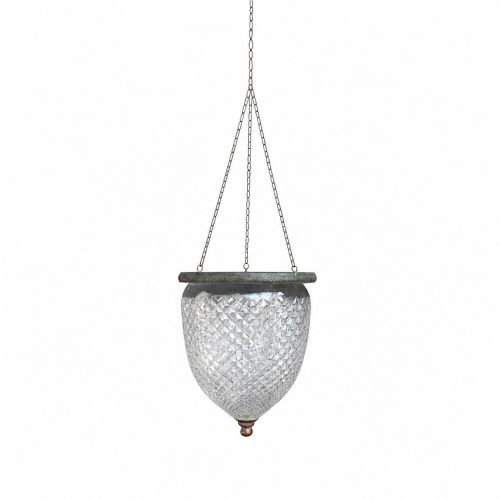
Prisms, drops, and bodies utilise glass, crystal, cut glass, and lead crystal. Artisans cut and faceted these glass elements by hand to maximise the refraction of light from the multiple candle or bulb points.
Retail Price Guide 2026
Typical UK retail prices for traditional glass chandelier, calculated from the Sellingantiques database of over a million retail prices indexed since 2003. This retail price guide relies exclusively on Sellingantiques data; no external sources or auction records are used, so the figures do not describe the wider market.
Twelve arms give a room twelve distinct excuses to throw sparkling rainbows across the wallpaper every time the sun shifts.
Assessing Quality
Quality rests in the depth of the glass cutting and the purity of the crystal elements. Richly faceted lead crystal creates sharper light dispersion than plain moulded glass.
The caliber of the metal chassis separates ordinary examples from finer pieces. Heavier gilded bronze and cast brass mounts demonstrate superior foundational construction compared to simpler metal frames.
Baccarat
The Traditional Glass Chandelier Glossary
- Cut glass
- Glass decorated by grinding and polishing facets onto the surface. This technique creates sharp edges that catch and split light.
- Gilded bronze
- Bronze metal coated with a thin layer of gold or gold-colored alloy. It provides a durable and rich finish for structural mounts.
- Lead crystal
- Glass containing lead oxide to increase weight, clarity, and brilliance. It allows for deeper cutting and superior optical dispersion.
- Spike chandelier
- A vertical central pillar design featuring tiered arms and drops. This format projects light outward from a dense central axis.
Frequently Asked Questions
How do I clean a glass chandelier?
Maintenance requires gentle hand-washing of individual glass drops in warm soapy water while supported on a soft towel. Technicians remove each component carefully to protect the aged metal armature underneath.
Harsh chemical cleaners damage the historic surface of gilded bronze and silvered metal frames. Regular dusting keeps the crystal prisms clear without requiring full disassembly.
What rooms suit a twelve light chandelier?
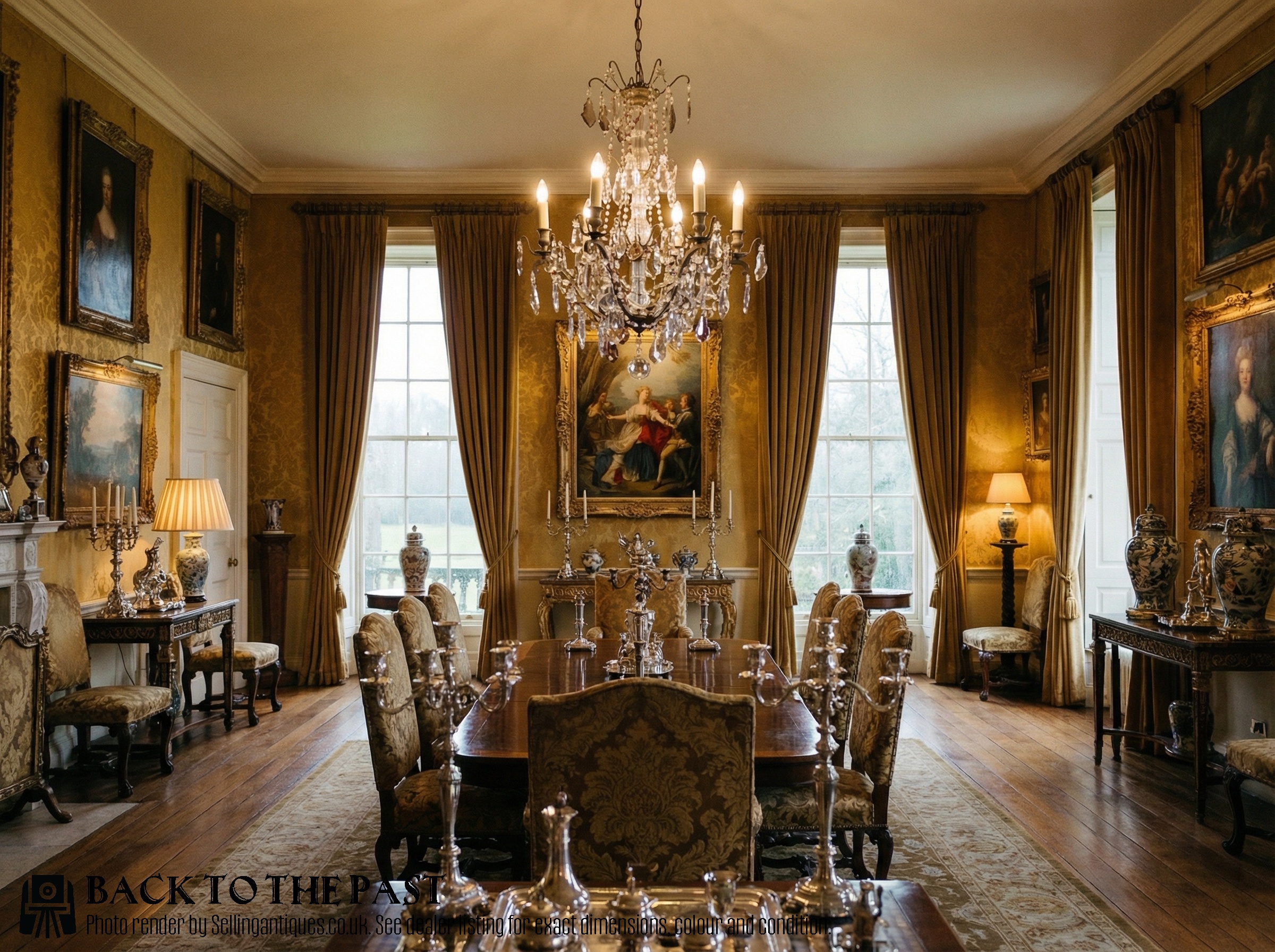
Large spaces with high ceilings provide the necessary clearance and spatial balance for multi-arm fixtures. Dining rooms and grand hallways accommodate the generous spread of light.
Ceiling height dictates the drop length required for safe passage underneath. Proper suspension lets the fixture anchor the room without dominating the floor plan.
How do I date an antique chandelier?
Dating relies on examining the mounting techniques, screw threads, and metal patination. Nineteenth-century examples show hand-finished brass components and distinct hand-cut glass profiles.
Stylistic markers such as Regency or Victorian casting patterns offer further chronological clues. Comparing the armature construction against known period pieces confirms the era of manufacture.
Can these chandeliers use modern electricity?
Most antique fixtures are adapted for modern electrical wiring during restoration work. Qualified electricians inspect internal channels to ensure safe operation with contemporary bulbs.
Original candle-form sleeves are typically retained to preserve the historic aesthetic. Careful rewiring protects the fragile glass and metal components during daily use.