


19th Century Chandelier
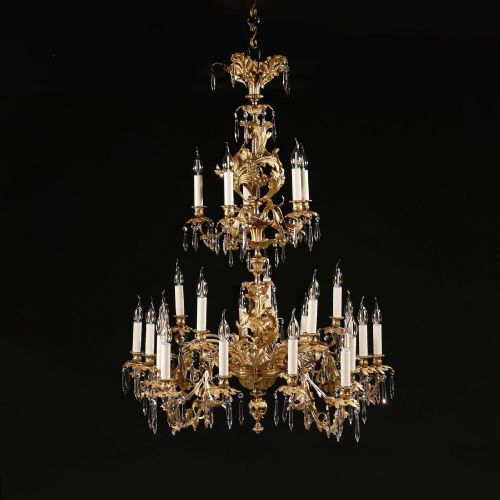
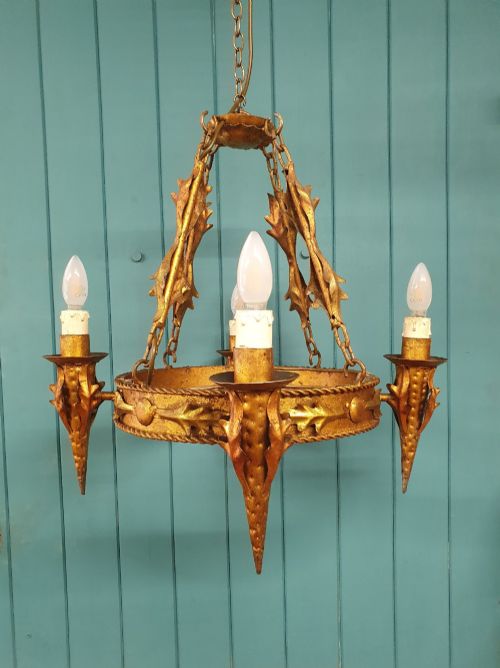
When choosing a 19th century chandelier, you select from elaborate French bronze designs, heavy Gothic brass fixtures, and glittering crystal creations that once illuminated historic rooms.
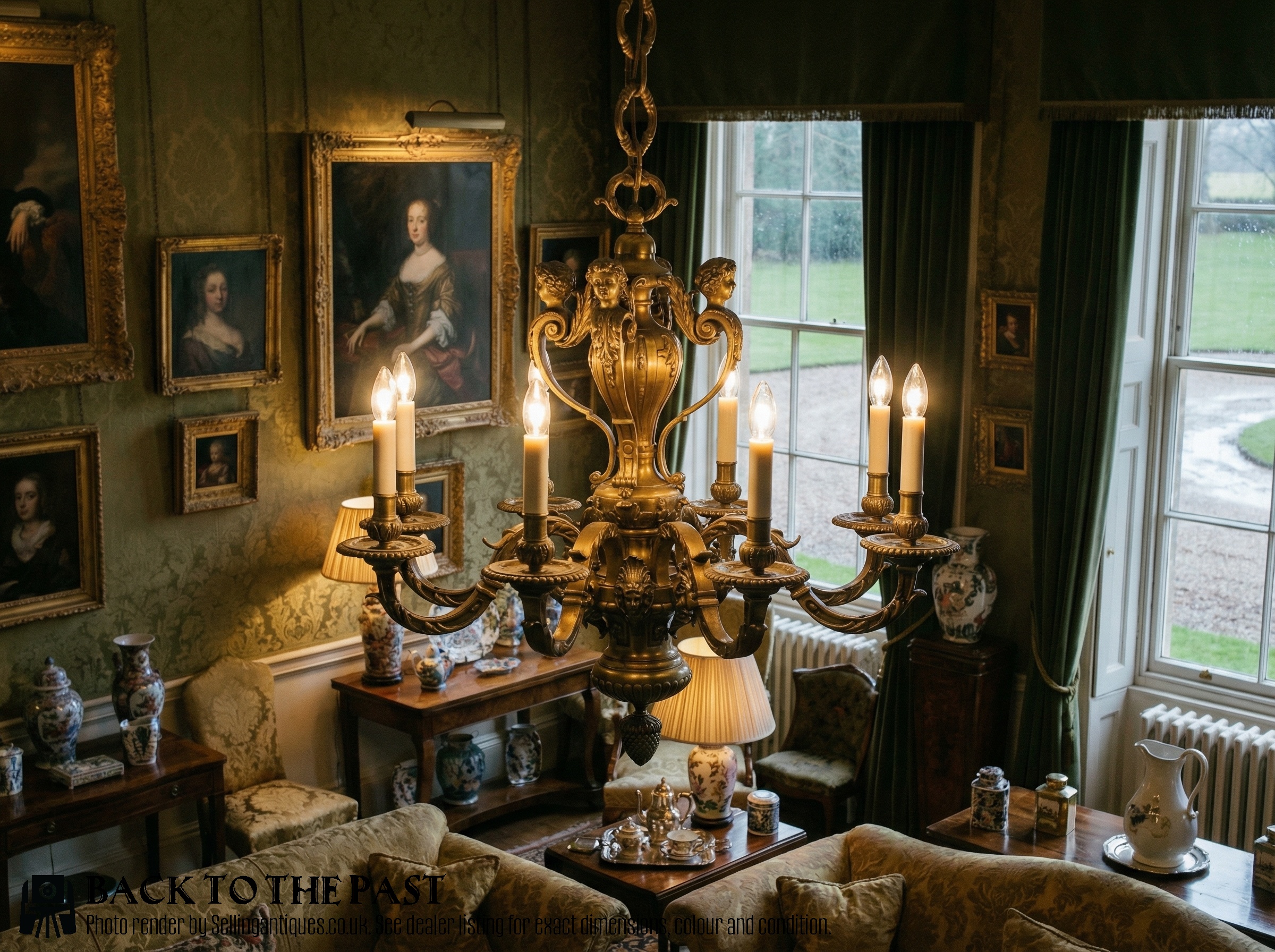
19th Century Chandelier
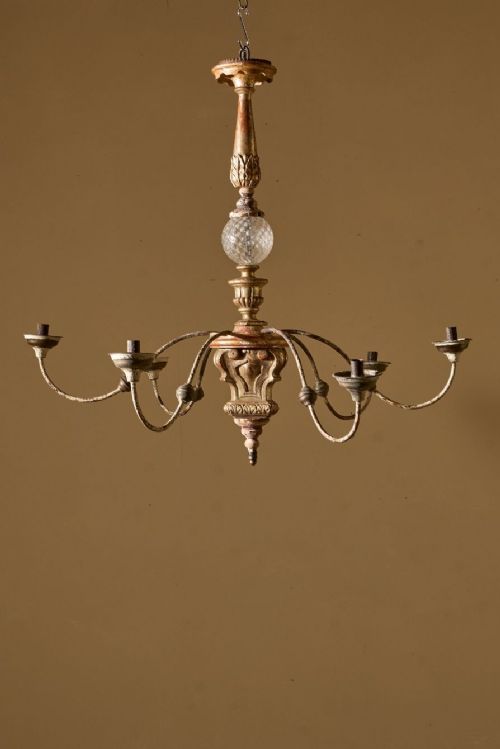
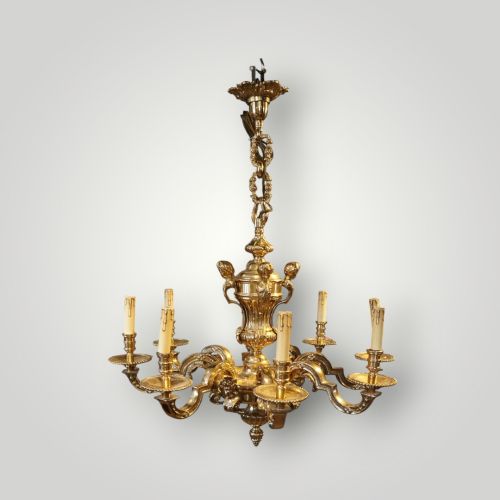
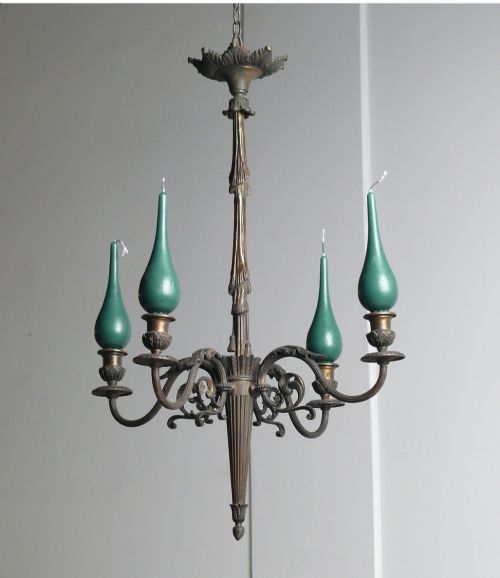
A 19th century chandelier encompasses a wide range of overhead lighting fixtures, from simple brass frames to large multi-armed creations. The selection frequently includes French examples influenced by Rococo, Empire, and Louis XVI styles.
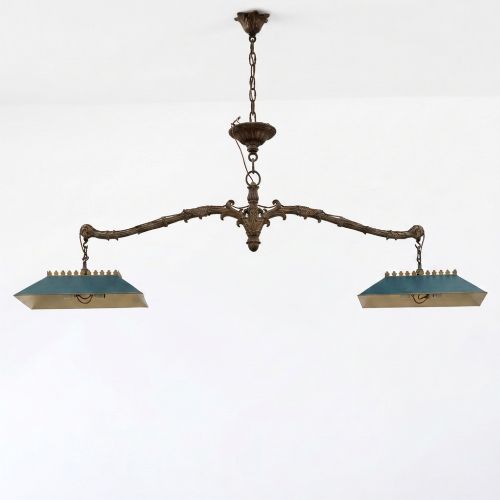
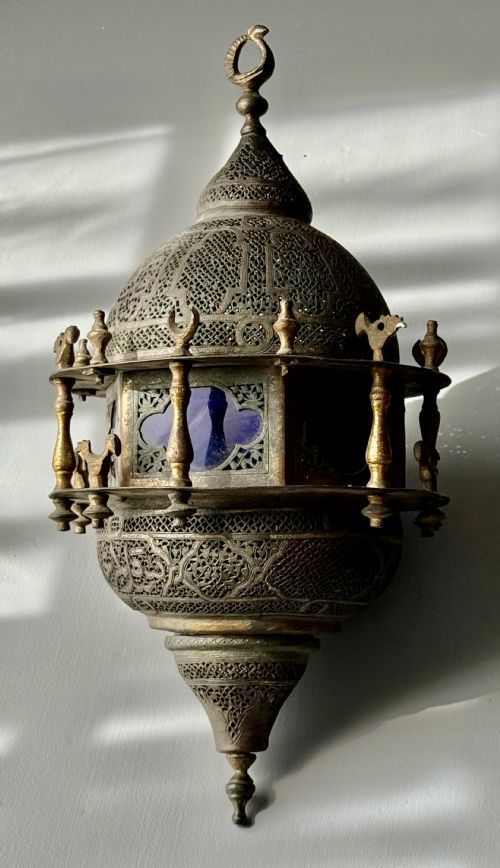
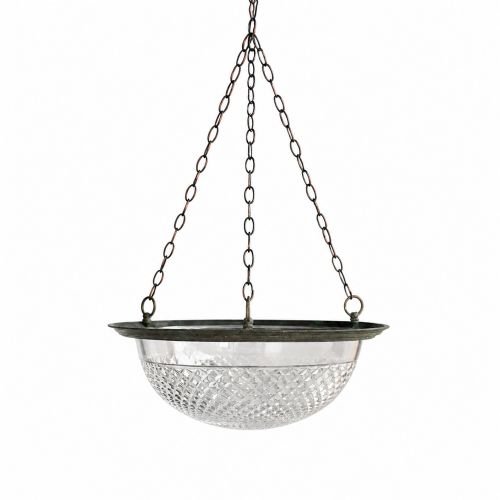
Beyond standard ceiling fixtures, the period forms incorporate specialised lighting like billiard lights, hall lanterns, and wall-mounted components. Many pieces reflect the transition from early candle and gas operation to later electrical wiring.
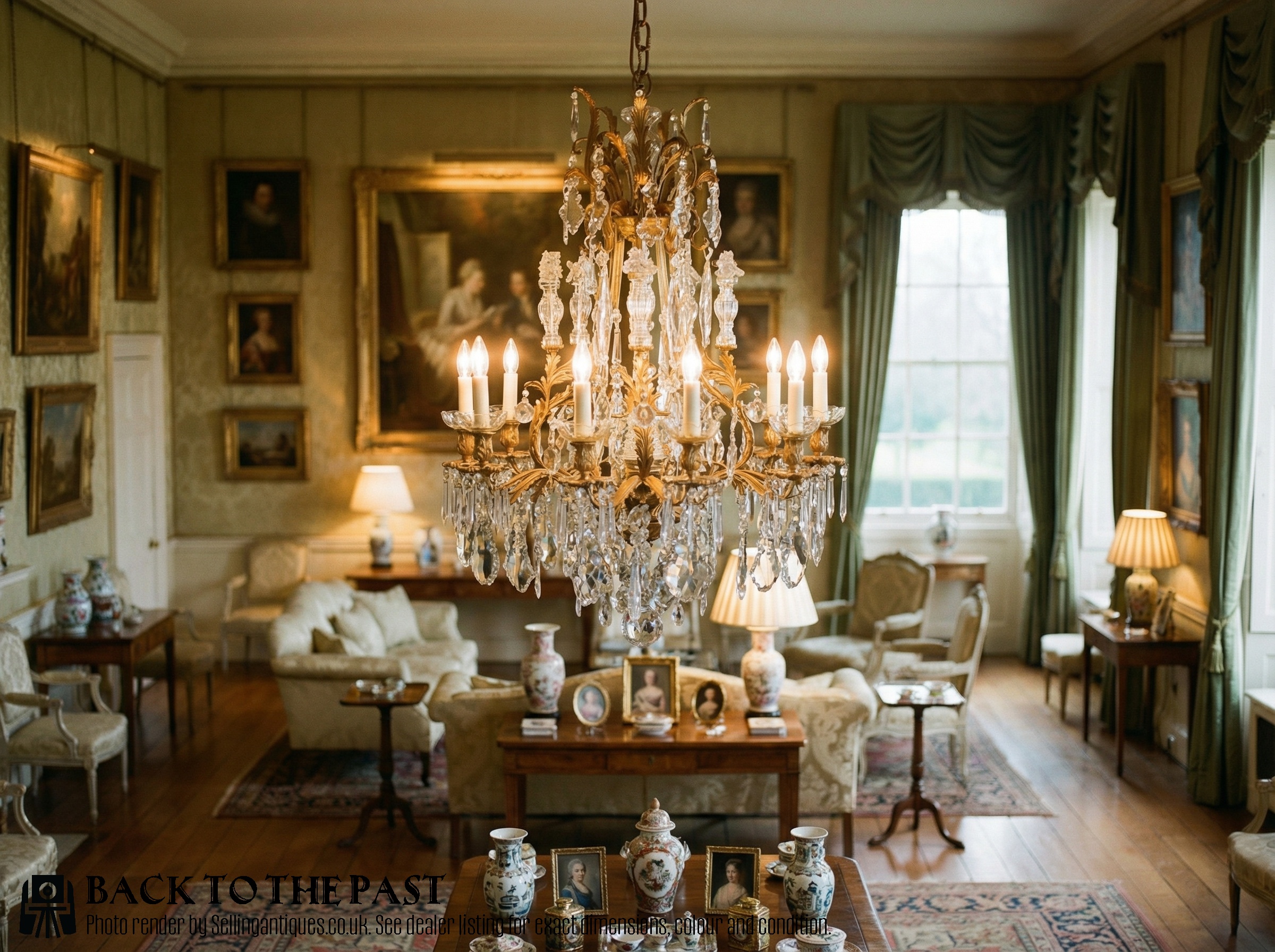
How they were made
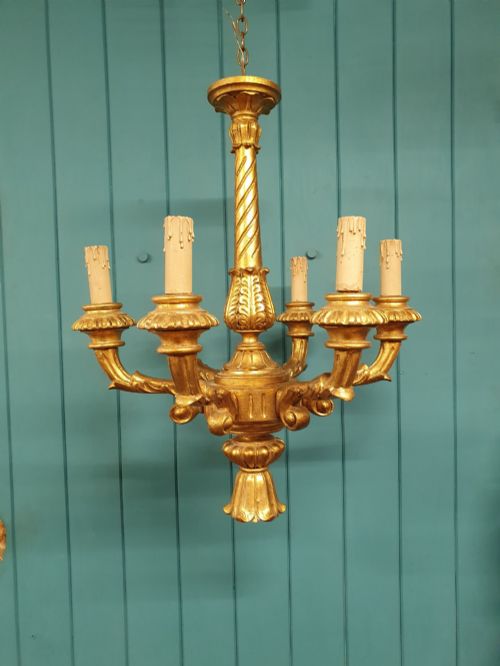
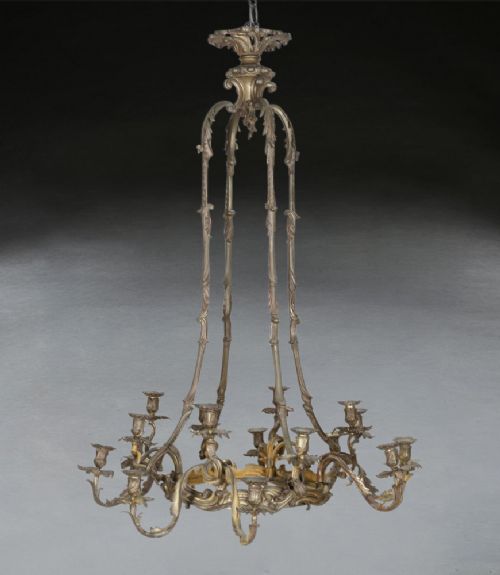
Maker workshops utilised cast metals such as brass, bronze, and gilt bronze to form the structural arms and central columns. Gilded wood, gesso, and copper also appear in specific regional styles.
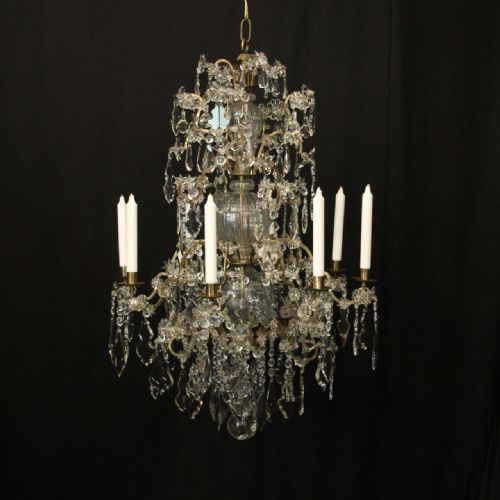
Glass elements including cut crystals, frosted bowls, and hanging pendants were integrated to refract the light from candles or gas burners.
19th Century Chandelier Retail Price Guide 2026
Typical asking prices for 19th century chandelier among the pieces listed under this phrase on Sellingantiques today, from the lower quarter to the upper quarter. They describe what is for sale here now, not the wider market.
Listings feature periods from the early 1900s back to 1850, predominantly showcasing brass, bronze, and glass materials.
What varies in quality
The refinement of the metal casting and the depth of the chasing separate standard production pieces from masterworks. Crisp detailing in gilt bronze mounts indicates superior workshop output.
The clarity, cut, and quantity of the crystal components determine the brilliance of the fixture. High-grade pieces feature heavy, hand-cut glass drops rather than moulded alternatives.
Joseph Wilmotte·Baccarat
The 19th Century Chandelier Glossary
- Ormolu
- Gilded bronze, where a layer of gold amalgam is applied to a bronze base through heat processing. This technique creates a durable, rich golden surface typical of French decorative pieces.
- Gasolier
- A chandelier specifically designed and piped for gas lighting before the widespread adoption of electricity. These fixtures often feature elaborate brass arms with visible gas keys.
- Tent and waterfall
- A specific configuration of crystal drops where strings form a triangular canopy above a tiered cluster. This arrangement maximises light refraction across the room.
- Pricket
- A metal spike on a candle holder that holds the candle in place by piercing its base. This form relates to earlier ecclesiastical or traditional lighting methods.
- Billiard light
- An elongated multi-arm fixture designed to illuminate gaming tables evenly. These horizontal frames typically carry multiple shades or burners.
19th Century Chandelier: Frequently Asked Questions
Can these chandeliers be used with electricity?
Many surviving fixtures have been adapted for modern electrical wiring while retaining their original frames and candle sleeves.
Rewiring allows historic designs to function safely in contemporary interiors without altering their visual character.
How do I identify a French piece?
French chandeliers from this era frequently display characteristic styling such as Rococo curves, Empire motifs, or elaborate gilt bronze mounts.
Makers in France also favoured cage and tent-and-waterfall crystal configurations.
How do brass and bronze fixtures differ?
Brass fixtures typically offer a brighter yellow metallic tone and were common in English and Gothic Revival designs. Bronze and gilt bronze provide heavier structural weight and darker or gilded finishes favoured in French salons.
Both metals develop patinas over time through handling and exposure.