
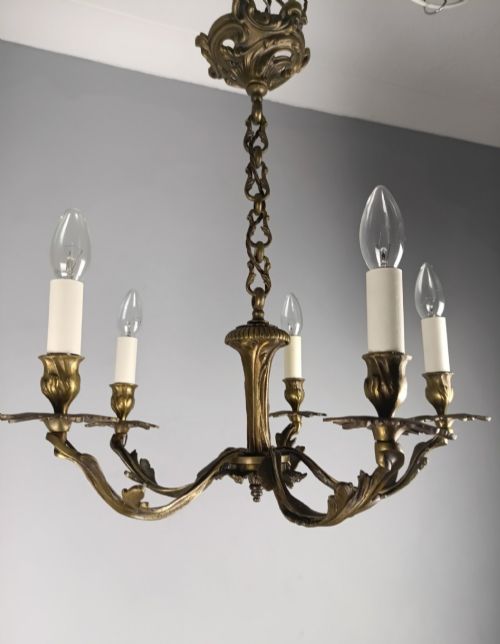
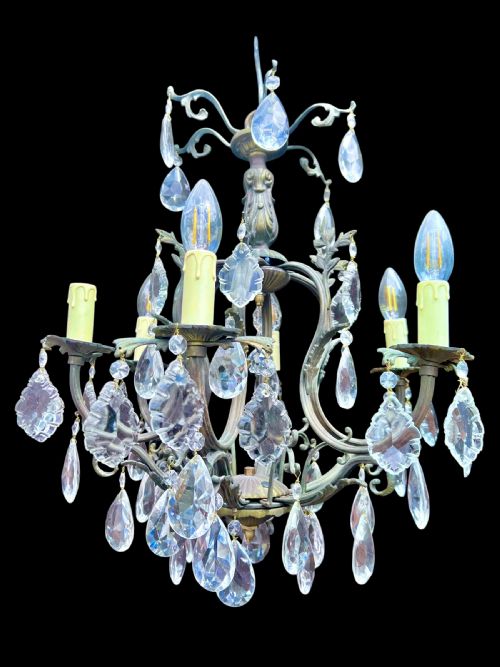
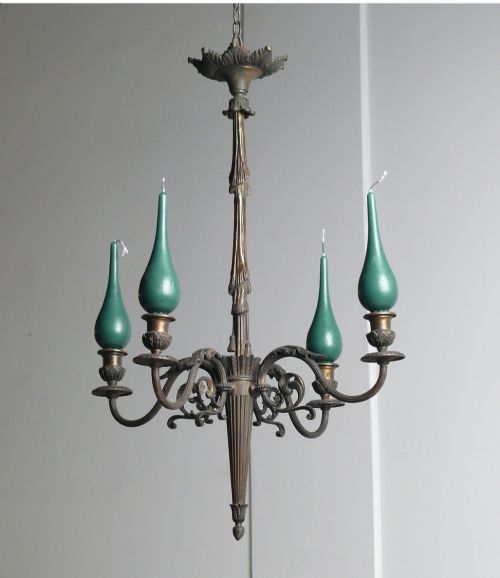
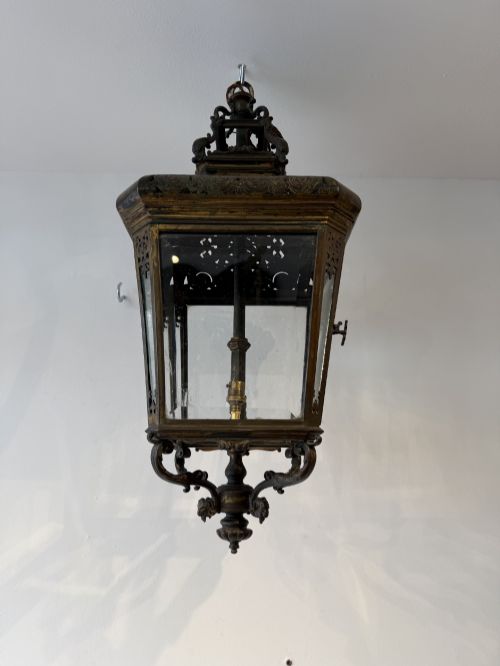





Patinated Bronze Chandelier
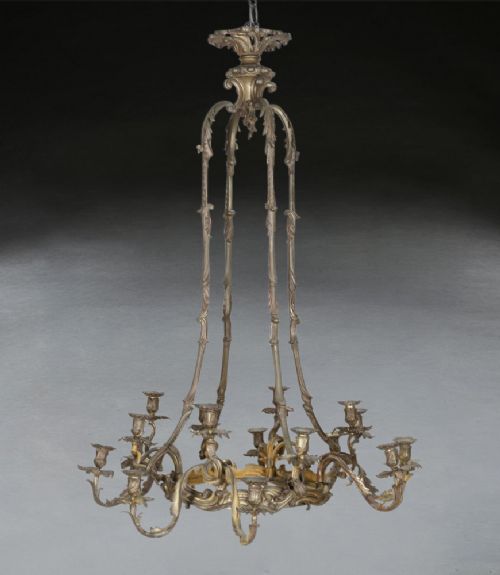
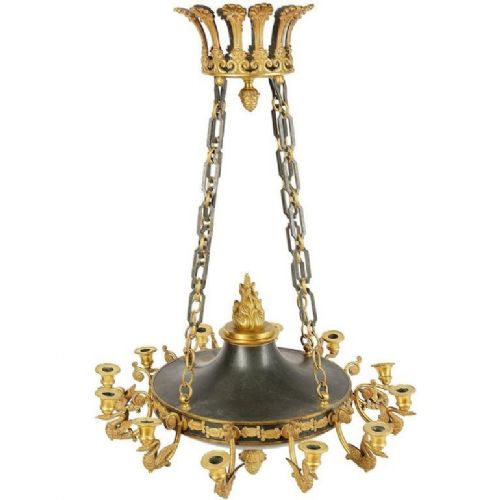
These patinated bronze chandelier examples bring dark metalwork and classical French styling into a room, offering genuine period character.
What They Are
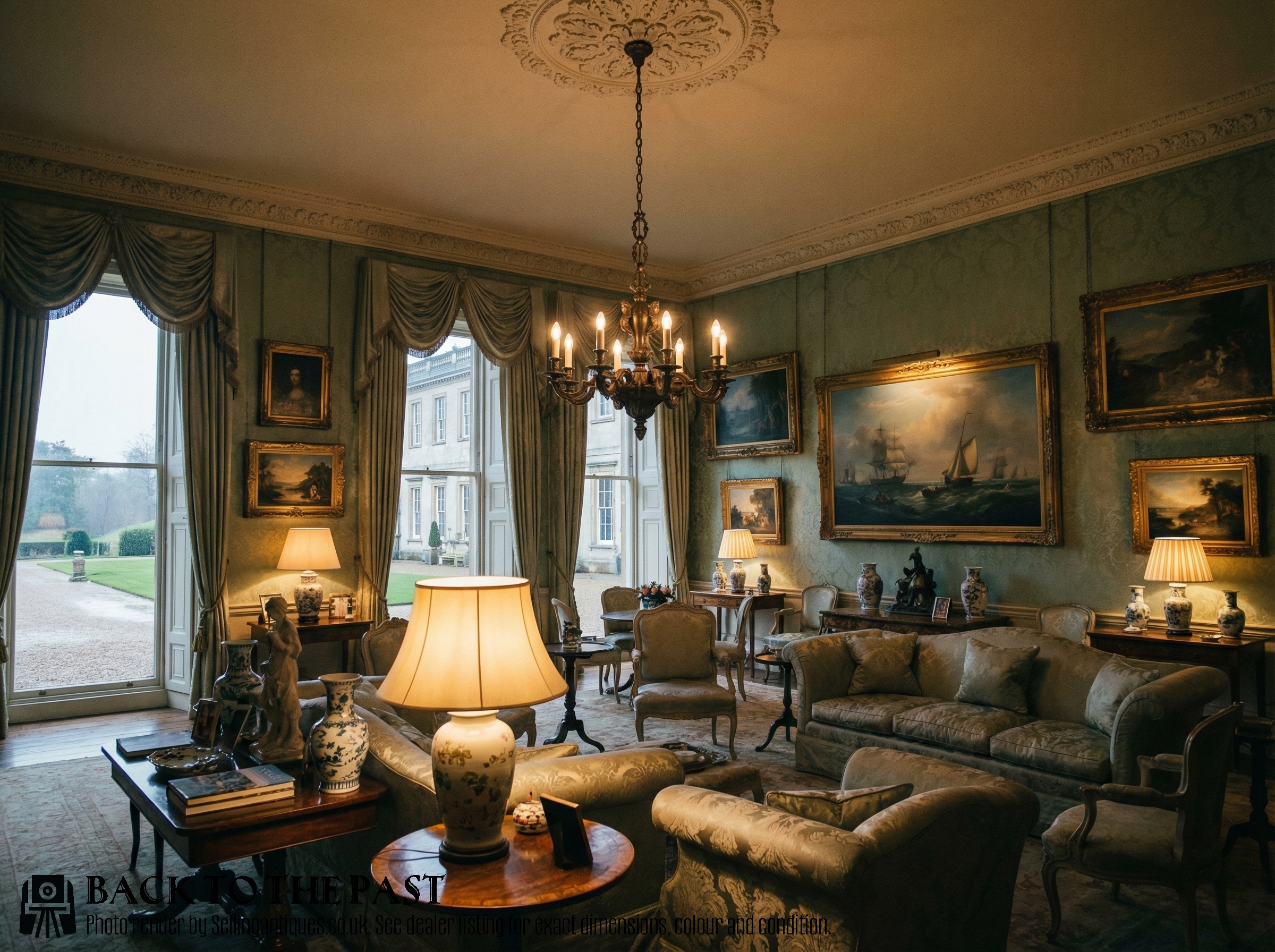
A patinated bronze chandelier provides heavy metal illumination, predominantly drawing upon French design traditions from the nineteenth century and the nineteen twenties. These fixtures appear in various light capacities, ranging from modest configurations up to sixteen light formats.
The aesthetic leans heavily into historical revivals, including French Rococo, Rococo Revival, and Empire influences. Such pieces suit spaces aiming for an authentic nineteenth century or chateau atmosphere.
How They Were Made
Constructed primarily from bronze, these fixtures frequently incorporate patinated bronze alongside gilt bronze, ormolu, and brass elements. Metalwork is shaped to form the structural frames and decorative arms of the light fittings.
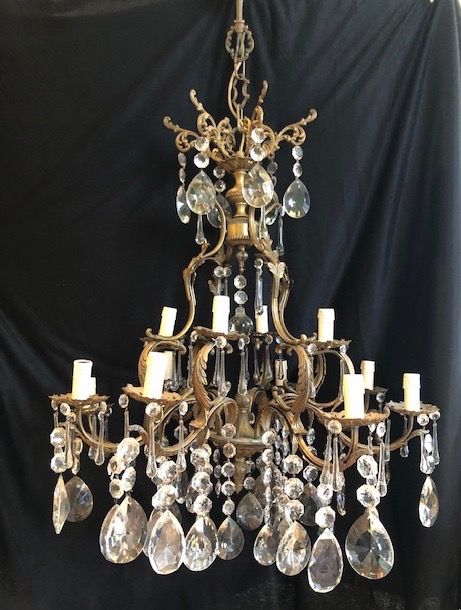
Many examples integrate glass or crystal components to complement the metal structure. The patination process darkens the bronze surface to create the characteristic deep, aged tone.
Retail Price Guide 2026
Typical UK retail prices for patinated bronze chandelier, calculated from the Sellingantiques database of over a million retail prices indexed since 2003. This retail price guide relies exclusively on Sellingantiques data; no external sources or auction records are used, so the figures do not describe the wider market.
Object types are strictly chandeliers, drawing upon French Rococo Revival, French Empire, and French Chateau design idioms.
What Varies in Quality
Quality rests upon the intricacy of the cast metalwork and the fidelity of the historical style, distinguishing standard production from finer French chateau pieces. The depth and durability of the bronze patination also shape the visual weight of the fixture.
The integration of secondary materials such as crystal or ormolu mounts alters the richness of the object. Heavier multi-light configurations demonstrate more ambitious foundry work than smaller variants.
The Patinated Bronze Chandelier Glossary
- Patinated bronze
- Bronze that has been treated chemically or naturally to produce a darkened, aged surface finish. This treatment protects the metal while providing a subdued aesthetic.
- Ormolu
- Gilded bronze mounts and decorative details applied to furniture and lighting. The technique involves coating metal with a mercury and gold amalgam.
- Rococo Revival
- A nineteenth century design movement reviving the ornate, asymmetrical scrolling forms of the eighteenth century. It appears frequently in French chandelier arms and ornamentation.
- French Empire
- A classical style inspired by ancient Rome and Greece, characterised by symmetry and military motifs. This influence brings strict geometric balance to chandelier frames.
Frequently Asked Questions
What periods do these chandeliers come from?
The available evidence points to nineteenth century production alongside examples from nineteen twenty. These dates reflect traditional French manufacturing eras.
Buyers encounter distinct stylistic markers from these periods, including Empire and Rococo Revival influences.
How many lights do they have?
Configurations vary across the selection, ranging from smaller formats up to sixteen light setups. Six and eight light variants also appear frequently.
Larger multi-light fixtures suit expansive rooms requiring substantial illumination and visual presence.
What materials are used alongside bronze?
Makers combined bronze with crystal, glass, ormolu, gilt bronze, and brass. These secondary materials add contrast and reflectivity to the dark metal framework.
Crystal and glass elements often take the form of drops or bobeches that catch the light.
What styles define these chandeliers?
The primary design influences are French, spanning French Rococo, Rococo Revival, French Chateau, and French Empire. These styles dictate the curving arms and decorative casting.
Nineteenth century French aesthetics dominate the design vocabulary across the selection.