


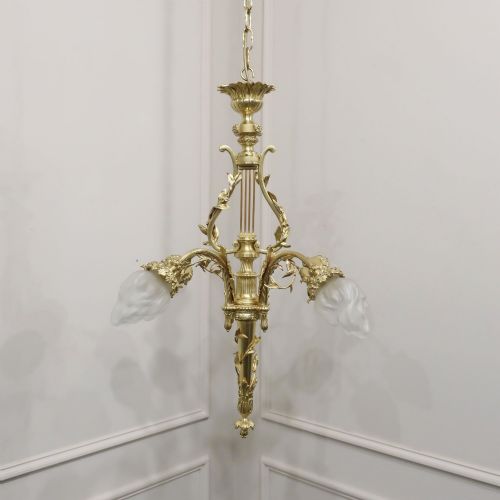
Antique Bronze Light
When you search for antique bronze light, you encounter chandeliers, wall sconces and heavy candelabra shaped by centuries of French and English design.
Antique Bronze Light
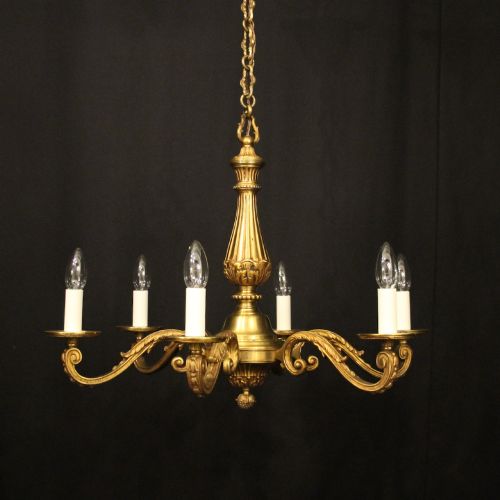
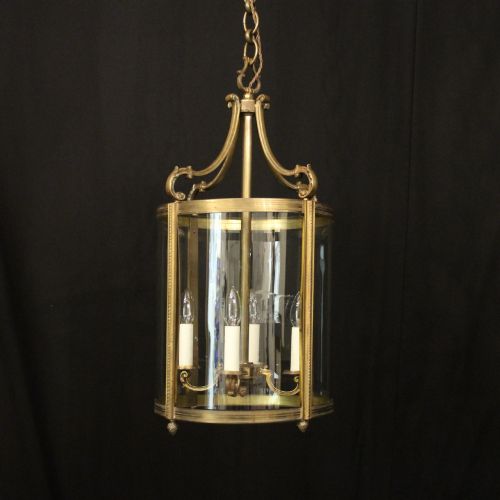
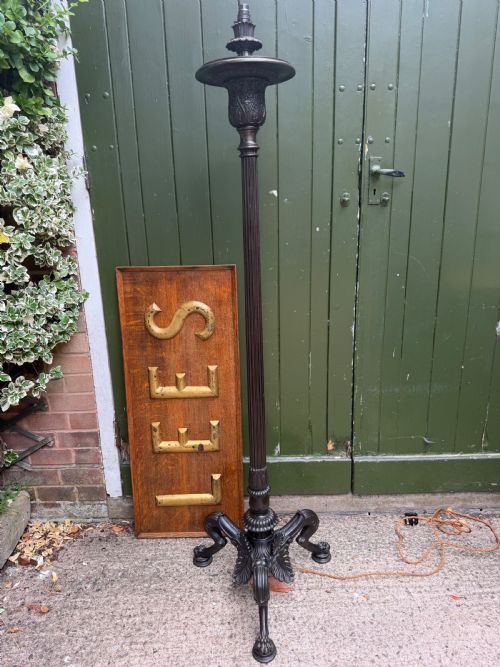
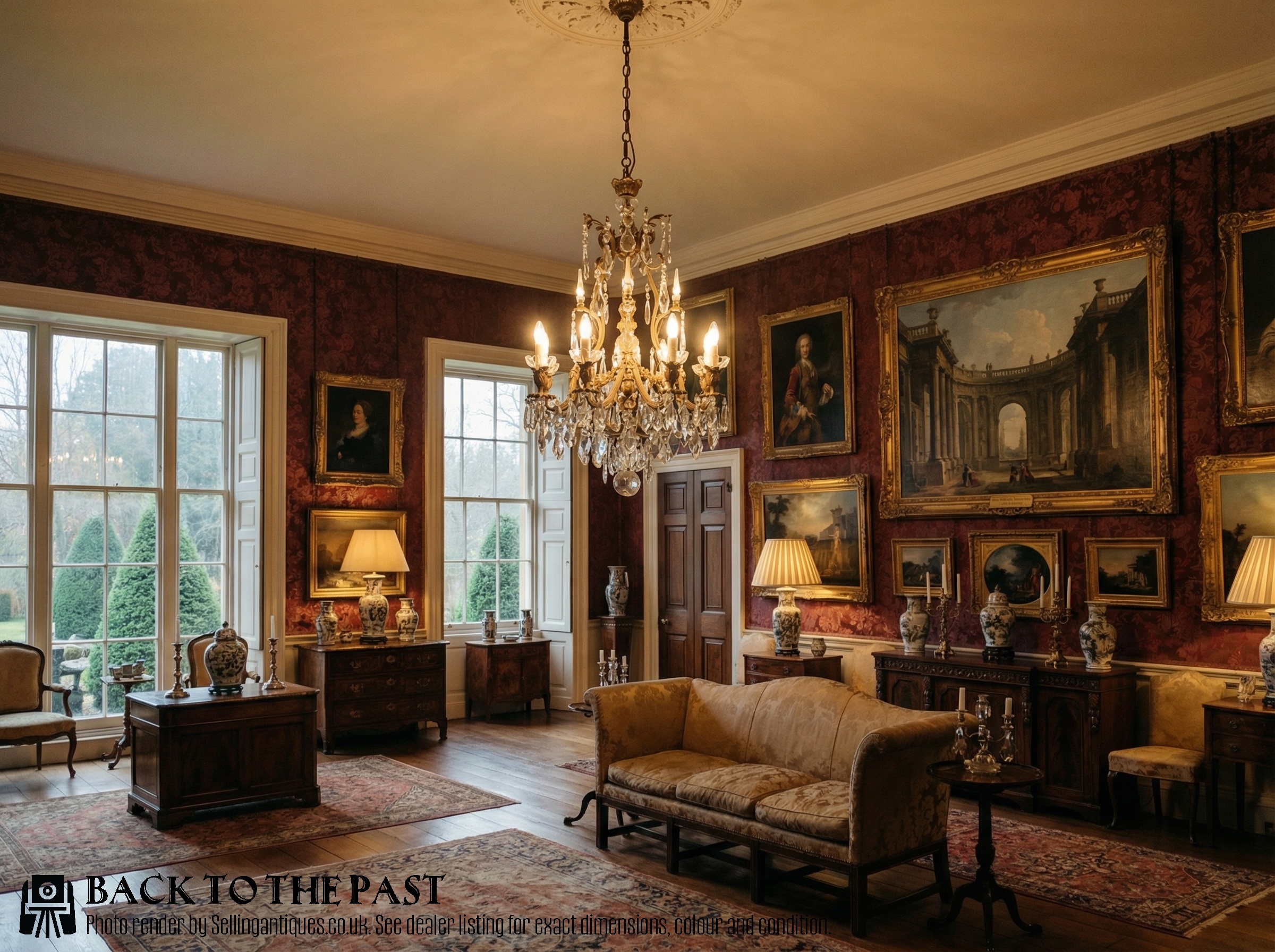
The antique bronze light category encompasses a diverse array of domestic illumination spanning several centuries, ranging from multi-tiered chandeliers to modest table lamps and hall lanterns. Buyers hunting for these items frequently encounter French wall lights, candelabra, and chandeliers originating from the nineteenth and early twentieth centuries.
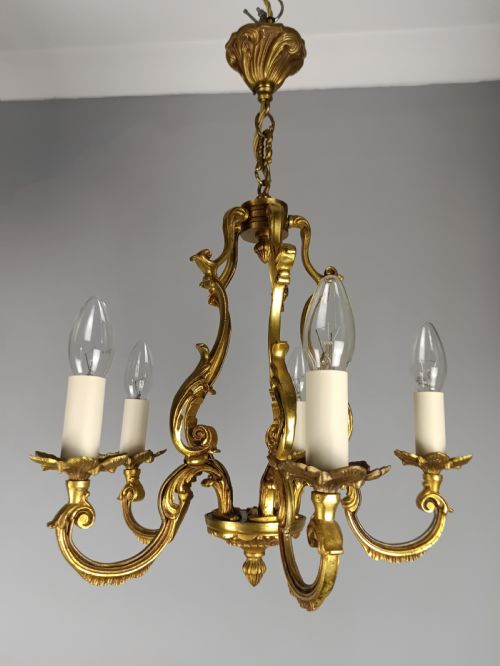
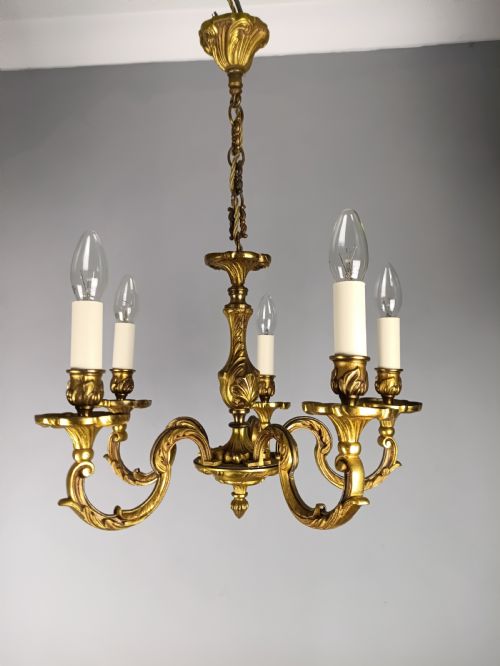
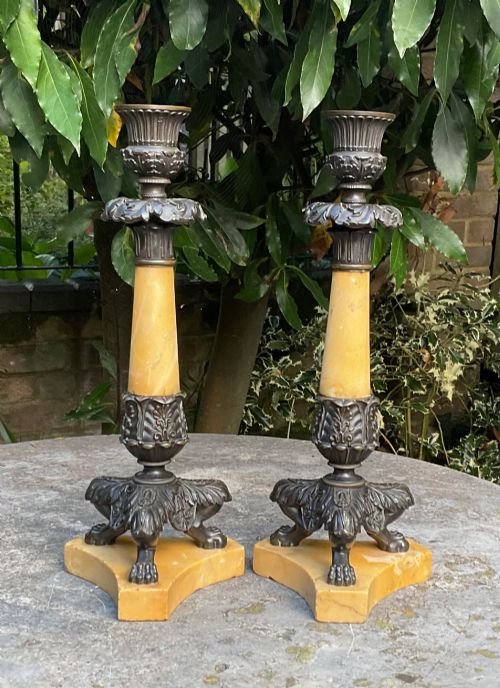
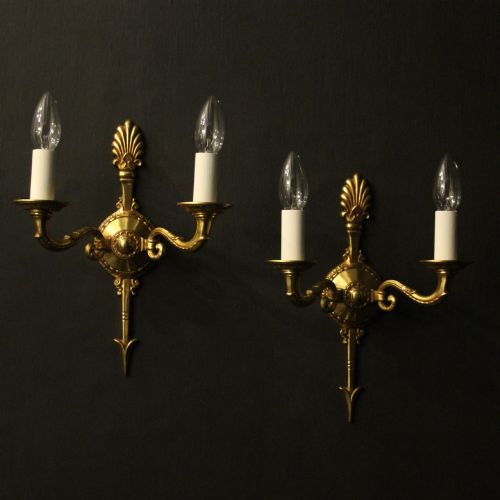
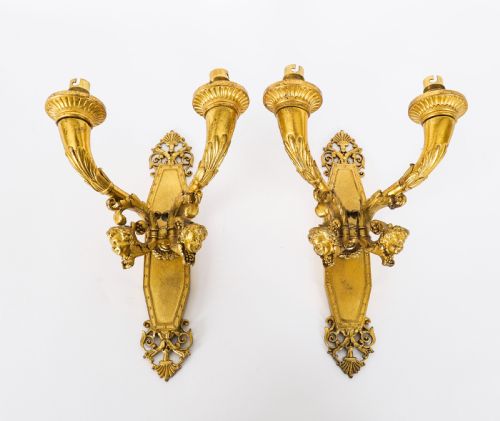
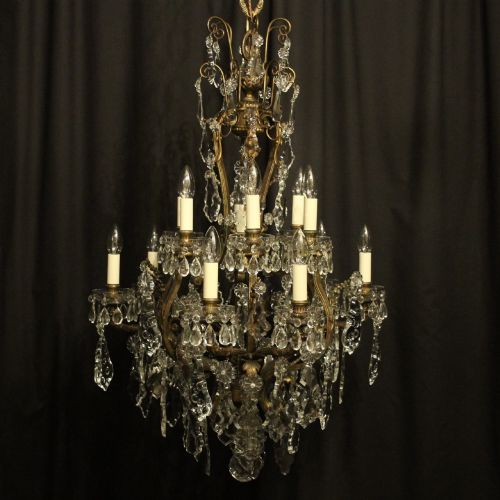
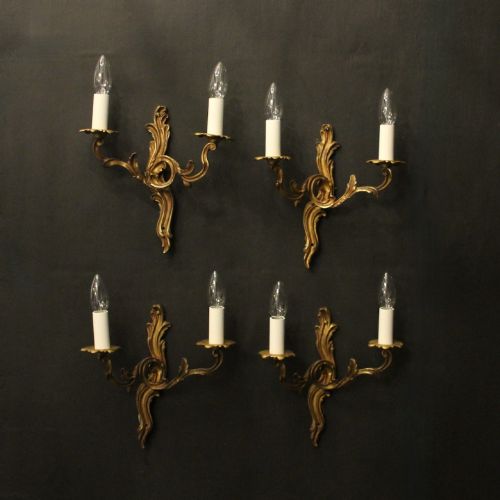
Common forms on this page include multi-arm gilded wall sconces and grand crystal-adorned ceiling fixtures alongside simpler Regency and Victorian candlesticks. Pieces often display specific stylistic revivals, particularly French Rococo, Louis XVI, and Neoclassical influences that dictate the casting and decorative motifs.
Originating largely from European workshops, these metal fittings served to illuminate formal reception rooms, corridors, and intimate chambers alike. Their survival bridges practical historical engineering with enduring decorative appeal for period interiors.
Materials and construction
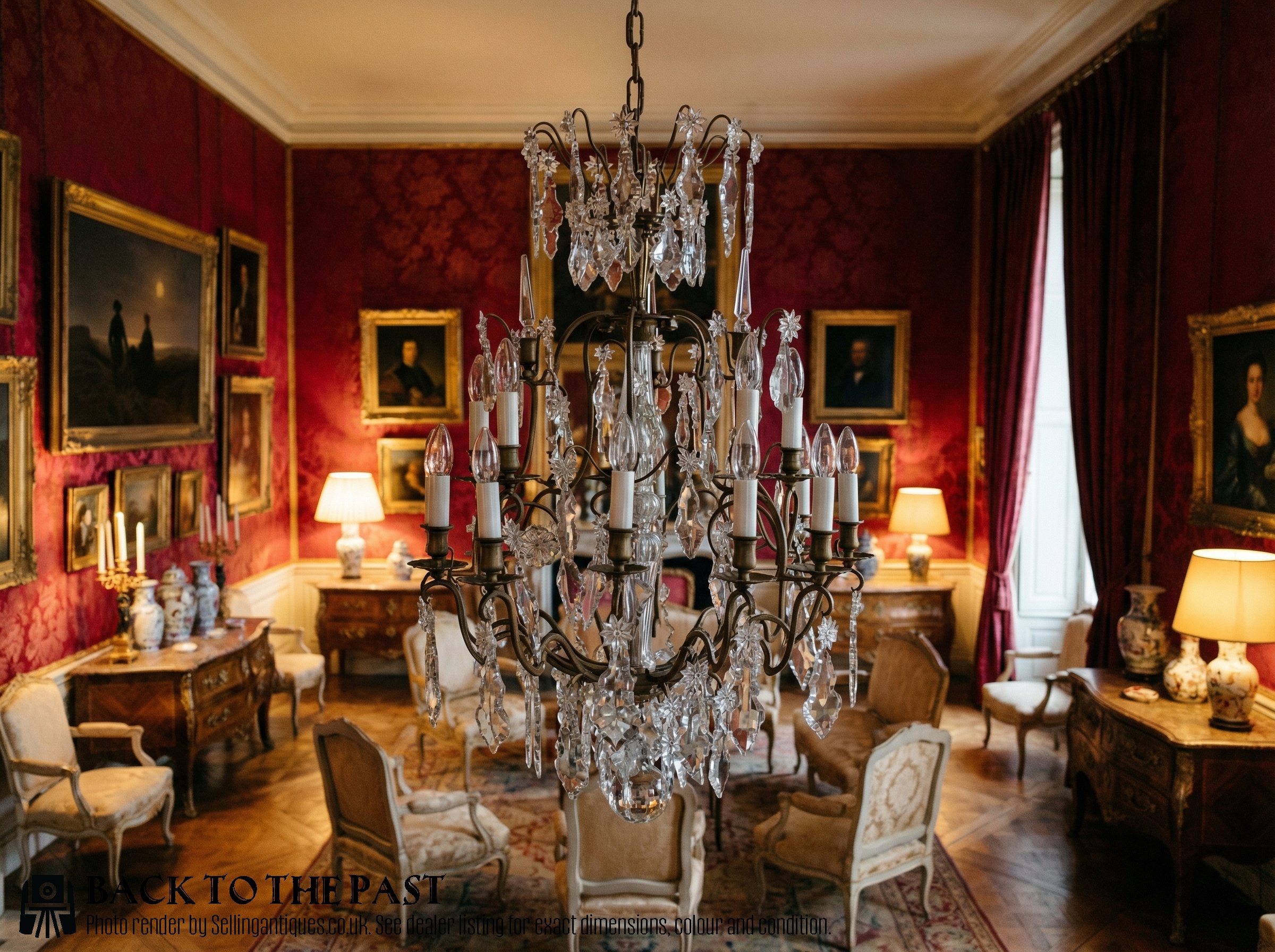
Foundry work relies heavily on bronze, brass, and cast iron, often enhanced through mercury gilding to produce ormolu or surface patination. Metal components are frequently paired with contrasting natural materials such as marble, onyx, crystal drops, and glass shades.
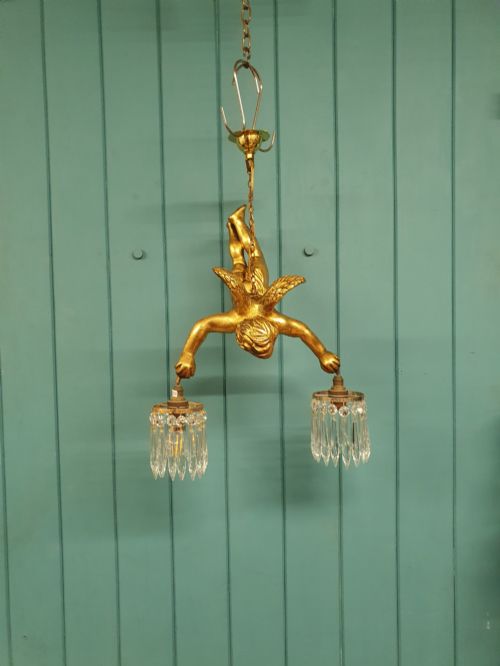
Casting methods permitted intricate sculptural details like cherubs, floral garlands, and classical figures to be integrated into structural arms and backplates. Hand-chasing completed the metalwork before assembly into wall lights, standard lamps, or complex chandeliers.
Antique Bronze Light Retail Price Guide 2026
Typical asking prices for bronze light among the pieces listed under this phrase on Sellingantiques today, from the lower quarter to the upper quarter. They describe what is for sale here now, not the wider market.
Black Forest bears occasionally abandon their traditional woodland duties to hold candlesticks.
Markers of quality
Superior examples distinguish themselves through the crispness of the bronze chasing and the depth of the original gilding or patination. Precision in the assembly of multi-light frames and the weight of the cast components mark the difference between standard production and exceptional workshop output.
The integration of supplementary elements like cut crystal drops, carved marble bases, or delicate hand-painted glass components elevates the overall execution. Original matching sets, particularly of wall lights and candelabra, carry distinct merit over assembled pairs.
Francois Redmond·Barbedienne·E Rousseau
The Antique Bronze Light Glossary
- Ormolu
- Gilded bronze produced by applying a mercury and gold amalgam to a bronze object and heating it until the mercury vaporised. This technique creates a durable, golden surface typical of fine French decorative metalwork.
- Champlevé
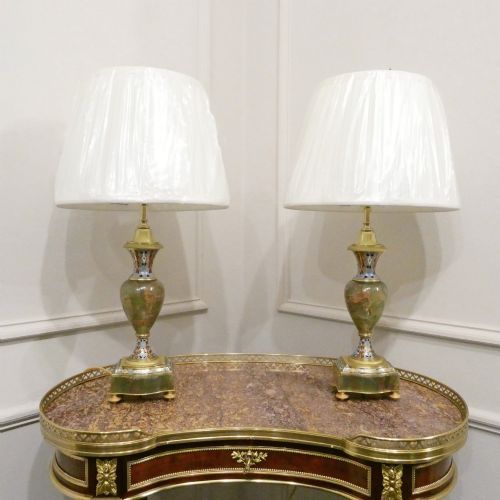
- An enamelling technique where troughs or cells are carved into the surface of the metal and filled with vitreous enamel before firing. It frequently appears on decorative table lamps and vessels from the turn of the twentieth century.
- Pricket candlestick
- A candlestick featuring a central spike or metal point designed to impound the base of a candle, rather than a socket to hold it. This form is common in Gothic revival and ecclesiastical metalwork.
- Candelabra
- A multi-branched branched lighting fixture designed to hold several candles or, in later adaptations, wired for electricity. These pieces often feature removable arms or central figural columns.
- Patinated bronze
- Bronze that has been chemically treated or allowed to age naturally to produce a dark, protective surface layer. This finish highlights the underlying contours of sculptural castings without bright metallic reflection.
Antique Bronze Light: Frequently Asked Questions
How do I clean an antique bronze light?
Maintenance requires only gentle dusting with a soft brush to protect the delicate patination or gilding on the metal surface. Harsh commercial metal cleaners must be avoided entirely because they strip away historical finishes.
Crystal drops and glass shades can be washed separately in lukewarm soapy water before being dried thoroughly and reattached to the frame. Regular care preserves the integrity of the original manufacturing techniques.
Are these lights wired for modern electricity?
Many fixtures arrive ready for modern installation, while others retain their original candelabra or candle-form setups without internal wiring. Rewiring is frequently undertaken to meet contemporary safety standards while keeping the exterior aesthetic intact.
Buyers should consult a qualified electrician to integrate older frames safely into modern ceiling or wall circuits. Careful adaptation ensures that fragile antique components remain undisturbed during the process.
How do I distinguish Louis XVI style from Rococo?
Louis XVI pieces display strict symmetry, straight lines, and classical motifs such as urns, lyres, and ribbon garlands. They reflect an eighteenth-century return to classical proportion and architectural restraint.
In contrast, Rococo designs embrace asymmetry, swirling C-scrolls, and exuberant natural forms like leaves and shells. This earlier style prioritises fluid, organic movement over rigid geometric balance.
Can wall lights be used in pairs or sets?
Wall lights frequently survive as matching pairs or larger sets of four, originally designed to balance symmetrical architectural spaces. Symmetrical placement flanking mirrors, doorways, or fireplaces creates a cohesive interior composition.
Larger sets offer versatility for illuminating expansive hallways or formal dining rooms without disrupting period character. Verifying matching backplates and arm counts ensures uniformity across the installation.