





Frosted Glass Chandelier
A frosted glass chandelier brings a soft, diffused glow to a room, casting gentle light through textured and satin surfaces.
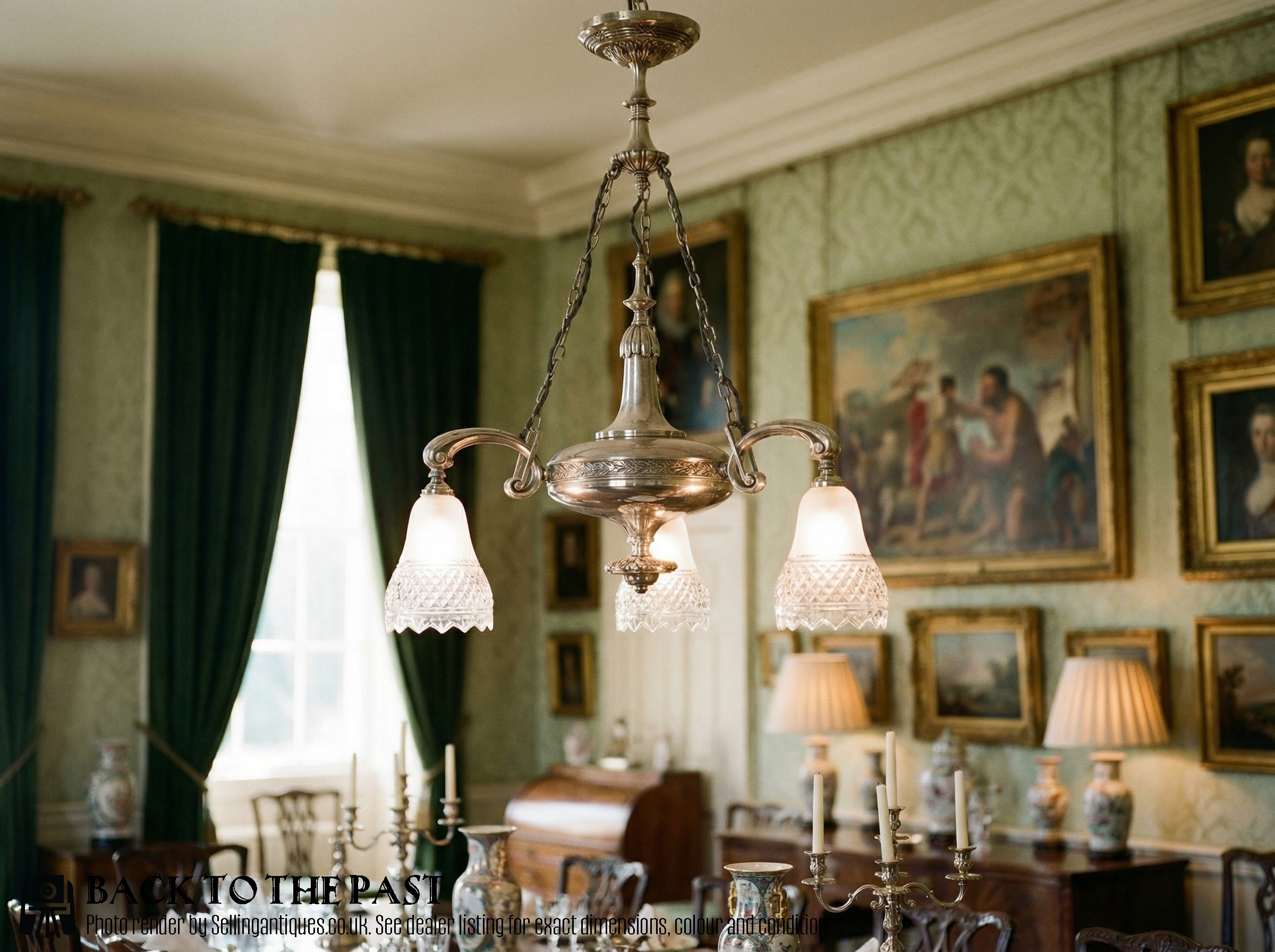
Frosted Glass Chandelier
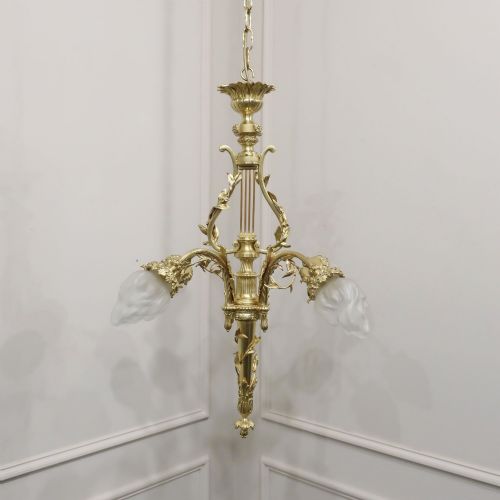
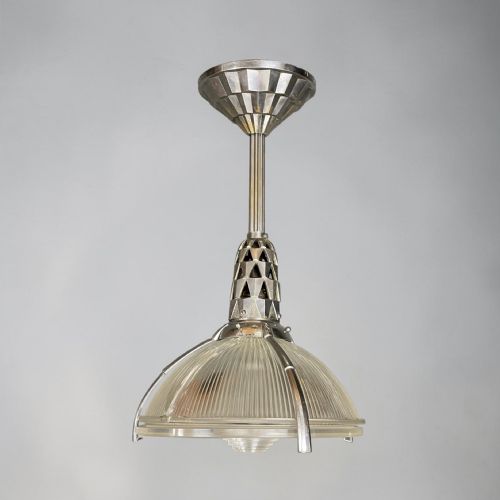
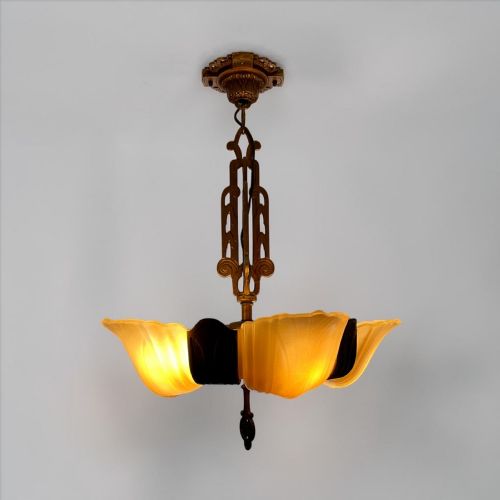
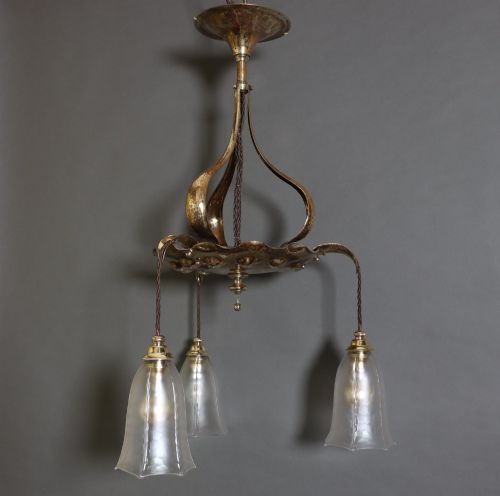
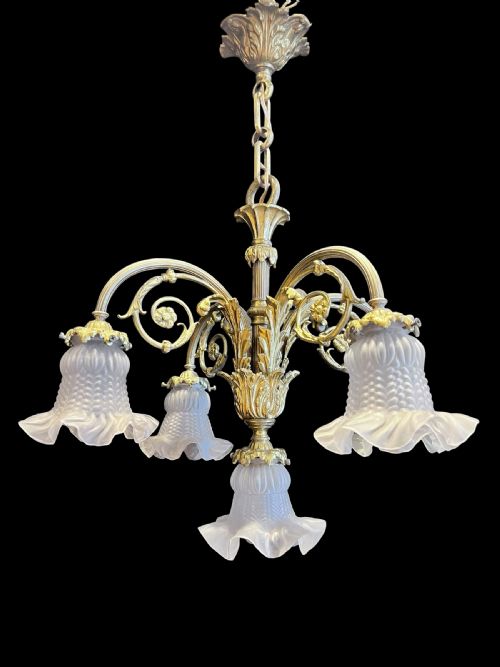
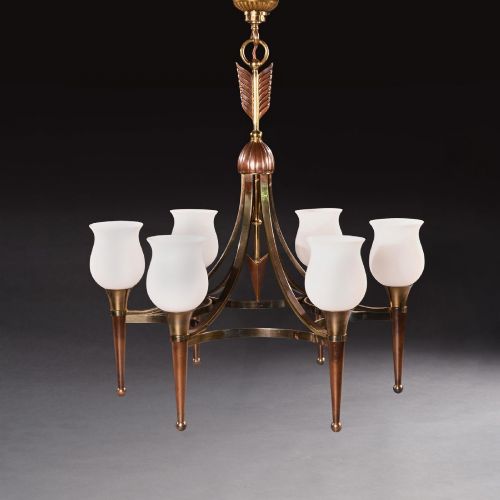
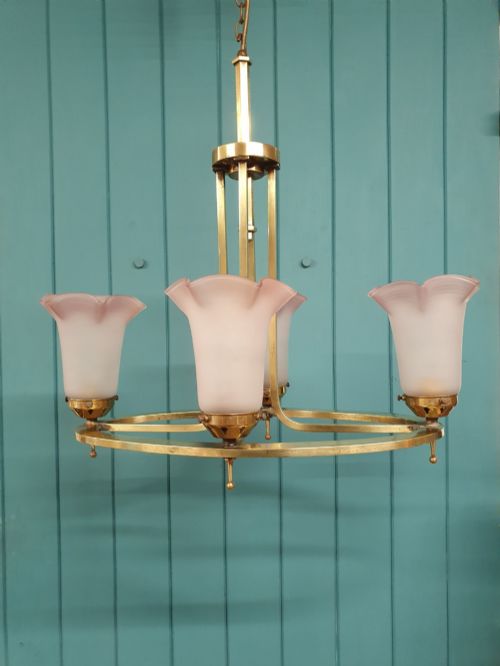
A frosted glass chandelier is a ceiling light featuring translucent glass elements combined with metal frames, designed to soften illumination. These fixtures appear across periods from the nineteenth century through the art deco era, encompassing forms like slip shade bowls, hall lanterns, and multi-arm pendants.
Buyers searching this phrase encounter examples ranging from Victorian and Edwardian brass designs to nineteen-twenties and thirties art deco creations. The selection includes French neoclassical styles, arts and crafts beaten copper, and heavy bronze or gilt fittings holding frosted shades or bowls.
How they were made
Makers constructed the framework using cast brass, bronze, gilt bronze, copper, and wrought iron, forming arms, bands, and hanging rings to support the weight of the glass. Metalwork involved casting, beating, and gilt finishing to create structured mounts for the bowls and shades.
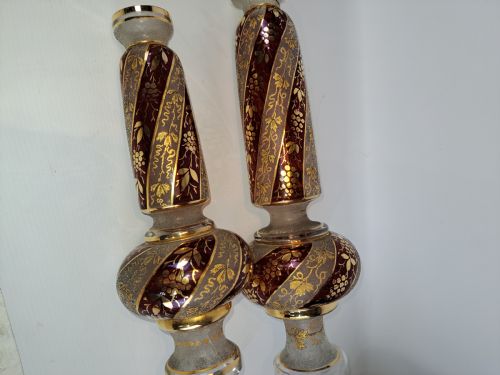
The glass components utilised acid-etching, sandblasting, or moulding to achieve the characteristic frosted finish that diffuses the light source. Workshops produced slip shades, clam shell bowls, and stem pieces in ruby, pink, or clear glass to fit specific chandelier frames.
Frosted Glass Chandelier Retail Price Guide 2026
Typical asking prices for frosted glass chandelier among the pieces listed under this phrase on Sellingantiques today, from the lower quarter to the upper quarter. They describe what is for sale here now, not the wider market.
Red and roe deer antlers form an unexpected framing material for at least one nineteen-thirties rustic chandelier.
What varies in quality
Quality rests in the weight and crispness of the metal casting, where heavier bronze and chased brass demonstrate superior craftsmanship over lighter stamped sheet metal. The articulation of details, from cherub arms to leaf mounts, separates standard production pieces from fine workshop output.
The glass itself shows distinction in the depth of the moulding and the uniformity of the frosting, with superior pieces maintaining sharp relief on slip shades and bowls. Maker attribution and the integration between metal mounts and glass components further divide the range.
Émile-Jacques Ruhlmann·Maison Jansen·Andre Arbus·F and C Osler·Verrerie Des Vosges·Jean Gauthier
The Frosted Glass Chandelier Glossary
- Slip shade
- A moulded glass shade that slots directly into a metal frame or basket on a ceiling light. These components define many art deco lighting designs from the nineteen-thirties.
- Hall lantern
- An enclosed ceiling light, often glazed on multiple sides, designed specifically for corridors and entrance spaces. These pieces frequently use frosted or etched glass panels within brass or bronze frames.
- Gilt bronze
- Metalwork coated with a thin layer of gold, providing a durable and luminous finish. This technique appears widely on nineteenth-century and neoclassical frames.
- Drop
- A suspended glass pendant or crystal attached to a chandelier frame to catch and reflect light. Drops take various geometric or organic shapes depending on the period.
Frosted Glass Chandelier: Frequently Asked Questions
How do I clean frosted glass?
Clean frosted glass using warm soapy water and a soft cloth, avoiding harsh abrasives that can damage the textured surface. Rinse thoroughly and dry with a lint-free cloth to prevent water spots.
Take care when removing glass shades or bowls from the metal frame, supporting the weight fully during handling. Ensure the fitting is switched off before undertaking any maintenance.
What rooms suit a hall lantern?
Hall lanterns suit entranceways, corridors, and high-ceilinged landings where vertical space allows proper clearance. Their enclosed design directs light downwards while protecting the internal bulb and frosted glass panels.
These fixtures also work well in smaller rooms or stairwells where a wide multi-arm chandelier would overwhelm the available space.
How do I date a brass chandelier?
Dating relies on examining the construction methods of the metal frame and the style of the glass components. Victorian and Edwardian examples often feature heavy cast brass, elaborate arms, and cut glass details, while nineteen-twenties and thirties pieces show geometric art deco lines and moulded slip shades.
Screws, fixings, and wiring channels also provide clues to the manufacturing period, though many older fixtures have been rewired for modern use.
Can these lights use modern bulbs?
Most antique chandeliers accept modern LED equivalent bulbs, provided the wattage matches the safe operating limits of the original wiring and socket holders. Consult a qualified electrician to check the internal wiring before installation.
Choosing warm white bulbs helps replicate the softer glow originally produced by period candle or early electric lighting.