

Bronze Hanging Light
A bronze hanging light brings warmth and architectural presence to a room, drawing the eye upward with cast metal and glass.
Bronze Hanging Light
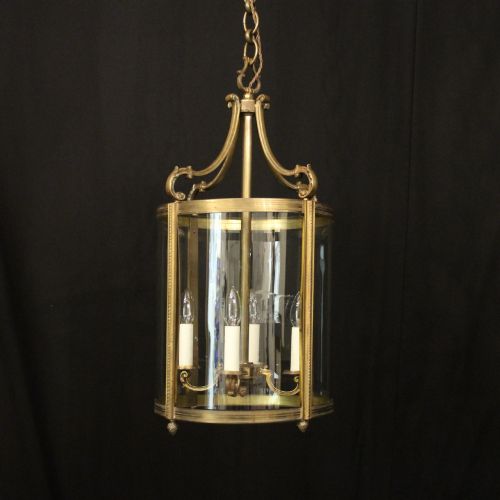
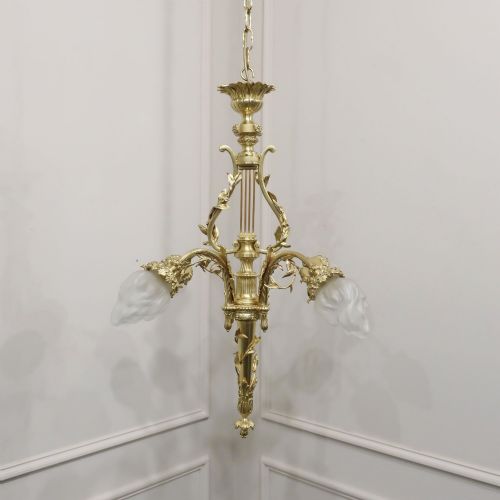
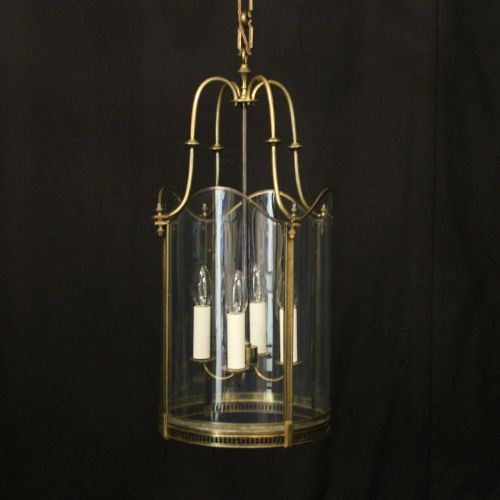
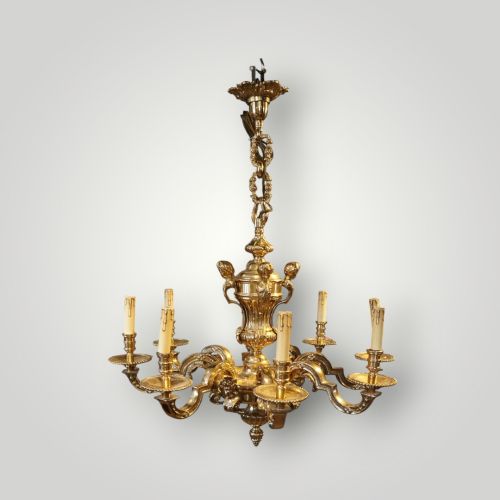
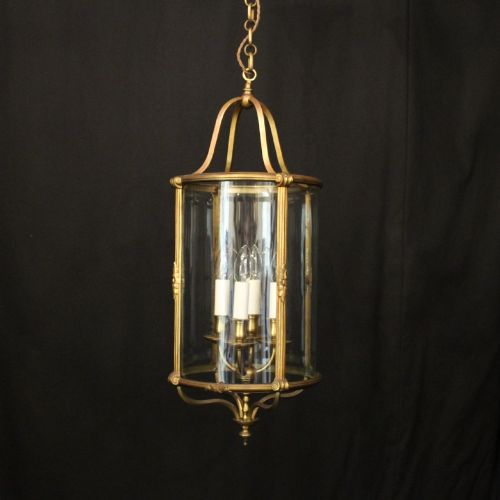
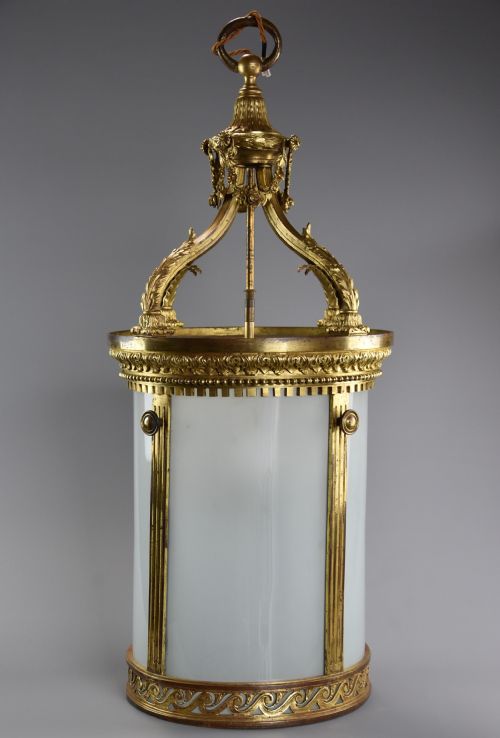
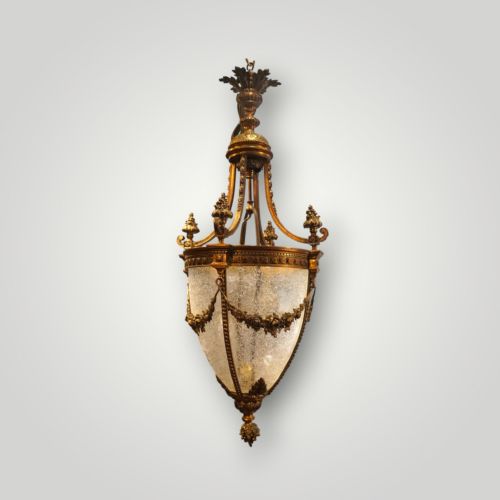
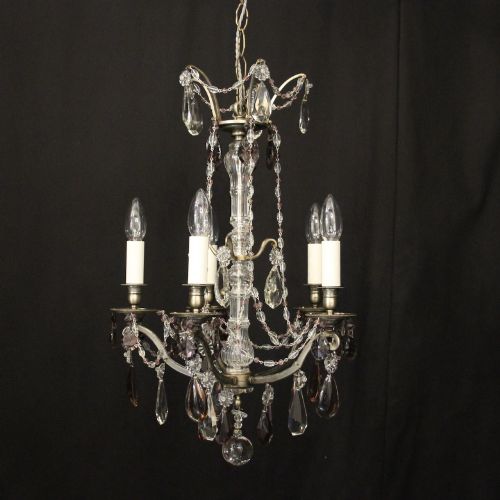
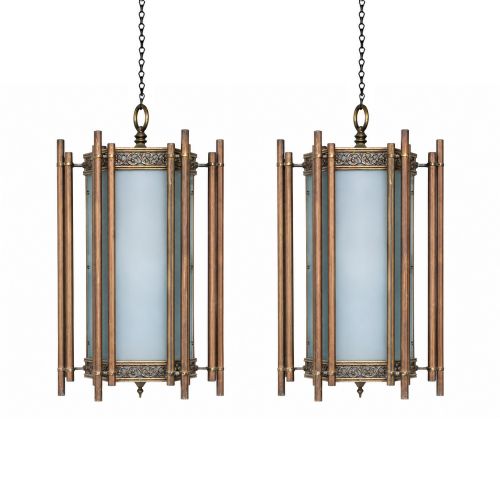
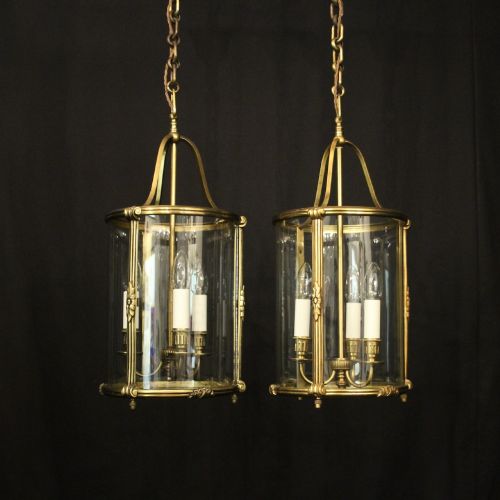
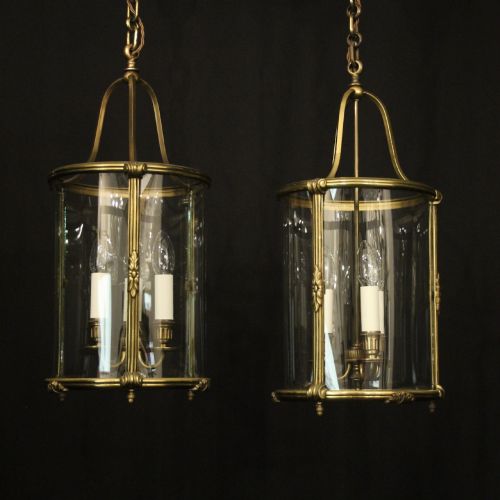
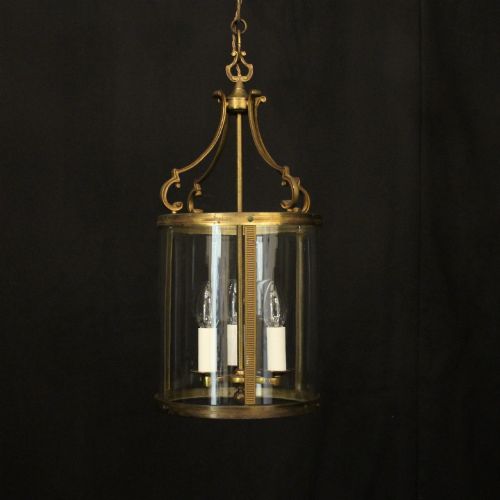
A bronze hanging light encompasses grand chandeliers, hall lanterns, and pendant lights designed to illuminate interior spaces from above. These fixtures appear across periods spanning the Victorian era through the early twentieth century, with notable representation from the 1880s, 1900s, and 1920s.
Materials and construction
Foundries utilised bronze, gilt bronze, brass, and iron to cast structural frames, often employing fire-gilding or silver gilding to achieve a lustrous surface finish. Artisans worked metal alongside blown, bevelled, and frosted glass panels to diffuse illumination effectively.
Chandeliers and lanterns incorporate crystal drops, beads, and coloured glass fruits such as grapes and pears to catch and refract light. Construction methods combined heavy casting with intricate hand-chasing and secure metal framing to support complex multi-light configurations.
Bronze Hanging Light Retail Price Guide 2026
Typical asking prices for bronze hanging light among the pieces listed under this phrase on Sellingantiques today, from the lower quarter to the upper quarter. They describe what is for sale here now, not the wider market.
Listings feature pieces spanning from the 19th century through the 1930s, incorporating bronze, brass, crystal, and frosted glass.
Distinctions in craftsmanship
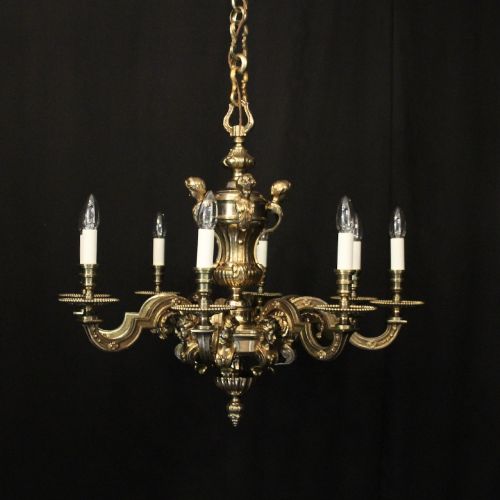
Superior examples display crisp, deeply articulated chasing on the bronze surfaces, where leaf motifs and classical details remain sharp rather than softened by excessive wear or poor casting. The weight of the metal frame and the clarity of the integrated crystal or bevelled glass indicate the original tier of production.
The integration of components separates standard production from exceptional work, seen in how tightly glass panels fit within bronze channels and how harmoniously multi-tiered arms align. Scale and ambition also drive distinction, with monumental pairs and elaborate multi-light configurations representing higher levels of period craftsmanship.
G.E.C
The Bronze Hanging Light Glossary
- Gilt bronze
- Bronze that has been coated with a thin layer of gold or gold amalgam to give a rich, reflective surface finish. This technique was widely utilised in French lighting design.
- Hall lantern
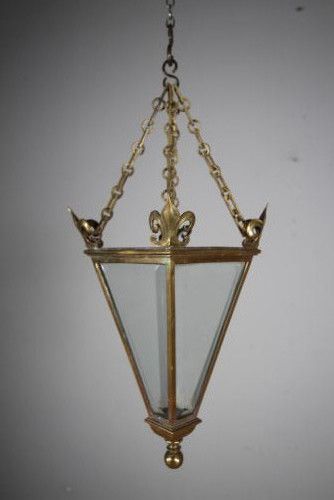
- An enclosed ceiling fixture designed specifically for entranceways and corridors, typically featuring glass panels held within a metal frame. Early versions were adapted from candles to oil and later electricity.
- Crystal
- High-lead glass cut or moulded to refract light with high brilliance, frequently hung in drops or strands from chandelier arms. It adds weight and sparkle to the fixture.
- Convex glass
- Curved glass panels used in lanterns to project light outwards and create a softer, rounded optical effect. These panes require specialist forming techniques.
- Slip shade
- An individual glass shade that slides into a metal frame, characteristic of Art Deco ceiling lights and pendants from the 1930s. They often feature frosted or opalescent finishes.
Bronze Hanging Light: Frequently Asked Questions
How do I choose the right size?
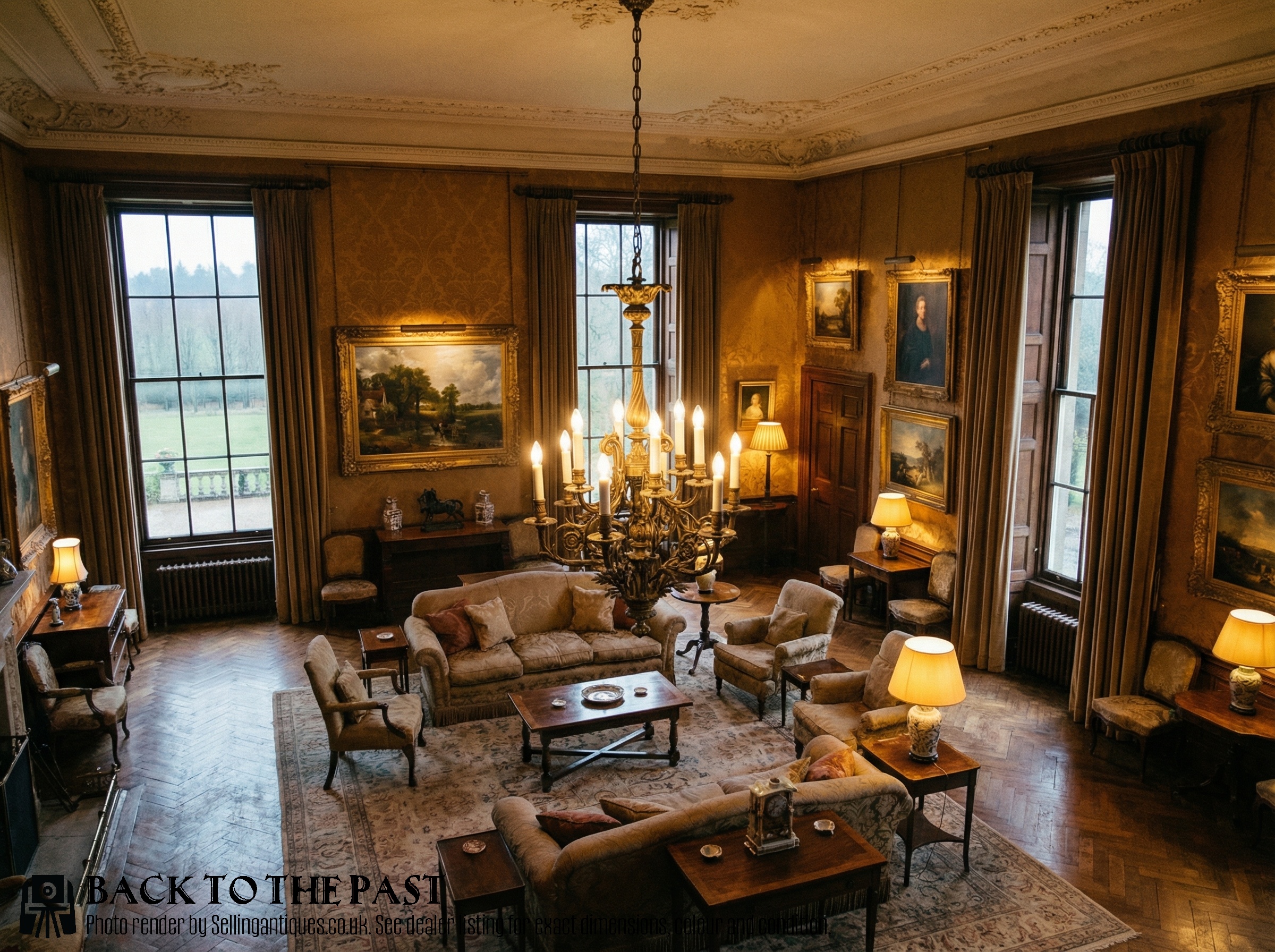
Consider both the ceiling height and the floor area of the room where the fixture will hang. Large multi-tiered chandeliers require substantial vertical clearance, whereas compact hall lanterns suit more modest spaces.
Proportion remains paramount to ensure the light anchors the room without overwhelming the surrounding furniture and architectural details.
Were these originally electric?
Many of these pieces date from periods before electricity was common in homes, meaning they relied on candles or oil lamps to generate illumination. Early hall lanterns and chandeliers were subsequently adapted for electrical wiring during later restoration.
Checking the internal fittings helps determine how the piece has evolved from its initial candlelit or oil-burning configuration.
How do I date a fixture?
Dating relies heavily on stylistic markers, such as the geometric lines of Art Deco pieces compared to the flowing organic curves of Art Nouveau or the symmetry of Neoclassical designs. Material choices and manufacturing techniques also provide clear indicators of the era of production.
Evidence points to distinct periods including the Victorian era, the 1880s, and the 1920s, each carrying unique design signatures.
Where should a hall lantern hang?
A hall lantern traditionally hangs in an entrance vestibule, corridor, or stairwell to create a welcoming focal point upon entry. Their enclosed frames protect the light source while casting patterns through bevelled or convex glass.
Placing one centrally allows the fixture to distribute illumination evenly across transitional spaces.